


Hallmarked Silver Centrepiece
A hallmarked silver centrepiece anchors a dining table with substantial metalwork, spanning ornate Victorian repoussé to clean Arts and Crafts forms.
Hallmarked Silver Centrepiece
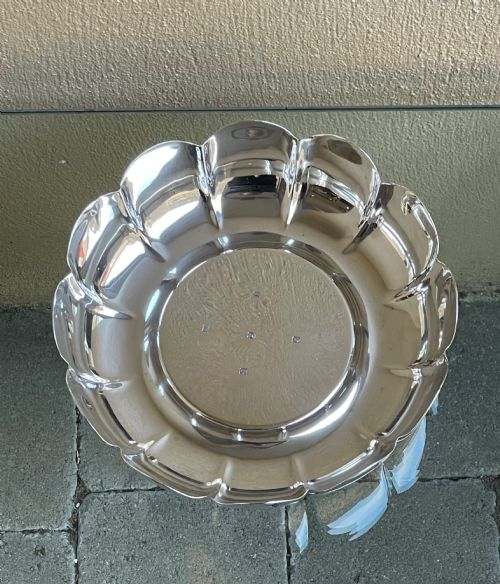
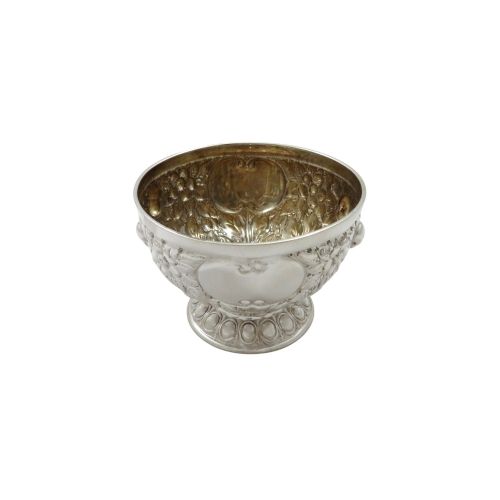
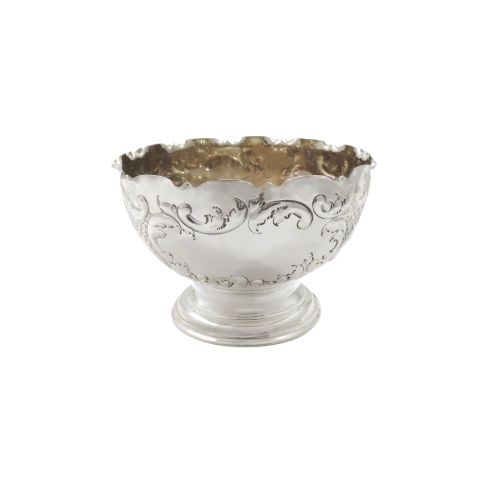
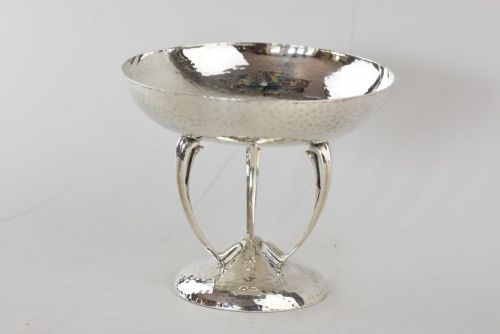
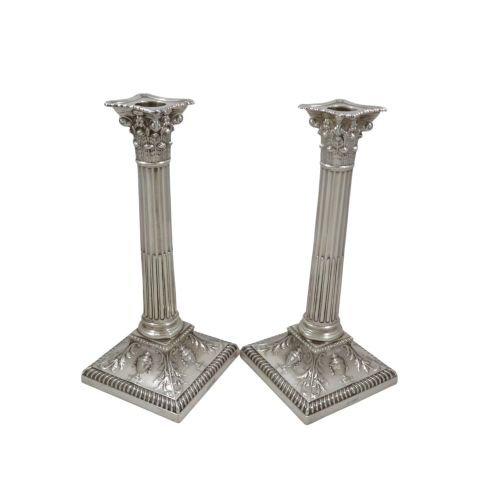
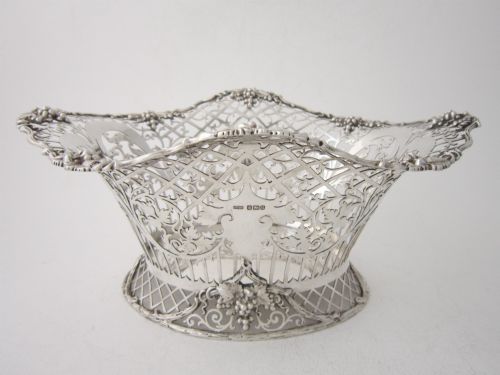
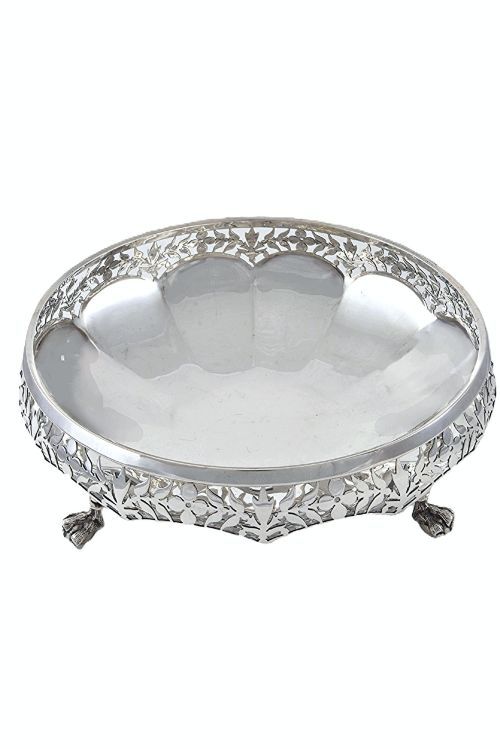
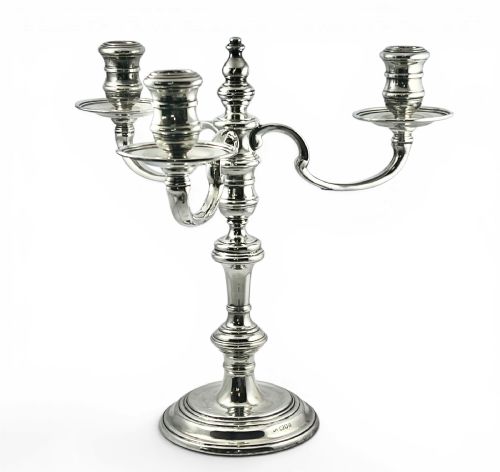
A hallmarked silver centrepiece serves as a commanding tablescape focal point, taking the form of large bowls, tazzas, epergnes, and tall candelabra. Pieces range from straightforward pedestal dishes and fruit baskets to intricate multi-branched lighting and pierced baskets.
Victorian and Edwardian examples dominate the selection, bringing substantial weight and decorative presence to formal dining settings. Makers span from the late nineteenth century through the mid twentieth century, utilising established British assay offices.
How They Were Made
Silversmiths constructed these pieces primarily from sterling silver and solid silver, occasionally incorporating glass liners or ebonised wood elements for contrast. Metal was shaped through hammering, piercing, and casting, resulting in both smooth polished surfaces and textured finishes.
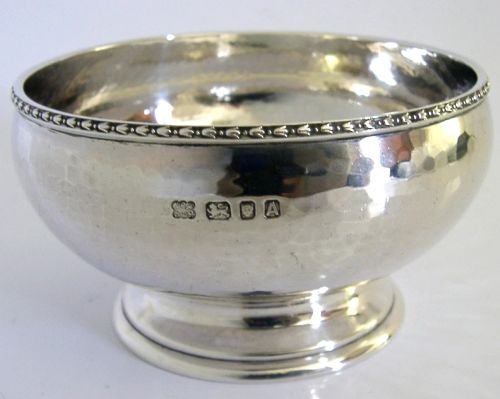
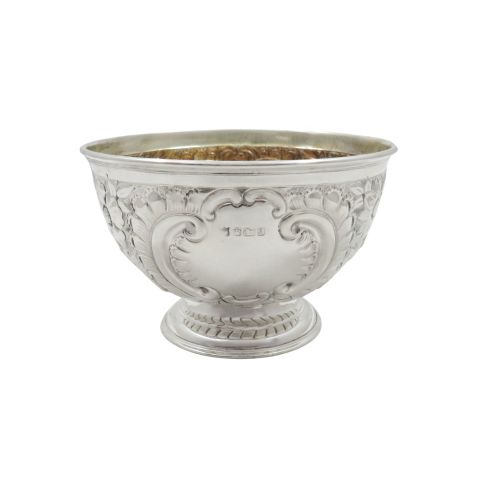
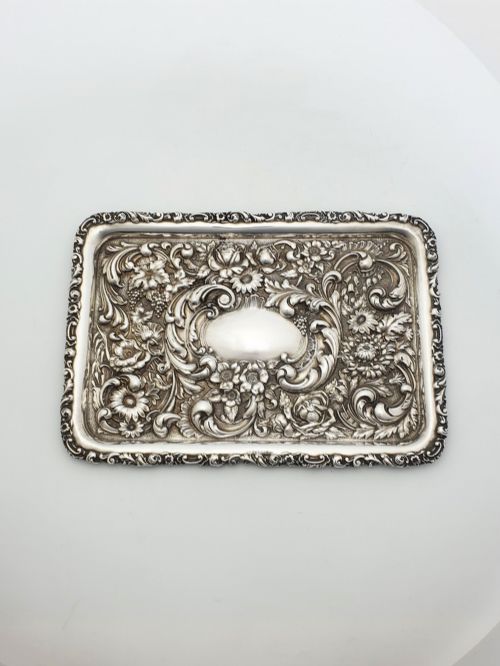
Decorative details rely heavily on hand work such as repoussé floral chasing, planished hammer marks, and detailed shell motifs. Maker marks, date letters, and assay office stamps are struck directly into the metal to verify the silver standard.
Listings feature periods from the nineteenth century through the 1960s, showcasing sterling silver alongside glass and ebonised wood elements.
What Varies in Quality
Quality rests in the crispness of the hand-chased repoussé work and the structural integrity of pedestals and branching arms. Superior items display deep, deliberate relief and balanced proportions rather than flat or pressed ornamentation.
The weight of the metal relative to the scale of the object dictates durability and presence, whilst clear, complete hallmarks confirm authentic silversmith output. Masterful craftsmanship shows in the seamless assembly of complex forms like epergnes and multi-light candelabra.
Goldsmiths and Silversmiths Company London·Joseph Rodgers·William Comyns London·Elkington & Co·Garrard & Co Ltd·Horace Woodward & Co Ltd
The Hallmarked Silver Centrepiece Glossary
- Hallmark
- Official stamps struck into precious metals to guarantee the purity standard, assay office, and year of manufacture. These marks provide the primary documentation for dating British silver.
- Repoussé
- A metalworking technique where the silversmith hammers the design from the reverse side to form raised ornamentation on the front. This method creates the tactile floral and scroll patterns seen on Edwardian trays.
- Tazza
- An ornamental shallow bowl or plate mounted upon a stem and foot. They function as elevated display vessels for fruit or sweetmeats.
- Epergne
- A large table centrepiece featuring a central basket or bowl surrounded by multiple smaller hanging baskets or arms. They are typically deployed for displaying fruit, flowers, or sweet dishes.
- Planishing
- A hammering technique utilising a smooth-faced hammer to refine the surface shape of metal and impart a distinctive faceted texture. This finish is a hallmark of the Arts and Crafts movement.
Hallmarked Silver Centrepiece: Frequently Asked Questions
How were centrepieces used?
These large vessels sat in the middle of formal dining tables to hold fruit, sweetmeats, or floral arrangements. They acted as visual anchors for the meal and displayed the host's wealth.
Over time, their roles shifted from serving food to purely decorative table ornamentation. Many large bowls and baskets now function as standalone interior display pieces.
How do I read silver hallmarks?
British hallmarks typically consist of a maker's mark, a standard mark indicating sterling silver, an assay office mark, and a date letter. Together, these symbols identify who made the piece, where it was tested, and when.
Reference books and online registers map the date letters to specific years. Checking these stamps protects against reproductions and misattributed periods.
How should I clean silver?
Wash silver gently in warm water with mild soap, then dry thoroughly with a soft cloth to prevent water spots. Avoid abrasive dips or harsh scrubbing that can wear away fine repoussé details.
Occasional use of a quality silver polish maintains the shine without removing the underlying metal. Store pieces in dry, tarnish-resistant environments when not on display.
Can I use them for dining?
Solid silver bowls and baskets remain food-safe and can hold dry items like fruit or bread. Care must be taken with acidic foods that might react with the silver surface.
Items with glass liners, such as dessert dishes, make serving wet foods straightforward without risking the metal. Regular use develops a soft patina that many collectors appreciate.