


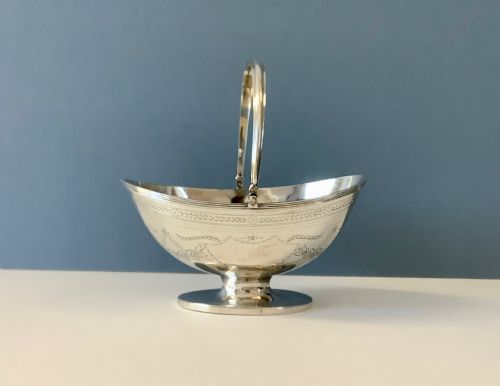
Solid Silver Sugar Basket
These solid silver sugar baskets are tactile domestic vessels from past centuries, offering refined table utility and enduring metalwork craftsmanship.
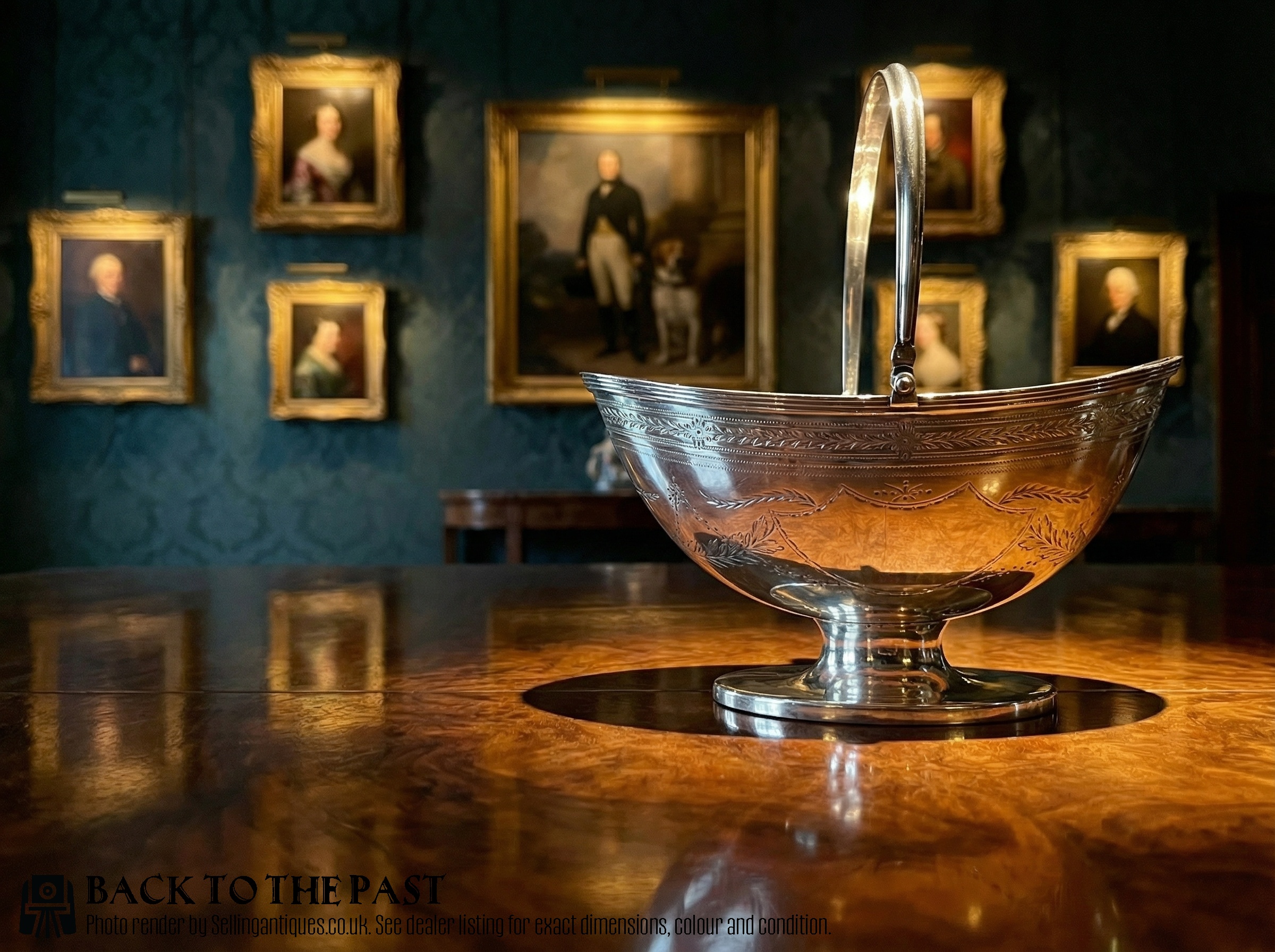
Solid Silver Sugar Basket
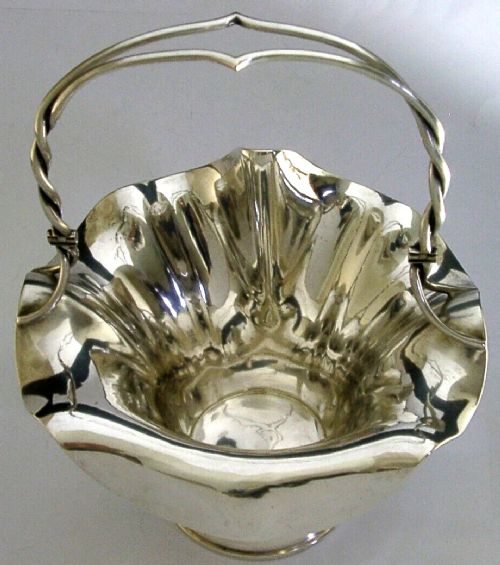
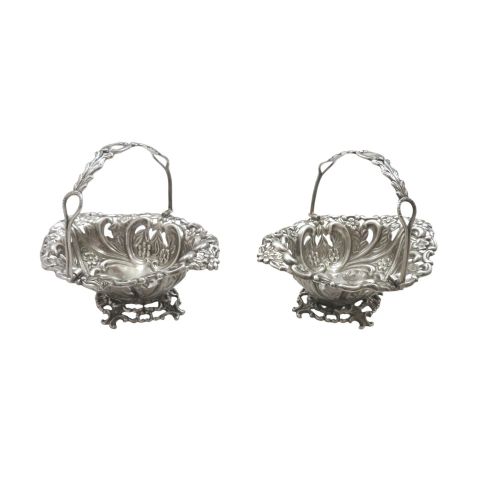
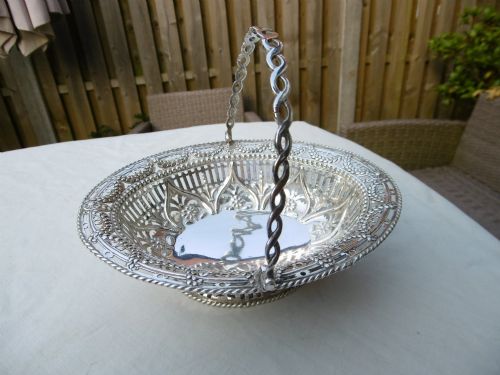
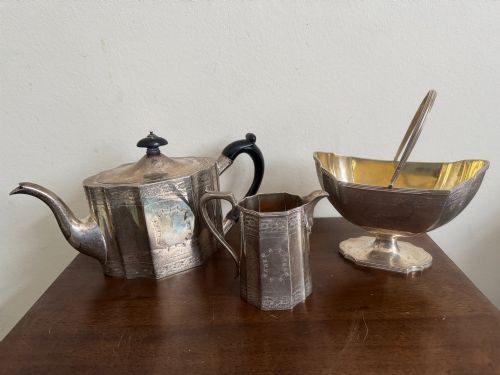
A solid silver sugar basket sits as a refined domestic vessel designed for the formal tea table. When you search for a solid silver sugar basket, you encounter forms ranging from Georgian oval designs to Edwardian fretwork creations.
The pieces on this page span the eighteenth century through the twentieth century. Most frequently, you meet Edwardian examples featuring pierced work alongside George III specimens dated around the seventeen eighties and eighteen tens.
How They Were Made
Silversmiths formed these vessels using sterling silver, often shaping the metal through piercing, fretwork, and intricate wickerwork simulation. Swing handles were constructed separately and attached via pivot pins to the main body.
Internal surfaces frequently received gold gilding to protect the silver from the corrosive nature of stored sugar. Certain pieces incorporate wooden elements such as ebony or other turned timbers within their structure.
Materials documented across the inventory include sterling silver, solid silver, gold gilding, wood, and ebony.
What Varies in Quality
The calibre of a solid silver sugar basket rests upon the crispness of its pierced decoration and the relative thickness of the metal sheet utilised. Heavier specimens command attention through substantial weight and rigid structural integrity.
Hand-chased detailing and the elegance of the swing handle mechanism further separate standard production items from master silversmith output. Hallmark clarity and maker punch preservation dictate collector regard.
James Dixon & Sons Ltd·Hammond, Creake & Co
The Solid Silver Sugar Basket Glossary
- Sterling silver
- An alloy consisting of ninety-two point five percent silver and seven point five percent other metals, typically copper. This standard provides the necessary durability for functional tableware.
- Swing handle
- A movable arched handle attached to opposite sides of the basket rim via hinges. It allows the vessel to be lifted easily during tea service.
- Pierced work
- A decorative technique where metal is cut through to create openwork patterns such as lattices, frets, or geometric designs. It lightens the visual weight of the silver.
- Gold gilding
- A thin layer of gold applied to the interior surface of the silver basket. This finish prevents tarnishing caused by direct contact with loose sugar crystals.
- Hallmark
- A series of stamped official marks indicating the metal standard, assay office, maker, and year of assay. These symbols verify the authenticity and origin of the piece.
Solid Silver Sugar Basket: Frequently Asked Questions
What was a sugar basket used for?
These vessels held lump or loose sugar on the formal dining or tea table during the eighteenth and nineteenth centuries.
Servants or hosts used tongs to dispense the sugar into individual cups before tea was poured from the pot.
How do I clean a silver basket?
Gentle washing in warm soapy water using a soft cloth removes everyday dust and accumulated oils from the surface.
Avoid abrasive polishes that wear away crisp hand-chased details and thin pierced fretwork over time.
Can I use it for daily dining?
Solid silver withstands regular handling, provided you treat the delicate pierced walls and swing handles with care.
Wash the basket immediately after use if it contains moist items to prevent tarnishing and residue buildup.
How do I date a silver sugar basket?
Examine the stamped hallmarks on the base or rim to identify the specific assay office letter for the year.
Stylistic cues such as neoclassical oval shapes or Art Nouveau whiplash lines also indicate the manufacturing period.