


Silver Sweet Bowl
A silver sweet bowl brings a touch of formal dining history to the modern table, offering small delicacies in polished metal and glass.
Silver Sweet Bowl
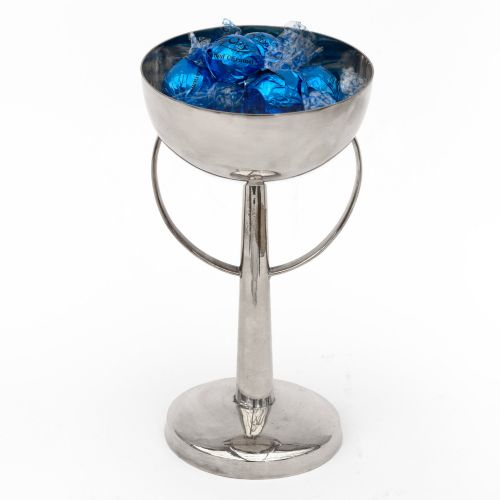
A silver sweet bowl is a small, decorative vessel designed for serving sweetmeats, bonbons, sugar or nuts during dessert courses. These pieces range from simple sterling silver pedestal bowls to elaborate silver plated baskets and glass dishes fitted with silver mounts.
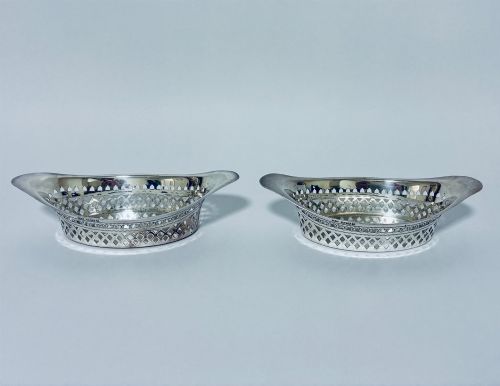
The selections span several distinct eras, with Victorian, Edwardian and Art Deco examples appearing alongside earlier George III forms. Buyers will frequently encounter Victorian and Edwardian pieces featuring pierced decoration, swing handles, or paired formations meant for symmetrical table placement.
Materials extend beyond solid metal to include combinations of sterling silver, silver plate, cut crystal, cranberry glass, pink opaque glass and silver gilt. These varied configurations reflect the changing tastes of dining tables across the nineteenth and twentieth centuries.
Materials and construction methods
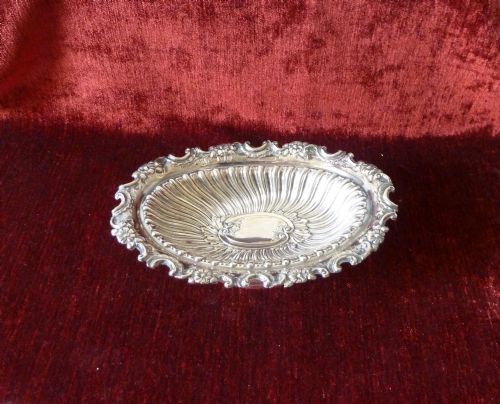
Silversmiths utilised sterling silver and silver plate, shaping metals through casting, hammering and piercing to create openwork lattice patterns and solid pedestal bases. Many pieces incorporate applied decoration, embossed motifs and swing handles hinged to the main body.
Glass components rely on traditional glassblowing and cutting techniques, producing heavy cut crystal bodies and coloured glass inserts in cranberry and pink opaque tones. These glass liners and bowls are frequently paired with silver gilt or standard silver frames and baskets.
Assessing quality in silver sweet bowls
Quality rests upon the weight of the metal, the crispness of the chased or embossed decoration and the harmony between the silver mount and its glass insert. Heavy gauge sterling silver and intricate hand-piercing distinguish finer workshops from standard production items.
The integration of materials also dictates standing, where precision in the fit of cut crystal or coloured glass within a silver or silver gilt basket reveals the maker's technical skill. Maker marks, clear hallmarks and documented design attributions add further distinction to individual pieces.
Dr Christopher Dresser·Roberts and Belk·A E Jones·Robert Hennell I·David Hennell II
The Silver Sweet Bowl Glossary
- Bonbon dish
- A small vessel specifically created for holding small sugar confectionery or sweets. These often feature low sides and decorative handles.
- Silver gilt
- Silver that has been coated with a thin layer of gold on its surface. This technique provides a rich interior colour contrast against exterior sterling silver or glass.
- Sweetmeat
- An archaic term for a confection made with sugar, honey or fruit, often served in dedicated bowls during formal meals. The designation covers nuts, dried fruits and candies.
- Hallmark
- An official stamp applied by an assay office to indicate the purity of precious metal, the place of origin and the year of testing. These marks provide reliable dating for antique silver.
Silver Sweet Bowl: Frequently Asked Questions
What is a silver sweet bowl used for today?
These bowls serve well for holding small items like nuts, mints or wrapped sweets on a coffee table or sideboard. Their compact size makes them versatile decorative accents for any room.
They also function as dressing table tidies for small trinkets or as standalone display pieces that showcase period craftsmanship.
How do I clean a silver sweet bowl?
Maintenance requires a soft cloth and a gentle silver polish formulated specifically for precious metals. Care must be taken around applied decoration and pierced areas to avoid residue buildup.
Pieces with glass or crystal inserts benefit from removal of the glass before cleaning the metal frame, washing the glass separately in warm soapy water.
Are silver plated sweet bowls antique?
Silver plating was common during the nineteenth and twentieth centuries, and many plated bowls date from the Victorian and Art Deco eras. The method of plating does not preclude a piece from being antique.
Examining the style, construction and wear patterns helps determine the age of silver plated items alongside hallmarked sterling pieces.
How can I tell the period of a sweet bowl?
Stylistic clues such as Aesthetic Movement geometry, Art Nouveau sinuous lines or Art Deco symmetry point directly to specific decades. Hallmarks on silver components offer exact years of assay.
Material combinations also guide dating, as cranberry glass and heavy cut crystal strongly indicate Victorian manufacturing preferences.