
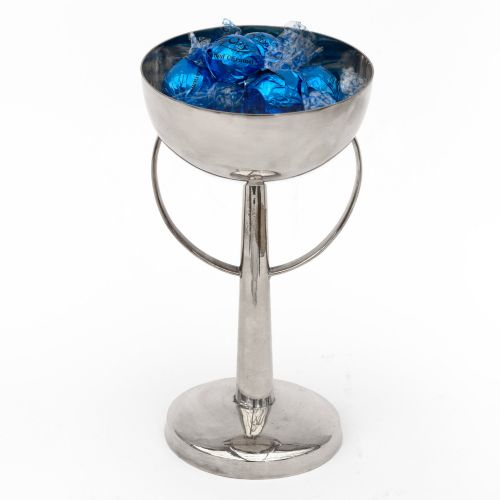
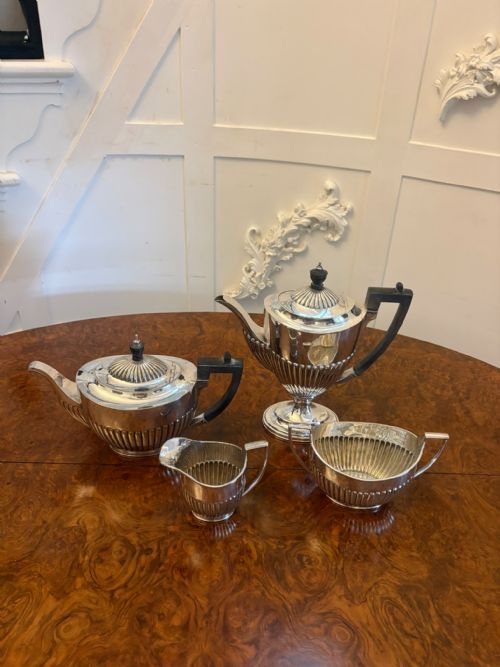
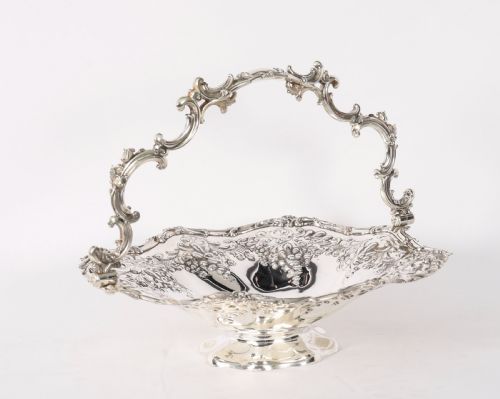
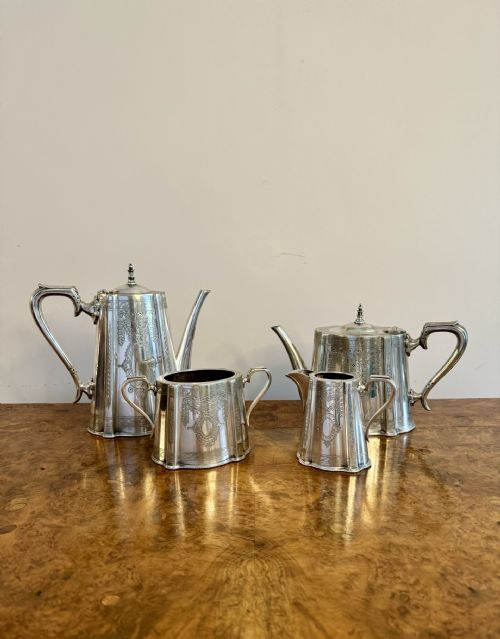


Antique Silverplate Bowl
An antique silverplate bowl brings the weight and bright gleam of the nineteenth and early twentieth centuries straight to your table.
Antique Silverplate Bowl
The pieces appearing in this selection reflect the changing domestic tastes of British and continental households from eighteen eighty through nineteen thirty. Makers applied metalworking skills to produce serving vessels in styles spanning Victorian Rococo Revival, ornate Late Victorian, flowing Art Nouveau, and clean Edwardian lines.
How They Were Made
Makers utilised a base metal, frequently electroplated nickel silver or standard metal, upon which they deposited a layer of silver through electrolysis. This process allowed workshops to produce robust vessels with the visual appeal of solid silver without the extreme cost.
Many items incorporate contrasting materials such as glass liners, ebonised wood handles, or wickerwork baskets to add texture and functionality to the silverplate framework. Artisans finished these pieces with hand chasing, etched glass details, and figural mounts.
Listings feature items from the Victorian, Edwardian, and Art Nouveau periods, combining silver plate, glass, and wood.
What Varies in Quality
The distinction between standard domestic items and the finest examples lies in the thickness of the plating and the crispness of the chasing. Superior pieces retain their silver layer across high points and intricate decorative borders where wear typically occurs first.
Design ambition and maker reputation separate ordinary vessels from exceptional ones. Works bearing the marks of prominent firms exhibit heavier gauges of metal, more balanced proportions, and integrated components like fitted glass inserts or elaborate swing handles.
Walker and Hall·Mappin and Webb·WMF·Christofle·James Dixon·James Deakin·Goldsmiths and Silversmiths Co·William Padley
The Antique Silverplate Bowl Glossary
- Silver Plate
- A base metal coated with a thin layer of silver, allowing for decorative metalwork at a lower cost than solid silver. This technique became widespread during the nineteenth century.
- Electroplated Nickel Silver
- Often abbreviated as EPNS, this alloy of copper, nickel, and zinc served as a durable foundation for silver plating. It provided strength and corrosion resistance beneath the silver surface.
- Centrepiece
- A large decorative vessel, such as a bowl, basket, or épergne, designed to occupy the middle of a dining table. These items often feature elaborate ornamentation or figural supports.
- Bon Bon Dish
- A small, shallow dish intended for serving sweets, nuts, or small confections. These vessels frequently display openwork or swing handles characteristic of later periods.
- Chasing
- A metalworking technique where the artisan depresses the metal from the front with punches and hammers to create raised surface decoration. This method enhances the textural detail of floral and scroll motifs.
Antique Silverplate Bowl: Frequently Asked Questions
How do I clean an antique silverplate bowl?
Use a soft cloth and a specialised silver cleaning cream designed for plated items. Avoid harsh scrubbing or abrasive dips that can strip the thin silver layer from the base metal.
Wash the vessel in warm soapy water immediately after use and dry it thoroughly with a lint-free cloth to prevent spotting and tarnish buildup.
Can I use these bowls for serving food?
Most antique silverplate bowls and baskets are suitable for serving dry foods, fruit, or wrapped sweets. Items equipped with glass liners can safely hold moist foods or salads.
Ensure that acidic foods are not left in direct contact with the silver surface for extended periods to protect the plating from corrosion.
How do I identify the maker?
Look along the base, rim, or handles for stamped maker marks, initials, or trade symbols left by the manufacturing firm. These marks often include specific codes indicating the plating quality or the metal composition used underneath.
Reference silversmith mark guides to match the punch marks to nineteenth or early twentieth-century workshops and retailers.
What is the difference between silverplate and solid silver?
Silverplate consists of a base metal core, such as nickel silver, covered by a thin outer layer of pure silver. Solid silver items are uniform in composition throughout the entire object.
Plated items generally feel lighter than solid silver pieces of the same dimensions and will occasionally reveal the underlying metal where wear occurs.