


Silver Soup Bowl
A silver soup bowl brings weight and presence to the dining table, offering a refined vessel for serving broth and stock.
Silver Soup Bowl
When you search for a silver soup bowl, you encounter a variety of forms including tureens, punch bowls, and porringers spanning from the seventeenth century through the Edwardian era.
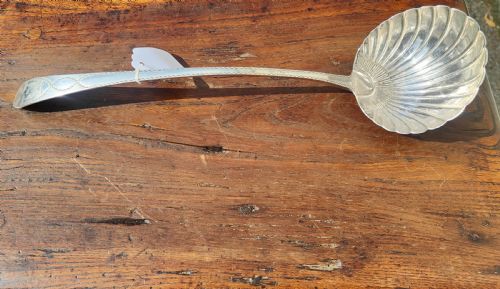
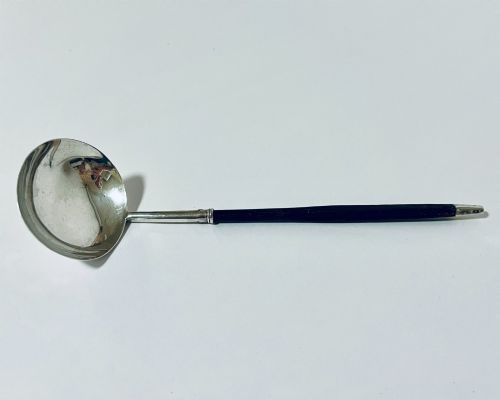
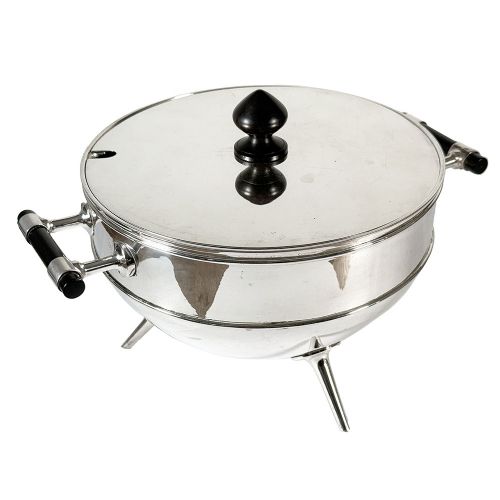
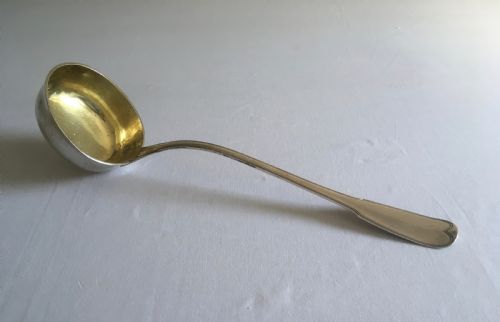
The pieces on this page encompass substantial covered tureens designed for the dining table as well as open bowls and ladles in sterling silver, silver plate, and pewter.
Origins range from Georgian and Victorian England to Ireland, India, and Germany, reflecting diverse dining traditions and silversmithing techniques.
Materials and construction
Silversmiths shaped sterling silver and silver plate through hammering, casting, and soldering, frequently incorporating handles, covers, and crests into the design.
Alternative materials such as pewter, copper, and ebonised wood appear in specific pieces, demonstrating the breadth of manufacturing methods utilised across different centuries.
Early pewter porringers were occasionally measured by fluid capacity, ensuring nobody went short on their daily broth.
Judging quality and craftsmanship
Quality rests upon the crispness of chased crests, the balance of handles, and the structural integrity of the metal, whether sterling silver or Old Sheffield plate.
Maker marks, London assay office hallmarks, and the weight of the silver or pewter distinguish standard domestic ware from exceptional workshop productions.
Christopher Dresser for Hukin & Heath·Mappin and Webb·Michael Smith·TIFFANY & CO.·Daniel and Arter·William Bennett·Birchall and Hayne
The Silver Soup Bowl Glossary
- Tureen
- A deep covered bowl designed for serving soup, broth, or gravy at the table. These often rest on fixed or matching stands.
- Porringer
- A small, shallow vessel with one or two flat pierced handles, used for porage, broth, or as a christening bowl. Early examples date to the seventeenth century.
- Old Sheffield plate
- A method of fusing a thin sheet of silver to a thicker copper base, common in the eighteenth and nineteenth centuries before electroplating.
- Punch ladle
- A utensil with a long handle and a deep bowl, frequently featuring a shell-shaped design, used for serving punch from a central bowl.
Silver Soup Bowl: Frequently Asked Questions
What is the difference between a tureen and a soup bowl?
A tureen is a large, deep serving vessel equipped with a matching lid to keep broth hot at the table.
Individual soup bowls or porringers are smaller open vessels intended for personal consumption rather than central service.
How do I care for antique silver and silver plate?
Wash silver pieces gently in warm soapy water using a soft cloth, avoiding harsh abrasive dips that can damage the surface.
Dry thoroughly with a soft lint-free cloth to maintain the natural lustre and protect any applied crests or engraving.
Can I still use these silver bowls for dining?
Solid sterling silver and sturdy silver plate remain fully functional for serving hot soups and punch during formal meals.
Care should be taken with older plated items or delicate pewter to ensure the lining and base metal are protected from acidic foods.
How do hallmarks help date a silver soup bowl?
Hallmarks stamped into sterling silver indicate the assay office, the standard of metal, and a specific date letter corresponding to the year of manufacture.
Comparing these maker marks against historical records provides an exact timeline for Georgian and Victorian pieces.