
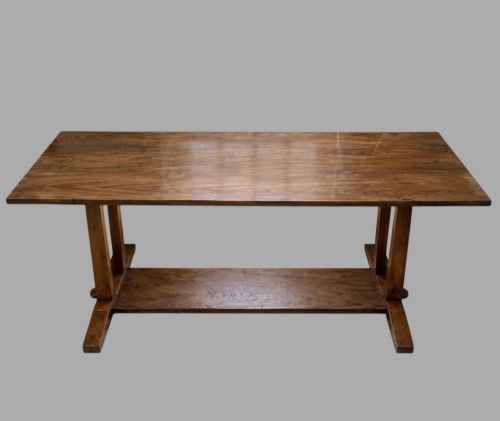
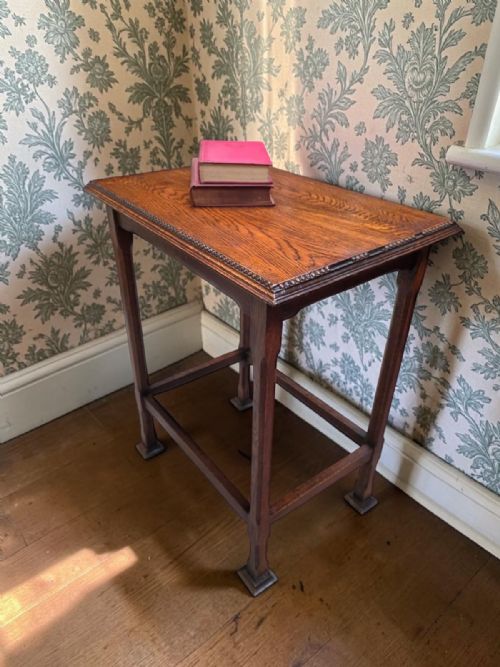
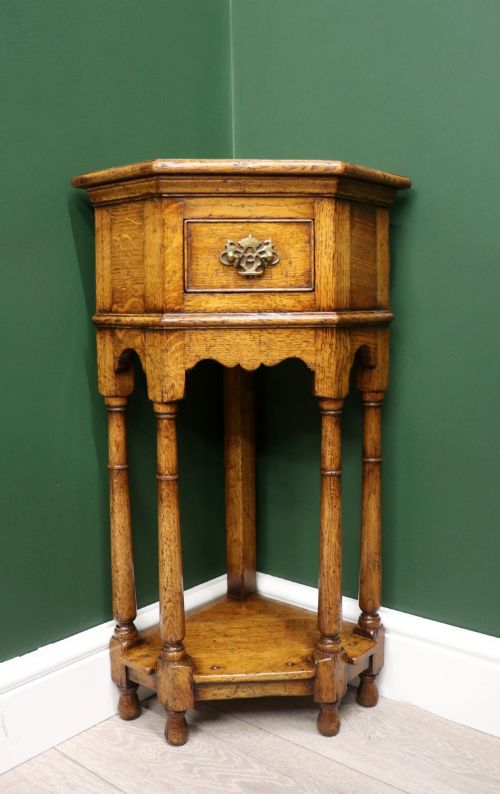
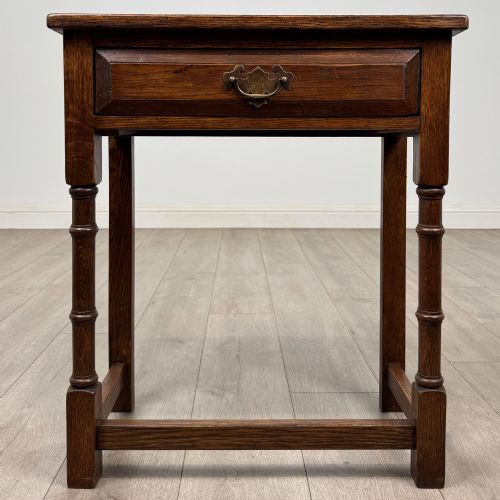
Solid Oak Hall Table
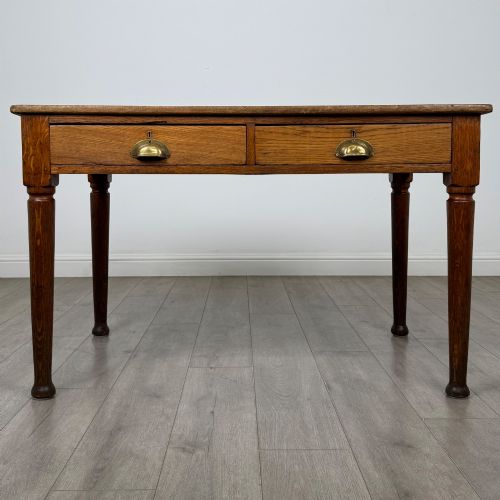
A solid oak hall table brings sturdy character and natural timber grain directly into an entranceway, offering a practical surface for daily use.
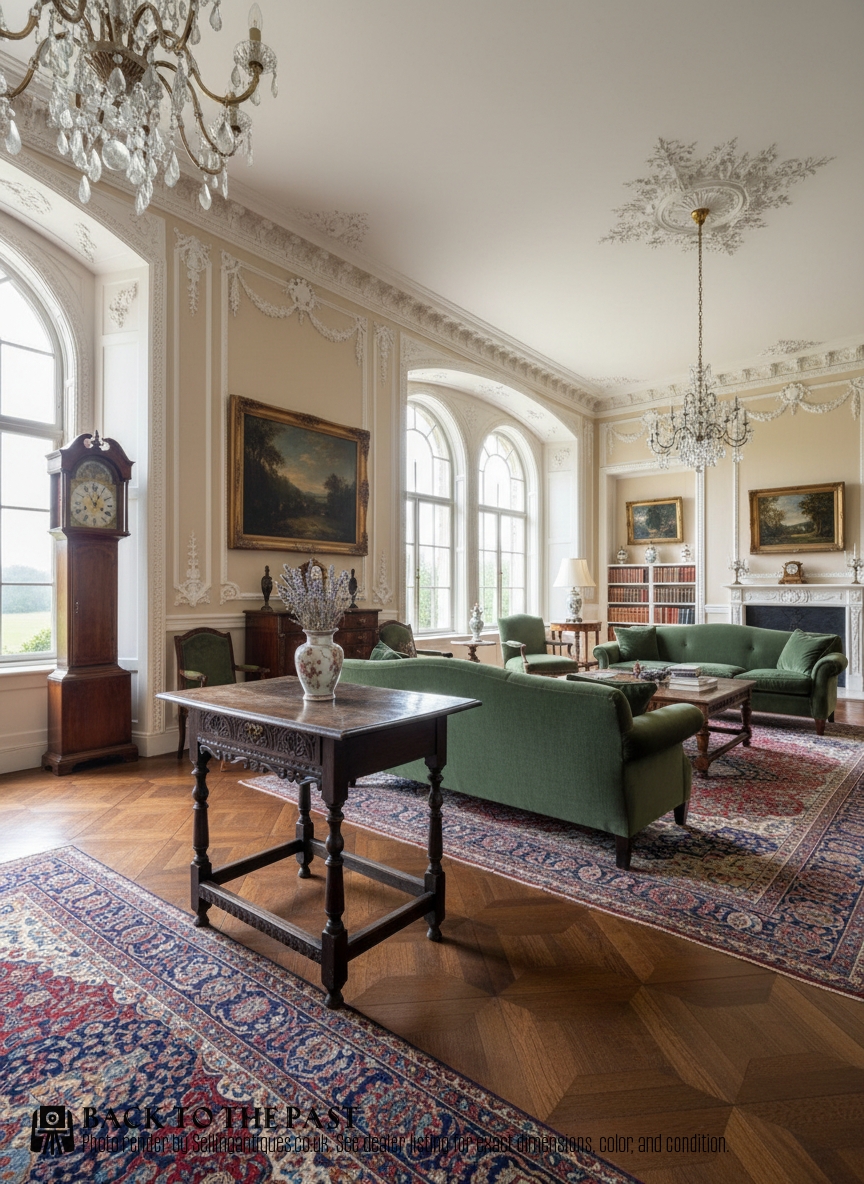
Identifying a solid oak hall table
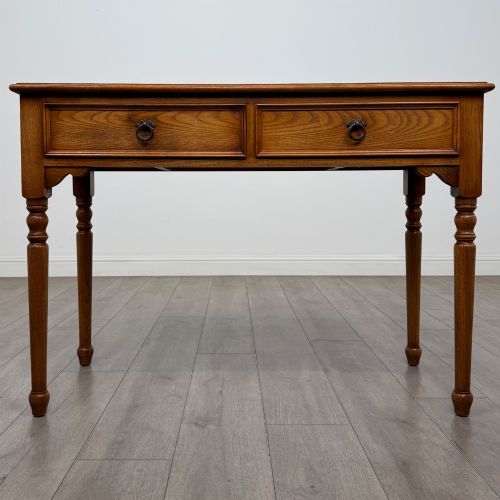
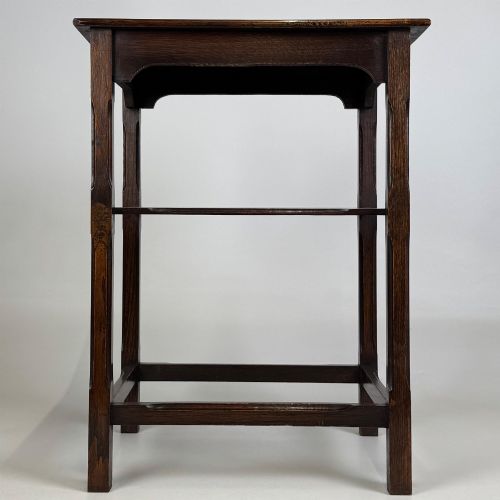
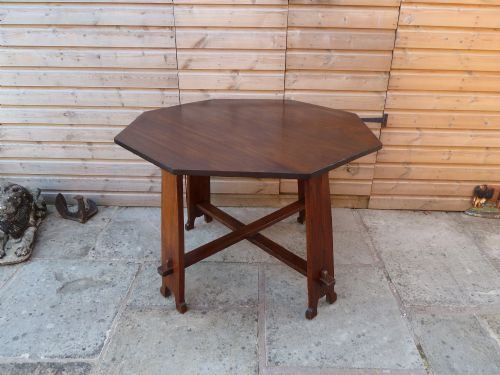
A solid oak hall table is a compact surface designed for narrow spaces, drawing upon forms such as side tables, centre tables, and console tables.
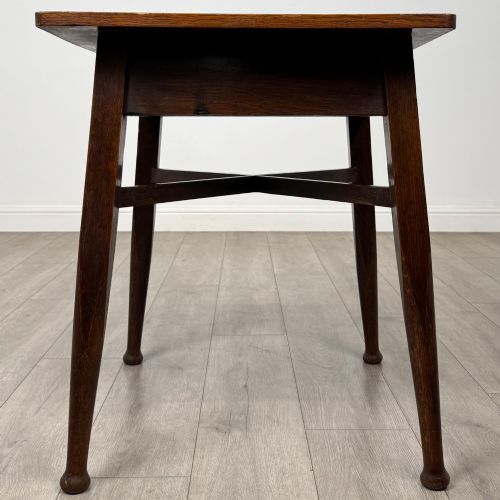
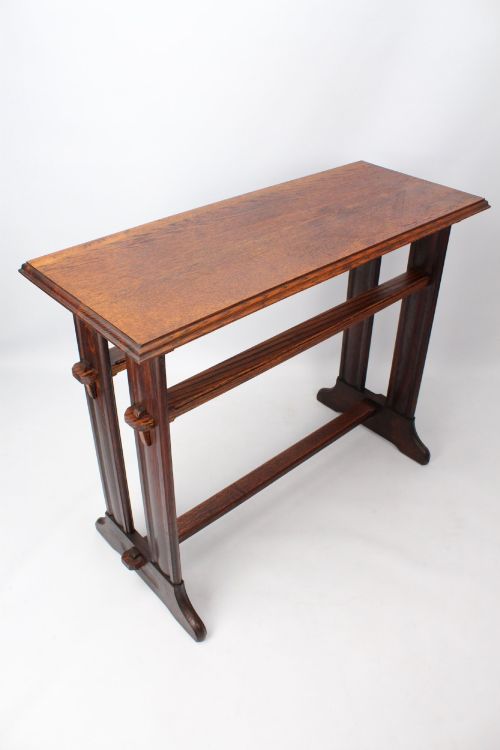
Buyers encountering this search phrase will most frequently find seventeenth-century, eighteenth-century, and nineteenth-century pieces alongside early twentieth-century Arts and Crafts examples.
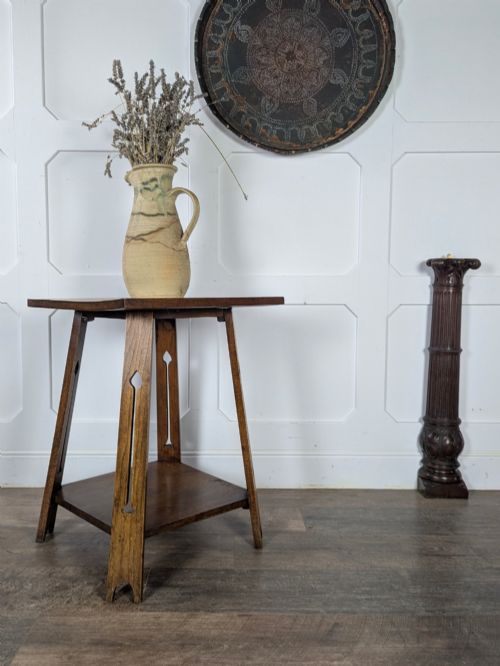
These items span styles from Georgian restraint and Jacobean gravity to the simpler lines of the Arts and Crafts movement, fashioned from durable British timber.
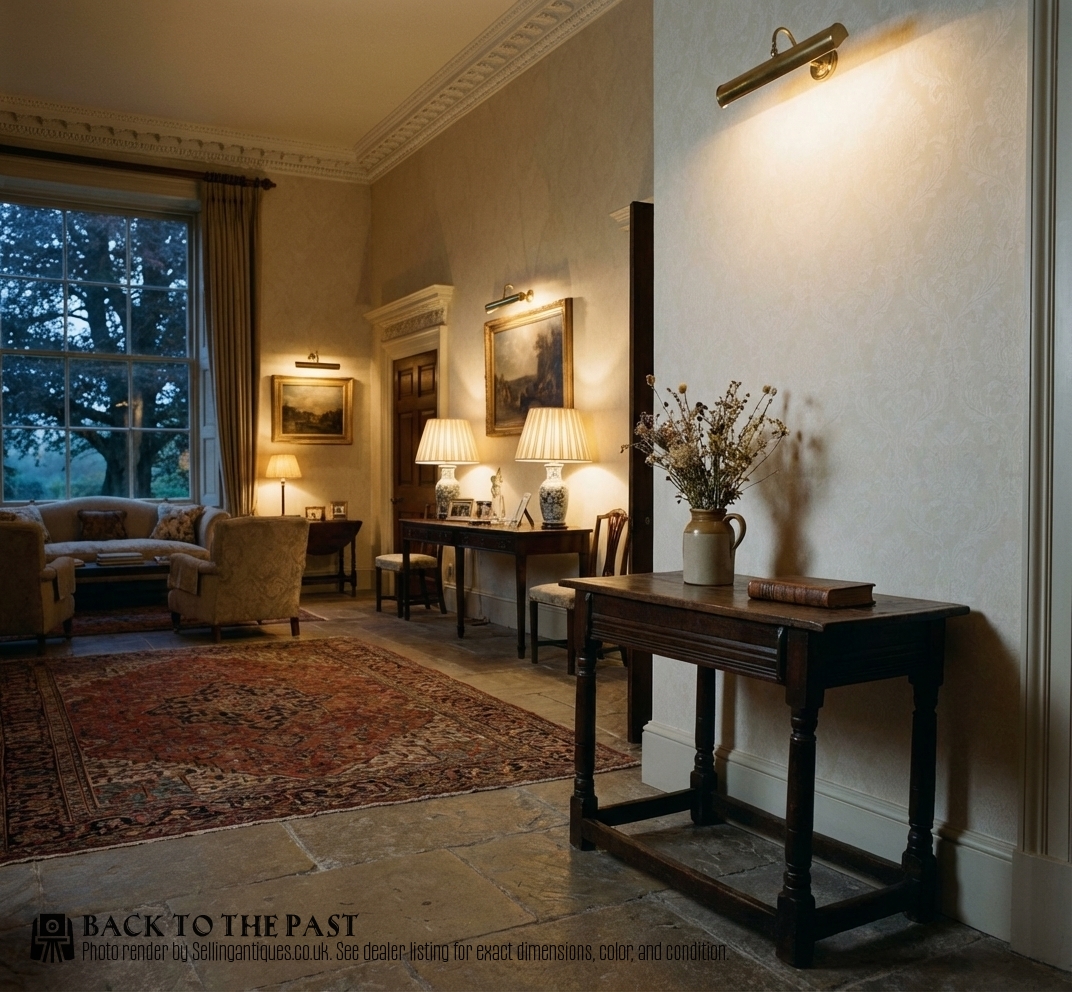
Construction and materials
The primary material across these pieces is solid oak, selected for its density and pronounced grain, frequently paired with iron and brass fixings.
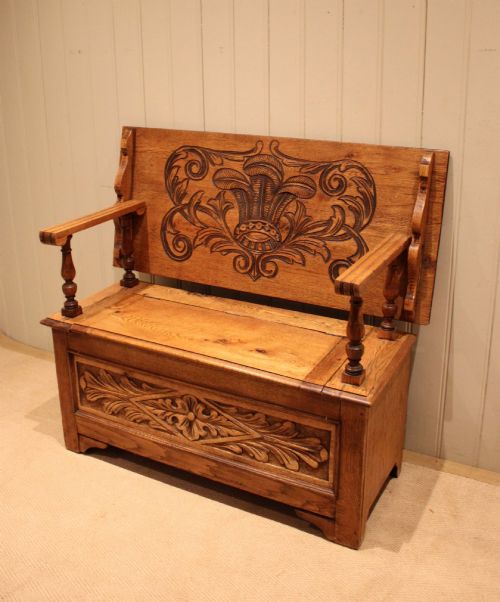
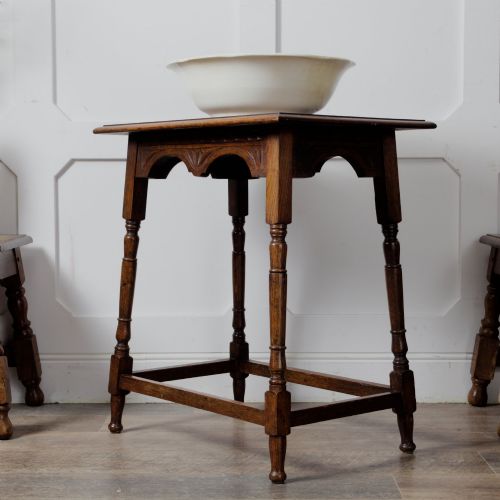
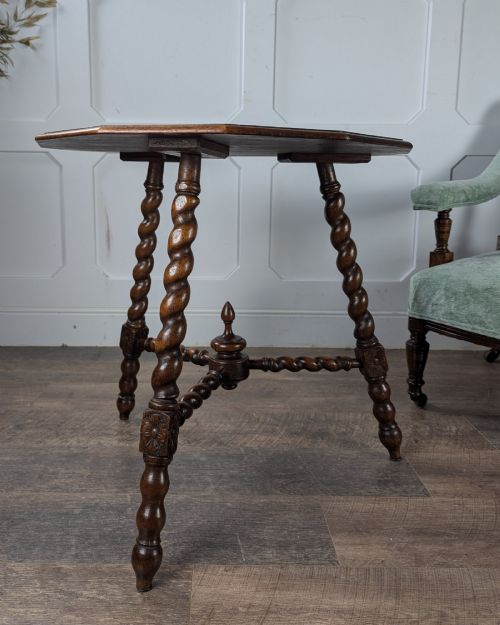
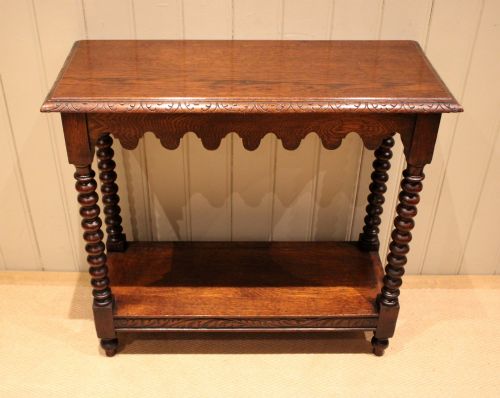
Joinery techniques rely on heavy timber framing, often incorporating carved ornamentation or turned legs such as barley twist supports depending on the period.
Retail Price Guide 2026
Typical UK retail prices for solid oak hall table, calculated from the Sellingantiques database of over a million retail prices indexed since 2003. This retail price guide relies exclusively on Sellingantiques data; no external sources or auction records are used, so the figures do not describe the wider market.
Some nineteenth-century halls evidently required telephone placement long before anyone anticipated the modern gadget.
Evaluating quality and design
Quality separates simple utility furniture from pieces displaying sophisticated period carving, balanced proportions, and careful timber selection.
The depth of patination on the oak surface and the integrity of the original construction dictate the distinction between ordinary workshop output and finer examples.
The Solid Oak Hall Table Glossary
- Solid oak
- Timber that is entirely oak throughout rather than veneered onto a secondary wood. This ensures maximum durability and a uniform grain structure.
- Centre table
- A freestanding piece designed to be viewed from all sides rather than pushed against a wall. These often feature finished backs and symmetrical detailing.
- Jacobean
- A British design style spanning the seventeenth century characterised by robust proportions, dark finishes, and geometric mouldings. It represents an era of heavy, architectural furniture.
- Arts and Crafts
- A movement originating in the late nineteenth century that emphasised manual skill and simple forms over mass production. Pieces from this period showcase honest construction methods.
- Patina
- The surface sheen and colour acquired by wood through age, light exposure, and handling. A deep patina indicates decades of use and proper maintenance.
Frequently Asked Questions
What periods do these tables come from?
The available selection spans several centuries, including seventeenth-century, eighteenth-century, and nineteenth-century examples alongside early twentieth-century pieces.
Craftsmanship naturally reflects the prevailing aesthetic of each era, ranging from heavy Jacobean carving to cleaner Arts and Crafts lines.
How do I use a hall table?
These narrow tables function well in entranceways and corridors as a landing space for everyday items without obstructing movement.
Their sturdy oak construction easily accommodates books, lamps, or decorative objects while anchoring the room's design.
Are these tables made of real oak?
Listings under this heading feature solid oak construction, avoiding veneered surfaces in favour of robust timber.
Additional materials like brass and iron often appear in the handles, hinges, and structural brackets.
What styles are available?
Surviving examples demonstrate a range of historical designs including Georgian, Jacobean, and Arts and Crafts aesthetics.
Each style employs distinct decorative elements, from simple rectangular profiles to turned legs and carved aprons.