



Small Walnut Sofa Table
These small walnut sofa table pieces are compact drop-leaf and occasional furniture items crafted in rich timbers, offering versatile surfaces for sitting rooms.
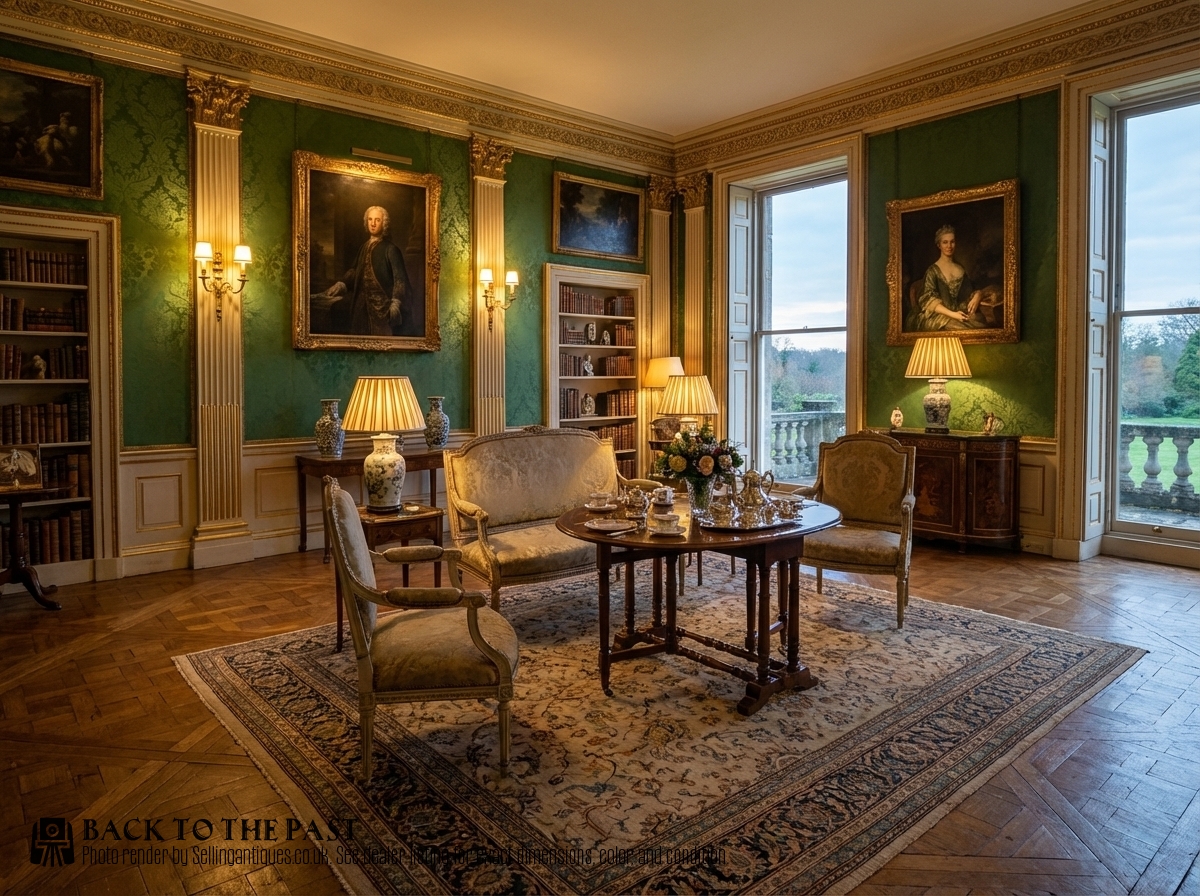
Small Walnut Sofa Table
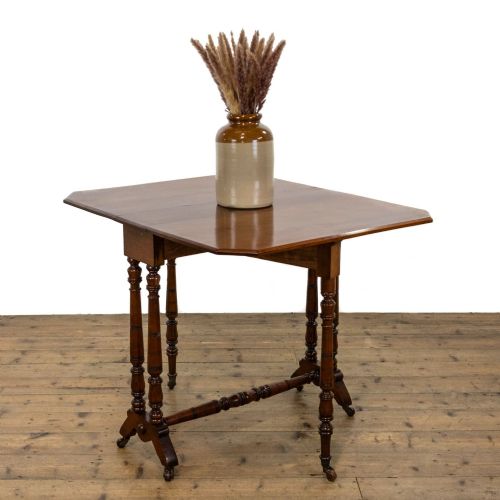
When you search for a small walnut sofa table, you encounter compact drop-leaf designs, Sutherland tables, and occasional side tables originating from the Victorian and Edwardian eras. These pieces typically feature folding leaves, slender legs, and warm wood tones suited to domestic spaces.
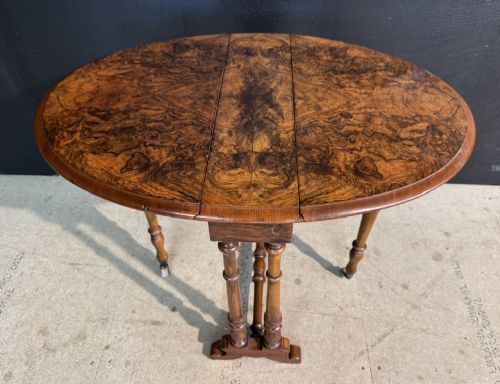
The version you meet most frequently on this page is the Victorian burr walnut Sutherland table, often described as a baby or miniature size due to its modest proportions. Alongside these, the listings encompass occasional tables, drop-leaf coffee tables, and lowboys spanning the eighteenth to the twentieth century.
How they were made
Carpenters utilised solid walnut and walnut veneer, frequently selecting highly figured burr walnut for table tops to showcase complex grain patterns. Wood inlay and marquetry occasionally adorn the surfaces, adding decorative detail to the drop leaves and central panels.
Structural joints rely on traditional cabinetry techniques, paired with functional brass hinges and castors that support the folding drop-leaf mechanisms. Secondary elements incorporate ceramic components and leather inserts where appropriate to the specific table form.
Small Walnut Sofa Table Retail Price Guide 2026
Typical asking prices for small walnut sofa table among the pieces listed under this phrase on Sellingantiques today, from the lower quarter to the upper quarter. They describe what is for sale here now, not the wider market.
Listings feature walnut, burr walnut, and walnut veneer across Victorian, Edwardian, and Georgian periods.
What varies in quality
The distinction between tiers rests primarily in the selection of the timber and the crispness of the cabinetry. Tables boasting richly figured burr walnut veneers and precise marquetry display a higher degree of initial craftsmanship than plain timber examples.
Integrity of the drop-leaf mechanism and the stability of the slender gate legs also differentiate standard production from finer workshop output. Original brass hardware and well-preserved surface patination elevate the standing of an individual piece.
The Small Walnut Sofa Table Glossary
- Burr walnut
- A specialised timber cut from the abnormal growth of a walnut tree, yielding swirling, highly decorative grain patterns prized by cabinet makers.
- Sutherland table
- A narrow drop-leaf table featuring exceptionally slender folding legs that support the leaves when raised, designed to fold down flat for storage.
- Drop leaf table
- A table with a fixed central section and hinged flaps on either side that can be raised or lowered to alter the surface area.
- Marquetry
- The art of applying pieces of veneer to a structure to form decorative patterns, frequently seen in floral or geometric motifs on tabletops.
- Lowboy
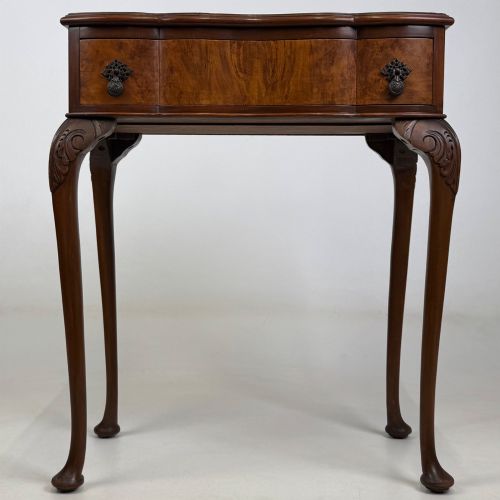
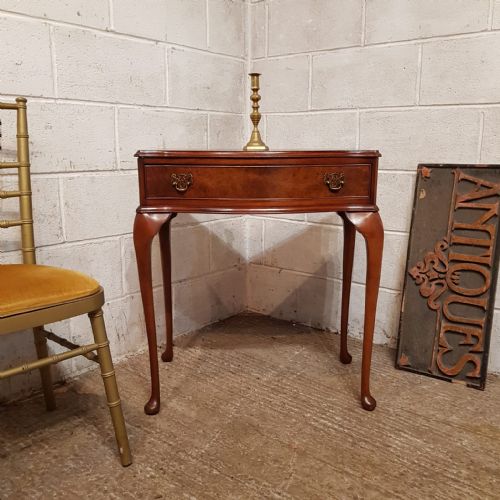
- A small eighteenth-century dressing or side table featuring one or more drawers beneath a flat top, supported by slender legs.
Small Walnut Sofa Table: Frequently Asked Questions
Where did they place a small walnut sofa table?
These pieces sat beside seating arrangements in reception rooms, providing a convenient surface for books, tea, or lamps without dominating the floor space.
Their folding drop leaves allowed homeowners to expand the surface area only when needed, making them adaptable for changing domestic requirements.
How do I care for walnut veneer?
Protect the polished surfaces from direct sunlight and excessive heat to prevent the walnut veneer from drying or fading over decades of use.
Apply a traditional beeswax polish sparingly and buff with a soft cloth to maintain the timber lustre without building up heavy residues.
Are these tables sturdy enough for daily use?
The slender gate legs and drop-leaf mechanisms on Sutherland and occasional tables require gentle handling rather than heavy weight loads.
While constructed from durable hardwood, their delicate proportions mean they function best as accent or side tables rather than heavy-duty furniture.
How can I distinguish Victorian from Edwardian pieces?
Victorian examples frequently display darker, highly figured burr walnut timbers paired with elaborate marquetry inlay or bobbin-turned supports.
Edwardian interpretations tend to exhibit lighter walnut tones and simpler, more restrained lines reflecting changing tastes at the turn of the century.