





Small Tribal Wall Rug
A small tribal wall rug brings ancient nomadic artistry and rich textures into modern interiors.
Small Tribal Wall Rug
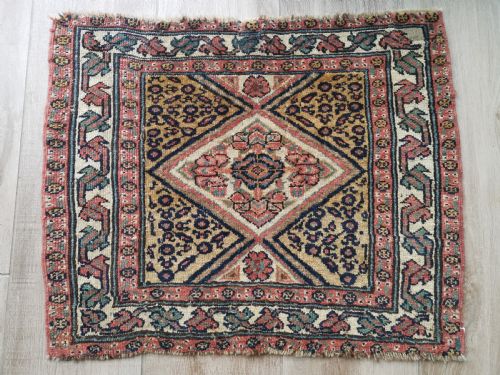
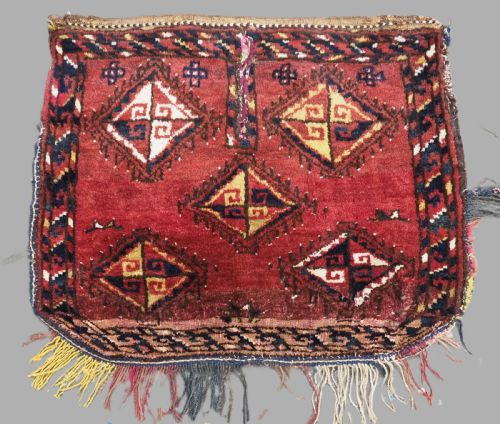
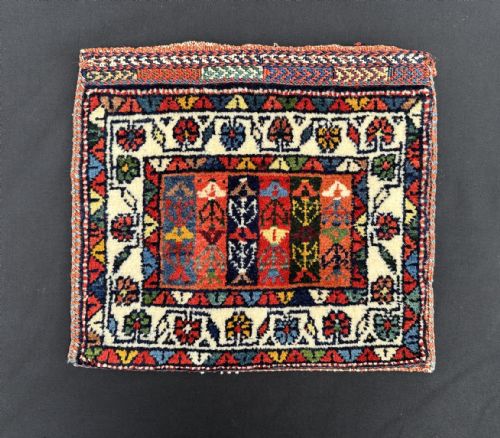
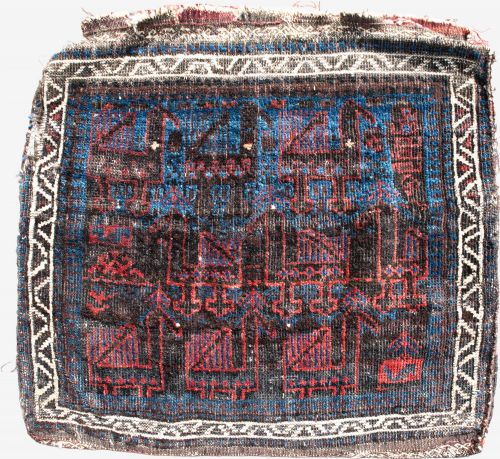
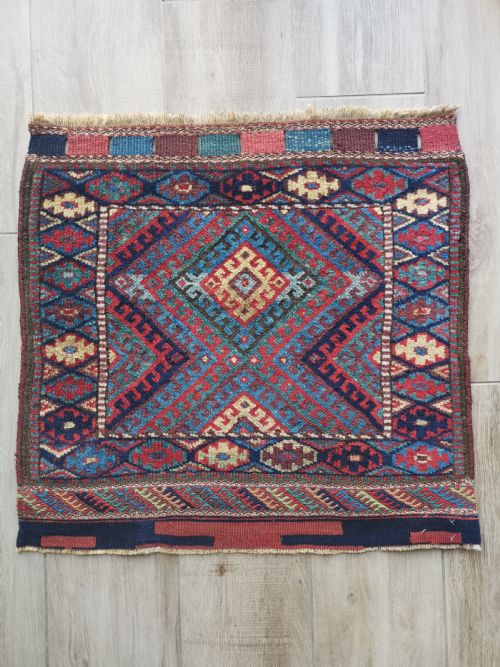
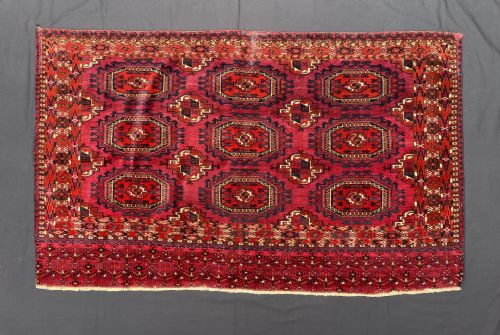
The versions most frequently encountered on this page include bagfaces and torba fragments from Turkmen groups, Afshar tribes, and Baluch weavers. These portable formats translate effectively to wall display due to their compact dimensions, geometric motifs, and saturated colour palettes. Each piece reflects the specific visual vocabulary and cultural heritage of the nomadic group that made it.
How they were made
These textiles rely principally on wool and hand-spun wool, often combined with cotton foundations or silk embroidery threads in specific regional types. Weavers sourced local animal fibres, spinning them by hand to produce durable yarns that absorbed dye unevenly in characteristic ways. This variation in yarn texture contributes significantly to the tactile depth of the surface.
Natural dyes provide the foundational palette, yielding deep madder reds, indigos, and earth tones that mellow gracefully over decades. Artisans knotted or embroidered these materials using traditional techniques passed down through generations, ensuring structural integrity alongside complex tribal iconography.
The listings span several decades of nomadic production, featuring wool, cotton, and silk materials across Persian, Turkmen, and Central Asian tribal traditions.
What varies in quality
Quality in these textiles rests upon the density of the weave, the precision of the knotting or embroidery, and the clarity of the design structure. Finer knotting permits sharper definition within geometric guls and floral motifs, distinguishing master weavers from standard village producers.
The vibrancy and stability of the palette also determine grade, with superior examples exhibiting rich, saturated natural dyes that retain their luminosity. Furthermore, the completeness of the design field and the preservation of original side cordings and borders elevate the standing of an individual textile.
The Small Tribal Wall Rug Glossary
- Torba
- A small Turkmen storage bag traditionally used inside a tent for holding household goods or personal items. These pieces frequently feature characteristic guls and wide elem panels.
- Chanteh
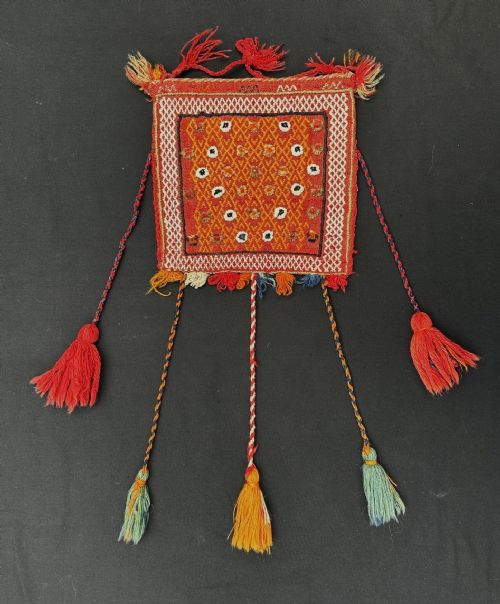
- A small nomadic personal bag or vanity bag woven on a narrow vertical loom. Collectors prize them for their intimate scale and concentrated tribal designs.
- Gul
- A primary medallion or repeating octagonal motif used extensively in Turkmen and Central Asian carpet weaving. Each pattern often identifies a specific tribe or clan.
- Chuval
- A large tent-storage bag produced by Turkmen and other nomadic groups for bedding and clothing. Surviving fragments often display exceptional primary guls.
- Sofreh
- A flatwoven spread or cloth used during communal meals or for processing bread dough. These utility textiles often showcase striking minimalist or geometric compositions.
Small Tribal Wall Rug: Frequently Asked Questions
How were tribal bags used originally?
Nomadic groups utilised these woven pieces as functional containers for storage, transport, and daily domestic life within portable tents.
Items such as torbas and chantehs held personal possessions, bedding, or provisions while serving as decorative elements of the tribal interior.
How do you hang a small rug on the wall?
Mounting requires a method that distributes the weight evenly without puncturing or damaging the antique wool and cotton foundation.
Conservators often recommend hand-stitching a cotton sleeve or strip of Velcro to the reverse edge so the textile hangs flat against the wall.
How can I tell different tribal designs apart?
Distinctions rely on specific structural motifs, such as the repeating octagonal guls characteristic of Turkmen weaving or the intricate field patterns of Afshar bagfaces.
Colour combinations and border arrangements also offer strong indicators of the specific regional group or confederacy responsible for the weaving.
Are these textiles made from natural materials?
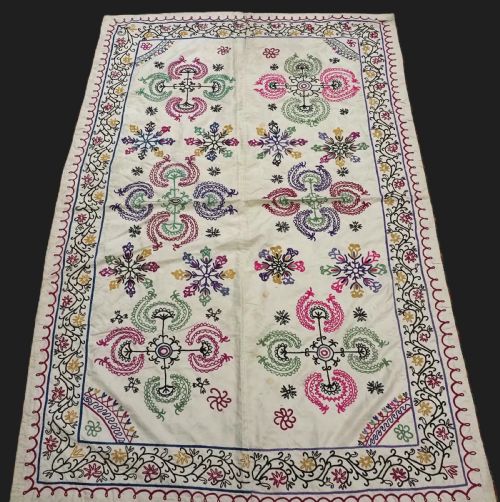
Authentic pieces consist primarily of hand-spun sheep wool, sometimes paired with cotton foundations and occasional silk highlights in specific regional suzanis.
Colour comes from traditional natural dye sources, including madder root and indigo, which create the characteristic muted tones seen in nineteenth-century examples.