

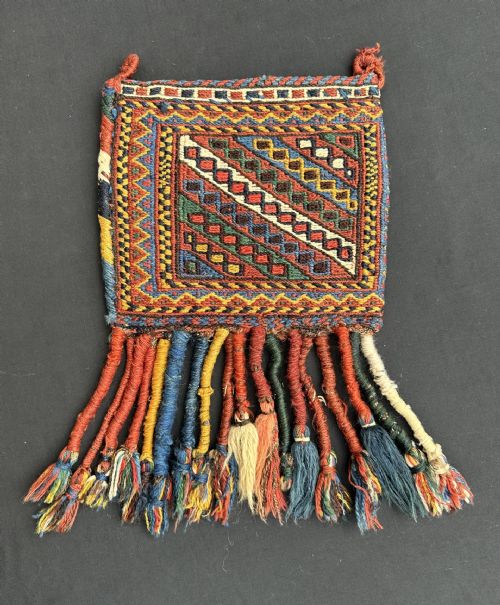


Vintage Oriental Saddlebag
These vintage oriental saddlebag examples are woven tribal textiles of hand-spun wool and natural dyes that bring nomadic history into modern rooms.
Vintage Oriental Saddlebag
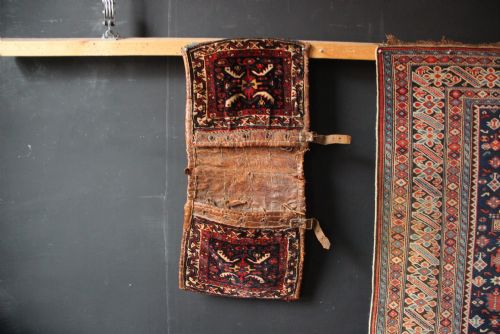
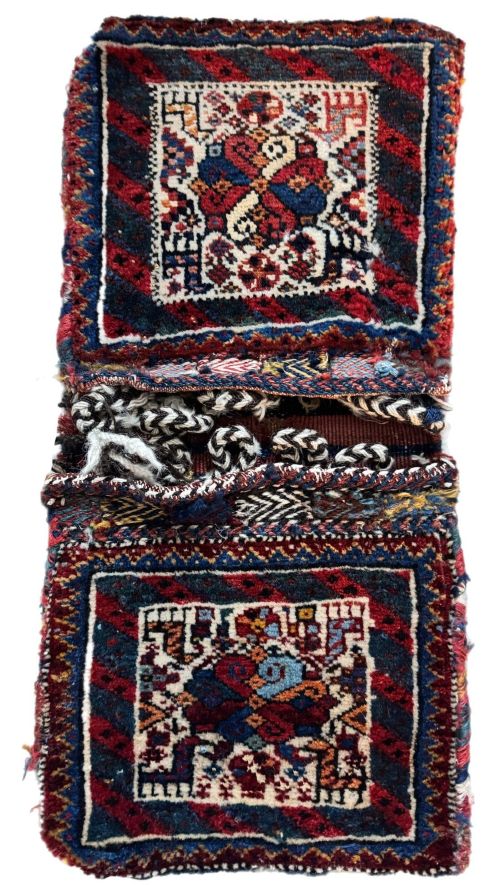
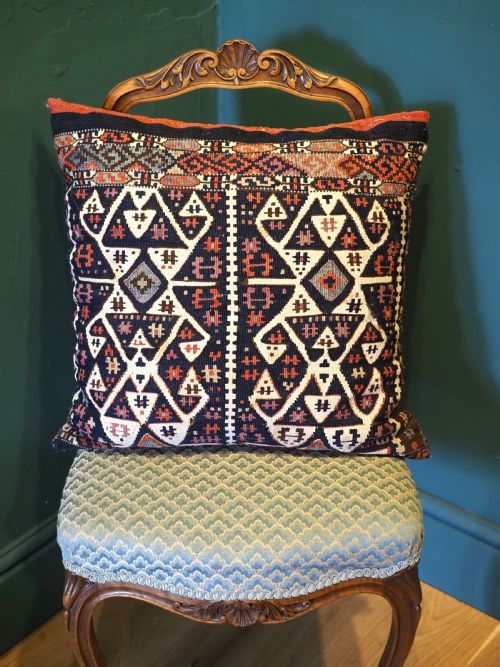
A vintage oriental saddlebag represents practical nomadic storage turned into textile art, originating from Persian, Anatolian, and Caucasian tribal groups. Buyers searching for a vintage oriental saddlebag encounter functional bagfaces, complete pairs with plain weave backs, and cushion conversions.
The material evidence spans from the mid-nineteenth century to the early twentieth century, showing distinct regional weaves such as Shahsavan sumac, Kurdish pieces, and Afshar nomadic work. These items function today as wall hangings, floor pieces, or decorative pillows within domestic spaces.
How They Were Made
Weavers relied on hand-spun wool and sturdy cotton foundations, securing structural integrity for daily nomadic travel and heavy use. Natural dyes supplied the characteristic palette found across these tribal textiles, yielding rich tones that age gracefully.
Techniques varied from flat-woven kilim and sumac structures to knotted pile constructions, depending on the specific tribe and intended function of the bag. Artisans integrated leather elements on select pieces to reinforce stress points where carrying straps attached.
Vintage Oriental Saddlebag Retail Price Guide 2026
Typical asking prices for vintage oriental saddlebag among the pieces listed under this phrase on Sellingantiques today, from the lower quarter to the upper quarter. They describe what is for sale here now, not the wider market.
Pack animals carried these bags across rugged terrain, occasionally leaving behind authentic desert dust embedded deep within the wool.
What Varies in Quality
Quality rests upon the tightness of the weave, the clarity of the natural dye palette, and the preservation of original edges and backs. Pieces retaining complete formats or balanced tribal designs stand apart from heavily worn fragments.
The intricacy of regional motifs, such as detailed boteh designs or precise sumac work, distinguishes standard utilitarian output from superior nomadic weaving. Condition plays a role, though minor field repairs often reflect authentic indigenous use rather than manufacturing flaws.
The Vintage Oriental Saddlebag Glossary
- Bagface
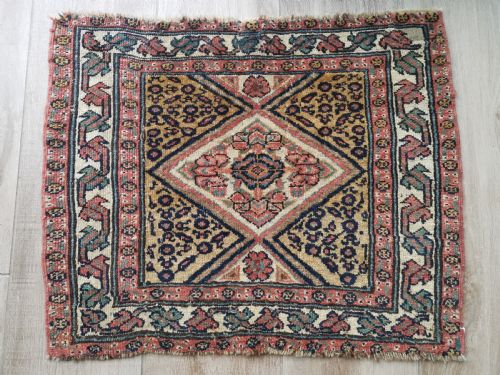
- The decorative front panel of a traditional storage pouch, usually preserved as an independent display piece after the back wears away. These panels showcase the primary weaving skill and tribal iconography.
- Kilim
- A flat-woven textile produced without a pile by tightly interweaving warp and weft threads. This technique creates a lightweight yet durable fabric common in nomadic saddle construction.
- Sumac
- A wrapped-weft flat-weaving technique that produces a textured surface resembling embroidery. Shahsavan weavers utilised this method to add structural rigidity and complex geometric patterns.
- Khorjin
- The traditional Persian term for a double-sided saddlebag used for transport on pack animals. Complete sets feature two pouches joined by a central web.
- Boteh
- A recurring almond-shaped motif with a curved upper end, symbolizing life and eternity in oriental textiles. Afshar and other tribal weavers frequently incorporated this design into field patterns.
Vintage Oriental Saddlebag: Frequently Asked Questions
How were original saddlebags used?
Nomadic tribes utilised these double pouches draped over pack animals to transport household goods, grain, and personal possessions during seasonal migrations.
The sturdy construction protected contents from weather and rough terrain while moving across Anatolian and Persian landscapes.
Where should I place a saddlebag?
Complete sets and bagfaces suit low-traffic floor areas, display as wall hangings, or serve as cushion covers on seating.
Keeping textiles away from direct sunlight preserves the natural dyes and hand-spun wool fibres over decades of domestic use.
How do I identify tribal origins?
Specific geometric motifs, structural weaving methods, and colour palettes point directly to particular groups like the Afshar, Shahsavan, or Kurdish tribes.
Examining the border arrangements and foundation materials helps separate Anatolian production from Persian workshops.
What is a bagface?
A bagface is the ornamented front of a larger storage pouch that survived separately after the plain back deteriorated from friction against pack animals.
Collectors often frame or mount these panels to appreciate the concentrated tribal artistry without needing the full bag structure.