




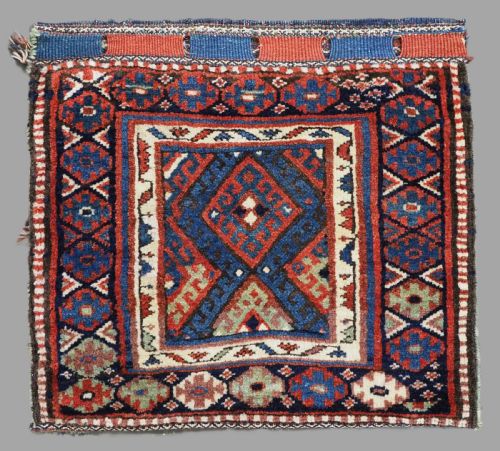


Antique Woven Khorjin
These antique woven khorjin are traditional nomadic saddlebags and bag faces woven for practical transport by tribal groups across Persia and the Caucasus.
Antique Woven Khorjin
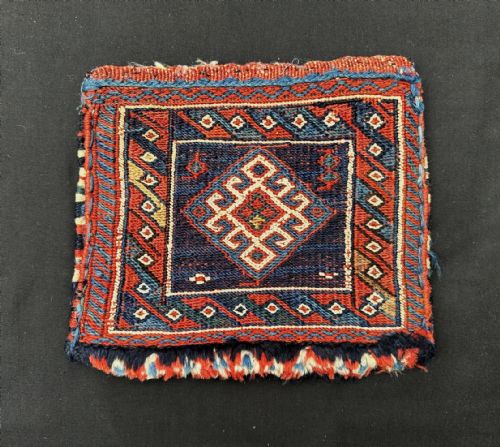
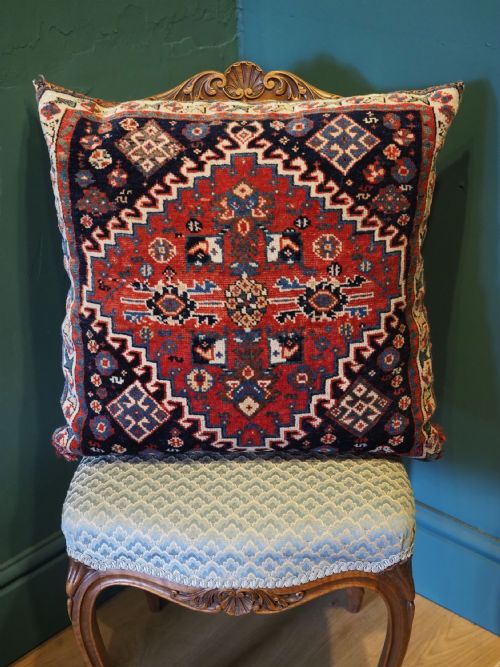
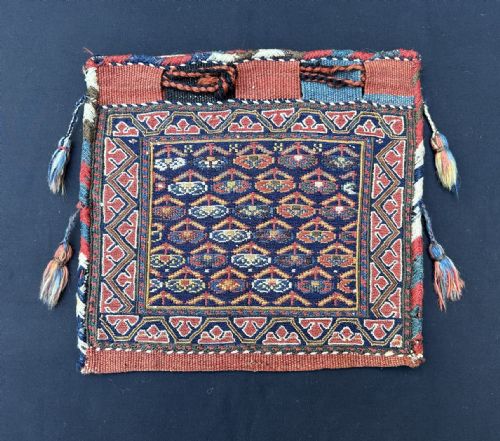
You are most likely to meet surviving fragments and single bag faces on this page, often adapted into cushions or displayed as flat textiles. Complete double bags with their original plain-weave backs and connecting webs appear less frequently.
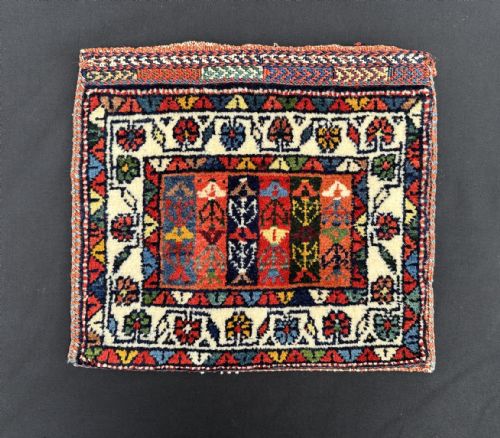
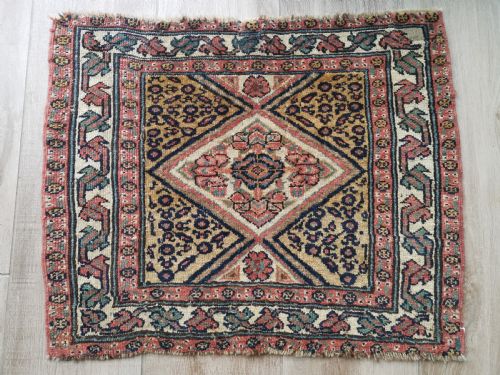
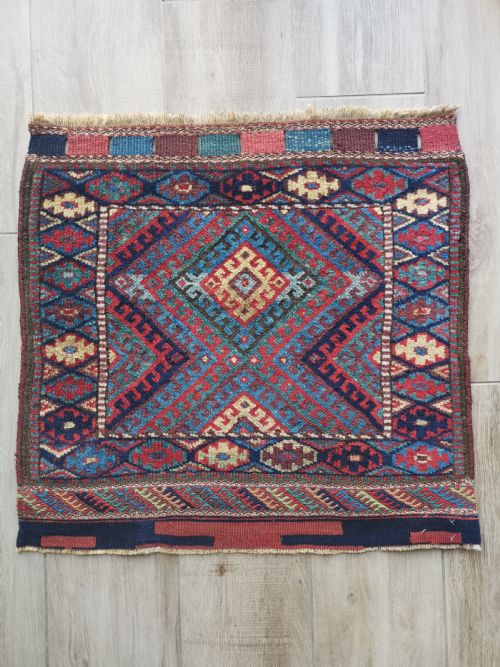
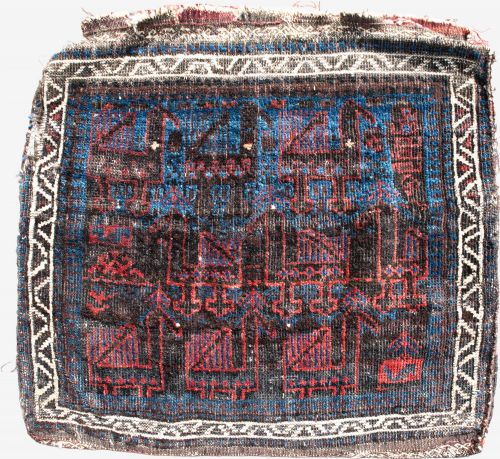
The pieces originate from specific tribal groups, including the Qashqai, Afshar, Shahsevan, Baluch, and Jaf Kurd. Each group brought distinct geometric or pictorial motifs tied to their regional weaving traditions.
Materials and construction
Weavers relied principally on hand-spun wool for the pile and foundation, supplemented by cotton for structural warps and goat hair for durable edges and backs. Natural dyes provide the palette, yielding deep madder reds, indigos, and earthy tones that age with considerable depth.
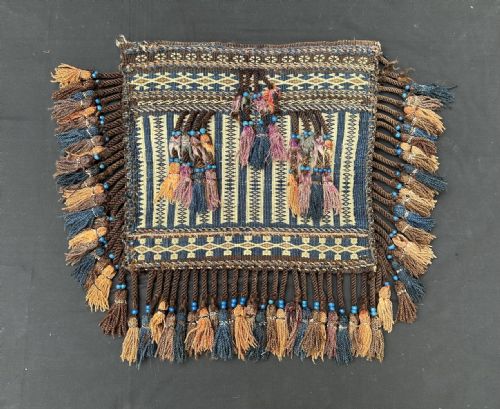
Construction techniques combine symmetric and asymmetric knotting for plush pile surfaces with flatweave soumac and plain-weave structures for backs and sides. Certain pieces incorporate supplementary embellishments such as cowrie shells, glass beads, and braided tabs.
Antique Woven Khorjin Retail Price Guide 2026
Typical asking prices for woven khorjin among the pieces listed under this phrase on Sellingantiques today, from the lower quarter to the upper quarter. They describe what is for sale here now, not the wider market.
The inventory spans the mid-nineteenth century through the early twentieth century, encompassing tribal output from West Persia, South Persia, and Azerbaijan.
Markers of quality
Quality rests upon the fineness of the knotting, the handling of the wool, and the clarity of the dye palette. Tightly packed knots and resilient hand-spun wool create a crisp graphic definition in the tribal motifs.
The survival of original structural elements, such as complete back panels, closure loops, and untouched side cords, elevates an example. Pieces displaying deliberate balance in proportion and deeply saturated natural colours occupy the upper tier of the range.
Qashqai Tribes·Afshar Nomads·Shahsavan Nomads·Baluch Tribes·Luri Tribes
The Antique Woven Khorjin Glossary
- Khorjin
- A traditional double saddlebag used by nomadic tribes for transport and storage. These bags were slung across pack animals and feature two compartments connected by a central web.
- Bagface
- The decorative pile-woven front of a saddlebag. Collectors often preserve and frame these sections after the connecting webs and plain-weave backs have perished.
- Soumac
- A wrap-around flatweave technique that produces a durable, textured surface resembling embroidery. Shahsavan weavers utilised this method extensively for structural bag faces.
- Boteh
- A stylised almond or paisley motif representing a bush or floral sprout. This symbol appears frequently across Afshar and Kurdish tribal weaving.
- Sumac
- An alternative spelling for soumac flatweave construction. It describes the wrapping of coloured weft threads over and under the warp threads.
Antique Woven Khorjin: Frequently Asked Questions
What is a khorjin used for?
Nomadic groups utilised khorjin as pack animals' saddlebags to carry belongings during seasonal migrations. They served to store household goods, bedding, and provisions inside tribal tents.
Today, surviving examples function as decorative wall hangings, table runners, or floor rugs. Many bag faces are also converted into small cushions for domestic display.
How do I tell different tribal designs apart?
Weavers from distinct regions embedded specific visual codes into their textiles. Shahsavan pieces often display precise soumac geometric patterns, while Afshar bags frequently feature angular boteh motifs and deep indigo fields.
Qashqai examples tend toward rich madder red grounds with stylised animal and floral forms. Baluch pieces generally present darker palettes with repeat tile or bird designs.
Are complete double bags common?
Complete double saddlebags with both original bag faces, connecting webs, and plain-weave backs survive in smaller numbers than single bag faces. Many were intentionally separated during their working life to double the usable items.
Finding a complete khorjin with intact backs offers insight into the original utilitarian structure. These intact pieces require careful mounting if displayed flat.
How do I care for antique tribal bags?
Protect these textiles from direct sunlight to prevent natural dyes from fading over time. Gentle vacuuming with a mesh screen attachment removes dust without pulling at hand-spun wool.
Avoid excessive moisture and consult a specialist textile conservator for cleaning. Rotating the placement periodically ensures even wear across the surface.