




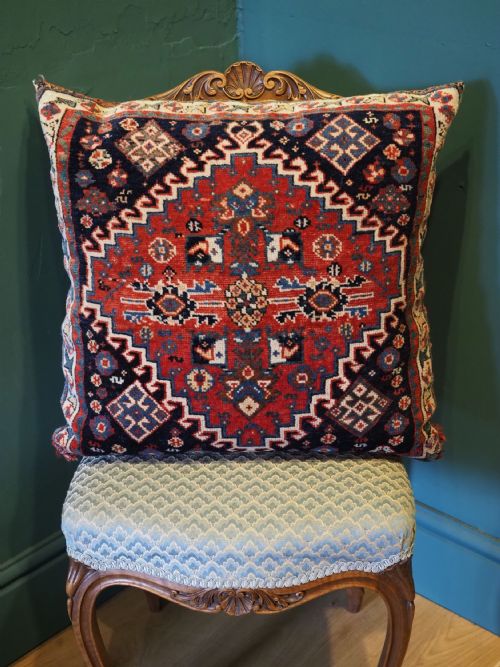
Red Navy Tribal Rug
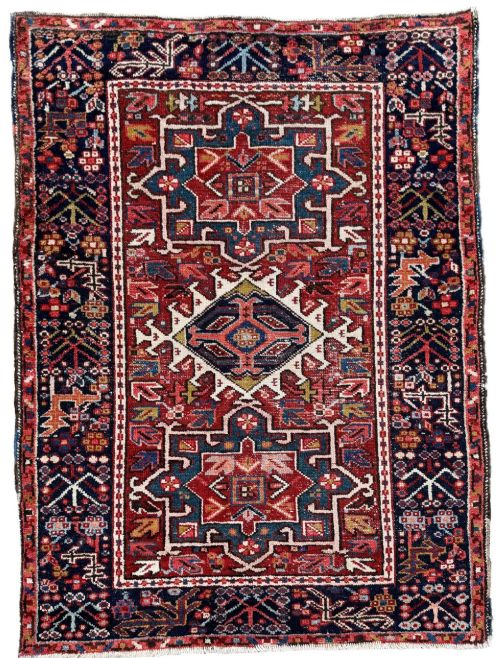
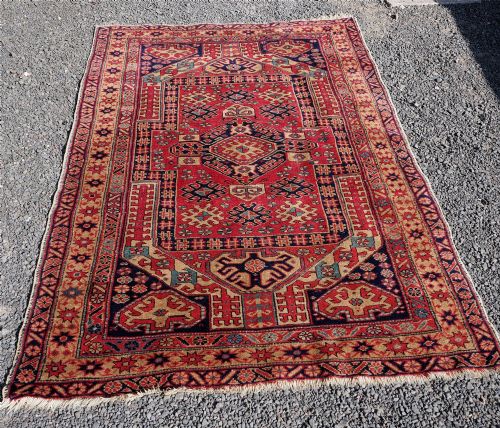
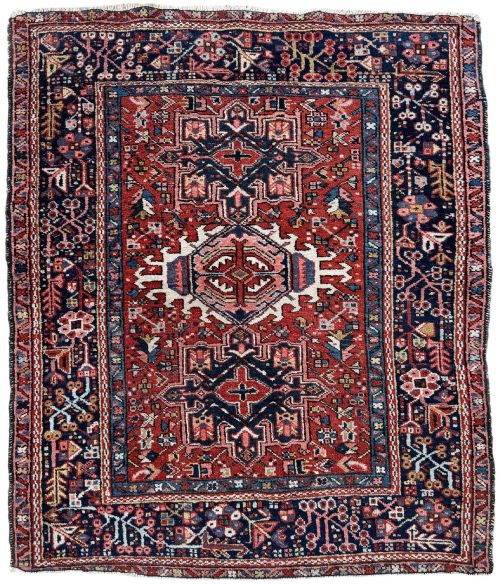
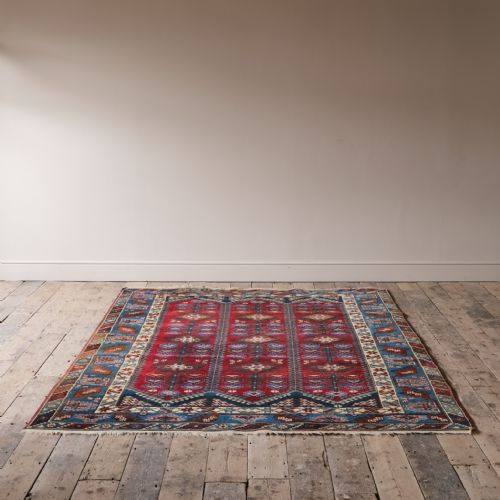
When you search for a red navy tribal rug, you find hand-knotted village and nomad weaving that brings deep indigo and madder warmth to a floor.
Red Navy Tribal Rug
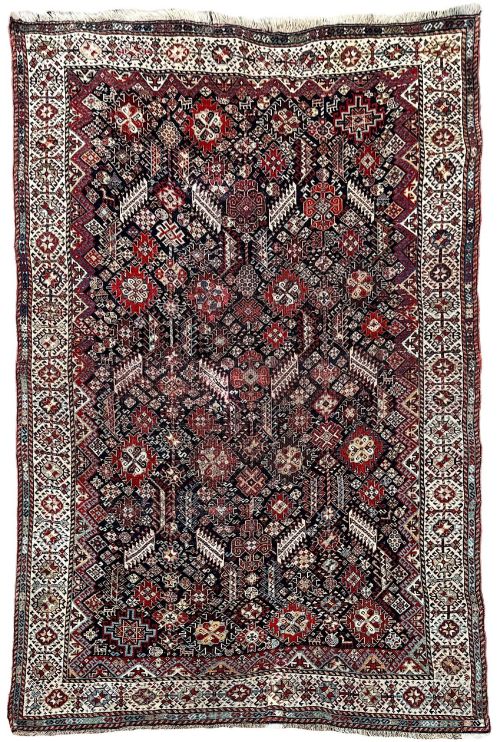
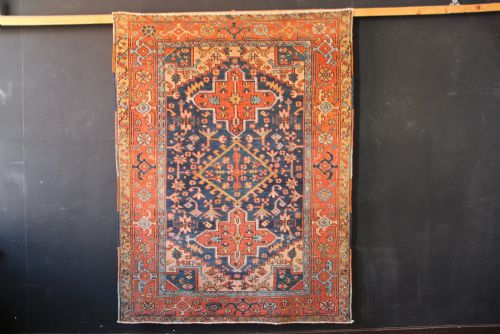
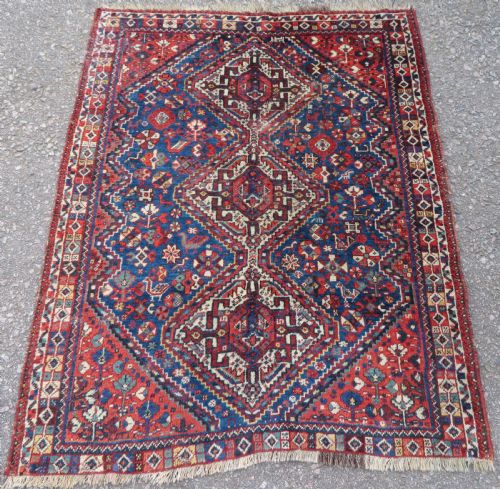
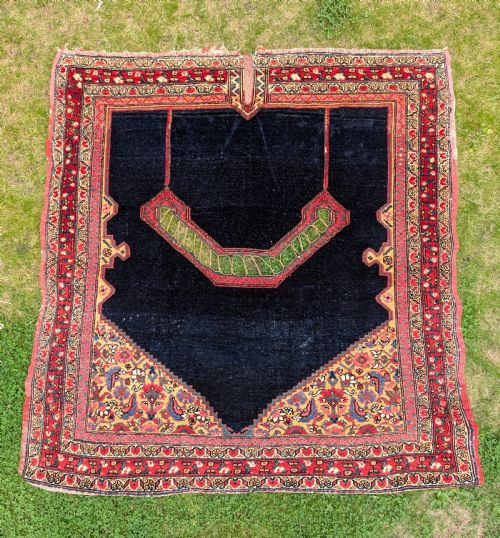
A red navy tribal rug brings together the bold geometric patterns of Persian, Caucasian, and nomadic weavers from the nineteenth and early twentieth centuries. These pieces encompass various formats, from small area carpets and runners to saddlebags and prayer rugs, reflecting the utilitarian needs of nomadic life.
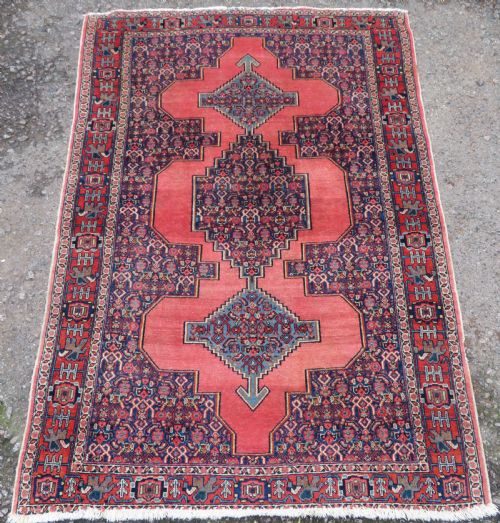
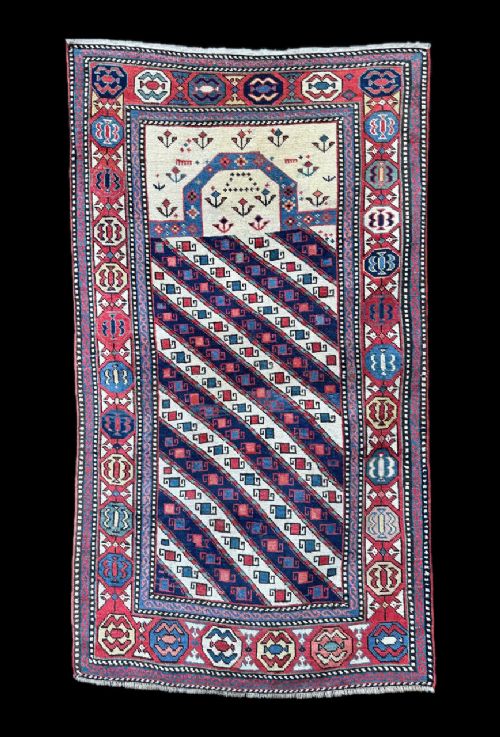
The most common examples on this page hail from Persian and Caucasian regions, spanning periods from the mid-nineteenth century up to the 1930s. Weavers utilised traditional motifs such as medallions, prayer niches, and repeating field patterns executed in deep indigo navy and striking reds.
Materials and construction methods
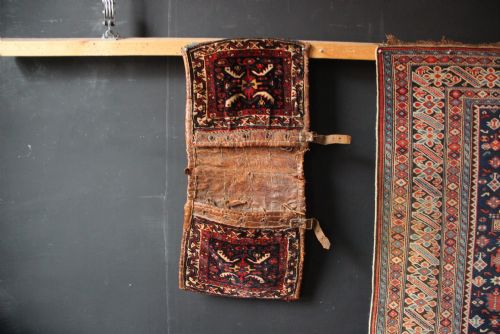
These textiles rely primarily on wool pile hand-knotted onto cotton or wool foundations, occasionally incorporating leather elements on utilitarian items like saddlebags. Hand-spun wool provides the tactile foundation, absorbing dyestuffs with varied saturation across the surface.
Makers employed natural dyes to achieve the characteristic red and navy palettes seen throughout the inventory. The interaction between hand-spun fibres and natural colouring agents creates the subtle abrash and tonal shifts inherent in these woven works.
Red Navy Tribal Rug Retail Price Guide 2026
Typical asking prices for red navy tribal rug among the pieces listed under this phrase on Sellingantiques today, from the lower quarter to the upper quarter. They describe what is for sale here now, not the wider market.
Nomadic weavers frequently incorporated stray camel hairs and accidental animal footprints directly into the wool pile of their working carpets.
What separates the finest examples
Quality rests in the precision of the knotting and the clarity of the tribal motifs. Tighter structures and more articulate drawing of geometric lines elevate an item within its group.
The depth and brilliance of the natural dyes play a vital role in an piece's visual impact. Age and wear also influence character, where surface distress can soften the palette without compromising the structural integrity of the weave.
The Red Navy Tribal Rug Glossary
- Abrash
- A variation in colour tone caused by changes in dye batches or hand-spun wool lots during weaving. This phenomenon creates subtle horizontal bands of shading across the rug.
- Khorjin
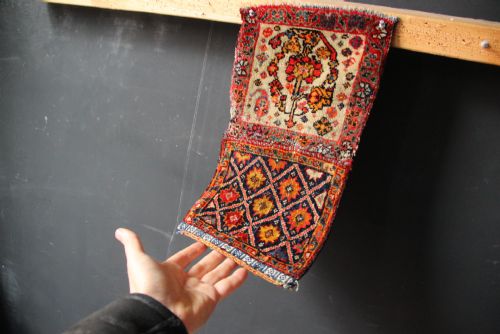
- The traditional Persian term for saddlebags woven as a paired set for transport on animals. These often survive as individual sections or cushions.
- Medallion
- A large central ornamental design motif placed in the field of a rug. It anchors the geometric composition typical of tribal weaving.
- Prayer rug
- A small format textile featuring a mihrab or arch design indicating the direction of prayer. These were utilised for personal devotion by nomadic and village populations.
- Kelleh
- A long, narrow format carpet traditionally used in Middle Eastern reception rooms. They offer extended proportions distinct from square area rugs.
Red Navy Tribal Rug: Frequently Asked Questions
How do I identify a tribal rug?
Tribal rugs display geometric patterns, stylised animals, and memory-based designs rather than formal court curves. They originate from nomadic or village workshops rather than large urban manufactories.
Look for asymmetric designs, saturated madder reds, and deep navy fields that reflect the maker's local surroundings and tribal heritage.
What is a saddlebag rug?
Saddlebag rugs are functional items woven by nomads to carry belongings on pack animals. They often feature reinforced sides and multiple compartments designed for practical utility.
Today these pieces survive either intact as paired bags or separated into smaller cushions and front panels for domestic display.
How do I care for an old wool rug?
Protect your textile by placing it in low-traffic areas and using a quality underlay to prevent sliding and friction. Vacuum gently with the suction attachment rather than a rotating brush.
Keep the piece away from direct sunlight to preserve the natural dyes, and consult a specialist rug cleaner for periodic maintenance.
How are periods dated?
Dating relies on structural analysis, wool consistency, and dye characteristics. Natural dye palettes and hand-spun wools generally point to nineteenth or early twentieth-century origins.
Design styles, knot counts, and edge finishes help place items within specific decades or broader centuries recorded in the inventory.