


Small Red Anatolian Rug
A small red anatolian rug brings concentrated village history and rich madder dye to a floor, grounding a room with centuries of Anatolian textile tradition.
Small Red Anatolian Rug
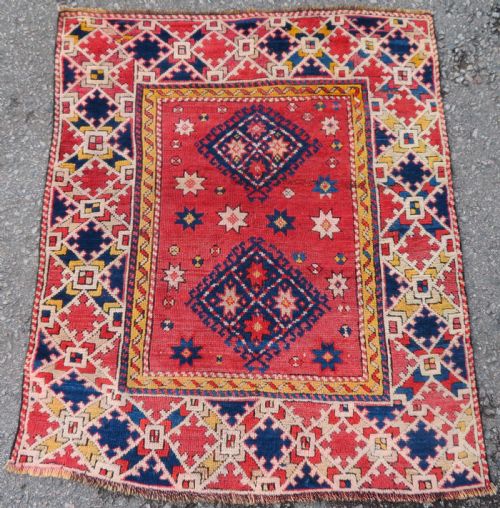
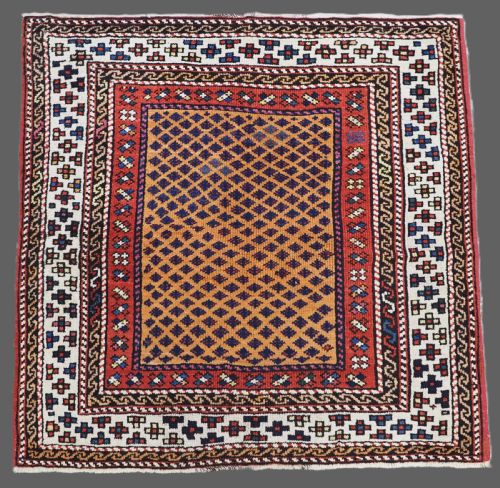
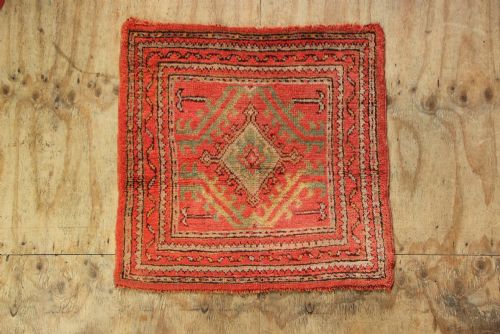
A small red anatolian rug embodies the village and town weaving traditions of nineteenth and early twentieth-century Anatolia, spanning formats like compact area pieces and square village formats. Buyers seeking this phrase encounter regional weaves from Bergama, Konya, Milas, and Kirsehir, often featuring geometric medallions or prayer mihrabs.
The selection ranges from early nineteenth-century tribal works to later village productions from 1930, capturing authentic Turkish regional identities. Most pieces use portable dimensions well suited to accent spaces, anchoring hallways and studies with traditional motifs.
What varies in quality
Quality rests in the precision of the knotting and the depth of the palette, where saturated hand-spun wool displays subtle abrash and tonal shifts across the field. Superior examples maintain crisp execution of geometric motifs, lattice designs, and prayer mihrabs without distortion in the border proportions.
The integrity of the wool pile and the original side cordings dictate the preservation state, while the handled softness of the foundation reveals the quality of the initial materials.
Listings span periods from the early nineteenth century through to 1930, constructed predominantly from wool, cotton, and hand-spun wool.
The Small Red Anatolian Rug Glossary
- Mihrab
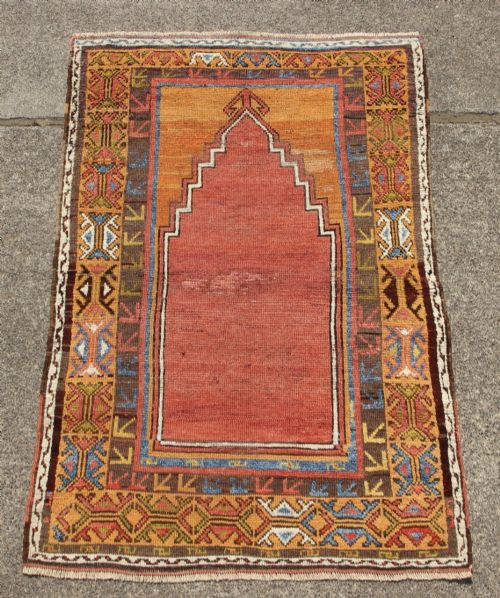
- The arched niche design found on prayer rugs, directing the supplicant towards Mecca. This architectural motif dominates many Konya and Kirsehir village pieces.
- Abrash
- Natural variations of colour within a single dye batch, caused by slight batch changes in hand-spun wool. It adds organic depth to antique tribal carpets.
- Medallion
- A central decorative motif placed in the field of the rug, often repeating star or geometric shapes. Bergama and Yahyali village weavers utilised this layout frequently.
- Pile
- The upright yarn surface formed by the knotted ends of wool threads. Pile height varies from low-clipped urban pieces to thicker village examples.
Small Red Anatolian Rug: Frequently Asked Questions
Where were these rugs made?
These textiles originate from various regions across Anatolia, including specific weaving centres such as Bergama, Konya, Milas, Kirsehir, and Oushak. Each district developed distinct geometric or floral repertoires.
Village and nomadic weavers produced these pieces for domestic use and local trade, incorporating regional designs passed down through generations.
How do I care for an antique rug?
Protect the wool fibres by vacuuming gently without a rotating beater bar, and keep the piece out of direct, harsh sunlight to prevent dye fading. Professional specialist cleaning ensures the hand-spun wool remains resilient.
Rotate the rug periodically to distribute foot traffic evenly across the surface and preserve the pile.
What is a prayer rug?
A prayer rug is a portable textile featuring a prominent mihrab arch at one end, traditionally used for daily Islamic prayers. These formats often display specific regional borders and symbolic motifs.
Collectors value them for their balanced composition and precise devotional iconography developed by village weavers.
How do I date an old rug?
Dating relies on analysing the wool quality, natural dye palette, structural materials like cotton or hand-spun wool, and stylistic regional markers. Early nineteenth-century pieces often display looser village structures and richer madder reds.
Comparing knot density and design evolution against known regional benchmarks helps establish the period of production.