



Small Persian Hearth Rug
A small persian hearth rug brings grounded warmth and centuries of weaving tradition directly to firesides and compact spaces.
Small Persian Hearth Rug
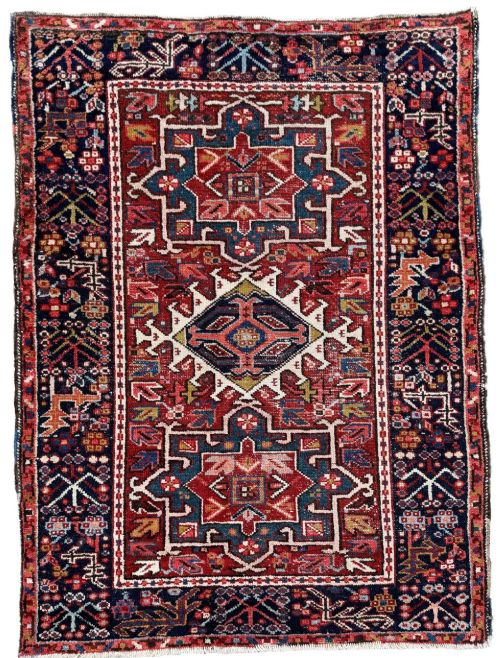
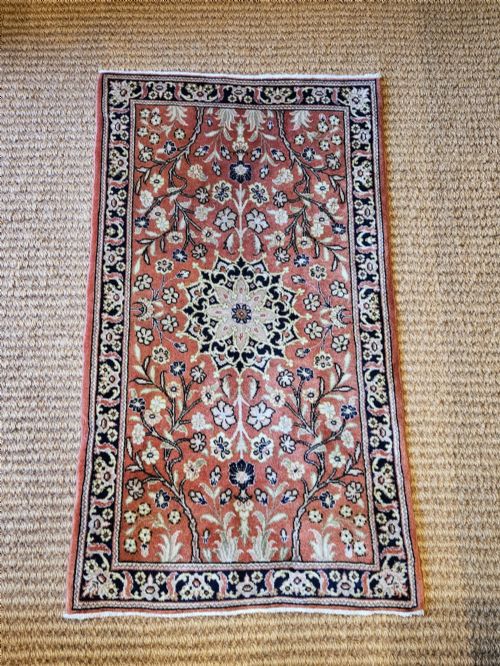
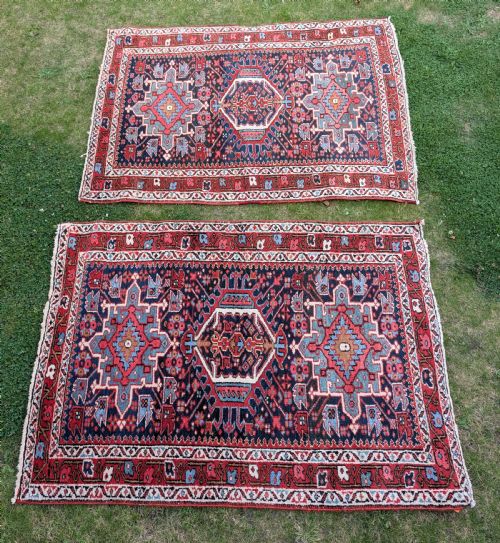
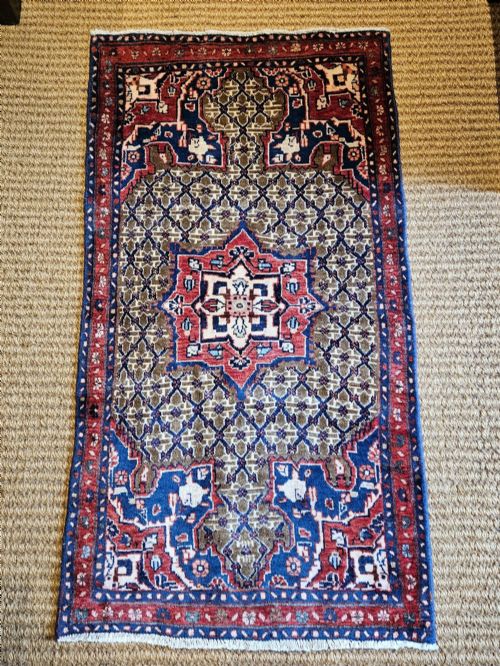
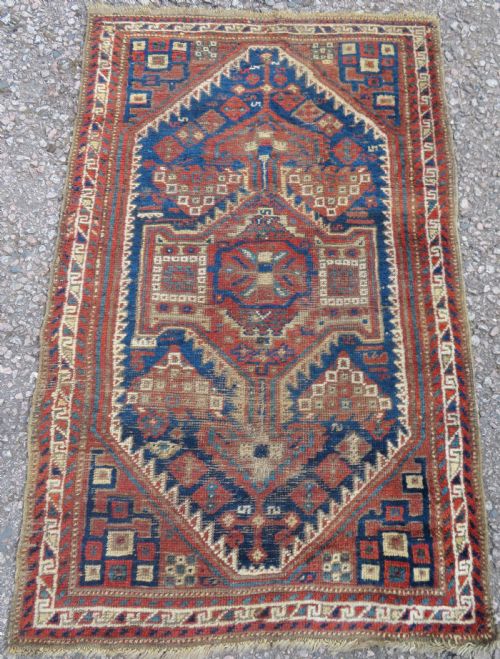
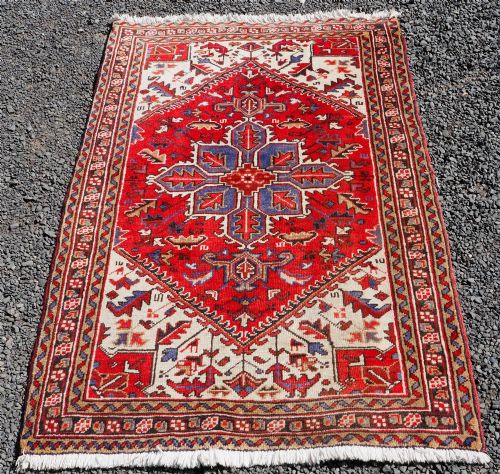
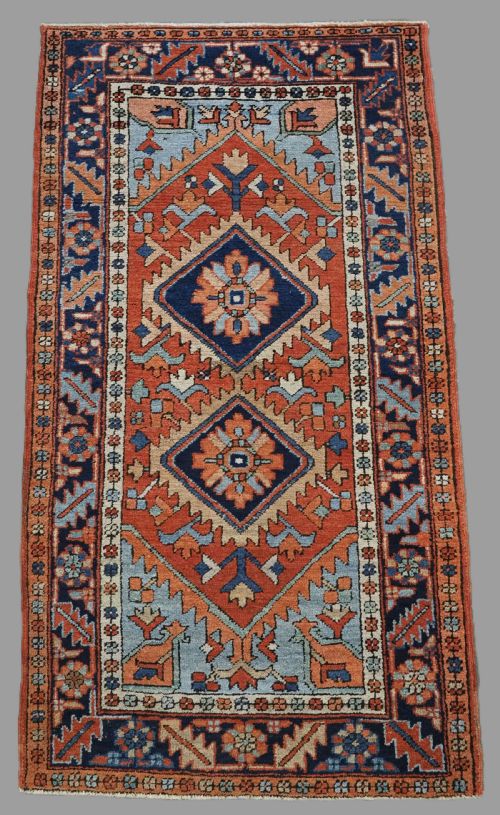
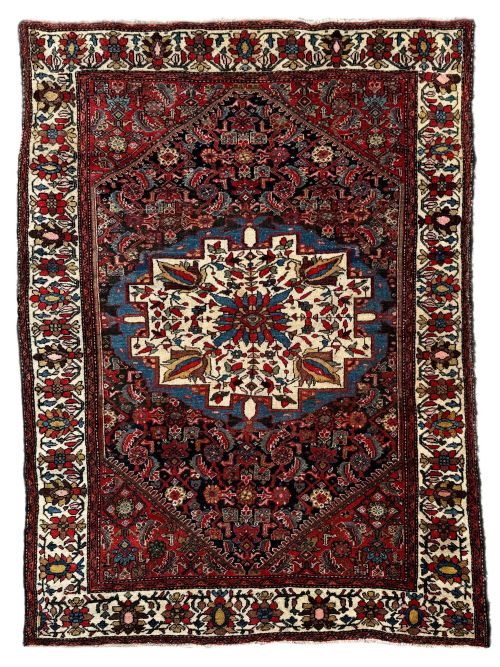
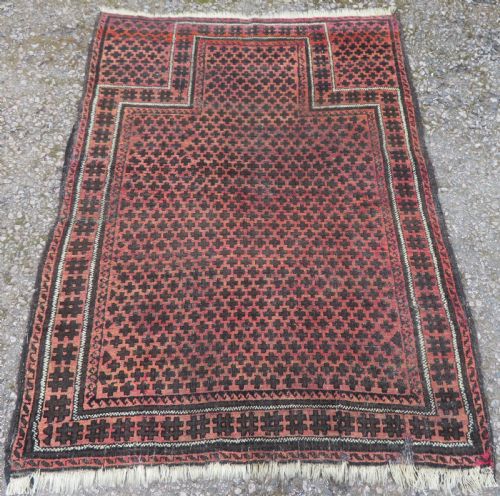
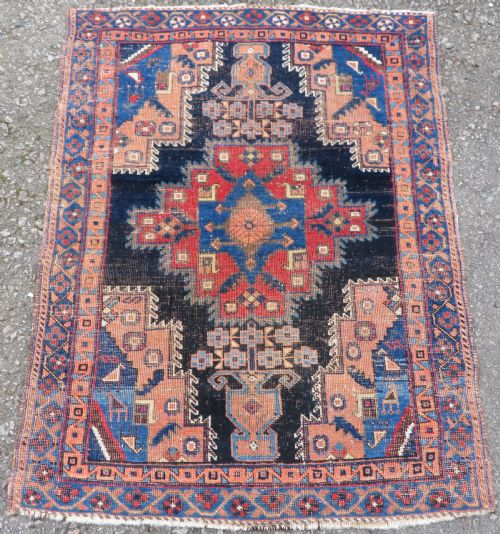
A small persian hearth rug is a compact woven floor covering traditionally placed before a fireplace or utilised in smaller rooms. The pieces available span various origins from the late nineteenth century through the early decades of the twentieth century, capturing regional weaving identities.
Buyers encounter traditional village and tribal formats such as Karaja, Sarouk, Bidjar, Baluch, Afshar, and Senneh rugs. These domestic floor coverings arrive in manageable dimensions suited for hearthside placement or intimate interior layouts.
The aesthetic encompasses geometric medallions, tribal motifs, and intricate floral patterns rooted in specific Persian regions. Each piece reflects the domestic utility and artistic expression of its weaving community.
How they were made
The construction relies fundamentally on wool piles knotted onto cotton foundations or hand-spun wool structures. Weavers utilised natural materials and hand-spun yarns that contribute to the enduring character of the pile.
Weaving techniques vary by origin, incorporating wool warps and cotton warps depending on whether the piece originates from a nomadic tribe or a settled village workshop. These methods ensure structural integrity alongside tactile depth.
Listings feature wool, cotton, and hand-spun wool materials across periods spanning from eighteen-ninety to nineteen-thirty.
What varies in quality
Quality separates through the density of the knotting and the precision of the regional design execution. Finer examples display tight structures and crisply articulated motifs that reveal the weaver's deliberate control.
The depth and vibrancy of the wool pile contribute significantly to a piece's standing. Superior rugs maintain rich colouration and resilient materials that age gracefully under foot.
The Small Persian Hearth Rug Glossary
- Warp
- The vertical foundation threads stretched across the loom before knotting begins. These provide the structural backbone for the entire rug.
- Weft
- The horizontal threads passed through the warps after rows of knots are completed to bind the structure firmly together.
- Pile
- The upright yarn surface formed by individual knots tied to the warp threads. This creates the tactile face of the rug.
- Medallion
- A central ornamental design motif placed in the middle of the rug field. It often anchors the surrounding geometric or floral patterns.
- Prayer rug
- A small format rug featuring a mihrab or niche design historically used for personal devotion. The arch motif directs the eye toward a specific orientation.
Small Persian Hearth Rug: Frequently Asked Questions
Where should I place a small Persian hearth rug?
These compact rugs sit naturally in front of an open fireplace, warming the hearth area both physically and visually. They also suit bedside placement, narrow hallways, or small study spaces.
Because of their modest dimensions, they anchor seating arrangements without overwhelming the floor plan. Their traditional patterns add character to both period properties and contemporary interiors.
How do I care for an antique wool rug?
Regular gentle vacuuming without a rotating brush roll keeps dust and grit from settling into the wool pile. Professional cleaning is recommended when deeper maintenance becomes necessary.
Avoiding direct, harsh sunlight prevents the natural dyes from fading prematurely. Rotating the rug periodically ensures even wear across the surface over time.
What is the difference between village and tribal rugs?
Village rugs are woven by settled communities using permanent looms and often feature more structured geometric or floral layouts. Tribal pieces originate from nomadic or semi-nomadic groups working on portable looms.
Tribal weavers rely heavily on memory and ancestral symbols, producing spontaneous geometric designs. Village pieces frequently demonstrate slightly more formalized regional motifs.