


Heriz Karaja Carpet
A heriz karaja carpet is a sturdy North West Persian floor covering that brings bold geometric designs and rich natural dyes into a room.
Heriz Karaja Carpet
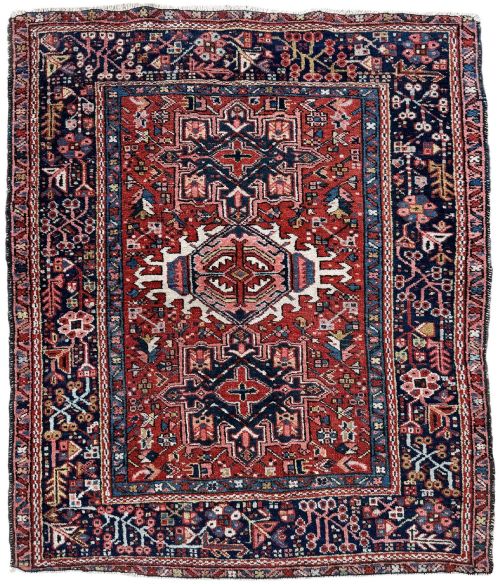
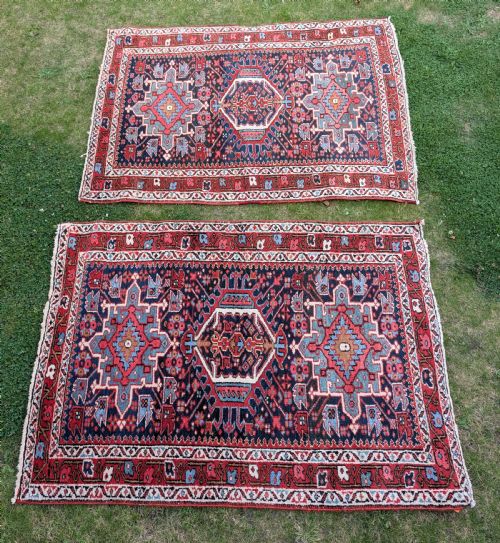
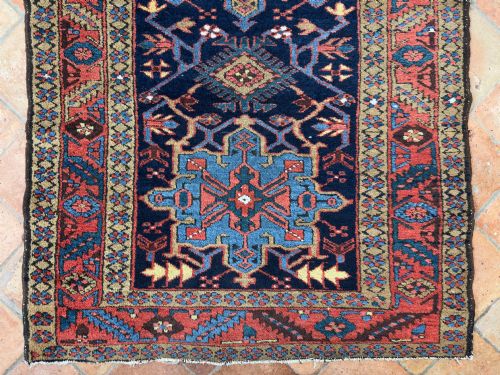
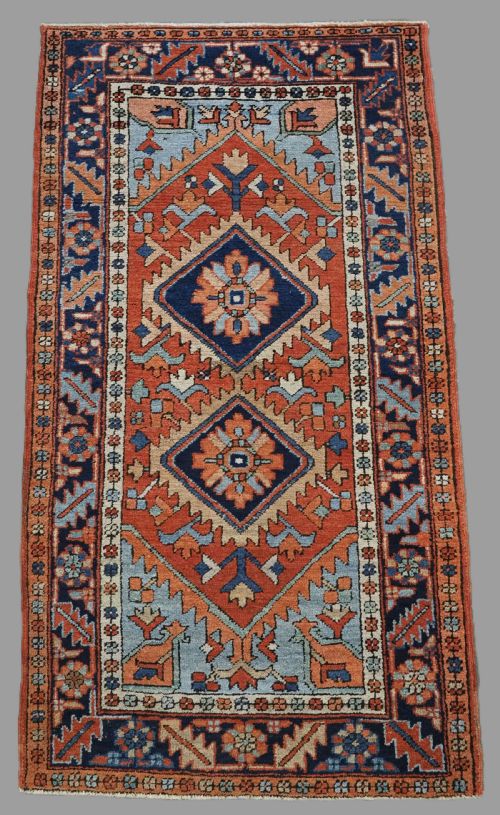
A heriz karaja carpet represents a distinct tradition of weaving from North West Persia, often encompassing both room-sized carpets and elongated gallery formats. When you search for a heriz karaja carpet, you are looking at hand-knotted room carpets, smaller area rugs, and narrow hallway runners dating from the late nineteenth century up to the 1920s.
The pieces on this page span several decades of production from the Persian Karaja and Heriz regions. You will encounter traditional Persian formats that range from square layouts and classic scatter sizes to long runners exceeding three metres in length.
These floor coverings often display traditional Persian or tribal motifs, categorised in listings under Persian tribal, traditional Persian, and North West Persian styles. The Karaja and Heriz region output is celebrated for bold medallion layouts and geometric field patterns that suit both grand reception rooms and active hallways.
What varies in quality
The quality of a heriz karaja carpet rests in the crispness of its geometric drawing and the depth of its colour palette. Finer examples display precise medallion outlines and harmonious colour saturation that hold the eye across a large room.
Another factor is the balance between wool quality and knot density, which determines how cleanly the pattern translates across the field. Early pieces from the late nineteenth century often combine exceptional wool suppleness with robust structural foundations.
Listings span the periods from 1880 through 1920, featuring wool and cotton materials in traditional Persian and tribal styles.
The Heriz Karaja Carpet Glossary
- Karaja
- A village and weaving region in North West Persia known for producing sturdy rugs and carpets with bold geometric motifs.
- Heriz
- A neighbouring carpet-producing region in North West Persia sharing stylistic ties with Karaja, often noted for larger format room carpets.
- Runner
- An elongated narrow rug format designed specifically for hallways, corridors, and narrow passageways.
- Kelleh
- A large, long gallery carpet format traditionally used in Persian domestic interiors.
- Medallion
- A central ornamental motif set into the field of the carpet, frequently seen in traditional Persian designs.
Heriz Karaja Carpet: Frequently Asked Questions
How do I clean a heriz karaja carpet?
Regular gentle vacuuming without a rotating brush helps remove surface grit from the wool pile. Professional specialist cleaning is recommended for deep maintenance to protect the natural dyes and cotton foundation.
Avoid using household chemical detergents or soaking the carpet with water. Addressing spills promptly with a dry white cloth prevents moisture from settling into the hand-knotted structure.
Where were these carpets made?
These carpets originate from the North West Persian regions of Karaja and Heriz. Weavers in these highland communities produced distinctive geometric floor coverings for local use and export.
The regional workshops and village homes utilised local sheep wool and traditional dyeing techniques passed down through generations of artisans.
How do I date a heriz karaja carpet?
Dating involves examining the wool quality, dye palette, and structural characteristics visible in the foundation. Pieces from the late nineteenth century often display softer wool and specific natural dye variations compared to later twentieth-century output.
Comparing knot regularity and design execution against documented examples from 1880 to 1920 helps narrow down the period of manufacture.
Can I put a runner in a hallway?
Long narrow runners are specifically proportioned for corridors, hallways, and narrow landing spaces. Their sturdy hand-knotted wool construction handles high foot traffic while adding warmth and character to transitional areas.
Using a suitable underlay keeps the runner secure on wooden or tiled floors and reduces daily wear on the foundation threads.