
Small Occasional Table
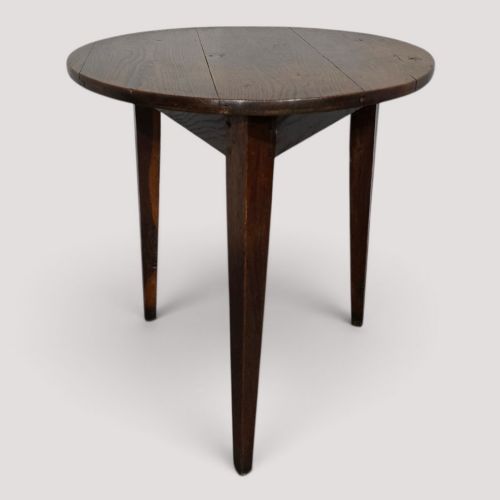
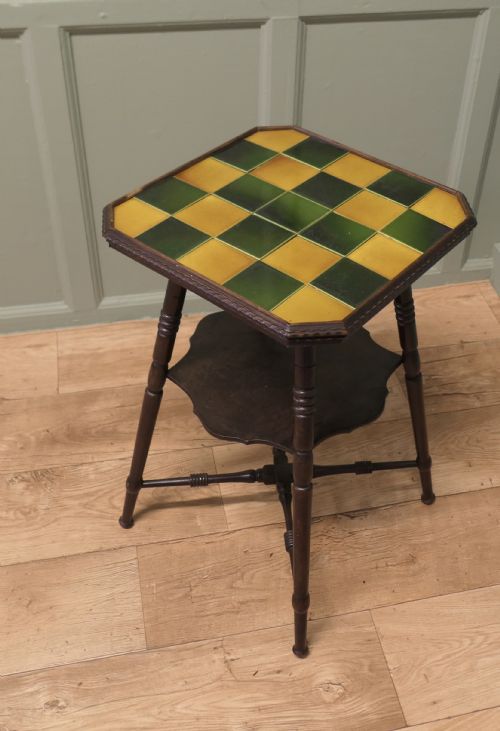
A small occasional table serves multiple domestic spaces, offering a compact surface from the Georgian, Victorian, and Edwardian eras.
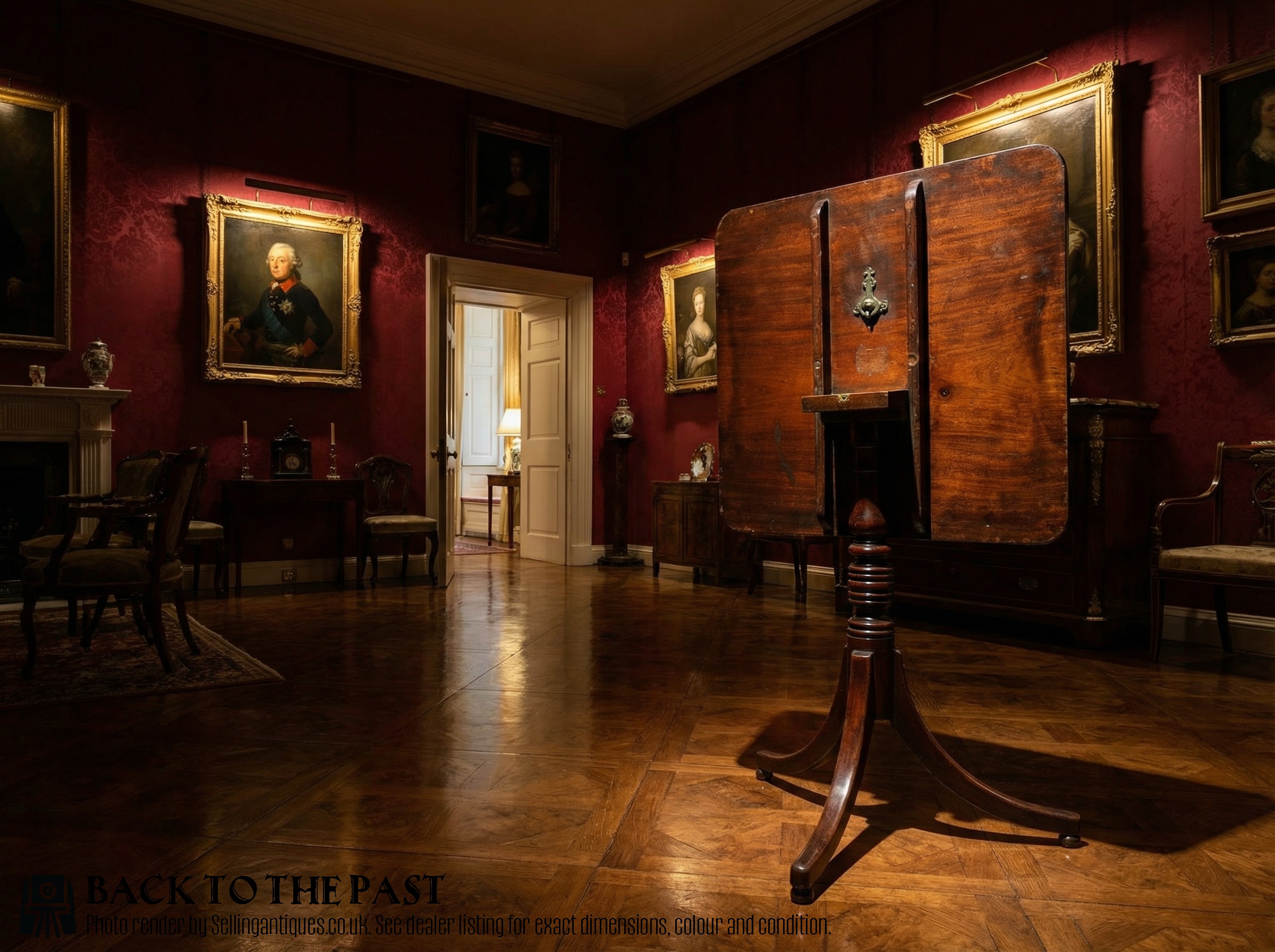
Small Occasional Table
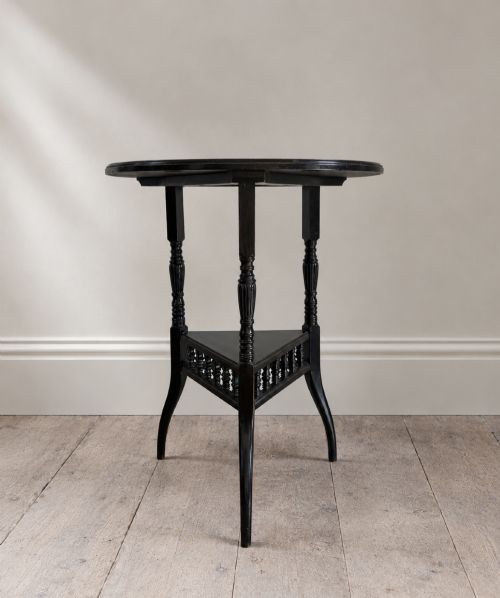
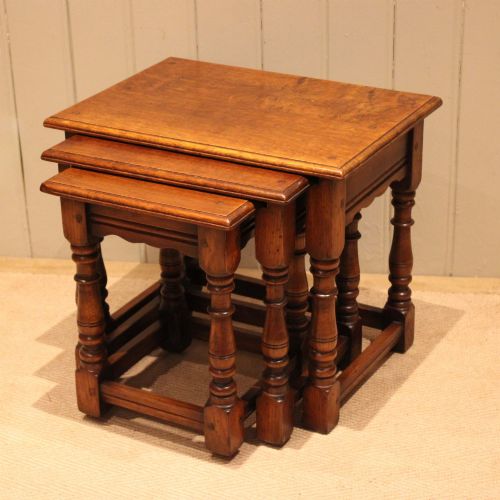
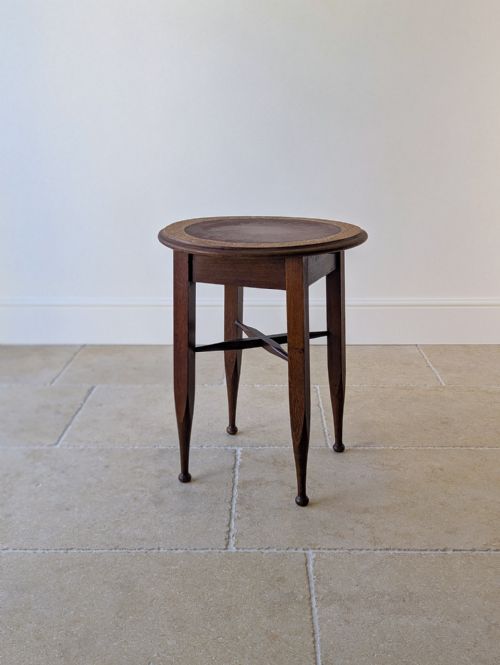
A small occasional table encompasses diverse lightweight furniture forms designed to be moved easily around a room. When exploring this selection, buyers frequently encounter Edwardian and Victorian side tables, wine tables, and nests of tables.
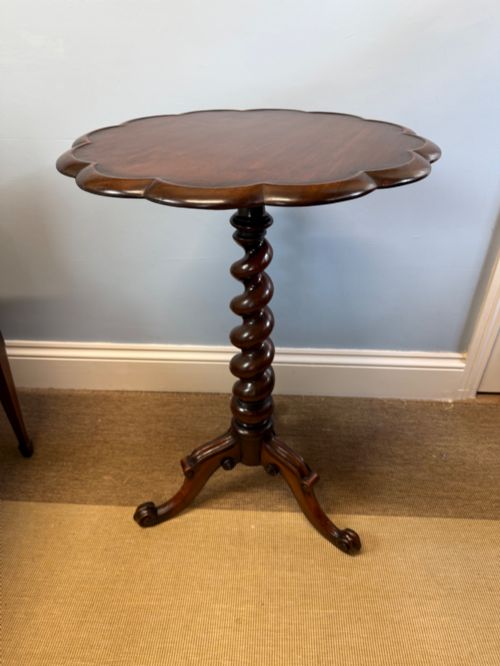
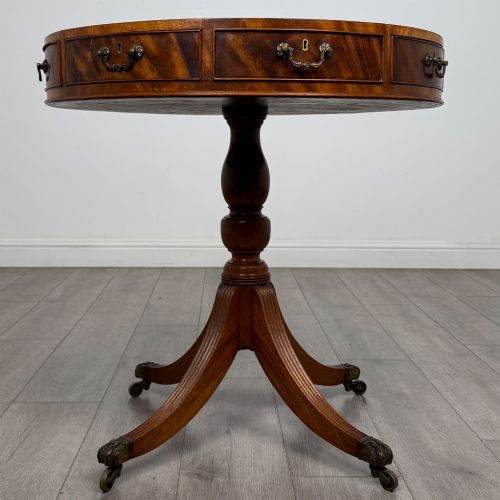
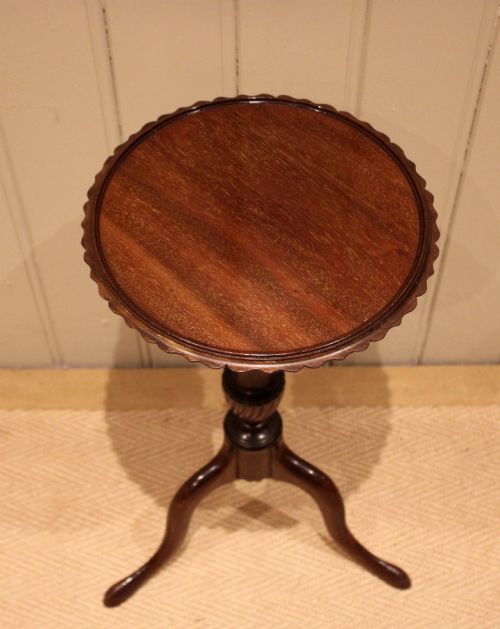
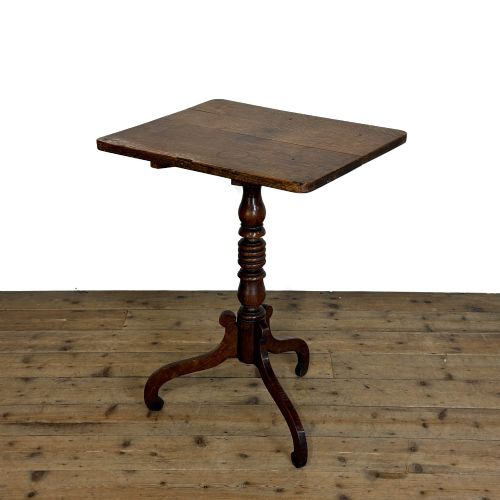
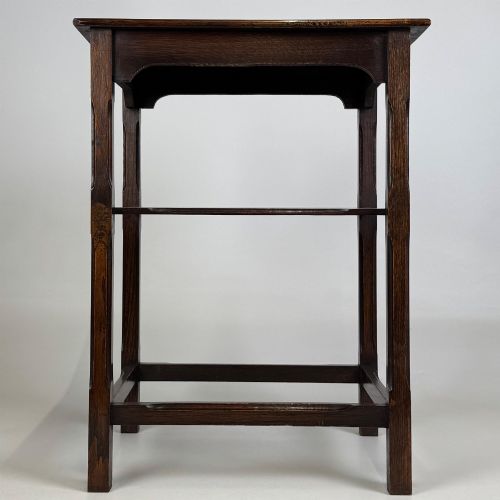
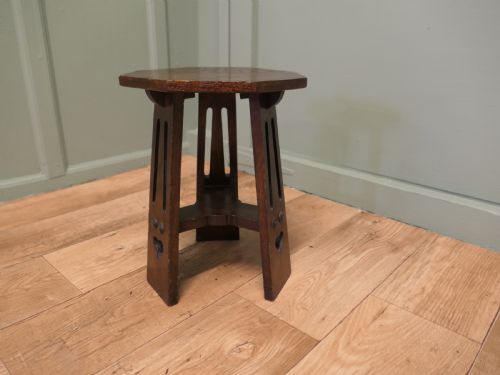
The category spans centuries of domestic design, including Georgian tripod tables, Regency pedestal pieces, and Arts and Crafts oak stands. These items function as lamp tables, bedside stands, or plant supports within traditional and modern interiors.
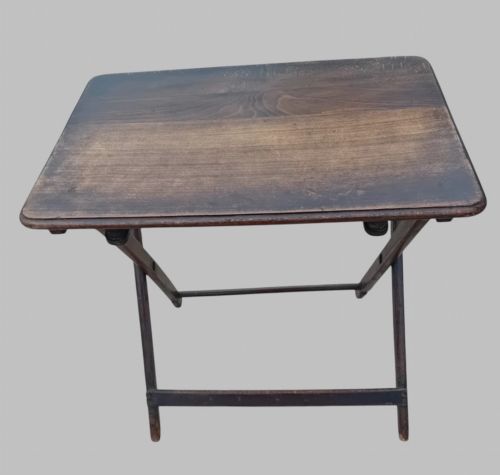
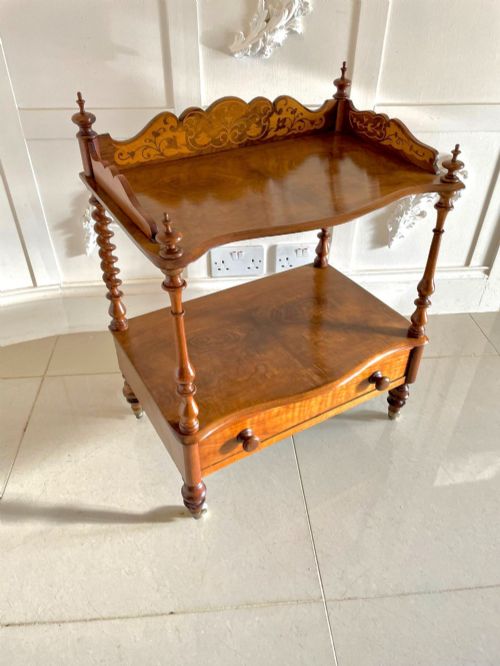
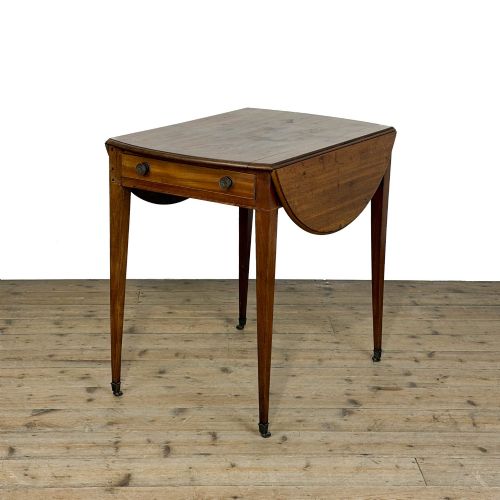
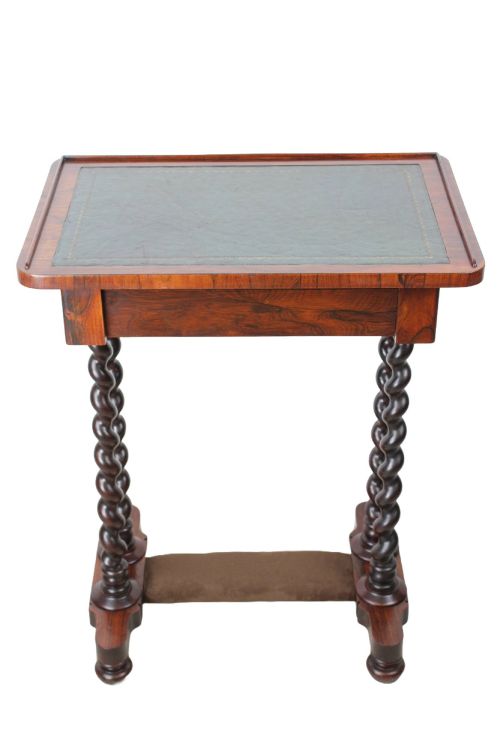
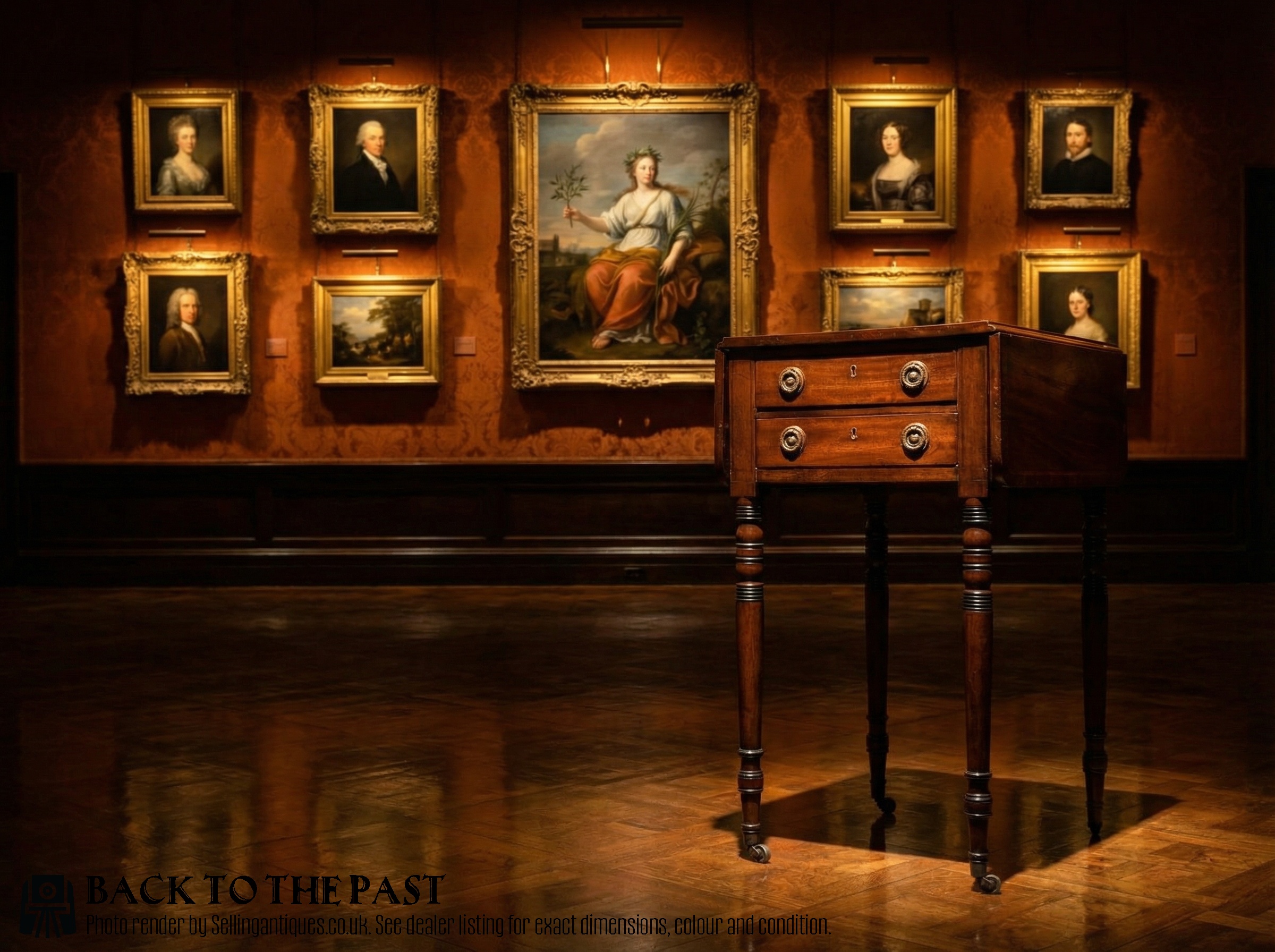
Forms vary widely from drop-leaf pembroke tables to circular tilt-top designs and multi-tiered nesting sets. Oak and mahogany dominate the offerings, supplemented by walnut, rosewood, and ebonised hardwood.
How They Were Made
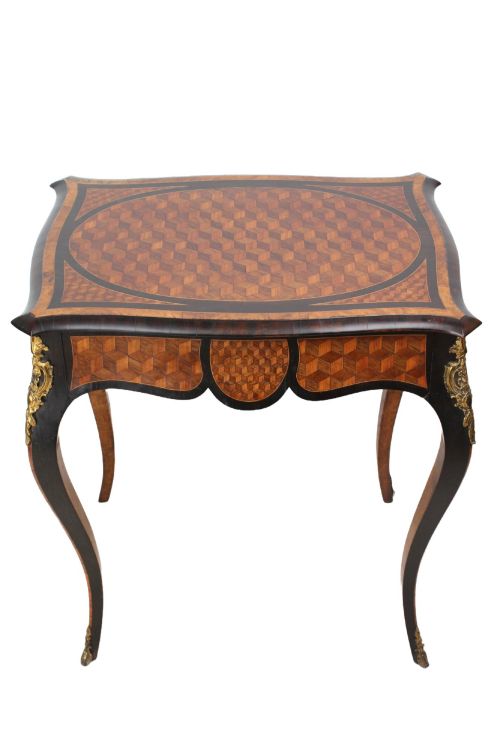
Cabinetmakers utilised solid timbers and selected veneers, employing oak, mahogany, and walnut for primary structures. Decorative surfaces often incorporated burr walnut, satinwood, and intricate wood inlay.
Construction techniques combined traditional joinery such as mortise and tenon joints with turned pedestals and tripod legs. Brass fittings, drop leaves, and hand-carved details appeared frequently across the 19th and early 20th centuries.
Small Occasional Table Retail Price Guide 2026
Typical asking prices for small occasional table among the pieces listed under this phrase on Sellingantiques today, from the lower quarter to the upper quarter. They describe what is for sale here now, not the wider market.
What Varies in Quality
The standard of craftsmanship relies heavily on the selection of timber and the precision of the joinery. Superior examples display carefully matched wood grains, stable pedestal bases, and refined carving or inlay work.
Makers who utilised dense hardwoods and robust structural assemblies produced pieces that retained stability through generations of use. Inferior execution shows in loose joints, poorly matched veneers, and crude replacement hardware.

JAS Shoolbred·Shapland & Petter·Gillows
The Small Occasional Table Glossary
- Pembroke table
- A small table with hinged drop leaves on two opposing sides, often featuring a single drawer. This form originated in the 18th century and suited multipurpose parlour use.
- Tilt-top table
- A pedestal table with a hinged tabletop that pivots to a vertical position for compact storage against a wall. This mechanism allowed tables to be cleared away when not in use.
- Tripod table
- A small occasional table supported by a central pillar resting on three curving legs. The design gained popularity during the Georgian period for serving wine or holding candles.
- Gateleg table
- A drop-leaf table where the hinged leaves are supported by swinging legs that resemble a gate. This construction provided an extendable surface area within a compact footprint.
- Parquetry
- A geometric mosaic of wood pieces used for decorative surface inlay on tabletops. Craftsmen arranged contrasting timbers to create repeating patterns.
Small Occasional Table: Frequently Asked Questions
Where should I place a small occasional table?
These compact pieces fit easily beside armchairs, sofas, or beds to hold lamps and books. Their modest proportions make them useful in hallways and tight corners.
Moving them between rooms is straightforward due to their lightweight construction. They adapt readily to changing spatial requirements in a home.
How do I identify a Georgian occasional table?
Georgian tables typically feature solid mahogany or oak construction with tripod bases, pad feet, or delicate drop leaves. Hand-cut joinery and understated proportions distinguish pieces from this period.
Earlier examples often display pegged joints and turned gatelegs. Examining the underside reveals the age and hand-working marks of the timber.
Can I use an antique wine table for everyday drinks?
Wine tables provide a stable surface for cups and small items despite their slender profile. Using coasters prevents ring marks on historic polished wood finishes.
Maintaining a stable humidity protects the antique timber from drying out or splitting. Gentle cleaning preserves the original patina over time.
What is the difference between a side table and a lamp table?
Side tables generally feature rectangular or oval tops designed to sit flush against a wall or beside seating. Lamp tables often have circular tops supported by central pedestals.
Both types serve similar utilitarian functions in domestic interiors. The primary distinction lies in the tabletop shape and support structure.