




Small Oak Writing Bureau
A small oak writing bureau brings compact workspace and traditional craftsmanship together, offering a dedicated writing surface that fits neatly into domestic rooms.
Small Oak Writing Bureau
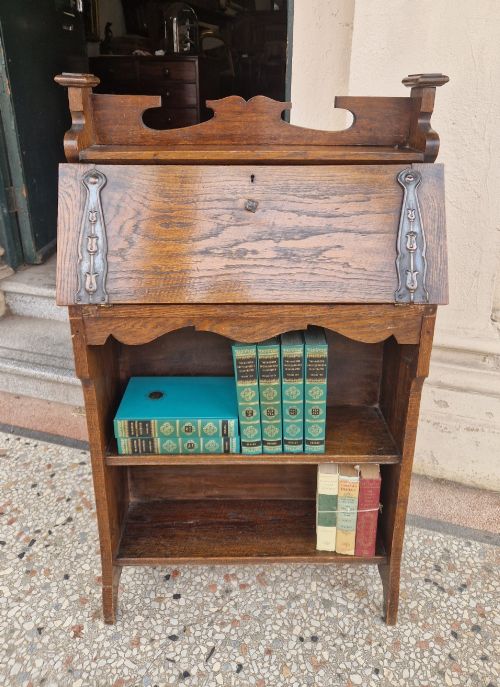
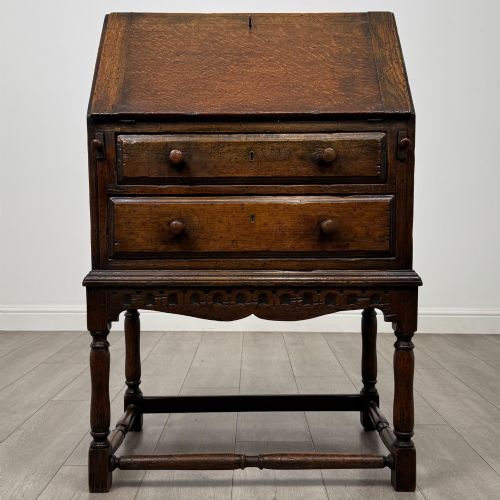
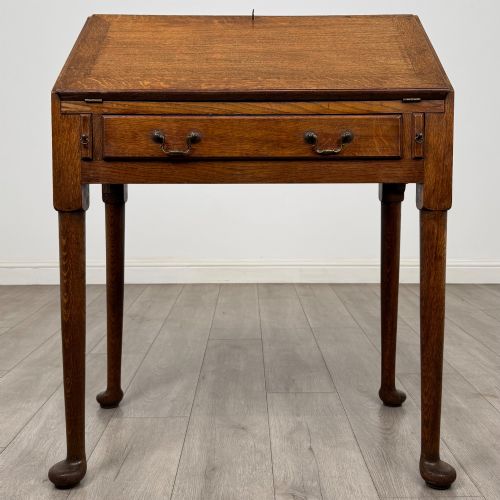
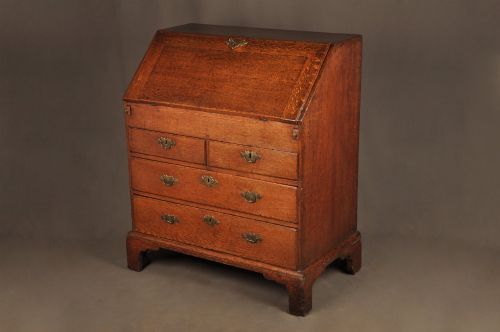
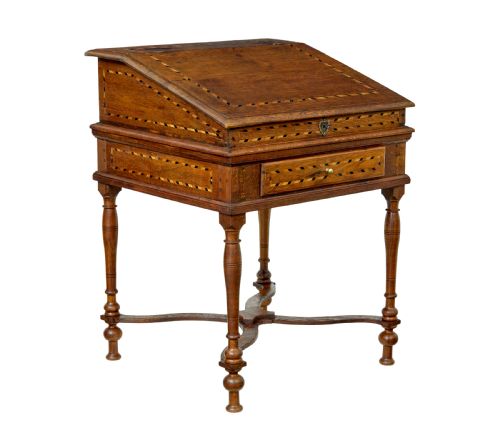
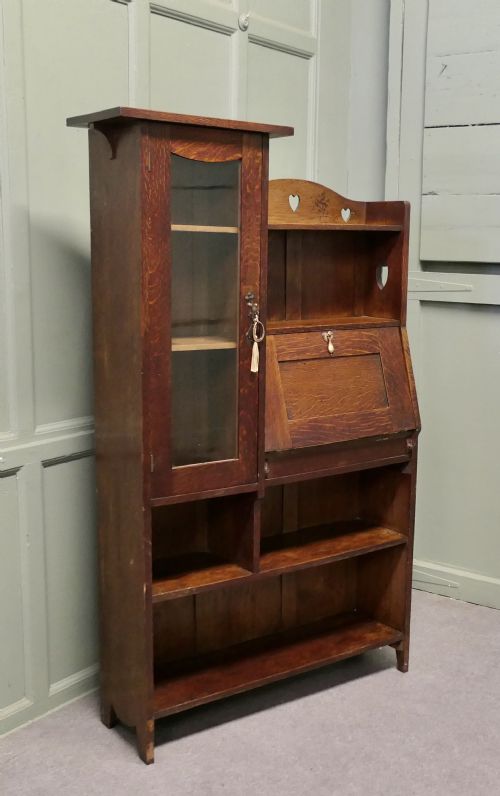
When searching for a small oak writing bureau, you encounter pieces that range from seventeenth-century provincial examples to Edwardian and later twentieth-century iterations. These compact writing furniture items generally combine a sloping fall-front lid or drop flap with internal compartments, pigeonholes, and small drawers for stationery storage.
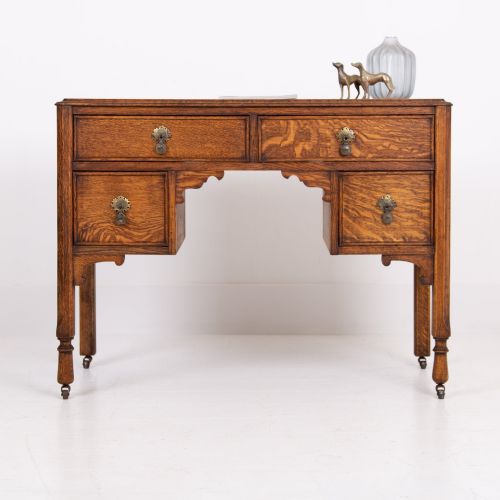
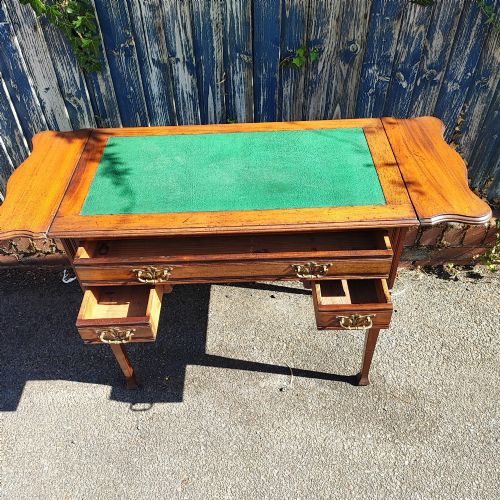
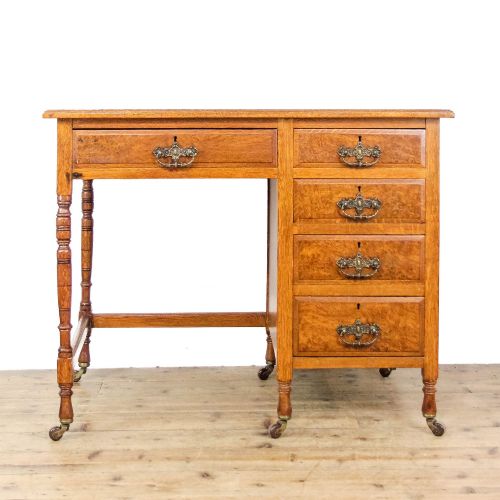
The most common variations on this page include Edwardian models built for smaller urban homes, alongside Georgian and eighteenth-century examples featuring fitted desk interiors. Alongside standard drop-front bureaux, the evidence includes related forms such as Davenport desks, secretaire bookcases, and table-top bureaux.
Originating from British provincial workshops as well as continental makers, these desks rely on dense hardwoods designed for daily utility. Their proportions make them suitable for modern apartments and period studies alike, preserving writing spaces without dominating a room.
How they were made
Construction relies primarily on solid oak, frequently paired with secondary woods and decorative veneers such as pollard oak, burr oak, and walnut. Cabinet makers utilised traditional joinery techniques, framing panels to accommodate the natural seasonal movement of the timber.
Hardware details such as brass handles, hinges, and occasional copper or glass panels accent the timber surfaces. Interiors often incorporate contrasting woods like fruitwood or maple within the stationery compartments behind the main writing flap.
Small Oak Writing Bureau Retail Price Guide 2026
Typical asking prices for small oak writing bureau among the pieces listed under this phrase on Sellingantiques today, from the lower quarter to the upper quarter. They describe what is for sale here now, not the wider market.
Listings span from the seventeenth century through the Edwardian era, incorporating oak, pollard oak, brass, leather, and glass materials.
What varies in quality
Quality in these desks depends heavily on the crispness of the timber selection, such as figured pollard or burr oak panels, and the restraint of decorative carving. Simpler provincial pieces rely on honest structural proportions, while higher-grade examples display refined interior cabinetry with secret compartments and finely dovetailed drawer construction.
The integrity of the fall-front hinge mechanism and the tightness of the joinery around the writing slope distinguish better workshops from mass-produced later iterations. Preservation of original brassware and untouched surface patination elevate an example above standard utilitarian office furniture.
The Small Oak Writing Bureau Glossary
- Bureau
- A writing desk featuring a sloping hinged lid that opens to reveal fitted interior pigeonholes and small drawers. This form evolved during the seventeenth century and remained popular across multiple style periods.
- Fall-front
- The inclined hinged panel on a bureau that drops down to form a horizontal writing surface. It conceals the stationery compartments when closed.
- Secretaire
- A piece of furniture containing a concealed writing drawer or drop-front compartment disguised as standard chest drawers or a bookcase base. It combines library storage with a writing desk.
- Davenport
- A compact pedestal desk with an inclined sliding writing slope, typically fitted with side drawers and small upper compartments. The form emerged in the nineteenth century for domestic correspondence.
- Pigeonhole
- A small open compartment within the interior of a desk designed for sorting letters and papers. These compartments often feature small flanking drawers.
Small Oak Writing Bureau: Frequently Asked Questions
How do I date a small oak writing bureau?
Dating relies on examining construction methods, timber selection, and hardware styles. Earlier seventeenth and eighteenth-century pieces display hand-cut dovetails and pegged joinery, whereas Edwardian and later pieces use machine-cut joints and lighter brass fittings.
Secondary woods inside the drawers also offer clues, as regional workshops transitioned from native fruitwoods to imported mahogany and deal during the nineteenth century.
Where were small oak writing bureaux used?
These compact desks served primarily in private studies, bedrooms, and parlours where space was at a premium. Their enclosed compartments allowed owners to secure private correspondence and account books out of sight.
In larger country houses they provided subsidiary writing spaces, while Edwardian examples suited smaller townhouses and suburban sitting rooms.
How do I care for an antique oak desk?
Maintain the timber by keeping the piece away from direct heat sources and strong sunlight, which can dry out the oak and warp the writing flap. Regular dusting with a soft, dry cloth preserves the surface finish without chemical buildup.
Feed the wood occasionally with traditional beeswax to nourish the grain and maintain the natural lustre accumulated over centuries of use.