


Small Mahogany Desk Drawers
Small mahogany desk drawers bring compact workspace and rich timber character into modern rooms.
Small Mahogany Desk Drawers
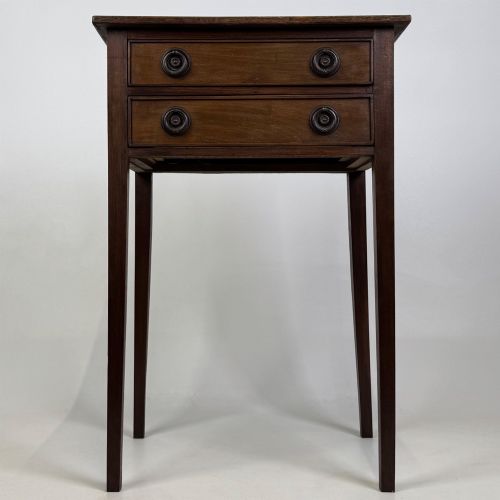
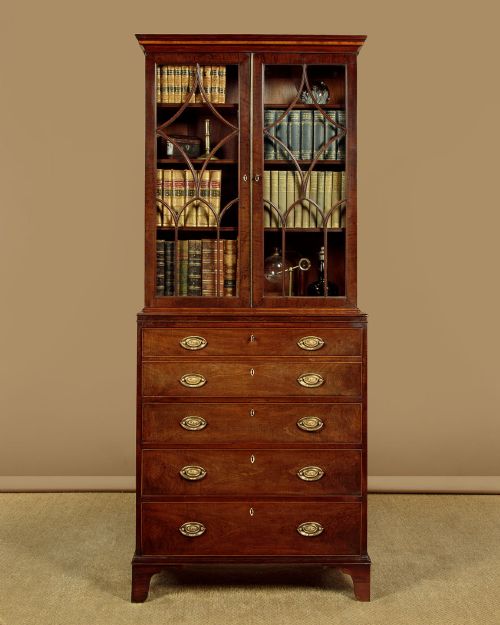
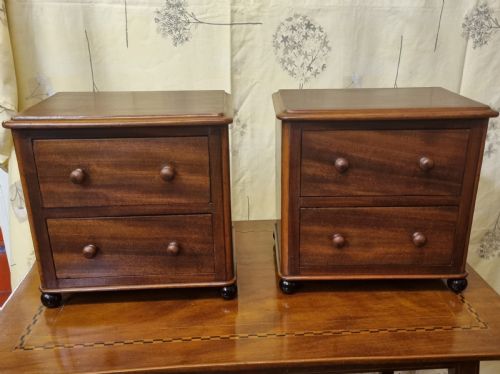
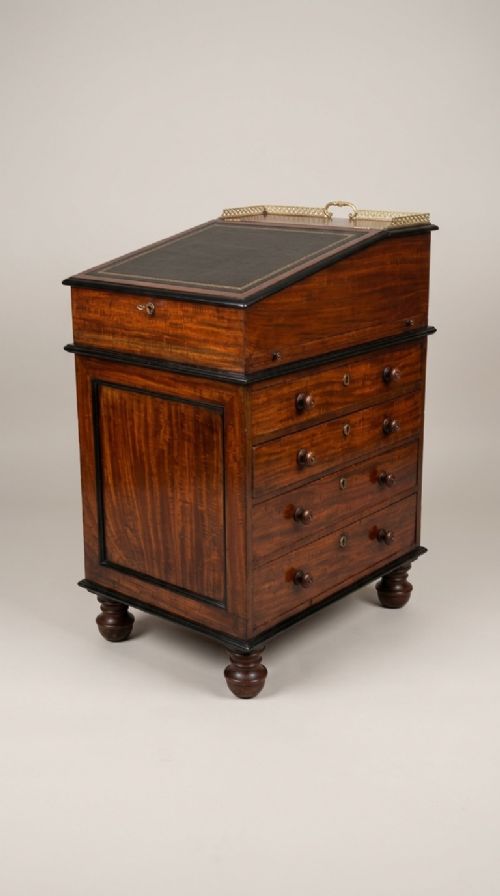
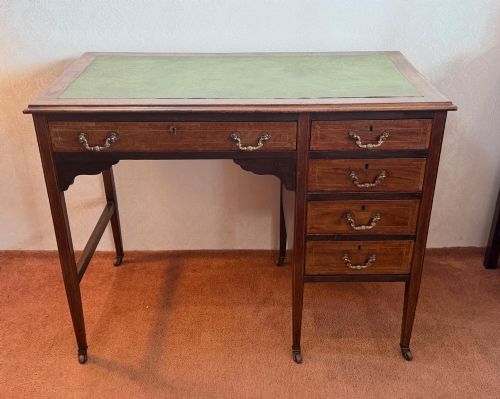
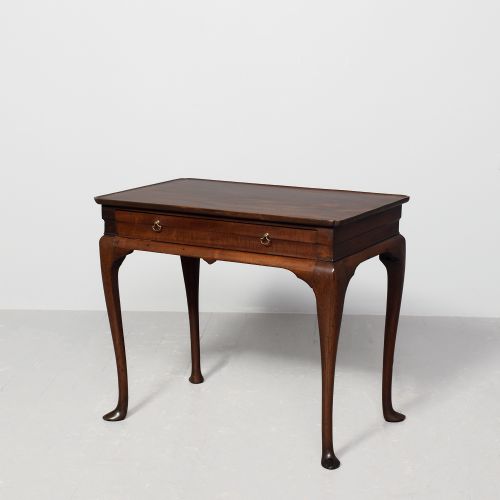
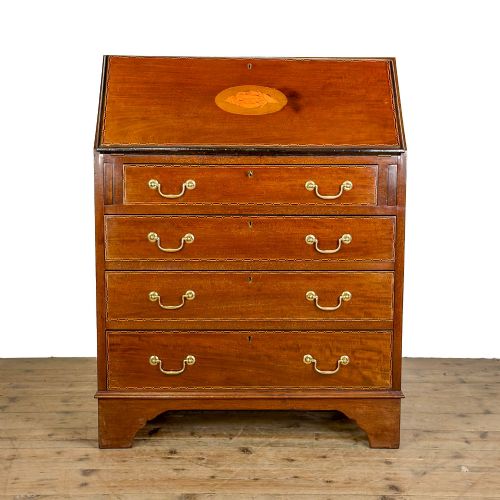
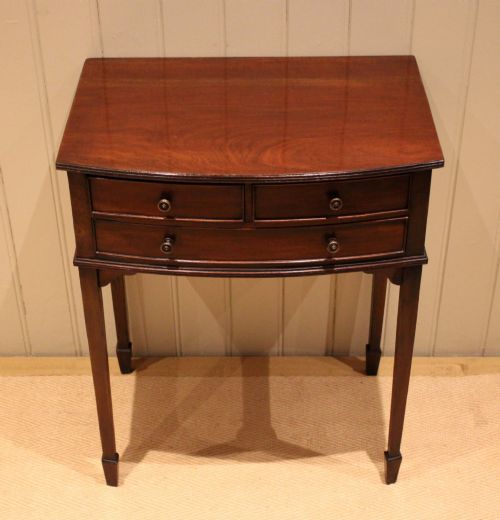
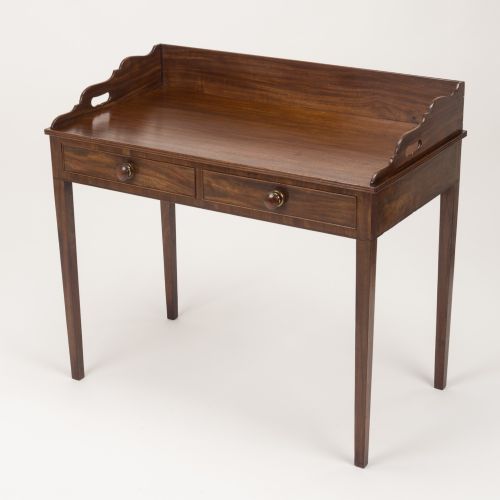
When you search for small mahogany desk drawers, you encounter a focused selection of compact writing furniture from the eighteenth, nineteenth, and early twentieth centuries. These pieces span Georgian lowboys, Regency Davenports, Victorian chests, and Edwardian ladies desks designed for writing and storage in limited spaces.
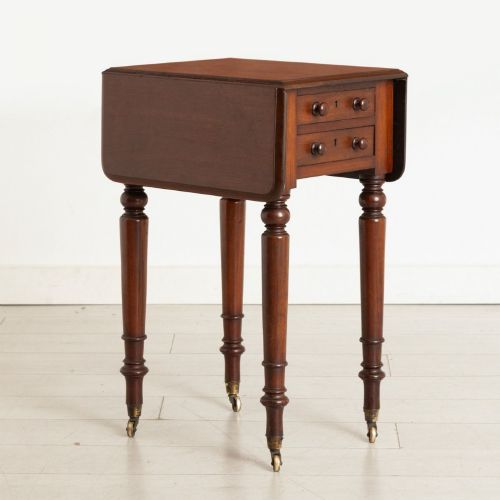
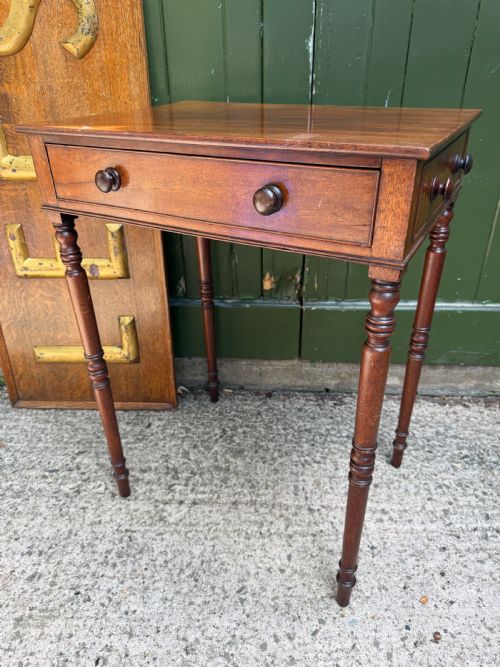
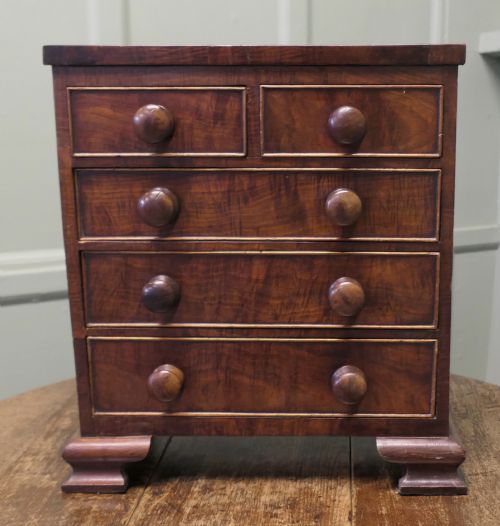
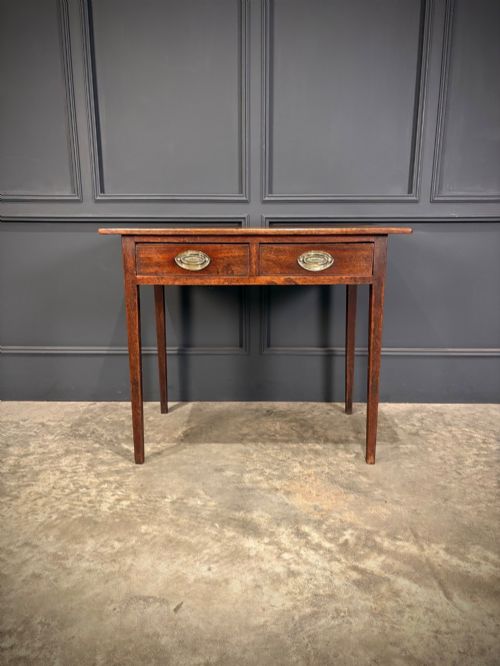
Georgian and nineteenth-century examples dominate the selections here, featuring primary woods paired with brass hardware and occasional satinwood inlay. Forms range from miniature apprentice pieces and tabletop cabinets to kneehole desks and writing tables fitted with multiple small drawers.
Materials and Construction
Cabinetmakers constructed these pieces primarily from solid and veneered mahogany, frequently combining oak for secondary drawer linings and incorporating contrasting satinwood inlay for decorative detail. Timber selection focused on figured grains that caught the light across flat surfaces and drawer fronts.
Hardware played an essential functional and decorative role, with brass pulls, handles, and occasional locks securing small compartments. Writing surfaces often integrated inset panels of leather, providing a durable plane for correspondence and daily paperwork.
Listings span multiple eras from the eighteenth-century Georgian period through the Victorian and Edwardian decades.
Evaluating Quality and Proportion
Proportion and scale dictate the success of these smaller items, where balanced drawer arrangements and clean leg profiles distinguish finer cabinetmaking from utility pieces. Superior examples maintain crisp edge moulding and tight drawer joints that move smoothly within their housings.
The integration of secondary timbers and the precision of inlaid details reveal the hand of skilled workshops. Untouched surfaces with deep patination hold more visual appeal than heavily stripped or over-polished timber.
Gillows of Lancaster
The Small Mahogany Desk Drawers Glossary
- Lowboy
- A small side table with one or more rows of drawers, typically raised on four tall legs and originating in the eighteenth century. These pieces served diverse domestic functions from dressing tables to writing surfaces.
- Davenport
- A compact pedestal desk featuring a sloping, hinged writing lid and a bank of side drawers. Early versions often incorporated internal stationery compartments and pull-out slides.
- Bureaux
- A writing cabinet featuring a sloping fall-front that opens to reveal internal pigeonholes and small drawers. They frequently sit atop a chest of larger lower drawers.
- Apprentice Piece
- A miniature item of furniture created by a craftsman to demonstrate skill and secure trade guild membership. These pieces replicate full-scale furniture in every structural detail.
- Secretaire
- A piece of furniture containing a pull-out drawer or fitted drop-front designed specifically for writing correspondence. This feature appears within bookcases, chests, and desks.
Small Mahogany Desk Drawers: Frequently Asked Questions
What rooms suit small mahogany desk drawers?
Their compact dimensions allow these pieces to function effectively as dressing tables, hallway consoles, or secondary workspaces in studies and sitting rooms. The numerous small drawers provide practical storage for stationery and household items without dominating a room.
Positioning them away from direct sunlight preserves the rich colour and finish of the mahogany timber over time.
How do I distinguish Georgian from Victorian pieces?
Georgian furniture typically displays restrained classical proportions, elegant bracket feet or slender cabriole legs, and understated brass handles. Timber selection in this period focused on dense, dark mahogany with natural grain patterns.
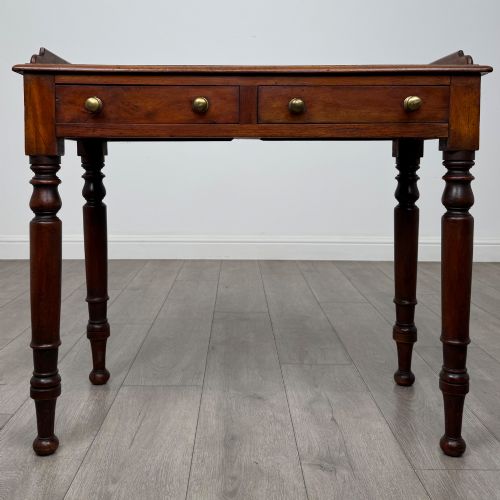
Victorian pieces often introduce turned bulbous supports, heavier proportions, and more elaborate gallery rails or carved decoration. The incorporation of stamped brass locks and standardised drawer construction also points toward nineteenth-century manufacturing shifts.
How should I care for antique mahogany surfaces?
Maintaining antique mahogany requires simple dusting with a soft, dry cloth to prevent particulate buildup on the wax finish. Avoid chemical polishes and silicone sprays that can penetrate old timber and alter the patina.
Occasional application of high-quality beeswax feeds the dry wood and preserves the depth of colour built up over centuries.