

Small Georgian Commode
A small georgian commode is a compact storage piece carrying centuries of cabinet-making heritage, prized for its tight proportions and rich timbers.

Small Georgian Commode
A small georgian commode bridges the gap between functional bedroom storage and refined period furniture, taking the form of miniature chests, bedside cabinets, and close stools disguised as small chests. These pieces emerge primarily from the 18th century and the Georgian period, alongside later revivals from the Edwardian era and the 1920s.
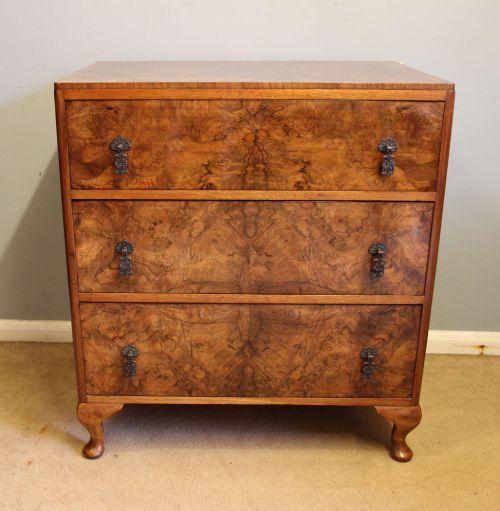
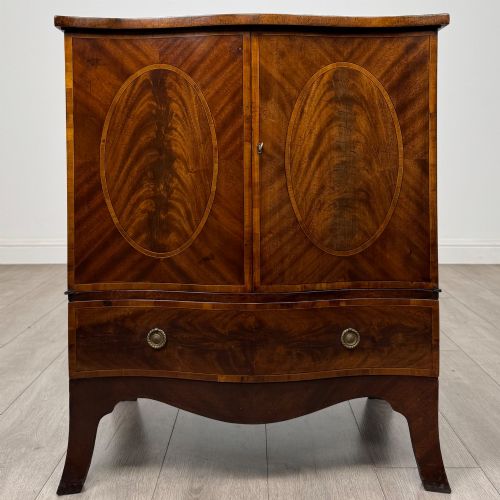
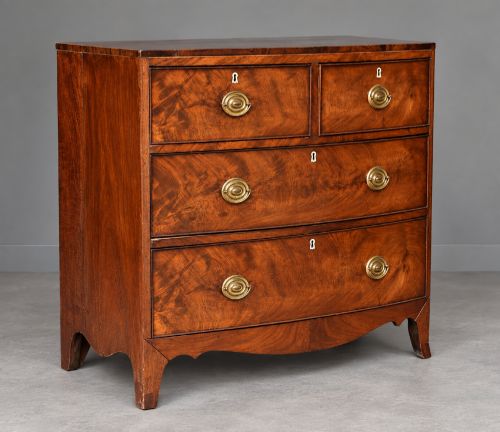
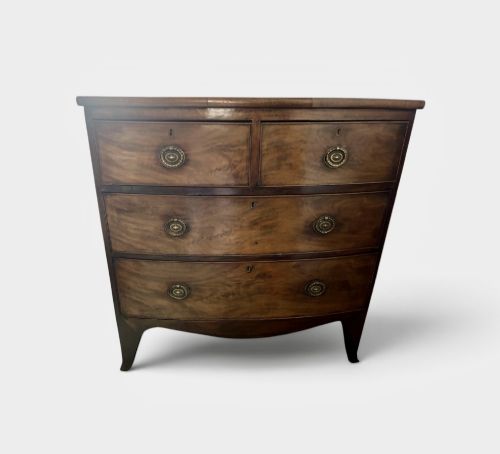
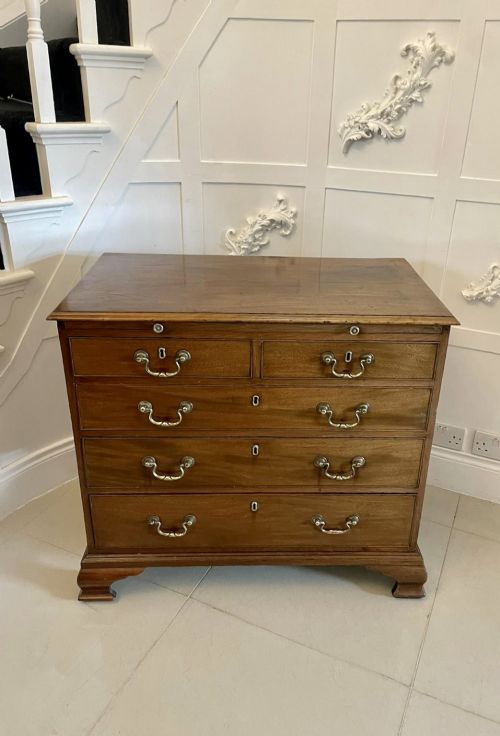
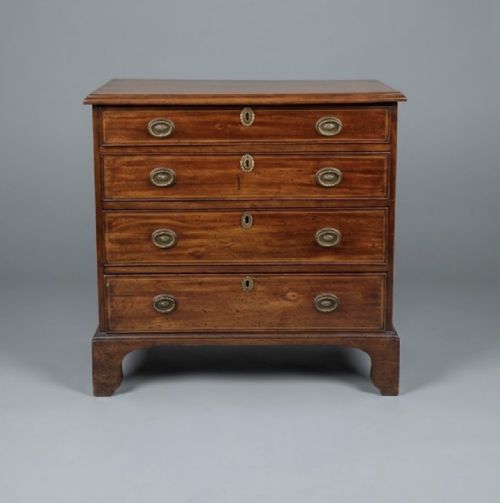
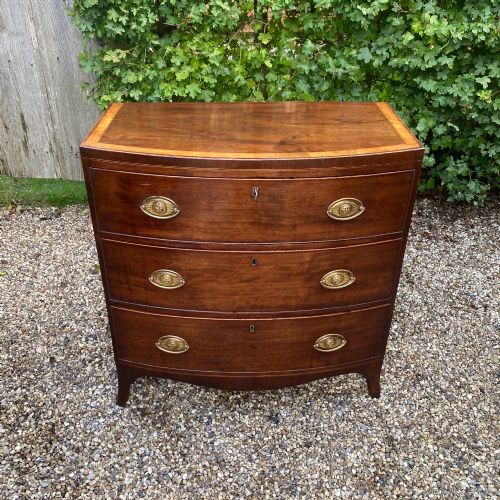
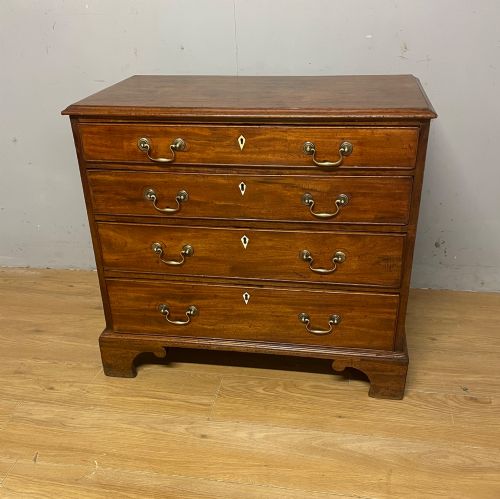
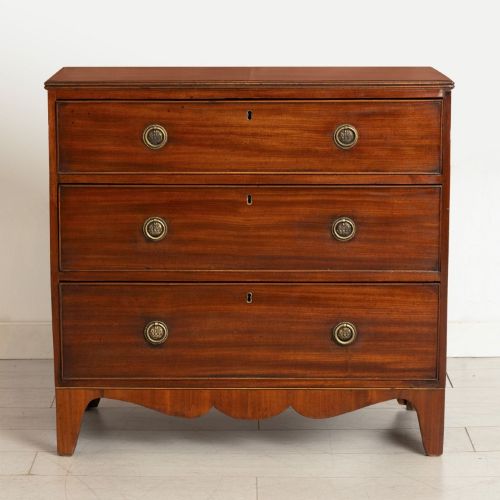
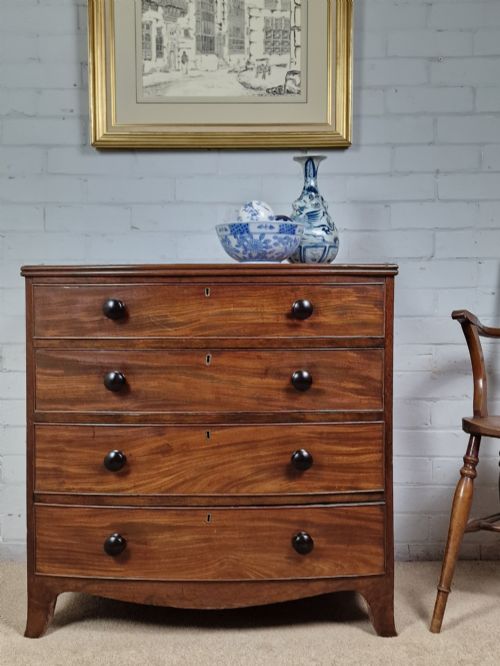
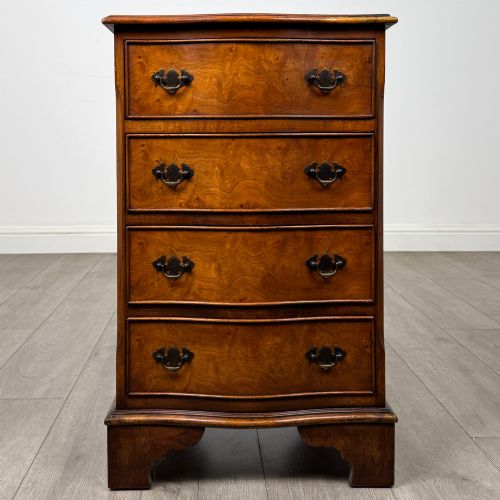
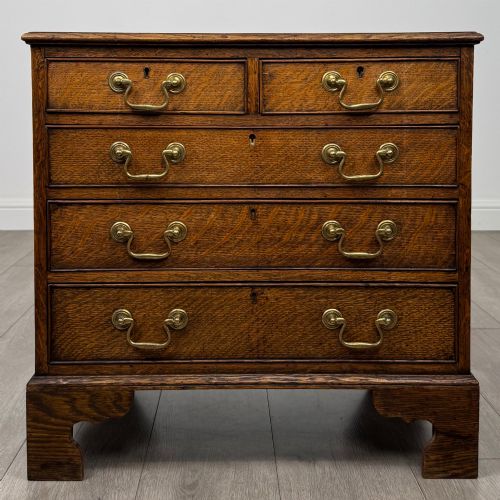
The most common form on this page is the small chest of drawers, often fashioned with a bow front or serpentine profile and supported by bracket feet. Cabinet makers constructed these items in compact dimensions to suit intimate dressing rooms and smaller chambers of the period.
How they were made
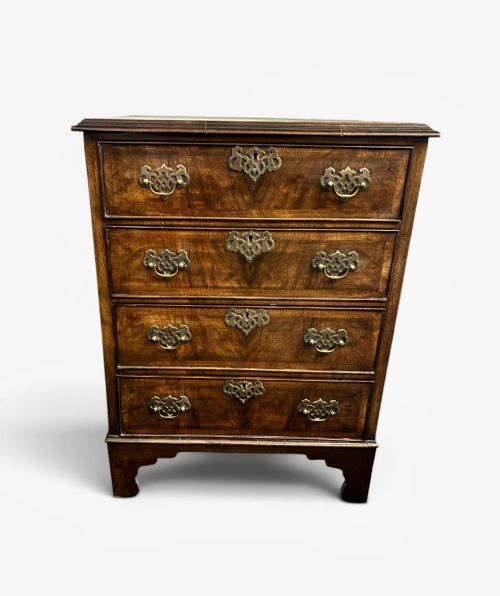
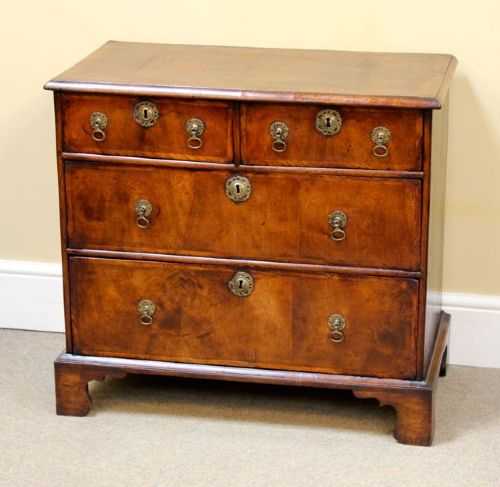
Craftsmen built these pieces using dense hardwoods such as mahogany, walnut, and burr walnut, frequently applying crossbanding, marquetry, or satinwood stringing to elevate the surface appearance. Secondary timbers like pine and oak appear within drawer linings and internal framing.
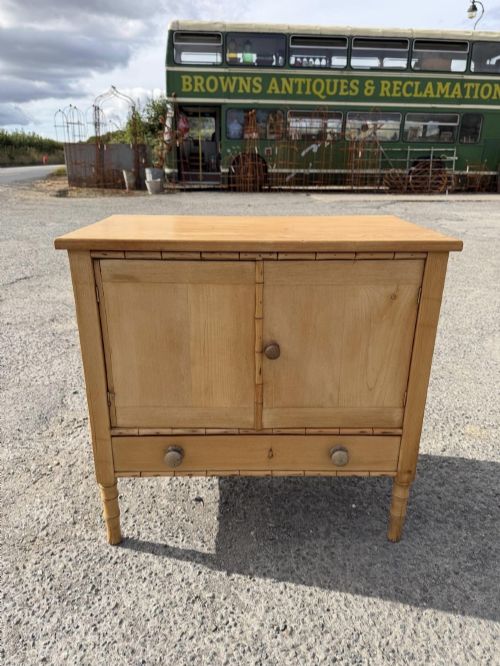
Joinery techniques relied on dovetailed drawer construction and precise veneering over solid carcases, paired with cast brass handles and locking mechanisms. Selected examples utilise faux bamboo turning on pine or incorporate elm and rosewood for distinct regional flavour.
Some 18th-century elm and oak examples successfully doubled as indoor plumbing solutions disguised politely as innocent bedside chests.
What varies in quality
The distinction between tiers rests upon the choice of timber figure, such as highly figured mahogany or rich burr walnut, and the crispness of the secondary veneers like satinwood. Original brass hardware, intact bracket feet, and period locking mechanisms elevate the standing of a piece significantly.
Proportion and execution drive the higher end of the range, seen in the smooth operation of sliding brushing slides and the precise geometry of serpentine or bow fronts. Later revivals from the 20th century exhibit different standards of internal construction compared to authentic 18th-century originals.
The Small Georgian Commode Glossary
- Bow front
- A convex curved cabinet front that swells outward in the centre. This shape became popular during the latter half of the 18th century.
- Brushing slide
- A pull-out shelf mounted above the top drawer used for folding linen or grooming. It slides flush into the frame when not in use.
- Crossbanding
- A narrow strip of veneer laid around the border of a panel or drawer front with the grain running perpendicular to the centre.
- Close stool
- An enclosed wooden commode designed to house a chamber pot, often disguised as a small bedside chest or cupboard.
- Serpentine
- A cabinet front featuring a wavy contour with a convex centre flanked by concave curves. This form requires advanced woodworking skill.
Small Georgian Commode: Frequently Asked Questions
What is a small georgian commode?
A small georgian commode is a compact antique storage unit, typically taking the form of a miniature chest of drawers, bedside cabinet, or close stool. These pieces date primarily from the 18th century and subsequent revival periods.
Cabinet makers designed them with restricted dimensions to fit smaller dressing rooms while maintaining high standards of craftsmanship and decorative timber work.
How were these commodes used originally?
Original owners utilised these compact pieces in bedrooms and dressing chambers for storing personal garments, linens, or nightwear. Versions equipped with brushing slides served additional functions for grooming or folding clothes.
Close stool variations functioned as concealed sanitation units before indoor plumbing became standard, disguised cleverly as ordinary bedside chests.
How do I style a small commode at home?
A small commode fits easily into tight spaces such as hallways, landings, or beside a bed where full-sized furniture overwhelms the room. Their flat tops provide ideal surfaces for small lamps, mirrors, or decorative objects.
The rich tones of mahogany, walnut, and oak anchor both traditional and contemporary interior schemes through warm natural texture.
How can I tell an original Georgian piece from a revival?
Distinguishing original 18th-century pieces from 20th-century Georgian revival items involves examining internal secondary woods, timber shrinkage, and hand-cut dovetails. Original hardware placement and signs of age within the drawer linings offer further clues to the manufacturing date.