
Brown Wood Bedroom Chest
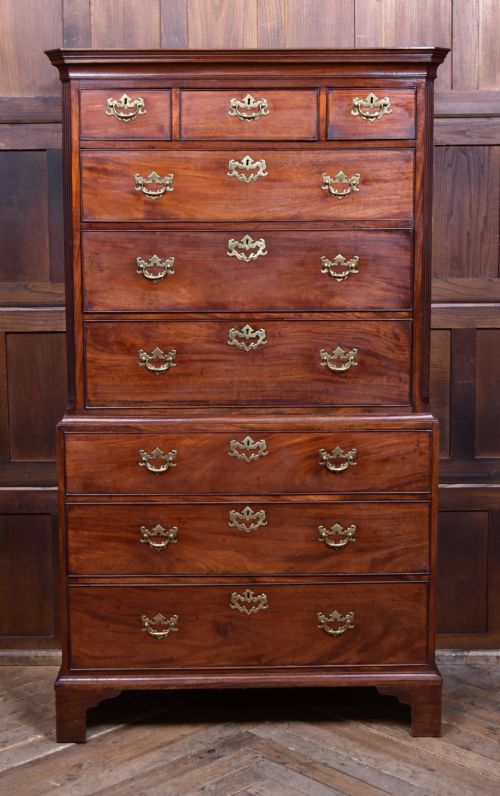
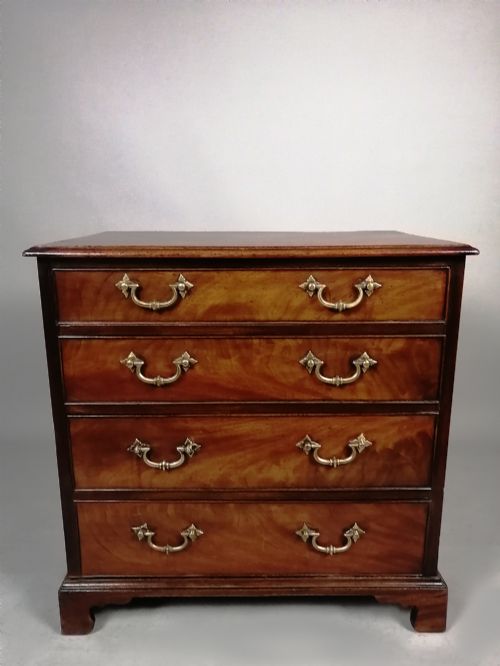
A brown wood bedroom chest grounds the room with useful storage and warm timber grain, spanning Georgian proportions to Edwardian utility.
Brown Wood Bedroom Chest
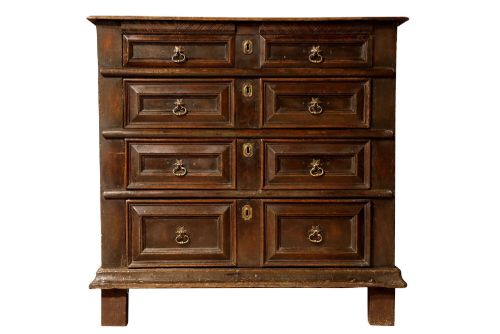
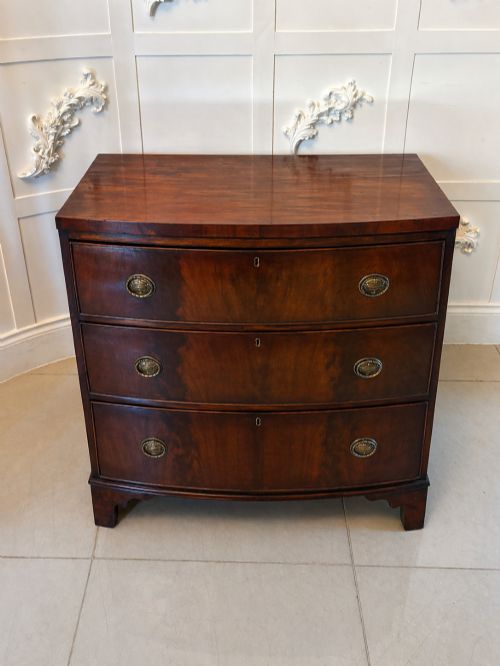
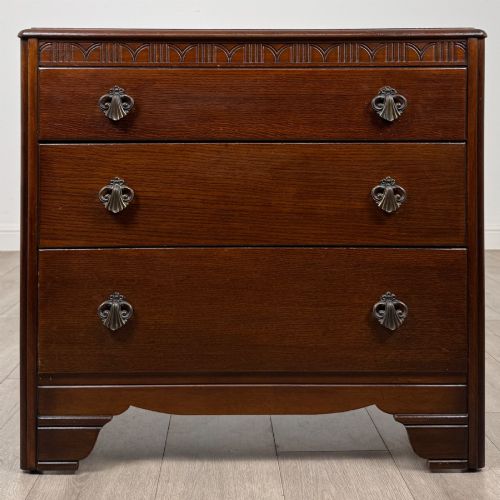
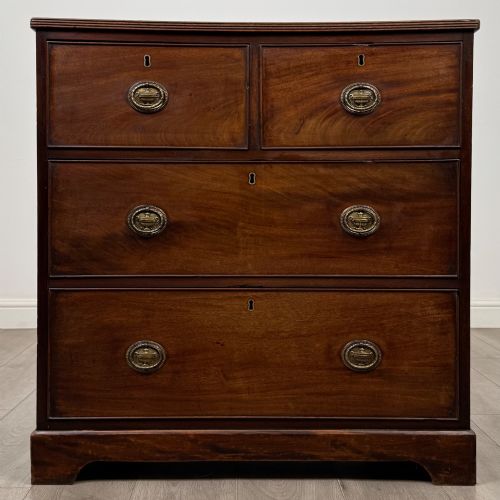
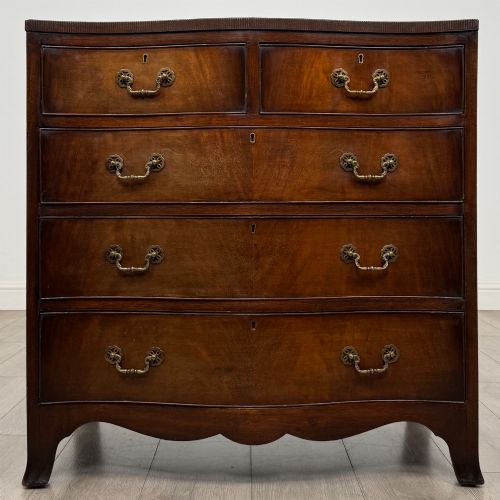
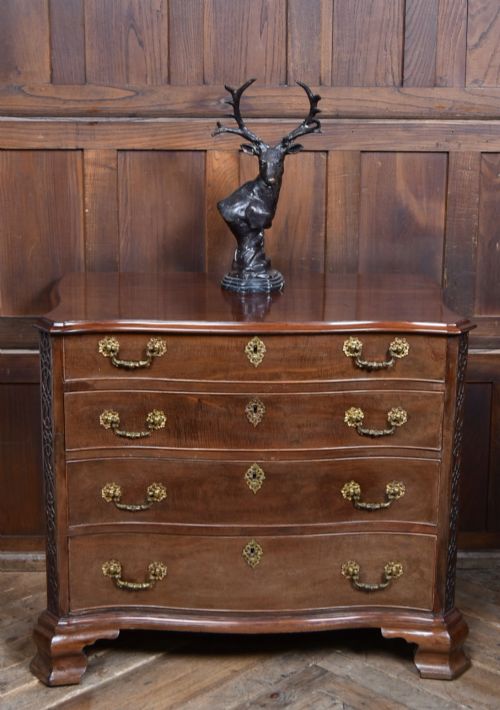
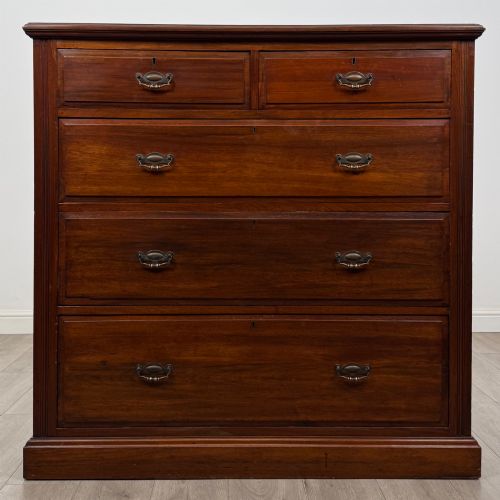
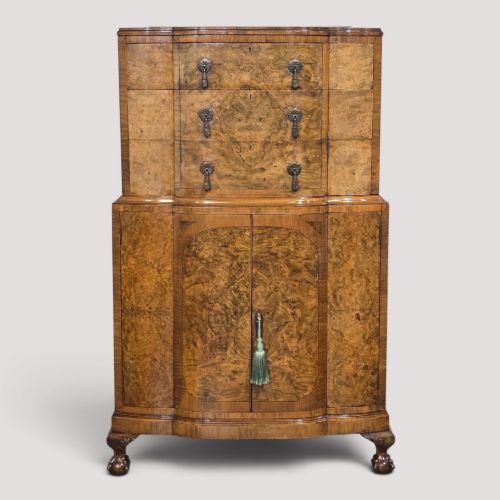
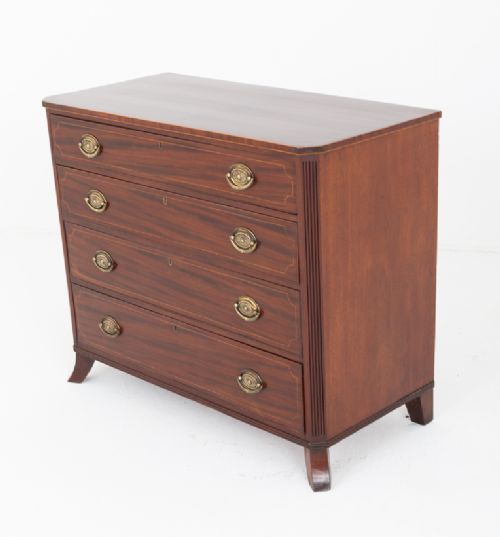
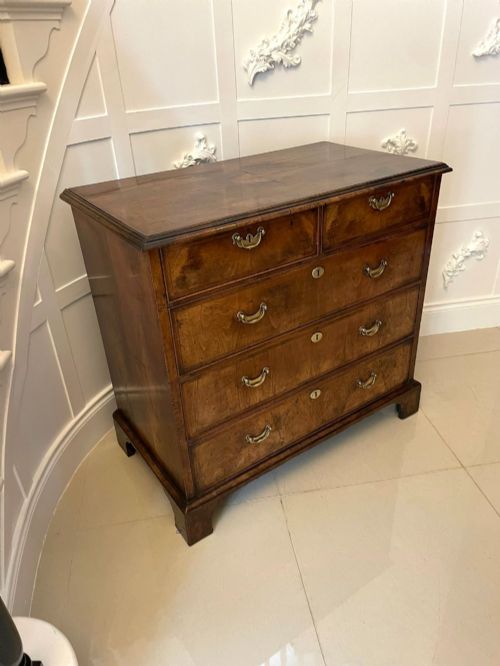
A brown wood bedroom chest appears in various configurations, most frequently as a mahogany or walnut chest of drawers with multiple graduating tiers.
The selection ranges from 18th-century George III pieces and Regency bow fronts to later Edwardian examples and compact bedside tables.
Makers shaped these brown wood bedroom chests to serve practical storage needs in sleeping quarters, often incorporating brass handles and satinwood stringing.
Materials and construction
Cabinet makers built these pieces primarily using solid mahogany, oak, and walnut, frequently applying flame mahogany veneer to drawer fronts for visual depth.
Details such as brass hardware, bone escutcheons, and satinwood inlay demonstrate the traditional joinery methods employed across the Georgian, Victorian, and Edwardian eras.
Some chests hide secret slim drawers tucked just beneath the top moulding, built to guard pocket watches and small coin purses.
Judging execution
Quality rests upon the selection of timber figures, such as figured walnut or flame mahogany, and the precision of the underlying cabinet work.
Refined pieces display careful proportion, intact original brass handles, and clean internal drawer construction rather than heavy alterations.
The Brown Wood Bedroom Chest Glossary
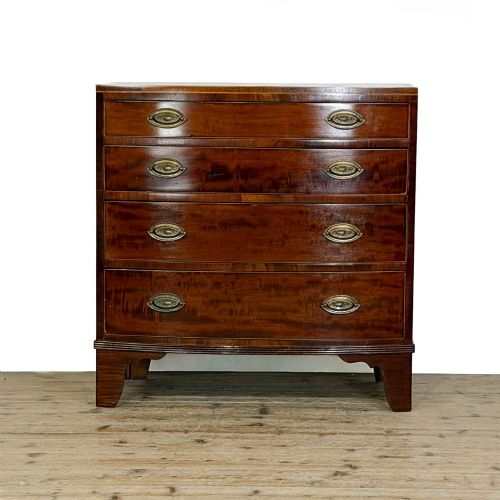
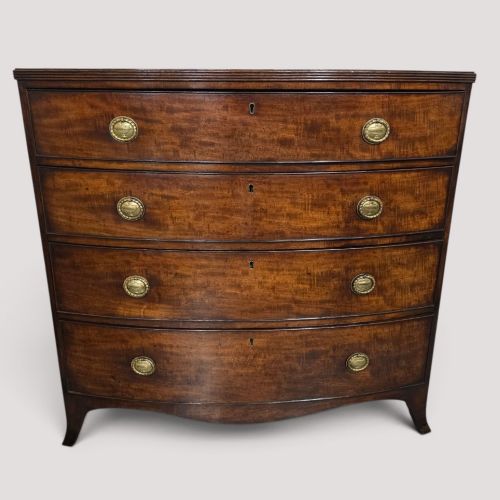
- Bow front
- A convex curved cabinet front that projects outward, common in Regency and Georgian designs. This shape softens the profile of a bedroom chest.
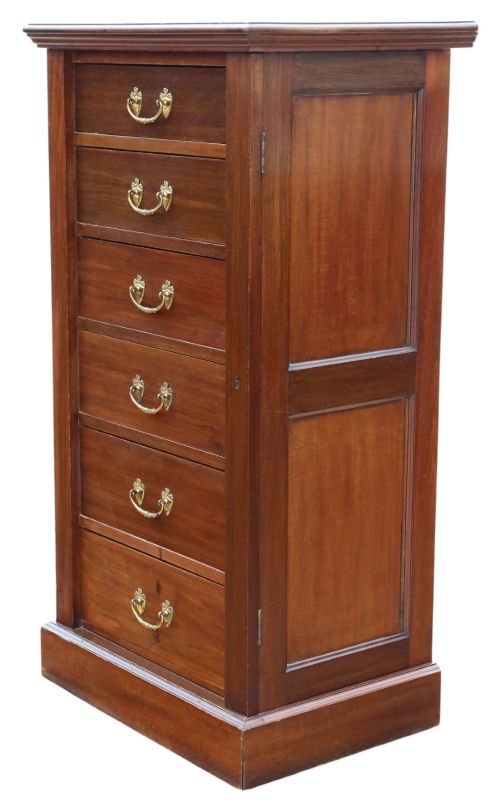
- Wellington chest
- A tall, narrow chest secured by a vertical locking hinge bar down one side. It typically contains six drawers for linen or shirts.
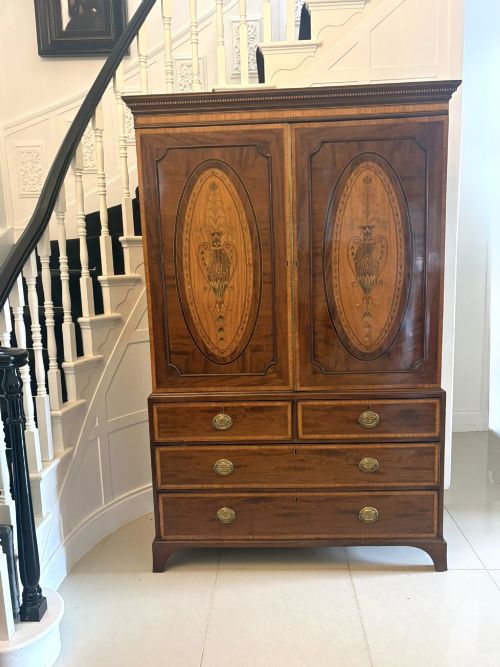
- Linen press
- A tall piece combining upper cupboard doors with lower drawers for textiles. Early versions served households before fitted wardrobes became standard.
- Serpentine outline
- A horizontally undulating front edge curving outward at the centre and inward at the sides. It demands high skill from the woodworker.
- Satinwood banding
- A contrasting pale border inlay set into darker mahogany surfaces. It frames the drawer fronts of late Georgian and Regency pieces.
Brown Wood Bedroom Chest: Frequently Asked Questions
How do I date a chest?
Examine the drawer construction, timber selection, and handle hardware to estimate the period of manufacture.
Earlier pieces often show hand-cut dovetails and native oak secondary woods, while later Edwardian examples display machine precision.
What woods are common?
Mahogany, walnut, and oak dominate these listings, supported by secondary timbers like pine in drawer linings.
Cabinet makers also used flame veneers and satinwood bandings for decorative contrast on primary surfaces.
Are bedside chests period?
Bedside chests and cabinets appear across several eras, matching the timber and style of larger wardrobe furniture.
Pairs often emerge from the 19th and early 20th centuries to flank a bed frame.
How do I maintain timber?
Keep wooden surfaces away from direct heat sources and sudden humidity shifts to protect the polish and veneer.
Regular dusting with a dry cloth preserves the natural lustre of the mahogany or walnut grain.