

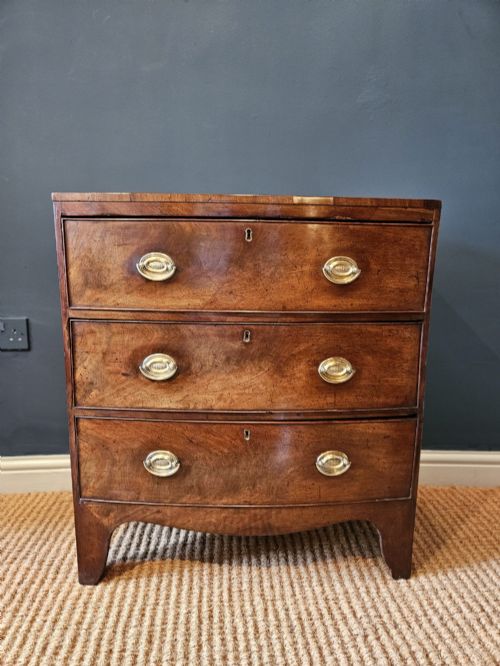
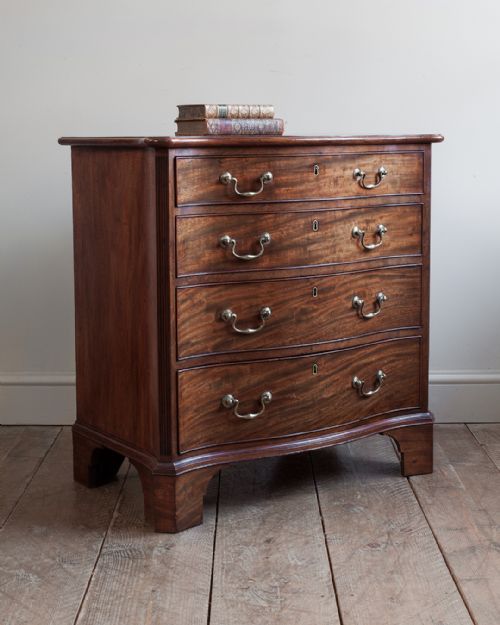
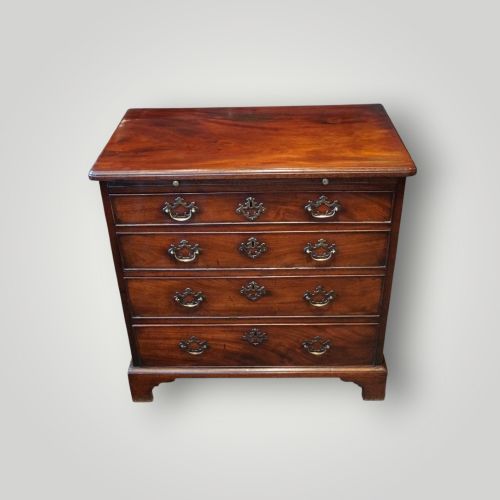
Compact Mahogany Drawers
Compact mahogany drawers offer neat storage through Georgian, Regency and Victorian forms built for smaller rooms.
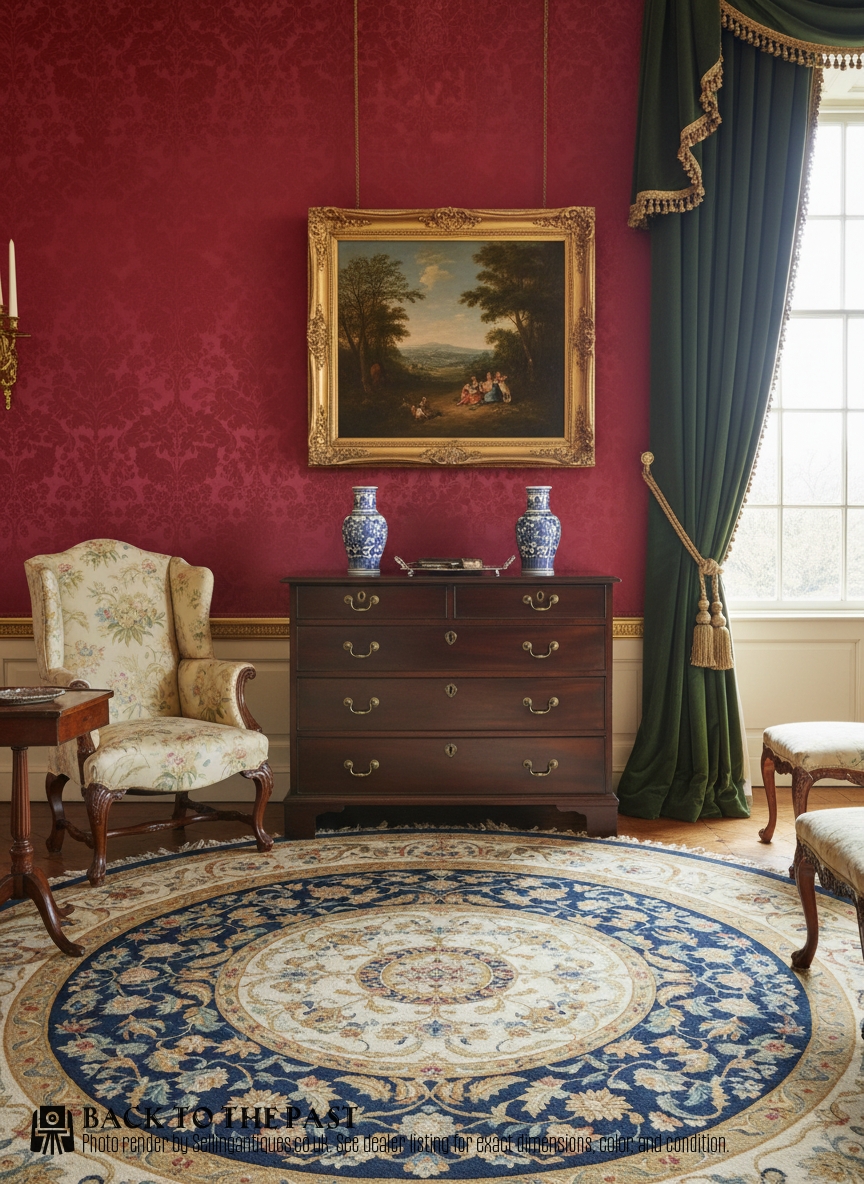
Compact Mahogany Drawers
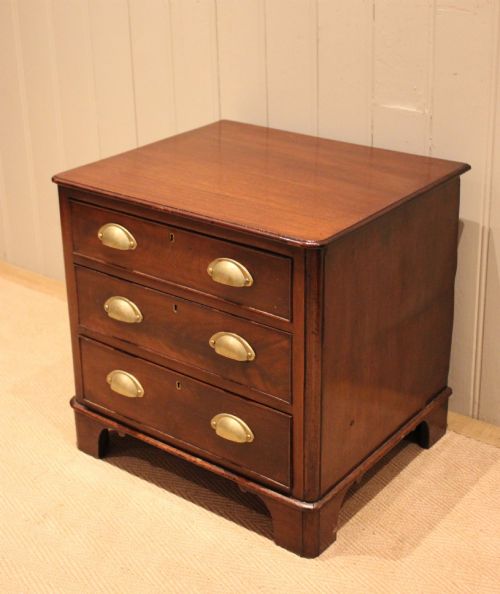
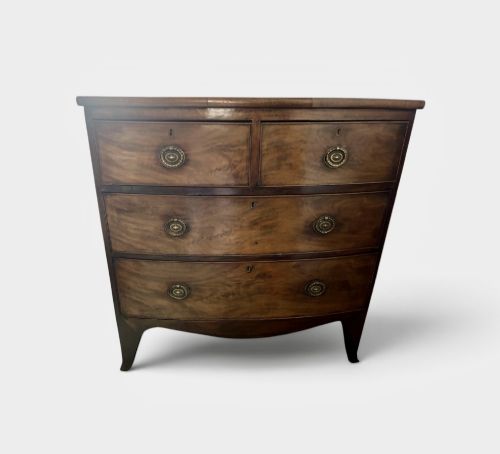
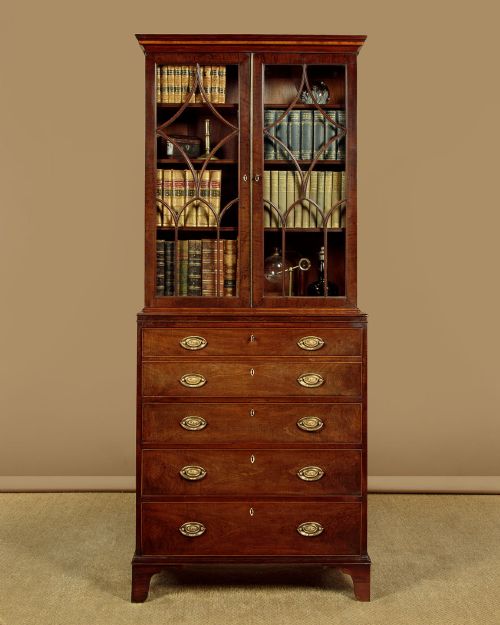
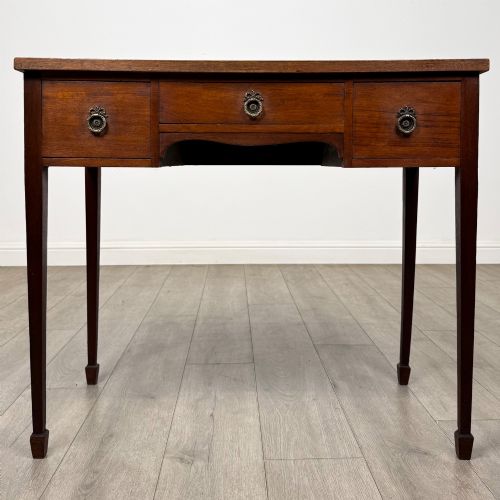
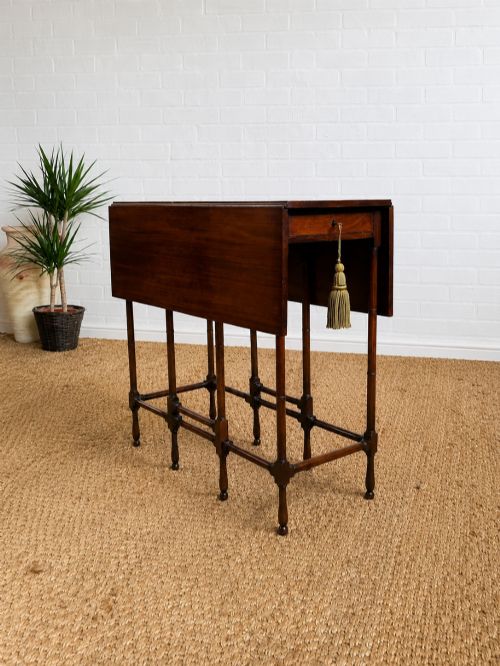
Compact mahogany drawers include chests, bureau bookcases, writing desks and bachelors' chests produced across the eighteenth, nineteenth and early twentieth centuries. These pieces serve domestic storage and writing needs while occupying minimal floor space in domestic interiors.
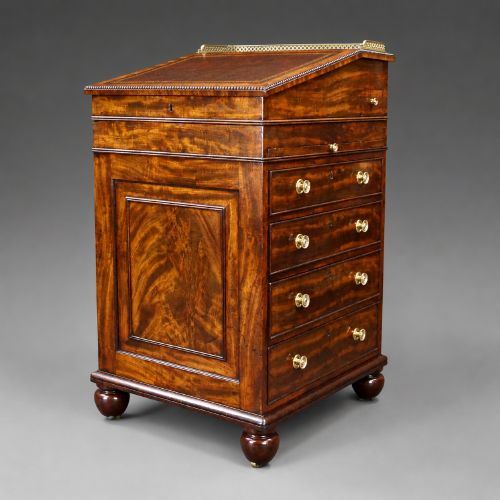
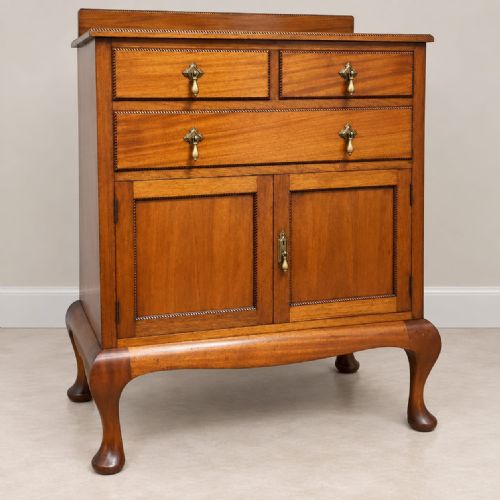
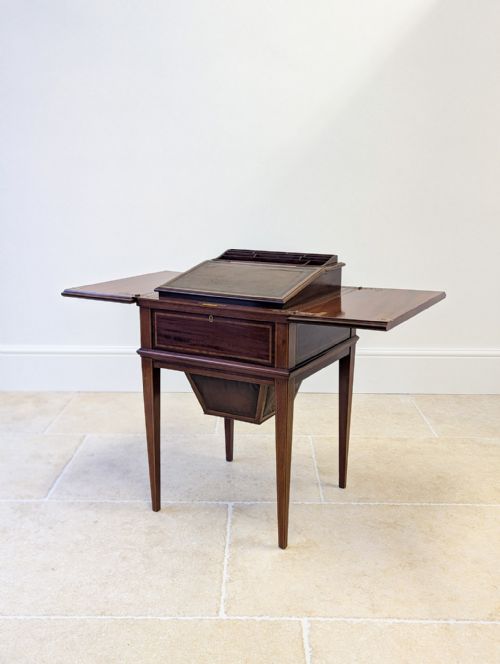
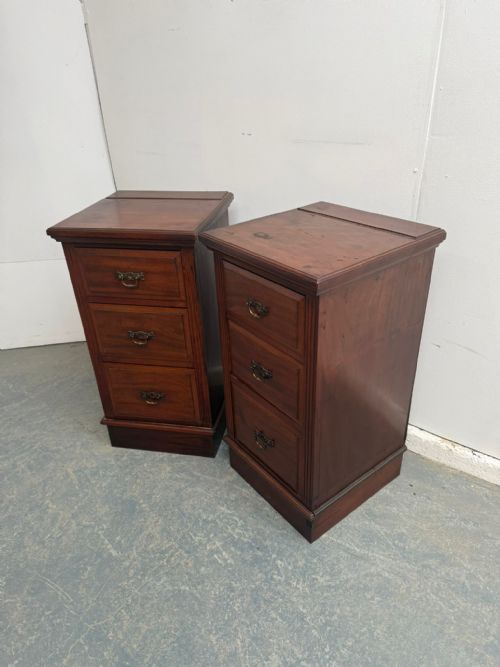
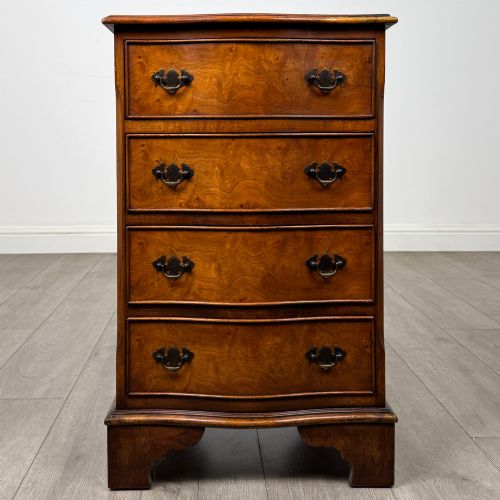
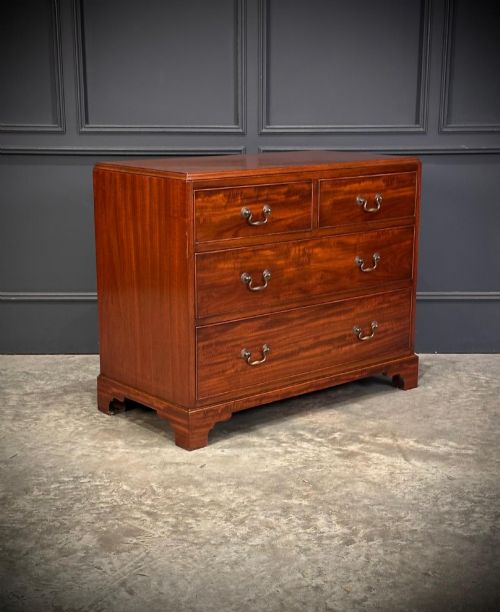
The selections on this page span Georgian, Regency, Victorian and Edwardian periods, appearing in bow front, serpentine and straight forms. Buyers frequently encounter smaller drawer chests, Davenport desks and bachelors' chests with bracket feet or turned legs.
Makers such as Gillows appear alongside vernacular workshop pieces, reflecting both high-end cabinet making and provincial trade production. The fundamental appeal lies in disciplined proportions combined with figured timber figure.
How They Were Made
Cabinet makers utilised solid mahogany and flame mahogany veneers laid over secondary timbers like oak and pine, applying brass handles, locks and leather writing surfaces. Grain selection guided the visual impact, particularly on drawer fronts where flame and figured patterns create depth.
Construction techniques include dovetail joints on drawer carcases and solid bracket feet or turned supports fixed to the base. Secondary woods and internal partitions reveal traditional hand-tool methods from eighteenth- and nineteenth-century workshops.
Listings span Georgian, Regency, Victorian and Edwardian periods, featuring mahogany, flame mahogany, burr walnut and satinwood inlay.
What Varies in Quality
Quality rests upon the selection of timber, the crispness of cabinet joints and the retention of original hardware such as brass drop handles and escutcheons. Pieces with matched flame mahogany veneers and precise dovetailing represent higher workshop standards.
Proportions and untouched surfaces distinguish finer examples, where secondary timbers remain original and drawer linings show honest age. Alterations to feet, handles or interior fittings diminish the integrity of the piece.
Gillows
The Compact Mahogany Drawers Glossary
- Flame mahogany
- Timber cut from the fork of the tree where the grain twists to create a distinctive flickering flame pattern. This veneer was prized for principal drawer fronts on finer Georgian and Regency furniture.
- Bachelors chest
- A low chest of drawers featuring a fold-over top or a brushing slide intended for writing. These versatile pieces date predominantly from the eighteenth century.
- Davenport
- A small compact desk featuring a sloping writing surface above a pedestal of drawers. This form became popular during the Regency and Victorian periods.
- Bracket foot
- A structural foot extending from the corners of a case piece, shaped like a bracket and typical of eighteenth-century cabinet work.
- Serpentine
- A curved front shape on a chest of drawers that sweeps outward at the sides and inward at the centre. This profile requires advanced joinery skills.
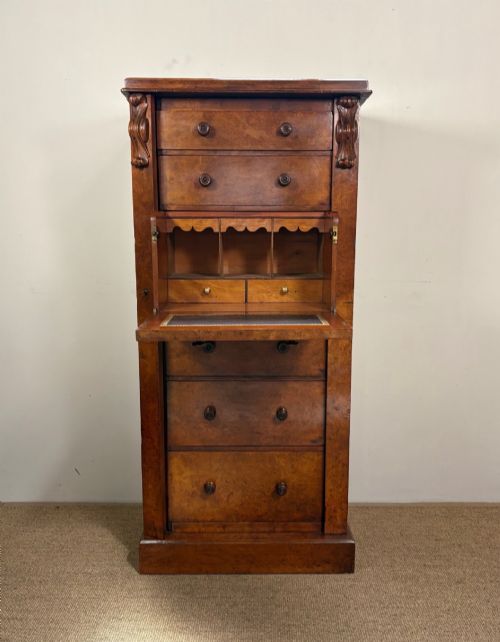
- Wellington chest
- A tall, narrow chest of drawers secured by a hinged locking side stile that fastens over the drawer edges. It takes its name from the Duke of Wellington.
Compact Mahogany Drawers: Frequently Asked Questions
What rooms suit compact mahogany drawers?
These small pieces fit bedrooms, studies and hallways where floor space is limited. Their modest proportions provide functional storage without overwhelming narrow or small rooms.
They pair easily with traditional and modern interiors alike, serving as bedside tables, writing desks or auxiliary drawer units.
How do I date a mahogany chest?
Dating relies on architectural details, handle styles, timber choice and construction methods such as hand-cut dovetails. Georgian pieces often feature bracket feet and oak linings, while Victorian examples show machine assistance and turned feet.
Secondary woods and backboards also offer clues to the workshop era and geographic origin of the cabinet maker.
What is a bachelors chest used for?
A bachelors chest combines a low drawer unit with a sliding writing board or fold-over top for correspondence. It functioned as a multi-use bedroom or dressing room item.
Today these versatile chests serve as bedside stands or compact hall storage with a practical surface for daily items.
Are these pieces made of solid mahogany?
Most pieces combine solid mahogany frames with figured mahogany veneers on drawer fronts and primary surfaces. Secondary timbers like oak, pine or deal appear on drawer linings and backboards.
This construction method prevented warping while displaying the most decorative grain patterns on the exterior.