

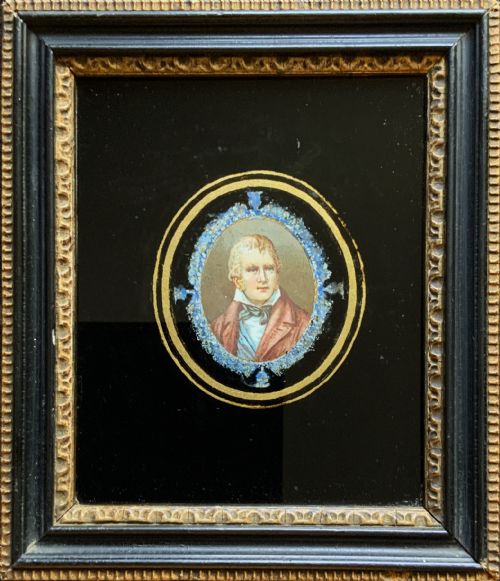


Small Framed Artwork
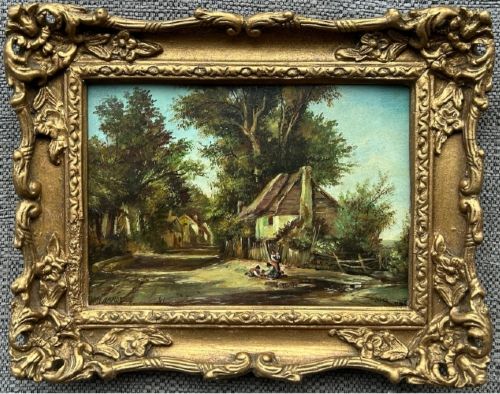
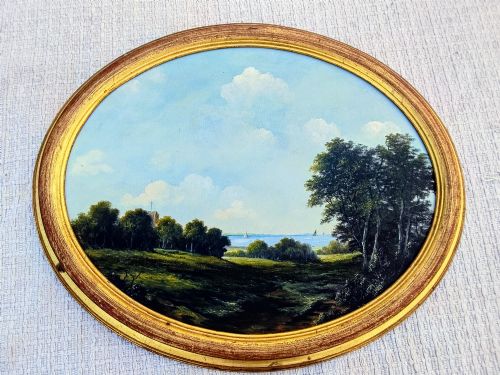
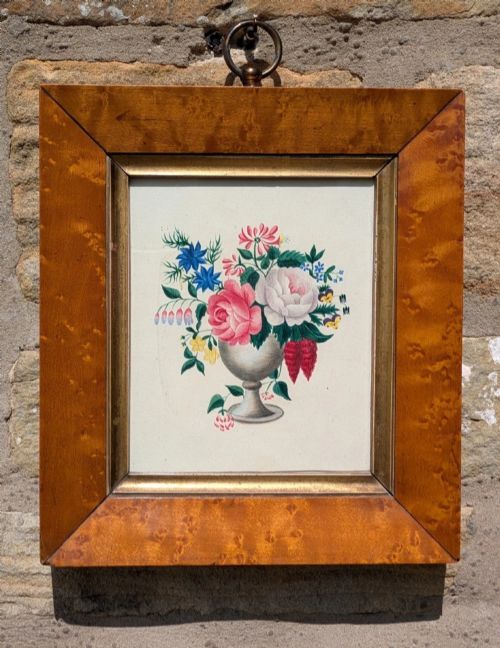
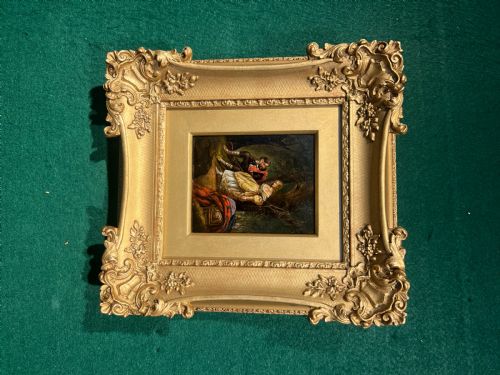
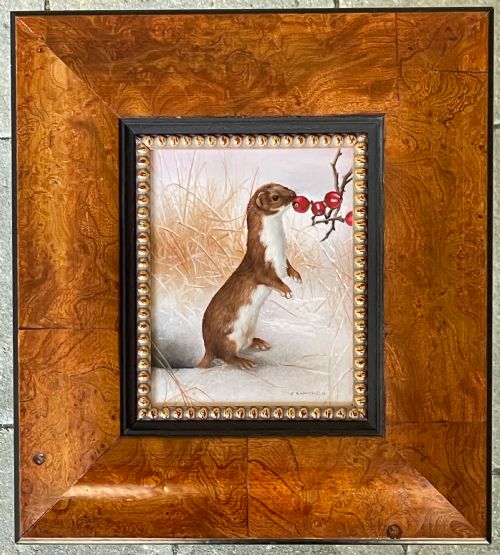
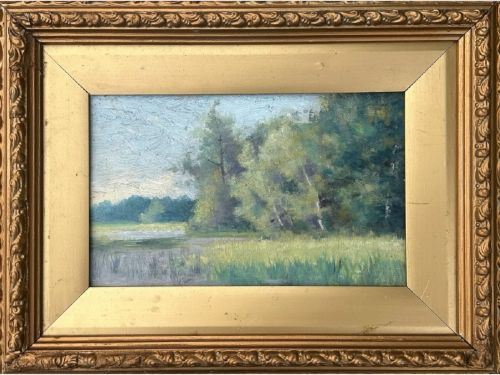
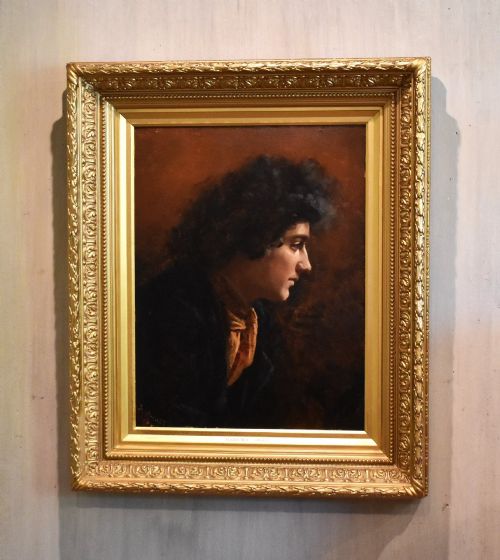
Small framed artwork brings together intimate portraits, landscapes, and botanical studies executed in oil, watercolour, and pastel within period surrounds.
Small Framed Artwork
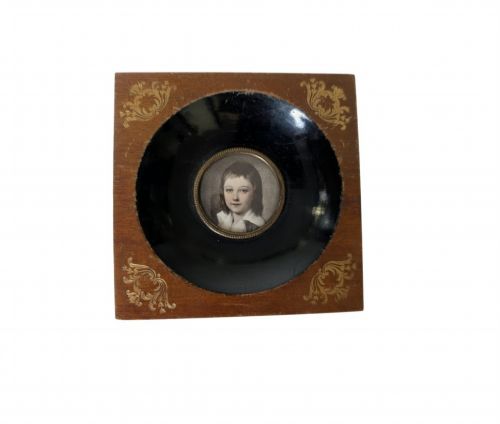
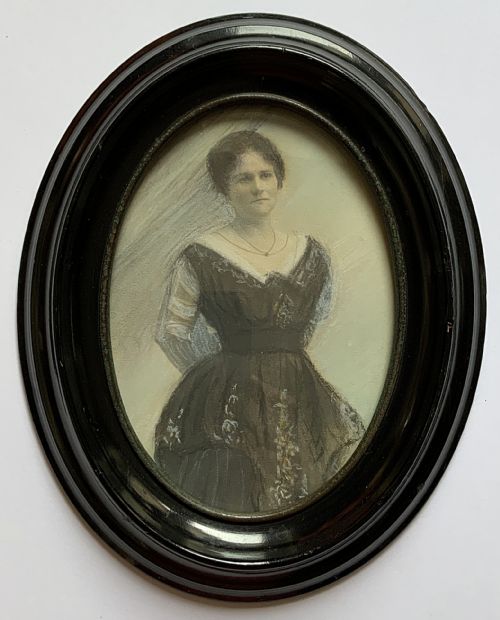
Small framed artwork spans compact paintings, watercolours, and portrait miniatures created across the eighteenth, nineteenth, and early twentieth centuries.
Buyers encounter subjects ranging from botanical studies and landscape scenes to animal portraits and human likenesses executed by various named artists and schools.
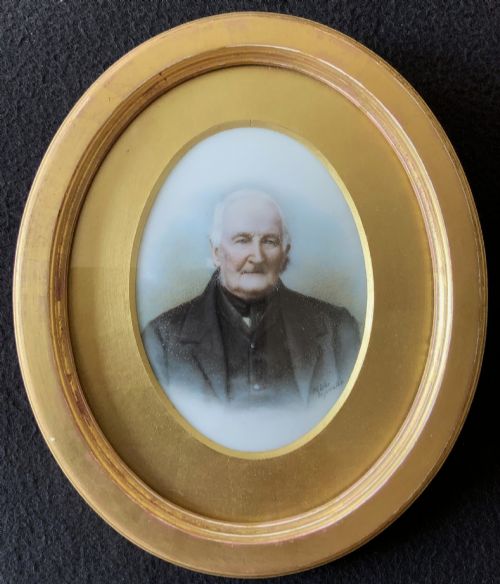
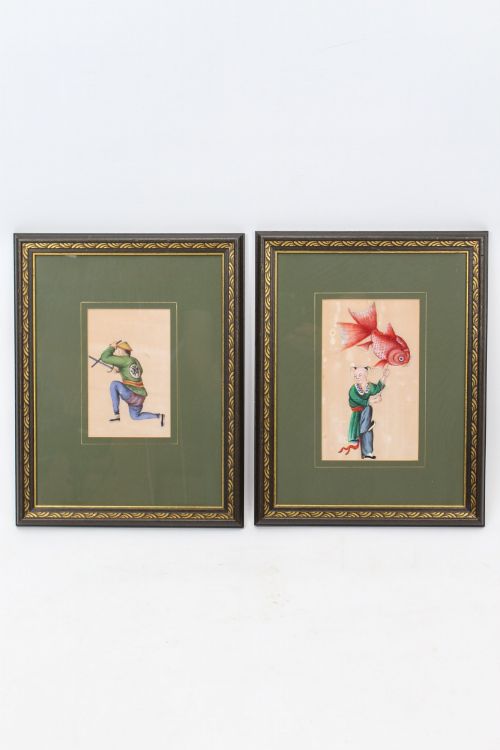
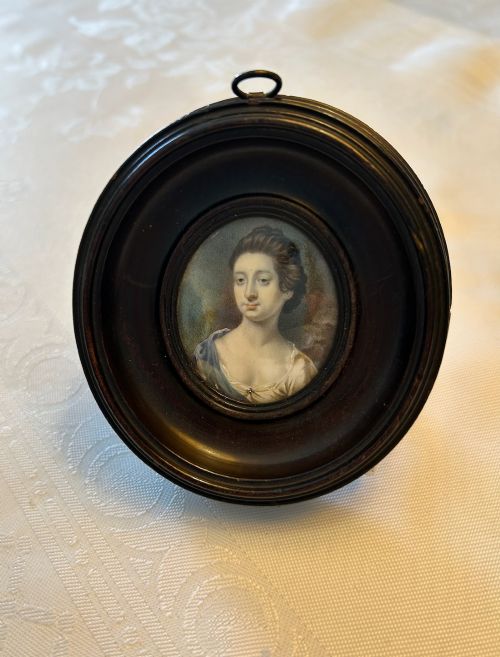
The objects frequently take the form of miniature formats, oval panels, and paired arrangements housed in period wooden and gilt surrounds.
Materials and construction
Makers utilised oil paint, watercolour, pastel, and acrylic applied to panel, canvas, board, paper, glass, and ivory supports.
Surrounds incorporate wood, ebonised elements, and gilt frames finished with gold leaf to house the compact compositions.
Among the historical portraits and landscapes sits a surprisingly stylish cat painted in oil pastels.
Judging quality in small framed artwork
Quality rests upon the precision of brushwork and the subtlety of colour within the confined dimensions of the piece.
The integrity of the original frame and the clarity of the underlying support contribute significantly to the standing of the work.
William Howard Hardy·Carl Whitfield·Maud Raphael Jones·Florence Small·Miles Birkett Foster·Evelyn Chester·Samuel Raven·Eugene Verboeckhoven·J Phipps·M C Hider·Kershaw Schofield·Andreas Schelfhout·Cornelius Pearson
The Small Framed Artwork Glossary
- Miniature painting
- A small-scale portrait or scene requiring fine detail, often executed on ivory, vellum, or paper.
- Gilt wood
- Wood carved and coated with gold leaf or metallic gilt, commonly used for period frames.
- Panel painting
- A painting executed on a flat piece of wood rather than canvas.
- Portrait miniature
- An intimate painted likeness created in a small format, frequently associated with the Georgian and Victorian eras.
Small Framed Artwork: Frequently Asked Questions
What periods do these small artworks cover?
The pieces span from the eighteenth century through the Georgian and Victorian eras into the early twentieth century. Styles range from traditional maritime and Neoclassical to British impressionism and realism.
Dates and attributions appear across panels, canvases, and watercolours created by both named artists and regional schools.
How were these miniature paintings displayed?
These compact works were designed to be hung closely together on domestic walls or kept as intimate portable objects. Many retain their original Hogarth, ebonised, or gilt wood frames.
Pairs and sets often indicate how they were originally grouped within period interiors.
What mediums are used in these pieces?
Artists worked in oil paint, watercolour, pastel, and acrylic on supports including canvas, wood panel, board, paper, glass, and ivory. Frames are constructed from wood with gilt or ebonised finishes.
The combination of delicate paint layers and original glazing defines the physical nature of the work.
How do I identify a portrait miniature?
Portrait miniatures are distinguished by their very small scale and meticulous detail, often depicting individuals from the Georgian or Victorian periods. They frequently appear on ivory, paper, or glass within oval or rectangular surrounds.
Signatures or inscriptions on the reverse sometimes offer clues to the sitter or artist.