


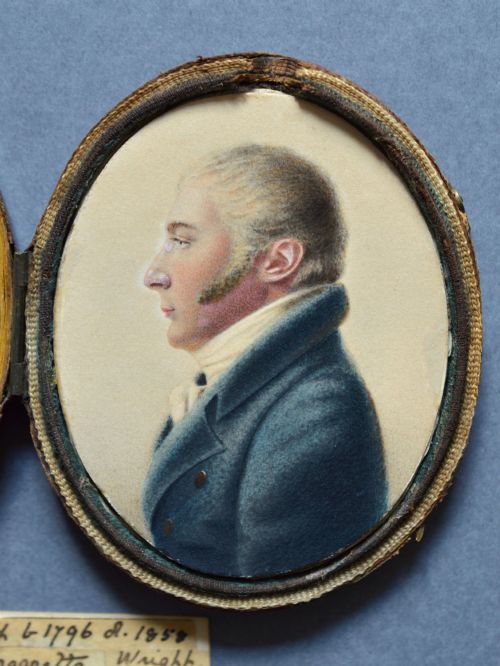
Antique Miniature Frame
When you handle an antique miniature frame, you hold small domestic history made personal by watercolour, silhouette, or ivory within brass, wood, and gold leaf.
Antique Miniature Frame
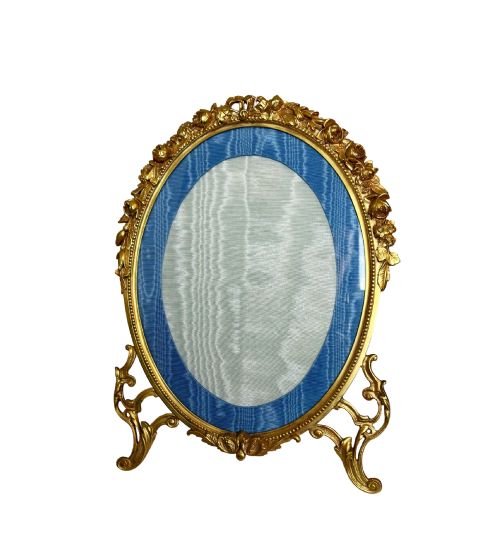
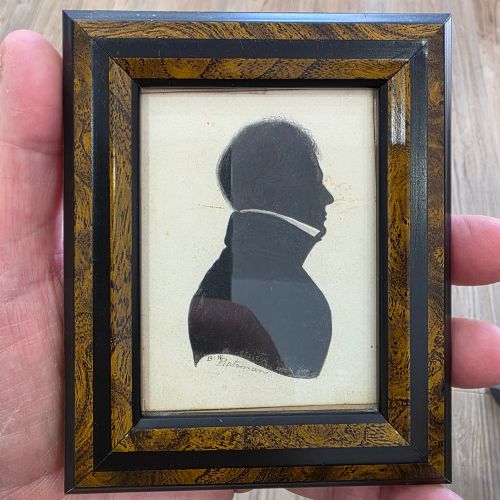
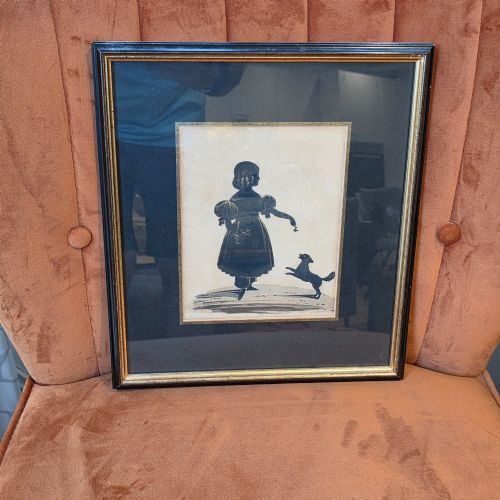
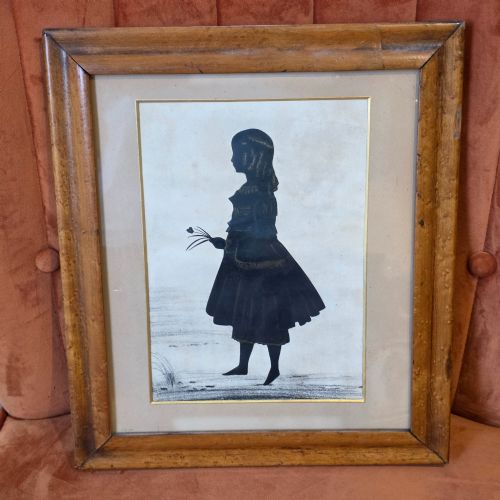
An antique miniature frame encloses small-scale works of art, commonly portrait miniatures, silhouettes, and delicate paintings on ivory, paper, or card. These objects date across the eighteenth and nineteenth centuries, spanning Georgian, Regency, and Victorian periods.
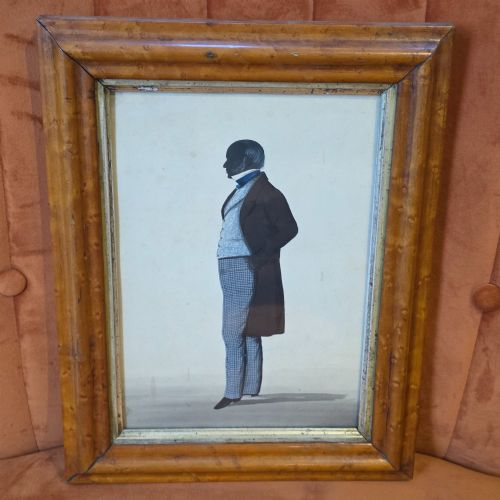
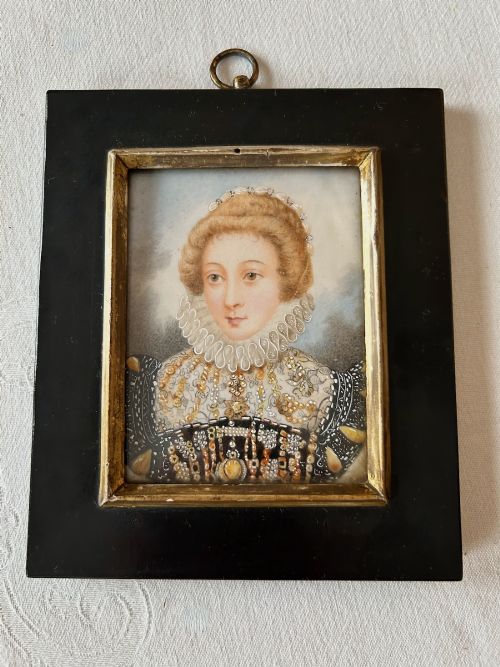
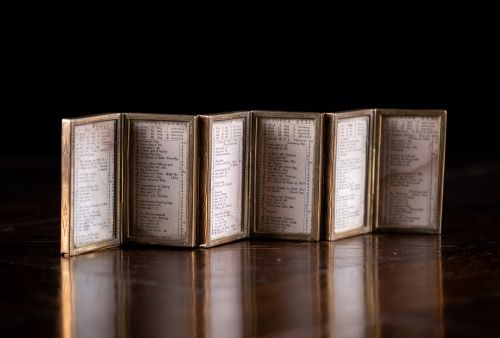
You will frequently encounter portrait miniatures and silhouettes housed in brass, gilt metal, or papier-mâché surrounds. The selection includes travel almanacs in folding mounts and pendant frames alongside classical plaques and landscape studies.
Works originate from various schools, featuring British, Scottish, and continental makers. The smaller domestic items often incorporate hanging loops or strut backs designed for tabletop display.
Materials and Construction
Makers utilised brass, gilt metal, and wood alongside papier-mâché to construct the surrounds, often integrating glass panels to protect delicate paper, watercolour, or silk inserts. Gilt bronze and gold leaf provide the metallic finishes seen on period mounts.
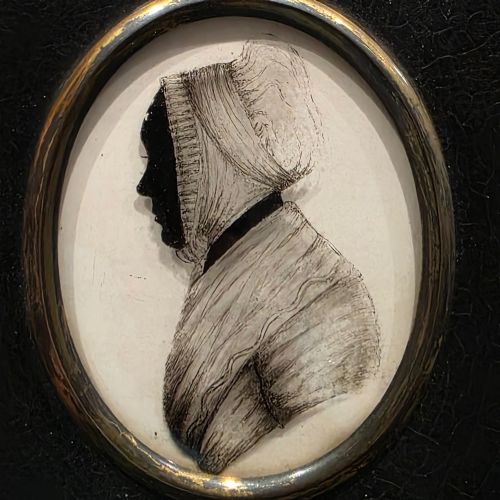
Internal artworks rely on watercolour, ink, and gouache applied to paper, ivory panels, or vellum, while relief portraits employ carved ivory and wax. Silhouette work combines hand-cutting with reverse painting on glass or paper mediums.
Materials span glass, paper, watercolour, wood, brass, gold leaf, gilt metal, and ink.
Quality and Execution
Execution separates standard decorative pieces from exceptional works, visible in the precision of a hand-cut silhouette or the brushwork detail within an enamel portrait. Superior portrait miniatures display fine facial rendering and accurate proportion.
The integrity of the mounting materials dictates worth, with cast bronze, well-preserved gilding, and original convex glass holding precedence over later replacements. Provenance and identifiable artists elevate the standing of individual portrait pieces.
William James Hubard·Henry Bone ARA·James Sharples·Horace Hone·Augustin Edouart·John Miers
The Antique Miniature Frame Glossary
- Silhouette
- A profile portrait filled in with a solid colour, usually black, created from cut paper, painted on glass, or rendered in watercolor.
- Portrait Miniature
- A small-scale painting, highly detailed, traditionally executed on ivory, vellum, or card during the eighteenth and nineteenth centuries.
- Gilt Metal
- Base metal treated with a thin layer of gold or gold-coloured wash to imitate solid precious metal on frames and mounts.
- Reverse Painting
- An artistic technique where the design is applied directly to the back of a glass panel so the image is viewed through the front.
- Papier-mâché
- A composite material made of paper pulp mixed with glue and resin, pressed into moulds to form durable, dark-finished frames.
Antique Miniature Frame: Frequently Asked Questions
How were antique miniature frames displayed?
These small pieces were designed for intimate domestic settings, often hung in clusters on drawing room walls or stood on desks using folding brass struts.
Travel versions featured protective folding cases or hinged mount setups so owners could carry likenesses of family members during journeys.
What subjects appear inside these frames?
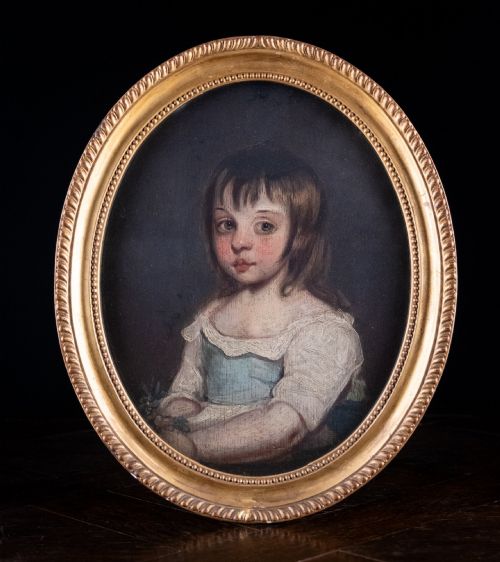
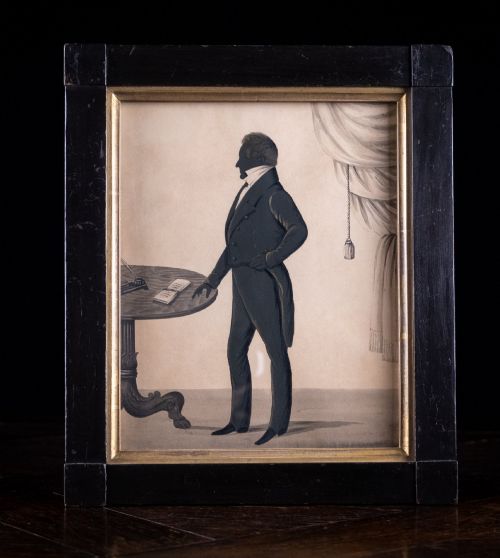
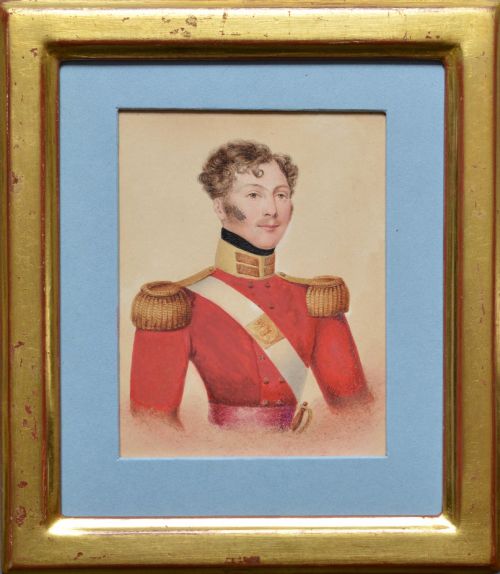
Portraits dominate the selections, ranging from profile silhouettes of gentlemen and ladies to detailed watercolour likenesses of military officers and children.
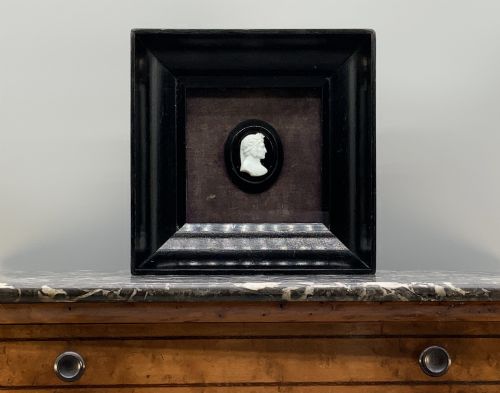
Landscape studies, classical painted plaques, needlework embroideries, and religious scenes also appear within the framed selections.
How do I distinguish Georgian from Victorian examples?
Georgian frames tend towards delicate brass pendants, papier-mâché profiles, and subtle wood housings tailored for intimate silhouettes and early painted miniatures.
Victorian variations often incorporate heavier ormolu mounts, hardstone details, and hinged photograph surrounds reflecting later industrial framing methods.
Are the portraits inside original to the frames?
Many items retain their original matched artwork, glass, and backing papers, preserving the historical pairing established by nineteenth-century or earlier makers.
Some examples show later replacement contents or matched antique frames housing compatible period paintings or prints.