


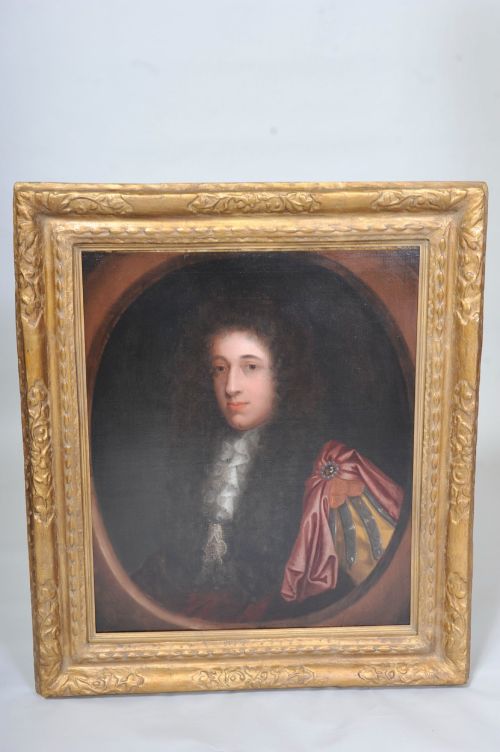
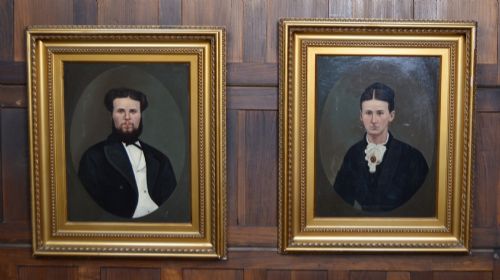
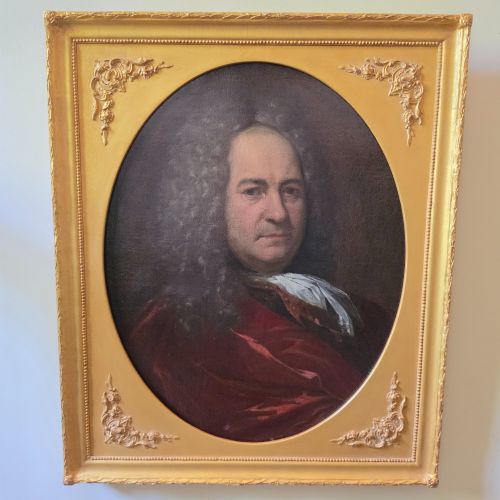

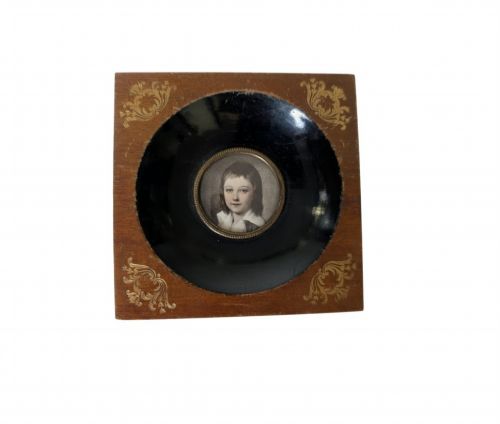





Gilt Spandrel Frame
These gilt spandrel frame pieces enclose centuries of painted portraits, bringing period depth and architectural presence to a wall.
Gilt Spandrel Frame
A gilt spandrel frame surrounds an oil painting, defining the corners and edges of the canvas with carved or moulded ornament. When you search for a gilt spandrel frame, you encounter works spanning the seventeenth, eighteenth, and nineteenth centuries, including British Baroque and Regency styles.
The subjects housed within these surrounds are principally oil paintings on canvas or board, featuring portraits of gentlemen, ladies, and classical subjects like the Madonna and child. These items reflect eras from the Stuart period through to the Edwardian age, often associated with British schools and notable portrait circles.
Many of these framed artworks originate from specific historical decades, such as the late seventeenth century or the mid-nineteenth century, offering a complete period ensemble. The integration of the frame and the oil painting creates a unified decorative object suited to traditional interiors.
How they were made
The construction of these frames relies upon timber substrates built to house canvas or board oil paintings. Artisans applied layers of gesso to the wood to create a smooth, sculptural surface capable of holding crisp architectural and decorative details.
Gold leaf was then applied over the prepared ground to achieve the characteristic gilt finish that catches the light. Painters worked in oil paint upon canvas or prepared board, capturing sitters with fine brushwork before securing the completed work within its frame.
Gilt Spandrel Frame Retail Price Guide 2026
Typical asking prices for gilt spandrel frame among the pieces listed under this phrase on Sellingantiques today, from the lower quarter to the upper quarter. They describe what is for sale here now, not the wider market.
Several gentlemen and ladies from centuries past now gaze across modern rooms from their golden corners.
What varies in quality
The refinement of the carving and moulding within the spandrels dictates the visual impact of the piece. Superior examples exhibit sharp, deep relief work in the gesso and gold leaf, whereas lesser pieces show softer, shallower definition.
The fidelity and skill of the portraiture itself vary across the selection, distinguishing works by skilled followers or circles of known painters from more generic workshop productions. The harmony between the framing and the enclosed oil painting further determines the overall cohesion of the artwork.
Michael Dahl·Thomas Murray·John Vanderbank·Allan Ramsay·John Riley·Sir Godfrey Kneller·Thomas Hudson·Angelica Kauffman
The Gilt Spandrel Frame Glossary
- Spandrel frame
- A picture frame featuring decorated corners or transitional sections that visually narrow the composition towards the centre. This design is frequently found on seventeenth and eighteenth-century British portraits.
- Gesso
- A plaster-like mixture applied to wood frames as a base for gilding. It allows craftsmen to carve and shape intricate decorative details before applying gold leaf.
- Giltwood
- Timber that has been coated with gold leaf or powder. It provides the bright, reflective surface characteristic of formal antique frames.
- Oil on canvas
- Pigment mixed with drying oil applied to a stretched woven fabric support. This medium dominates the historical portraiture found within these frames.
- Baroque
- An ornate artistic style prevalent in the seventeenth and early eighteenth centuries. It influences the dramatic lighting in the paintings and the robust ornamentation of the frames.
Gilt Spandrel Frame: Frequently Asked Questions
How do I date a gilt spandrel frame?
Dating relies upon the timber construction methods, the profile of the mouldings, and the style of the gesso decoration. Earlier seventeenth-century examples tend to display heavier, more architectural profiles compared to later Regency versions.
The enclosed oil painting often provides a contemporaneous date through costume, hair styling, and painting technique. Examining the interaction between the rebate and the stretcher helps confirm if the frame and artwork have a long association.
Where should I hang a framed portrait?
These pieces suit traditional reception rooms, studies, and hallway spaces where their dark oil palettes and gold frames can command attention. Placing them away from direct sunlight protects both the canvas and the gilt surface from fading.
Because of their weight, secure wall fixings into masonry or firm timber studs are essential for safe display. Hanging them at eye level allows the viewer to appreciate the fine details of the portrait and the spandrel corners.
How do I clean giltwood frames?
Dusting requires a very soft, dry brush or a clean feather duster to remove loose particles without disturbing the fragile gold leaf. Moisture and chemical cleaners should be avoided, as they can strip the delicate gilding and gesso layers.
Professional conservation is recommended if the surface accumulates stubborn grime or if the gesso begins to flake. Regular, gentle maintenance preserves the historical patina of the timber and metal leaf.
Are these paintings original or copies?
The selection includes period original portraits from the seventeenth to nineteenth centuries, alongside historical copies and works produced in the manner or circle of major painters. Attributions often point to followers or studios rather than primary hands.
Examining the canvas weave, stretcher construction, and pigment ageing helps establish the historical bracket of the artwork. Each listing records the specific period and school associated with the piece.