

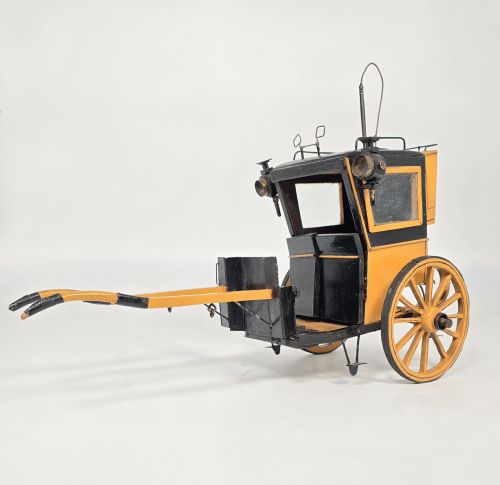


Early Victorian Miniature
An early victorian miniature brings remarkable scale and intimacy to your collection through delicate portraits, fine furniture, and small-scale metalwork.
Early Victorian Miniature
When searching for an early victorian miniature, buyers encounter a diverse selection of small-scale objects including portrait paintings, cut paper silhouettes, and miniature chests of drawers.
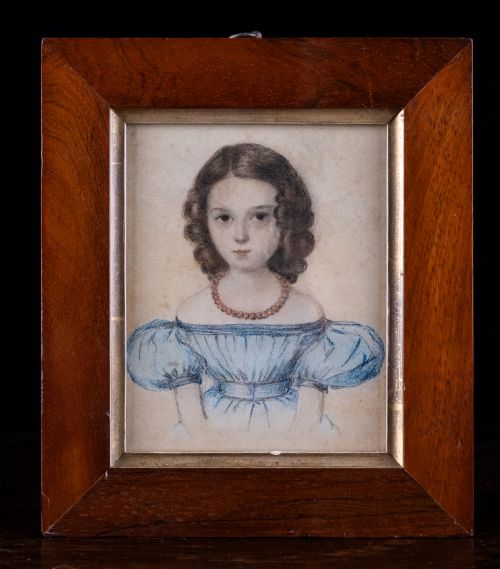
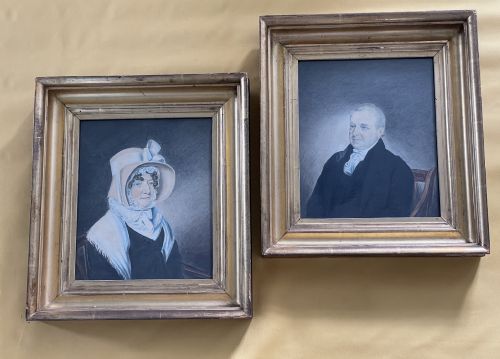
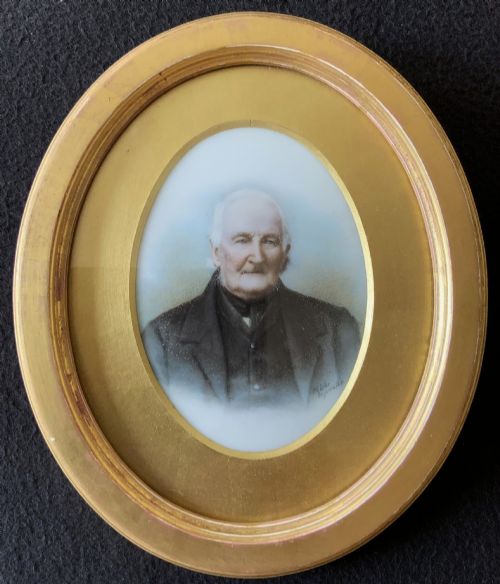
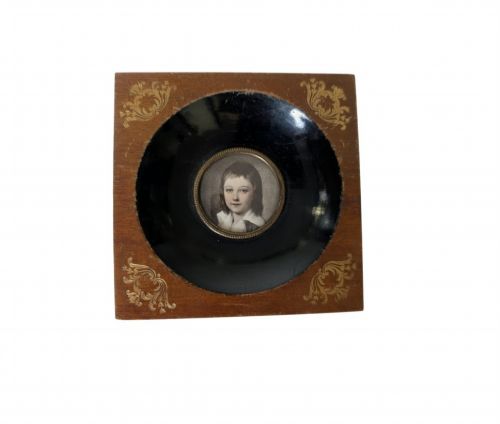
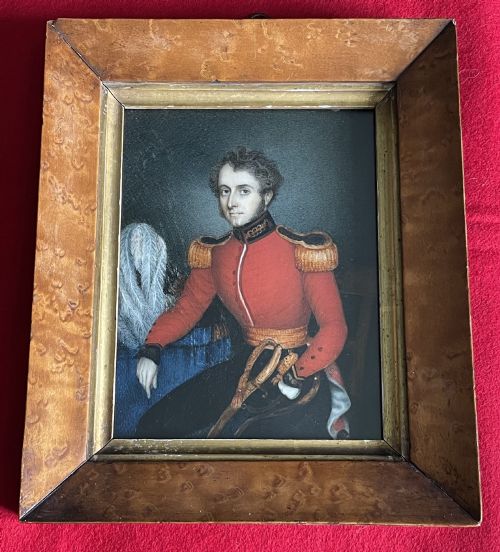
The portrait paintings and watercolours on this page frequently capture individual likenesses of sitters from the nineteenth century, often housed in original ebonised, maple, or rosewood frames.
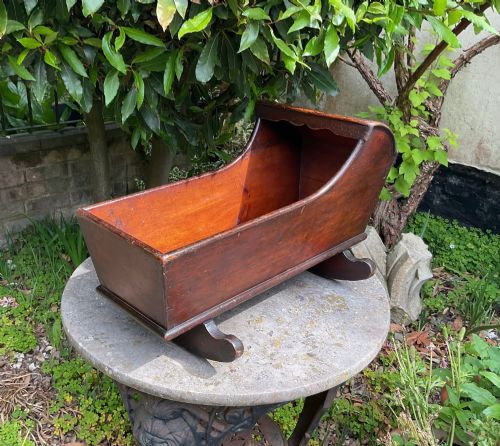
Beyond framed artwork, the selection includes diminutive furniture forms such as ash and elm child chairs, rocking chairs, and mahogany salesman pieces constructed with genuine cabinet-making techniques.
Materials and Construction
Makers utilised traditional timber such as mahogany, rosewood, ash, and elm to build small furniture and cabinets, frequently employing turned feet and carved details on a reduced scale.
Portraits and silhouettes rely on delicate media including watercolour on glass, card, or paper, paired with cut paper profiles and occasionally enhanced with gold leaf.
Metalwork and personal accessories incorporate silver, brass, and overlay glass, demonstrating precise craftsmanship in scent bottles, pocket barometers, and small utilitarian items.
Early Victorian Miniature Retail Price Guide 2026
Typical asking prices for early victorian miniature among the pieces listed under this phrase on Sellingantiques today, from the lower quarter to the upper quarter. They describe what is for sale here now, not the wider market.
A tiny bronze study of a frog leaps straight out of the nineteenth century into modern collections.
Evaluating Quality
The standard of portrait miniatures depends on the precision of the brushwork and the psychological depth achieved by the artist within a tiny canvas.
In miniature furniture, quality rests on the fidelity of the proportions, the choice of burr walnut or figured mahogany, and the integrity of the original turned supports.
Survival of original elements such as ebonised frames, glass covers, and maker signatures elevates the historical interest of painted and silhouette works.
William James Hubard·The Hubard Gallery London·William Egley·J Bizo·WE & F Newton of Fleet Street
The Early Victorian Miniature Glossary
- Silhouette
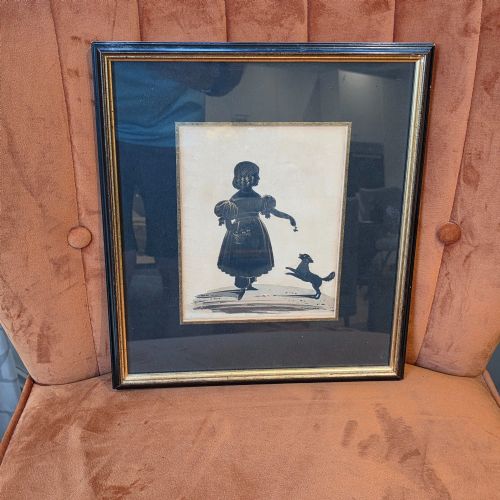
- A solid profile portrait, typically cut from black paper or painted in monochrome against a contrasting background. These depictions range from simple hollow-cut examples to detailed works highlighted with gold leaf.
- Watercolour
- A painting method using pigment suspended in water-based solution, frequently applied to paper, card, or glass for miniature portraits. The technique allows for translucent washes and fine facial details.
- Salesman Piece
- A portable scaled-down model of a full-sized item of furniture created by craftsmen to demonstrate designs to prospective clients. These objects display the same joinery as domestic furniture.
- Ebonised
- Wood treated with a dark stain or finish to imitate ebony. This treatment was common for nineteenth-century picture frames holding paper silhouettes and portrait watercolours.
- Baleen
- A flexible material harvested from the baleen plates of whales, historically used for small turned or carved items. It appears in utilitarian scientific instruments from the period.
Early Victorian Miniature: Frequently Asked Questions
What is an early victorian miniature?
An early victorian miniature refers to small-scale portraits, furniture models, or personal objects produced during the nineteenth century. These pieces reflect the domestic tastes and precise craftsmanship of the period.
Items range from watercolour paintings of sitters in maple frames to miniature mahogany chests of drawers and silver scent bottles.
How were portrait miniatures displayed?
Portrait miniatures were typically housed in small protective frames made of wood like rosewood or ebonised timber. Many included glass covers to protect the delicate watercolour or silhouette from dust and handling.
Owners kept them on tables, hung them in intimate groupings on walls, or carried personal versions in travel cases.
What woods were used for miniature furniture?
Cabinet makers utilised domestic and exotic hardwoods such as mahogany, rosewood, burr walnut, ash, and elm. These timbers mirrored the materials used in full-sized domestic furniture of the era.
Turned feet, miniature drawers, and carved details were constructed using traditional joinery methods scaled down for the smaller format.
How do I identify a silhouette portrait?
Silhouettes feature a profile likeness of a sitter, cut from paper or painted in black pigment against a light background. Artists often added subtle details in ink or gold leaf to define hair, lace collars, or clothing.
They frequently date from the early nineteenth century and appear within modest rectangular frames.