
Small Brass Drawers
Small brass drawers comprise compact storage pieces fitted with metal handles and mounts, offering practical utility and period character for collectors.
Small Brass Drawers
When you search for small brass drawers, you encounter compact chests, cabinets, and writing furniture originating from the eighteenth, nineteenth, and early twentieth centuries. These pieces span Georgian, Regency, Victorian, and Edwardian eras, reflecting the domestic and utilitarian requirements of their respective times.
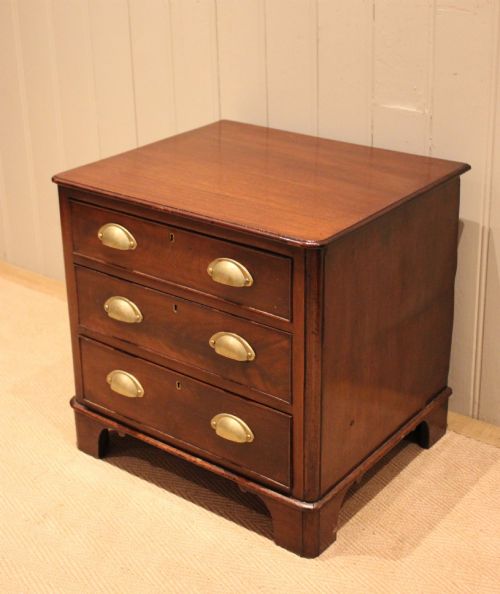
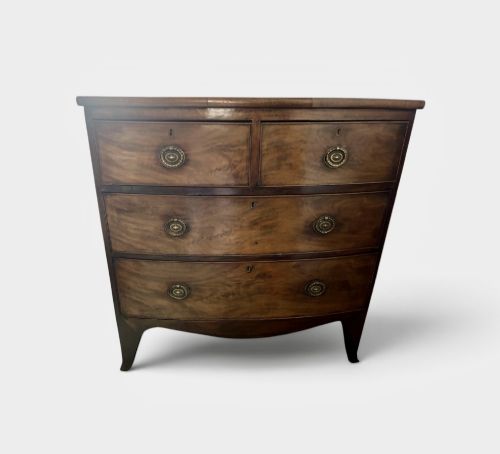
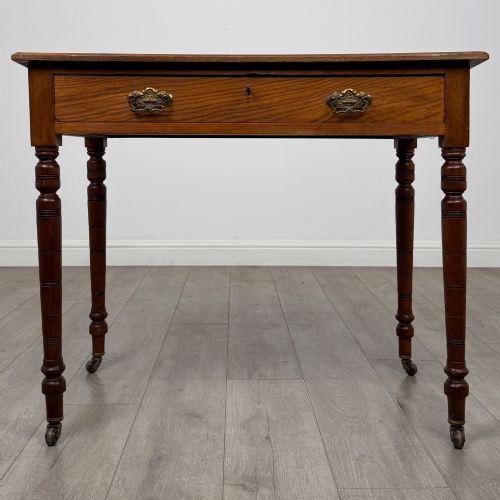
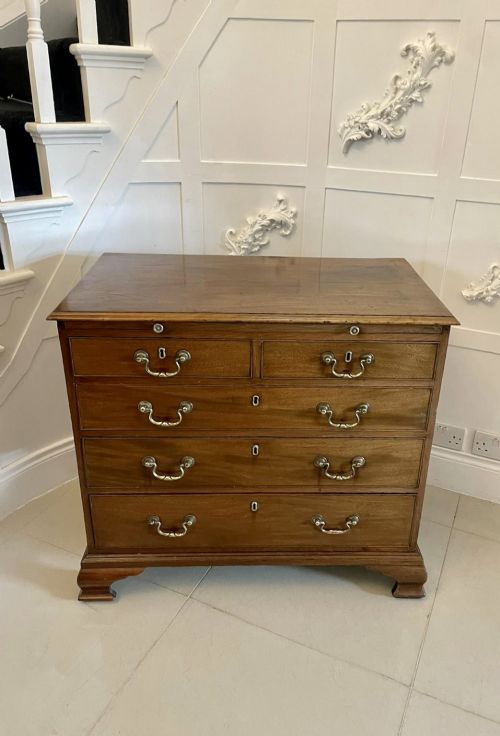
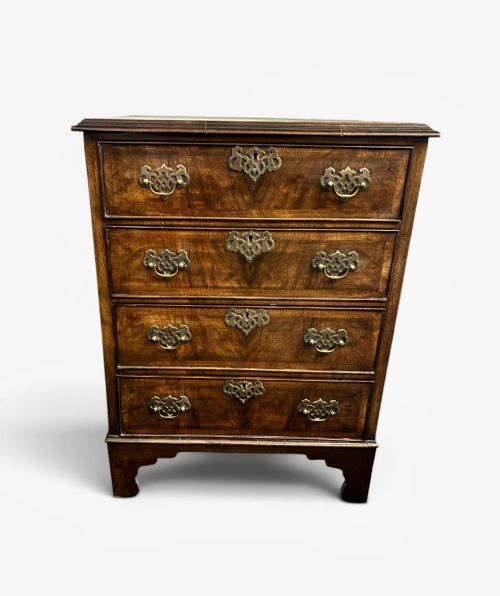
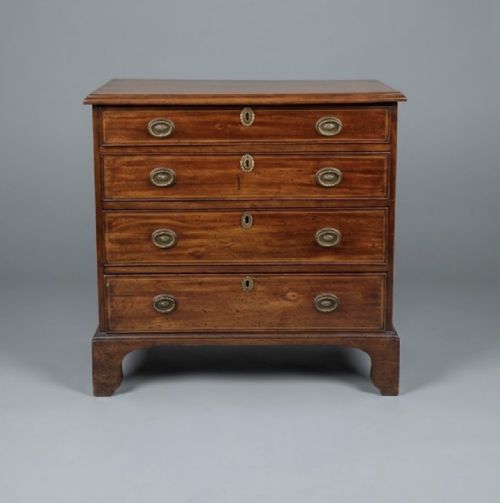
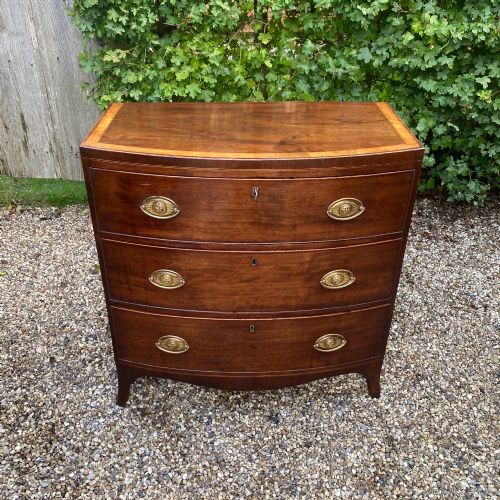
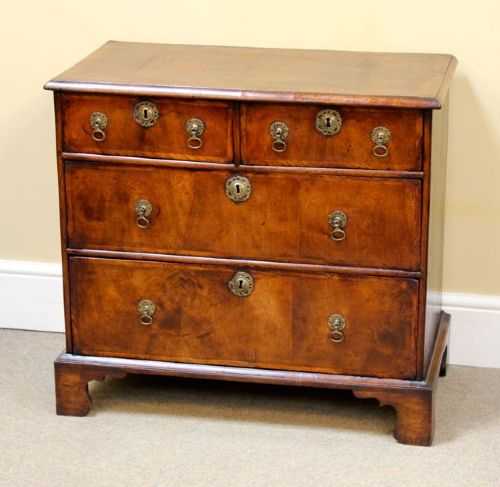
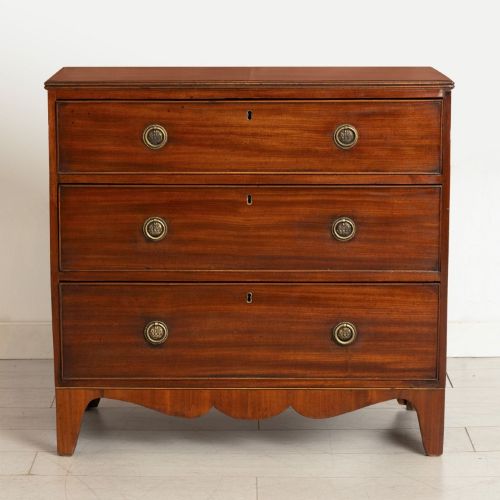
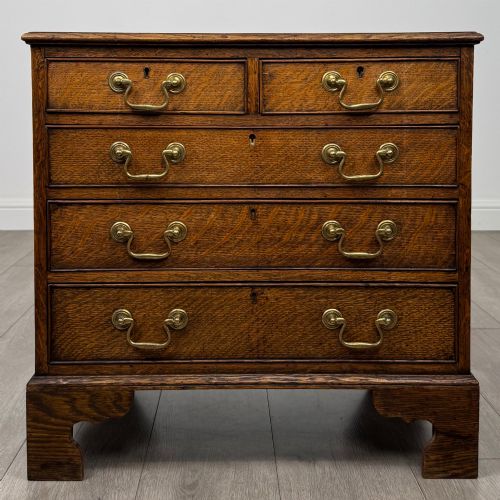
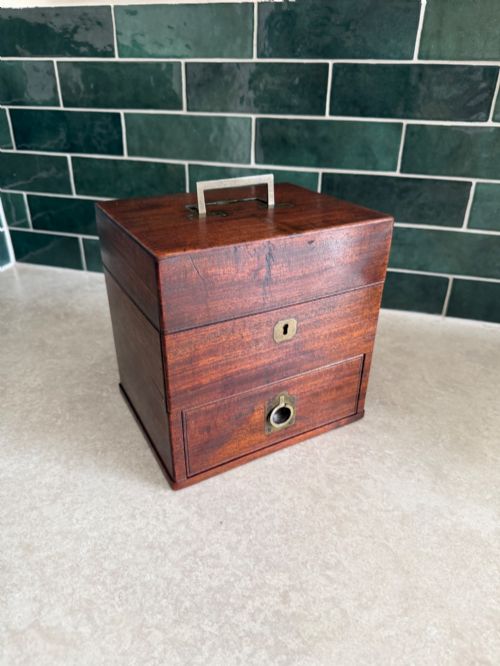
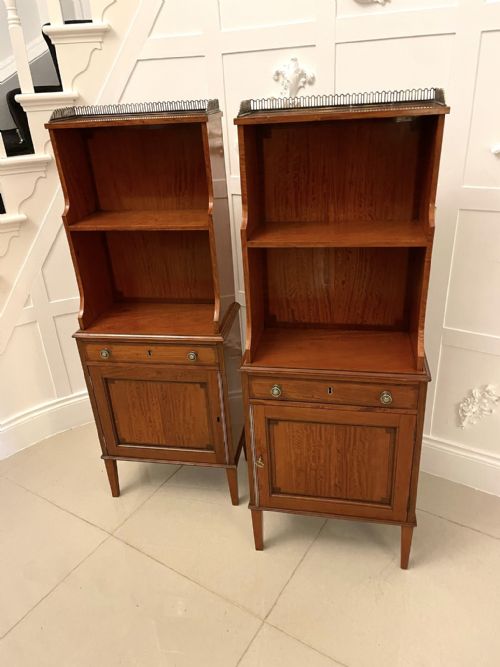
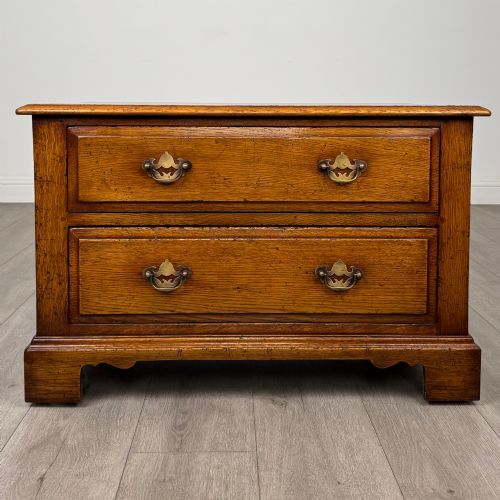
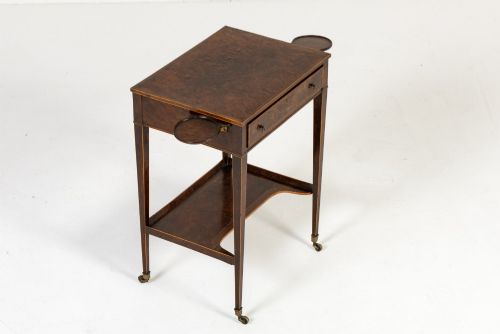
The selection on this page centres predominantly on mahogany, oak, and walnut chests of drawers alongside specialised forms like campaign boxes and writing desks. Mahogany versions from the Georgian and Regency periods frequently feature bow fronts and sliding surfaces, whilst Victorian pieces include robust oak and teak constructions.
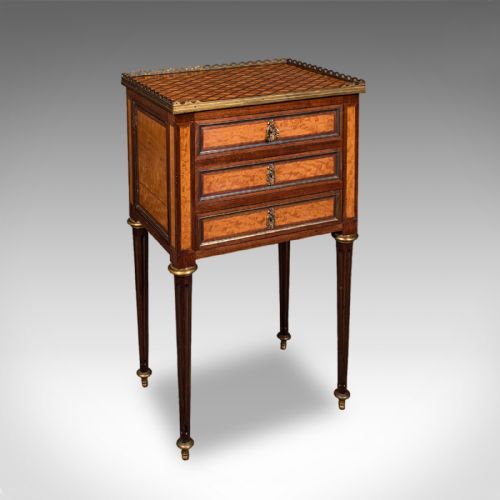
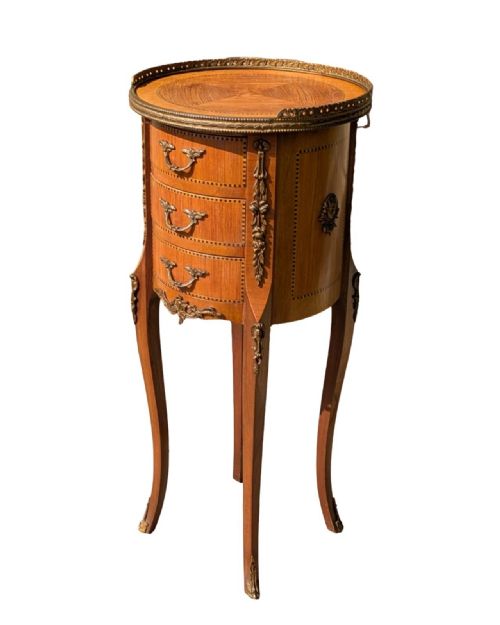
Regional variations also appear amongst the listings, ranging from English country workshop pieces to French provincial commodes and Anglo-Indian campaign furniture. Each iteration utilises metal hardware as a functional and decorative component, securing the drawers whilst defining the visual style of the period.
Materials and construction methods
Cabinet makers utilised dense hardwoods such as mahogany, oak, walnut, and teak to construct the carcasses and drawer linings of these compact pieces. Timber veneers like satinwood, kingwood, and burr yew were frequently applied to primary surfaces to create decorative grain patterns and contrasting borders.
Brass formed the primary metal for handles, drop pulls, escutcheons, and campaign corner brackets, shaped through casting or stamping techniques appropriate to the period. Drawers relied on traditional hand-cut dovetail joints to ensure structural durability during daily use over centuries.
Listings feature 18th and 19th-century periods alongside Edwardian and Regency styles, constructed from mahogany, oak, walnut, and teak.
Determinants of quality
The grade of timber selection and the precision of the veneer work dictate the visual merit of a piece. Fine examples exhibit carefully matched grain patterns across drawer fronts and carcass sides, whereas utilitarian items rely on plainer planks.
The integrity and originality of the brass hardware significantly influence the standing of an item. Retaining period-correct handles, drop pulls, and working locks demonstrates careful preservation, whilst replacement mounts alter the historical completeness.
Gillows
The Small Brass Drawers Glossary
- Brushing slide
- A pull-out shelf positioned above the top drawer, traditionally utilised for writing or folding garments before the introduction of separate desks.
- Bow front
- A convex, outwardly curved front elevation popular during the Georgian and Regency periods.
- Dovetail joint
- An interlocking wood joint formed by wedge-shaped fingers, utilised to secure drawer corners with high tensile strength.
- Escutcheon
- A protective metal plate surrounding a keyhole, frequently cast in brass to match the drawer pulls.
- Campaign chest
- A portable storage unit constructed in sections with recessed brass handles and corner brackets, designed for military transport.
Small Brass Drawers: Frequently Asked Questions
What are small brass drawers?
Small brass drawers refer to compact furniture items, predominantly chests and cabinets, equipped with metallic pulls, handles, and escutcheons. These pieces were designed to maximise storage in limited spaces.
The inventory includes Georgian and Victorian chests, military campaign boxes, and bedside cabinets. Their defining characteristic is the combination of dense cabinet timbers with functional metal hardware.
How were these chests used historically?
These compact storage units served multiple domestic and professional functions across different centuries. They held personal documents, valuable garments, medical supplies, or writing materials.
Examples equipped with brushing slides or folding tops doubled as impromptu writing desks or dressing tables. Military variations travelled with officers, providing secure storage during campaigns.
How do I care for antique wood and brass?
Maintaining these pieces requires stable environmental conditions away from direct heat sources and excessive moisture. Regular dusting with a soft cloth preserves the polished timber finish.
Brass hardware benefits from gentle cleaning only when necessary to remove active tarnish, preserving the natural patina accumulated over generations. Avoid harsh chemical polishes that strip historical surface character.
How do I identify the period of a chest?
Dating relies on observing construction techniques, timber choices, and hardware styles. Georgian pieces often feature solid mahogany with hand-cut dovetails and original cast brass drop handles.
Later Victorian and Edwardian examples introduce machine-sawn elements, alternative woods like oak or pine linings, and stamped brass plates. Comparing the drawer joints and handle fixings to known period styles clarifies the date.