



Engraved Brass Chest
An engraved brass chest brings intricate metalwork and enduring storage into a room, offering both practical utility and distinct period character.
Engraved Brass Chest
When you search for an engraved brass chest, you encounter a variety of storage containers and boxes spanning multiple centuries and regional styles. The selection includes miniature furniture, stationary boxes, presentation boxes, and small cabinets alongside traditional caskets.
The pieces on this page emerge from distinct eras, ranging from seventeenth-century examples down to nineteenth-century interpretations. Materials vary from oak and hardwood to japanned lacquer and leather-bound structures, frequently accented with brass elements.
Stylistic influences stretch across Victorian, William and Mary, Georgian, Victorian Gothic Revival, Queen Anne, Traditional Chinese, and Middle Eastern or Anglo-Indian traditions. This breadth means that each container presents a unique combination of craftsmanship and regional design.
Materials and construction
Makers utilised solid timbers such as oak and various hardwoods to form the primary structure of these boxes and chests. These foundational wooden carcasses provide the durability required for heavy daily use over centuries.
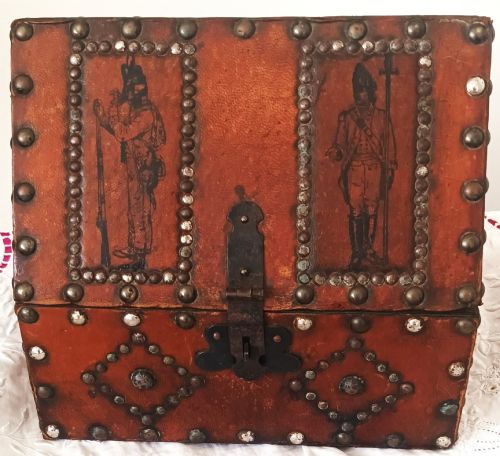
Surface decoration relies heavily on applied metalwork, specifically engraved brass panels, bindings, and mounts. Additional decorative techniques include japanned lacquer and leather binding to enrich the visual depth of the exterior.
Internal layouts and fittings often reflect the specific intended function of the container, whether for stationery, jewellery, or presentation purposes. Joinery techniques correspond to the prevailing standards of the period, from seventeenth-century cabinetmaking to nineteenth-century production methods.
Engraved Brass Chest Retail Price Guide 2026
Typical asking prices for engraved brass chest among the pieces listed under this phrase on Sellingantiques today, from the lower quarter to the upper quarter. They describe what is for sale here now, not the wider market.
One tiny nineteenth-century box was made specifically to house a tiara.
Assessing the craftsmanship
The precision and depth of the metal engraving form a primary indicator of overall quality. Finer examples display crisp, confident lines and intricate patterns executed by skilled metalworkers rather than mechanical uniformity.
The quality of the underlying timber and the execution of the cabinetry dictate the structural integrity of the piece. Superior construction involves well-fitted joints and harmonious integration between the wooden carcase and the brass ornamentation.
The Engraved Brass Chest Glossary
- Cabinet on stand
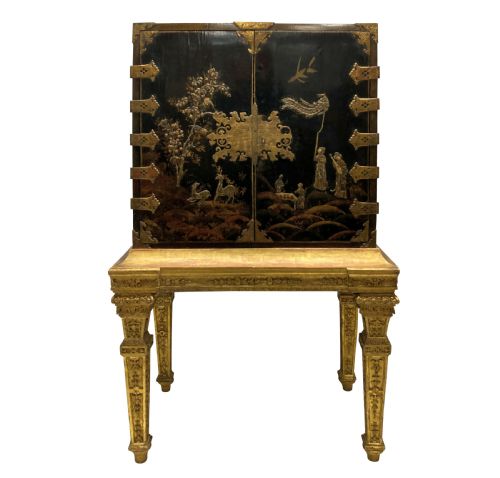
- A raised storage cabinet supported by a dedicated framework or stand beneath. This form elevates the main compartment to allow easier access and prominent display.
- Japanned lacquer
- European imitation of East Asian lacquerwork using layered varnishes and decorative painting. It creates a glossy, dark surface often highlighted with gilt motifs.
- Dome top
- A rounded upper lid profile designed to shed water and increase internal capacity. This architectural feature appears frequently on boxes and caskets.
- Apprentice chest
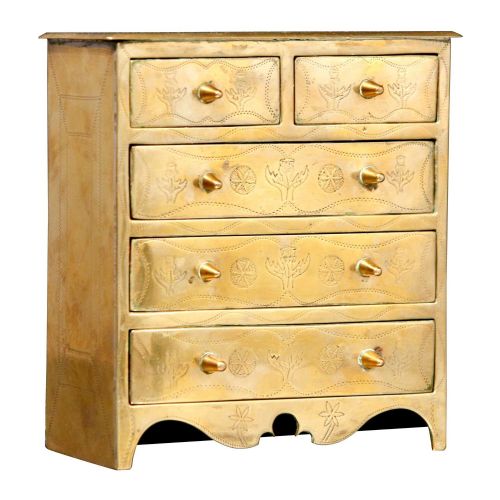
- A small-scale model or miniature chest created to demonstrate mastery of woodworking techniques. These pieces often exhibit exceptional attention to detail.
- Presentation box
- A commemorative container given on a specific historical date or occasion. Such pieces frequently incorporate engraved plaques or inscriptions detailing their provenance.
Engraved Brass Chest: Frequently Asked Questions
What is an engraved brass chest?
An engraved brass chest is a storage container featuring decorative metalwork applied to surfaces like wood, leather, or lacquer. These items serve as functional boxes, caskets, or miniature cabinets.
They reflect diverse stylistic periods, incorporating traditional motifs from European, Middle Eastern, and Asian workshops.
How were these chests originally used?
These containers held valuable personal possessions, including jewellery, important documents, stationery, and presentation items. Their portable nature allowed owners to secure and transport cherished items.
Larger variants functioned as tabletop or floor cabinets for display and organisation within domestic rooms.
How do I care for brass and wood?
Maintain the materials by keeping the object away from direct sunlight and excessive humidity to protect the wood and lacquer. Dust gently with a dry, soft cloth without applying harsh chemical polishes.
Preserve the patination on the brass components by avoiding abrasive cleaners that strip away historical age.
How can I tell periods apart?
Distinguish periods by examining the underlying structural wood, the joinery methods, and the prevailing decorative style. Seventeenth-century pieces often display heavier oak construction, while nineteenth-century items utilise diverse hardwoods and eclectic revival designs.
Inscriptional evidence or specific commemorative dates engraved on presentation plaques also provide clear chronological markers.