
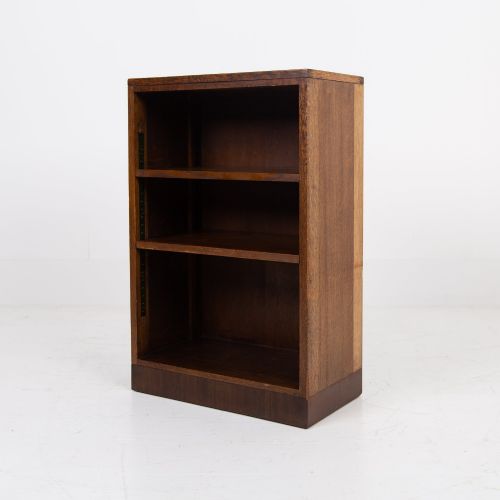
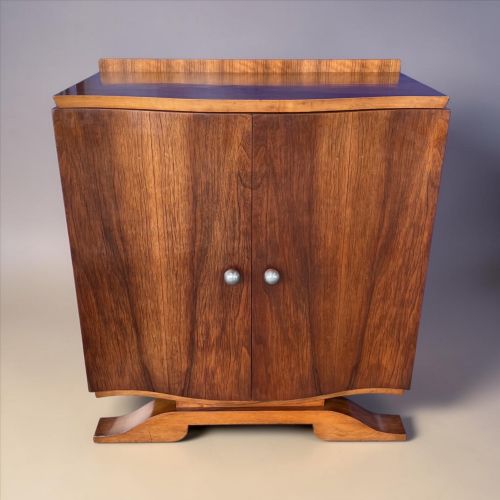
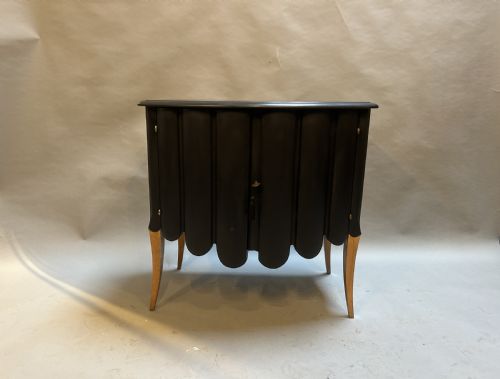


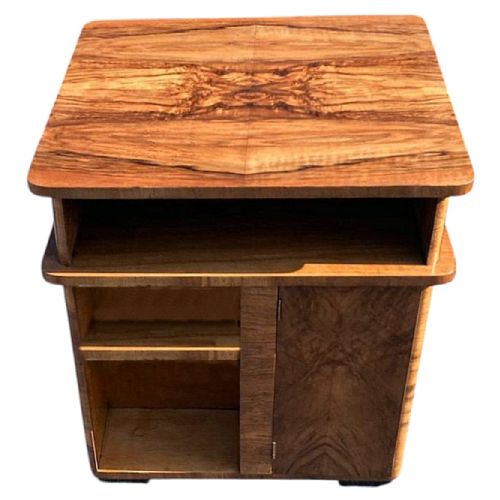
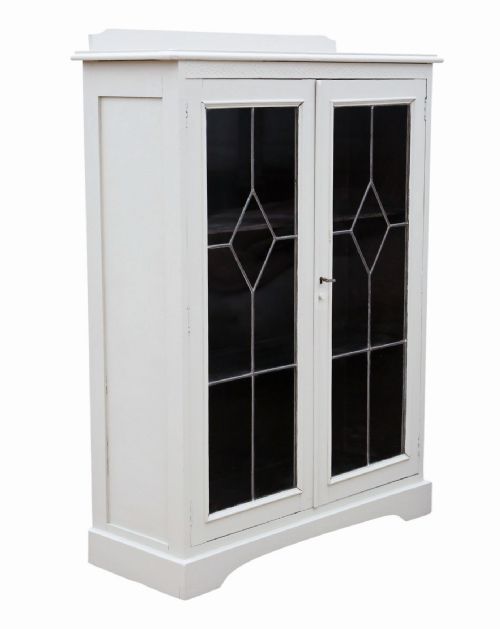
Small Art Deco Cabinet
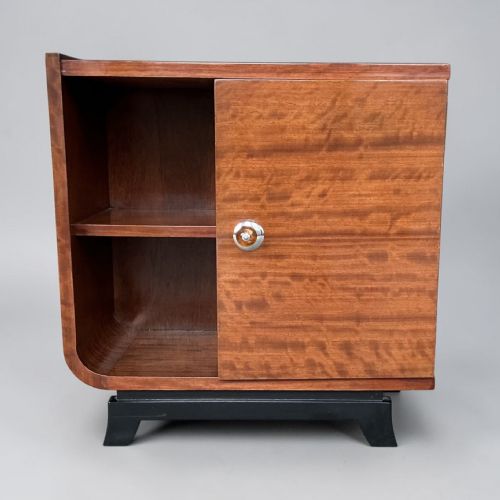
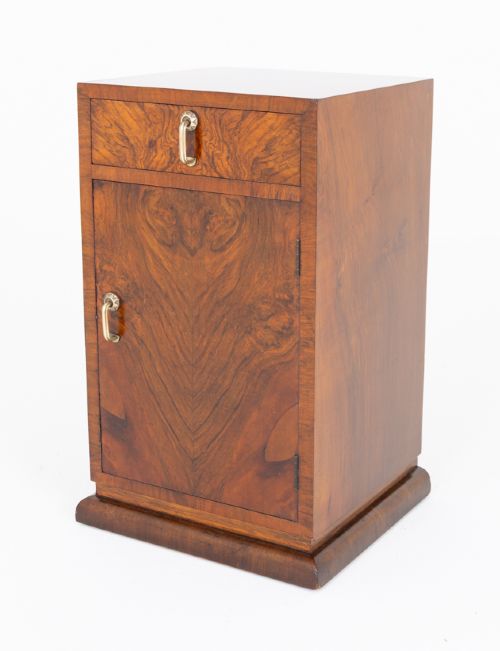
A small art deco cabinet brings geometric clarity and rich timber figure to a room without claiming too much floor space.
Small Art Deco Cabinet
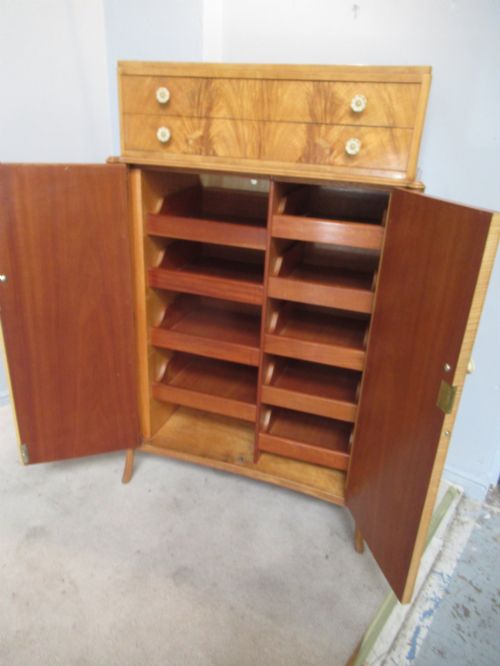
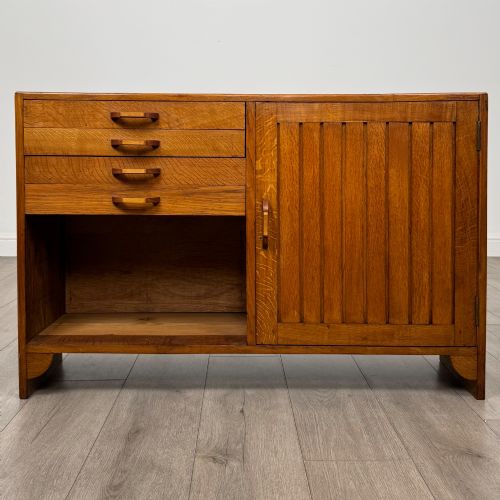
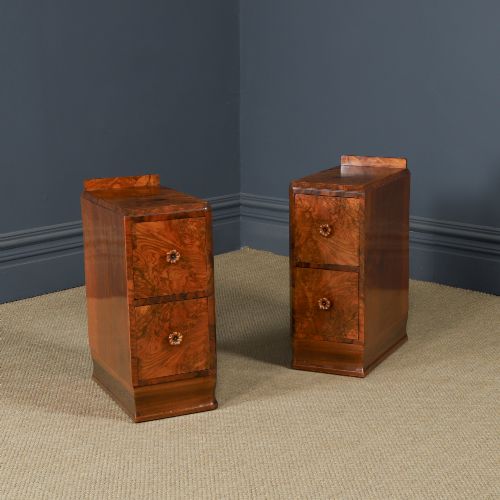
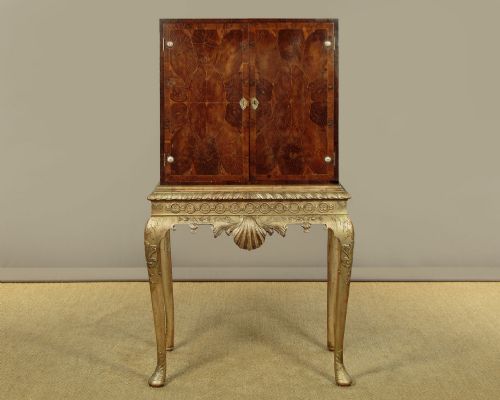
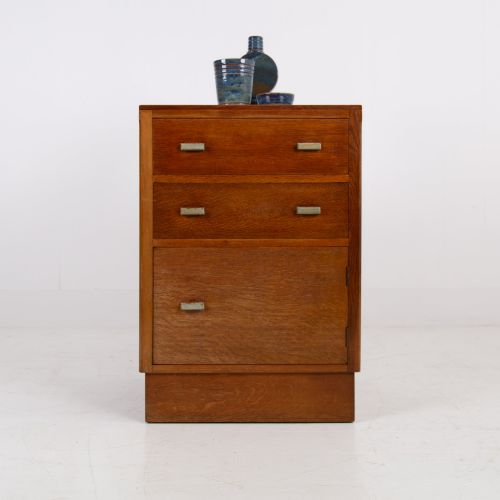
A small art deco cabinet encompasses versatile storage forms created predominantly during the 1920s, 1930s, and 1940s. Buyers searching this phrase meet bedside cabinets, side cabinets, display cases, bookcases, and compact sideboards designed for specific domestic duties.
The aesthetic bridges traditional utility and modernist geometry, leaning heavily on the 1930 period alongside occasional Edwardian and 1920 pieces. These units serve as bedside tables, music cabinets, cocktail bars, or wall-hung cupboards.
Origins span English workshops and French studios, resulting in varied proportions and silhouette details. Most pieces focus on compact footprints, providing functional internal shelving or drawers within striking architectural outlines.
How they were made
Cabinet makers utilised walnut, oak, mahogany, ash, and maple, often selecting figured veneers to display bold wood grain patterns across flat drawer fronts and doors. Timber construction is frequently paired with contrasting materials such as brass fittings, metal accents, and glass panelling.
Techniques relied on precise geometric cuts, stepped profiles, and smooth curved corners characteristic of the style. Surfaces received polish or limed finishes to accentuate the natural grain of the wood without obscuring the material.
Sheet music cabinets designed for parlor pianos now find new life holding charging cables and router boxes.
What varies in quality
The standard of execution depends heavily on the choice of timber veneer and the precision of the joinery. Figured walnut and burr walnut examples demonstrate superior decorative ambition compared to plain utility timbers.
Maker attribution and origin elevate certain specimens, with pieces originating from documented workshops or French studios exhibiting more refined hardware and deliberate proportioning. The integration of original brass handles, mirrored tops, and fitted interiors distinguishes standard production from finer output.
Gomme·Betty Joel·Heals of London
The Small Art Deco Cabinet Glossary
- Burr walnut
- A prized wood veneer harvested from the growth warts of walnut trees, displaying intricate, swirling grain patterns. It forms the primary decorative surface on many high-end cabinets.
- Limed oak
- Timber treated with a specialised white-pigmented finish that settles into the open pores of the oak. This technique lightens the wood tone while highlighting the linear grain structure.
- Tallboy
- A tall storage furniture piece combining wardrobe space or multiple drawers in a vertical format. They offer generous capacity while maintaining a narrow floor footprint.
- Compactum
- A multi-functional fitted cabinet designed to store various garments or personal items within a single enclosed unit. These pieces maximise storage efficiency in smaller bedrooms.
- Stepped bookcase
- Shelving units featuring ascending or descending tiered profiles that create a distinct zig-zag or cascading silhouette. This configuration exemplifies modernist architectural principles.
Small Art Deco Cabinet: Frequently Asked Questions
What rooms suit a small art deco cabinet?
These compact units fit comfortably into bedrooms as bedside storage, living rooms as side tables, or hallways for keys and post.
Their scaled dimensions allow them to occupy tight corners or small wall spaces without overwhelming the room.
How do I identify a 1930s piece?
Look for symmetrical geometric lines, stepped cornices, and contrasting veneers like walnut or maple.
Hardware tends to be minimal, utilising simple brass handles or geometric backplates rather than ornate carving.
Can these cabinets hold books?
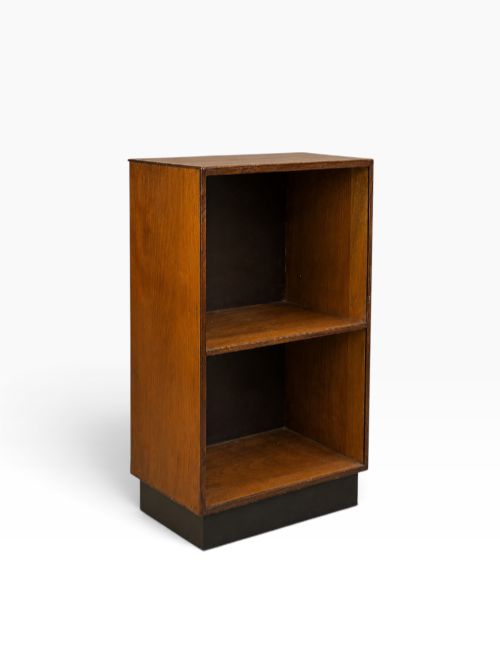
Certain forms function specifically as open bookcases or enclosed shelf units built to accommodate volumes.
Heavier hardwood shelves provide sturdy support for daily reading materials while maintaining the decorative silhouette.
What is the difference between a bedside cabinet and a nightstand?
Bedside cabinets generally feature an enclosed cupboard door with internal shelving, whereas nightstands often rely on open shelves or simple drawers.
Both serve the same domestic function beside a bed but offer different levels of concealed storage.