
Small Table
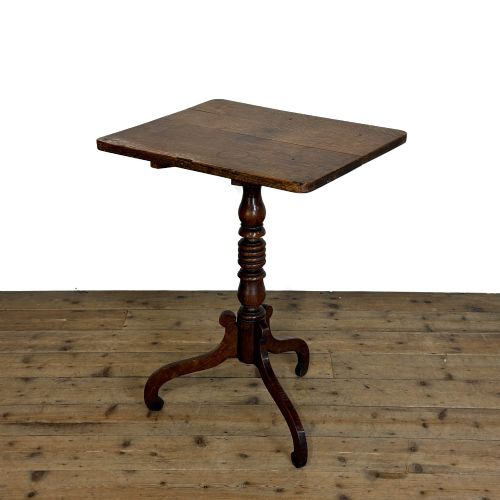
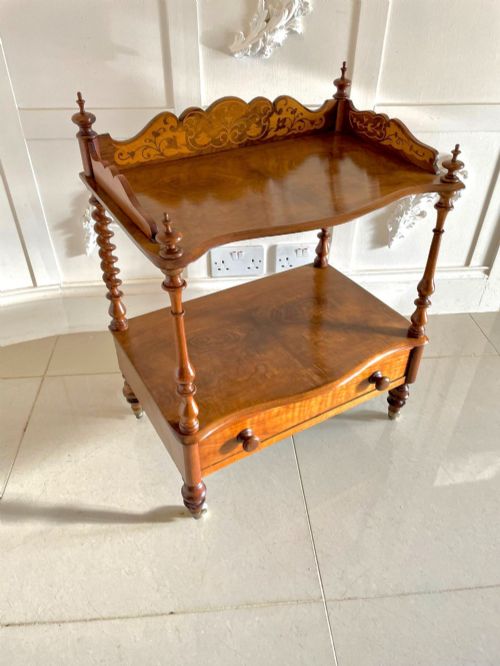
A small antique table brings functional surface area and historical character to a room, ranging from simple oak cricket tables to inlaid Victorian lamp tables.
Small Table
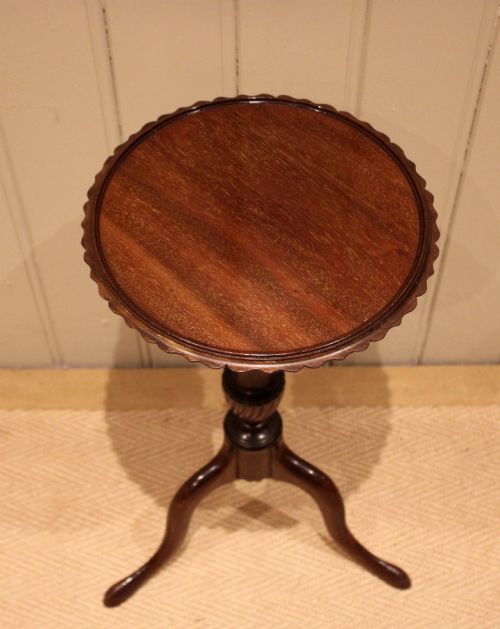
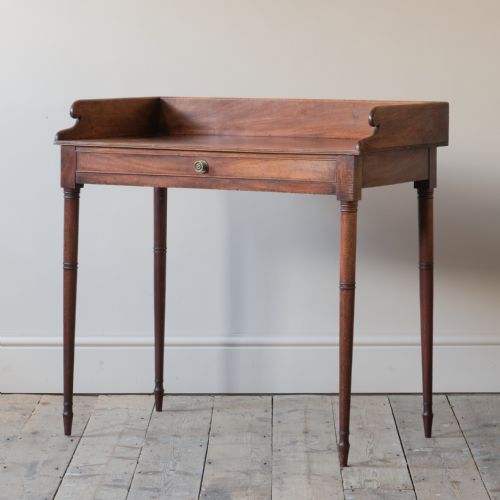
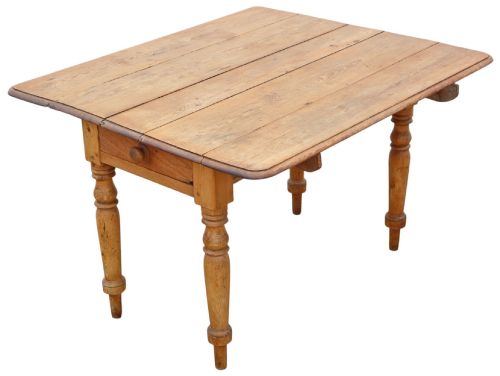
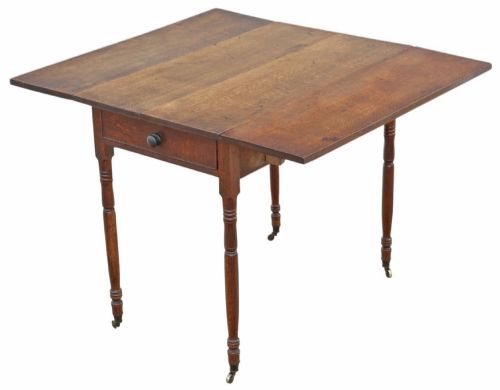
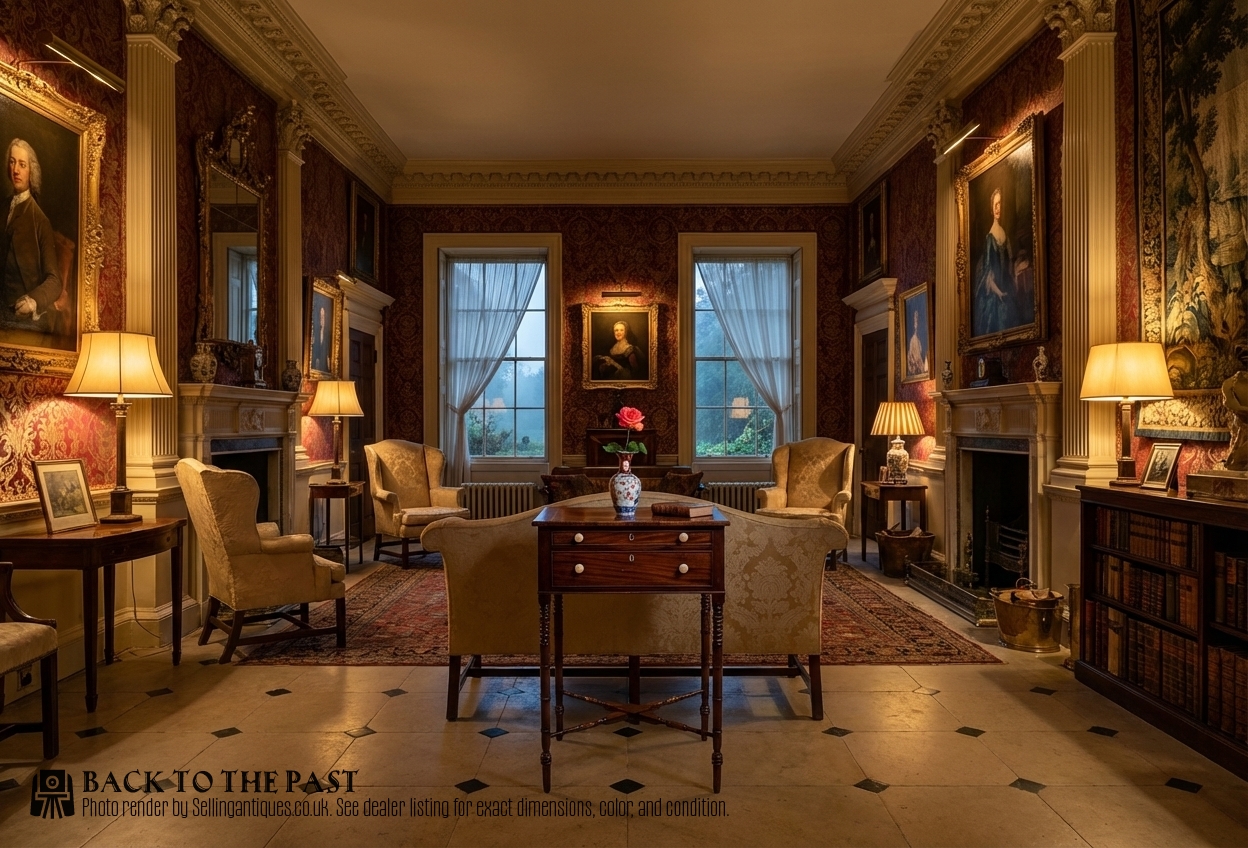
A small antique table appears across numerous historical forms designed for specific domestic tasks, including side tables, occasional tables, wine tables, and Pembroke tables. Buyers encountering these pieces on the market will frequently find side and occasional variants dating from the Georgian, Victorian, and Edwardian eras.
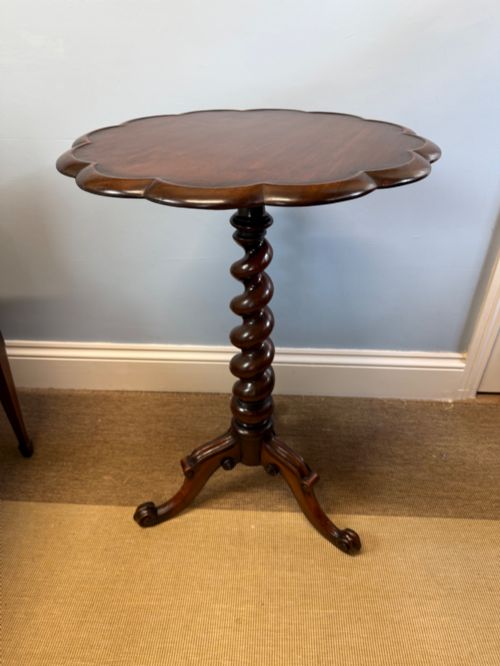
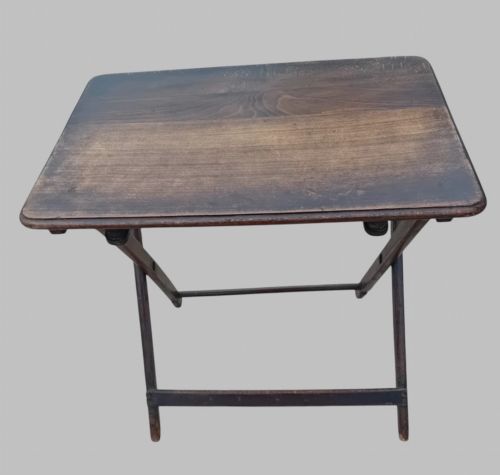
Makers constructed these compact surfaces for versatile placement within domestic interiors, utilising designs such as drop-leaves, tilt-tops, and tripod bases. The selection spans utilitarian pine kitchen formats alongside decorative rosewood, mahogany, and burr walnut parlor pieces.
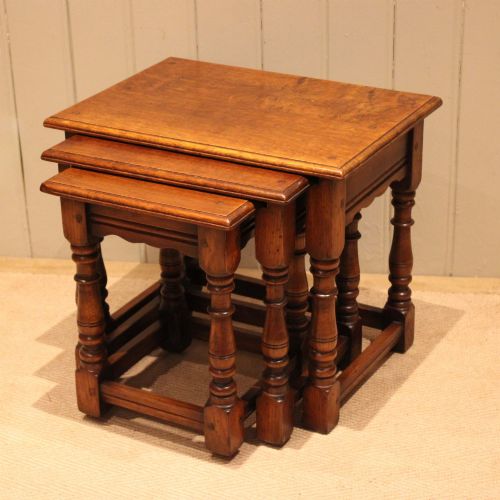
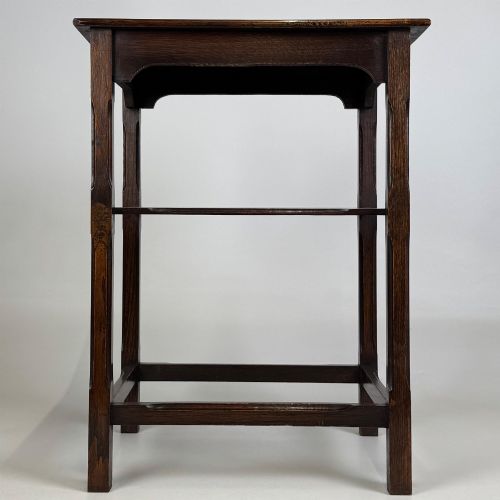
Regional and stylistic variations reflect the period of production, encompassing Jacobean revival oak, Arts and Crafts movement oak, and Regency rosewood. These formats served practical domestic needs, functioning variously as writing desks, lamp stands, and tea tables.
Materials and Joinery
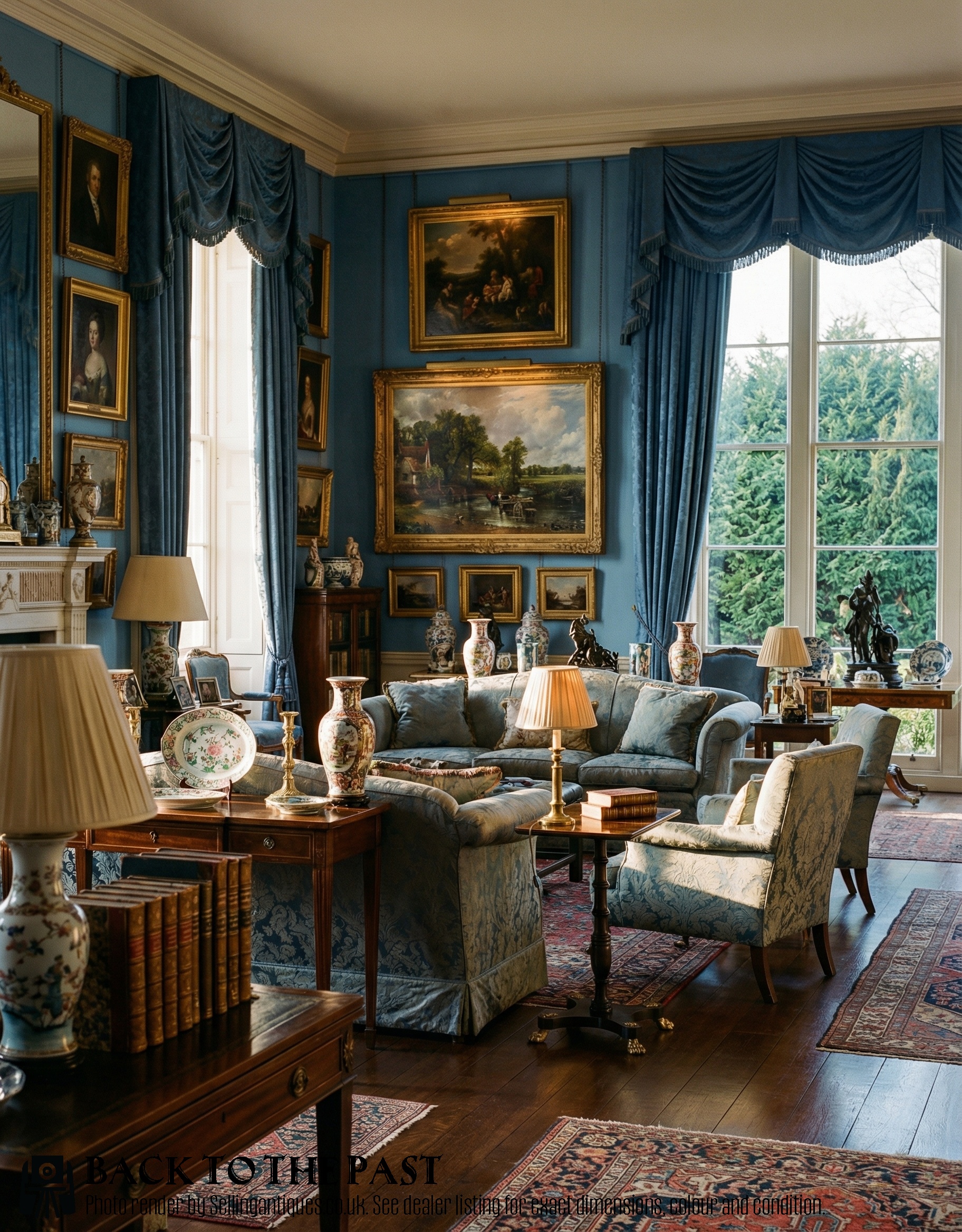
Cabinet makers utilised a palette of native and imported timbers, predominantly oak, mahogany, walnut, and pine, frequently enhanced with veneers of burr walnut, satinwood, and rosewood. Structural integrity relied on traditional joinery methods appropriate to the period, including dovetailing for drawers and mortise and tenon joints for frames.
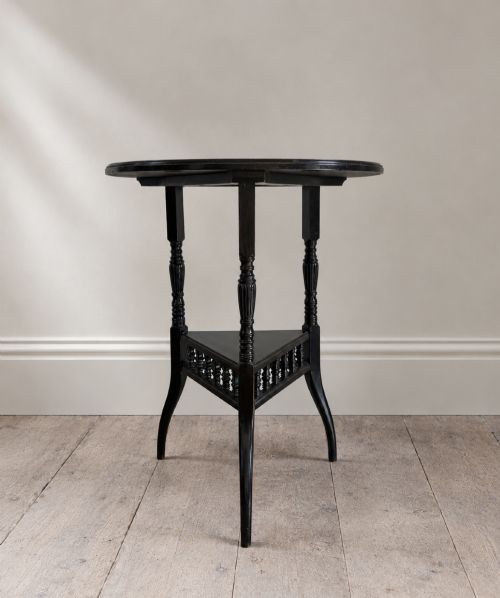
Surface ornamentation involved techniques such as parquetry inlay, brass stringing, hand carving, ebonising, and painted chinoiserie decoration. Folding mechanisms, drop-leaf hinges, and tilt-top pivots incorporated cast brass and iron hardware to ensure mechanical durability.
Small Table Retail Price Guide 2026
Typical asking prices for small table among the pieces listed under this phrase on Sellingantiques today, from the lower quarter to the upper quarter. They describe what is for sale here now, not the wider market.
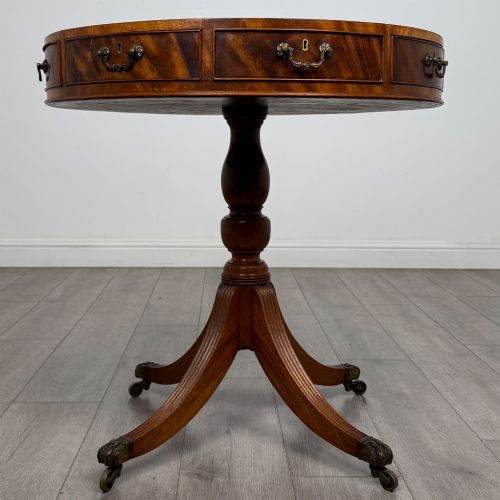
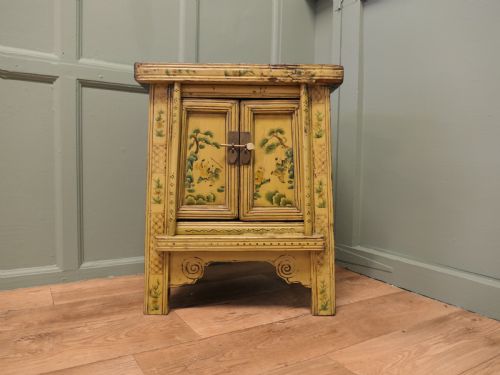
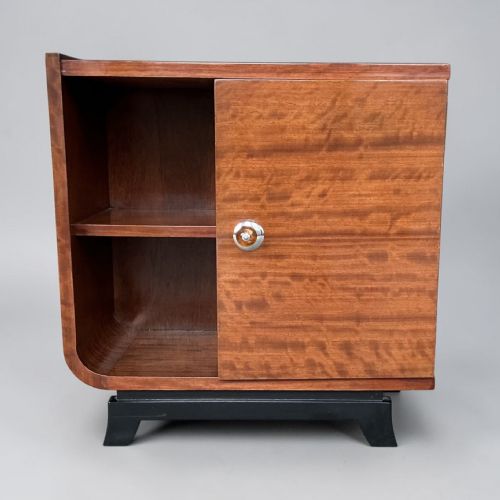
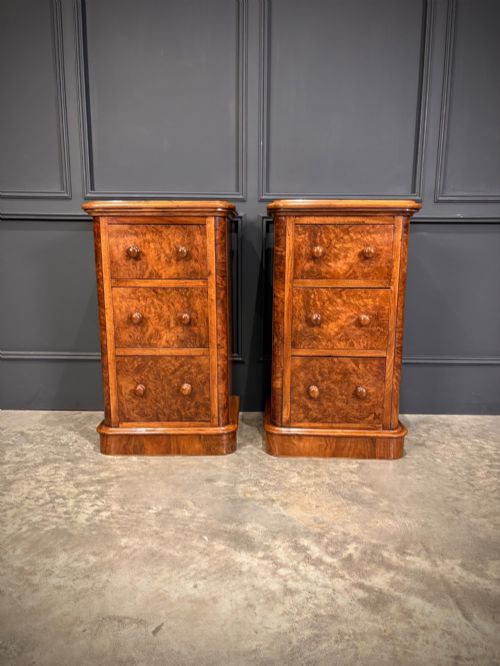
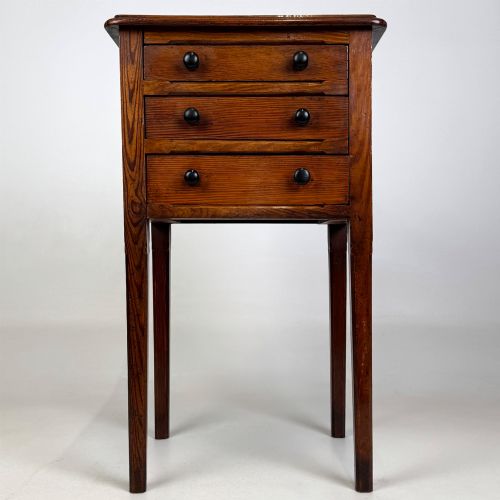
Object variations span wine tables, cricket tables, writing tables, Pembroke tables, drop-leaf tables, and bedside chests.
Evaluating Construction and Design
The degree of refinement in timber selection and secondary wood usage distinguishes workshop output, where premier examples employ figured veneers and solid primary hardwoods consistently throughout the frame and drawer linings. Superior pieces exhibit precise hand-cut joinery and integrated decorative elements such as brass inlay or intricate carving.
Proportion and stylistic cohesion separate standard utilitarian output from pieces reflecting specific design movements like Arts and Crafts or Regency Revival. Original hardware, intact pivoting mechanisms, and untouched patination elevate the standing of a table within its historical category.

JAS Shoolbred·Shapland & Petter
The Small Table Glossary
- Pembroke table
- A small rectangular table featuring two hinged drop leaves on opposing sides, often fitted with a single drawer.
- Cricket table
- A small three-legged circular table constructed with a wooden top and pegged legs, traditionally originating in vernacular English settings.
- Tilt-top table
- A pedestal table possessing a mechanism that allows the top to rotate and pivot into a vertical position when not in use.
- Parquetry
- A geometric mosaic of wood pieces used for decorative surfacing on floors and tabletops, utilising contrasting grain patterns and timbers.
- Chinoiserie
- European decorative style employing imitation Chinese motifs, typically executed in lacquer, gilt, and painted finishes on furniture surfaces.
Small Table: Frequently Asked Questions
What is a small antique table used for?
These compact surfaces historically served specific domestic functions such as holding tea sets, lamps, writing materials, or sewing equipment. Today, they operate effectively as bedside stands, lamp tables, or accent pieces in contemporary living spaces.
Their modest footprints allow them to fit into tight architectural spaces where standard furniture proves too large, providing both utility and period character.
How do I identify the period of an antique table?
Dating relies on examining the timber species, secondary woods, construction techniques, and stylistic vocabulary. For instance, heavy oak construction with pegged joints points towards earlier vernacular periods, while satinwood and rosewood with brass inlay often indicate the Regency era.
Tool marks, drawer linings, and hardware styles provide further physical evidence to narrow down the decade or century of manufacture.
Are these tables sturdy enough for daily use?
Most antique tables were built for rigorous domestic service using solid hardwoods and robust joinery, making them well-suited for everyday placement in a home. Timbers like oak, mahogany, and elm offer inherent structural strength.
Maintenance involves protecting surfaces from excessive moisture and extreme temperature fluctuations to preserve the historical wood and finish.
What is the difference between a side table and an occasional table?
A side table typically stayed positioned against a wall or beside specific furniture, often incorporating drawers or lower shelves for storage. An occasional table was lighter and more portable, designed to be moved around a room as needed for tea or reading.
Both categories overlap significantly in size and form, reflecting changing social habits across the Georgian, Victorian, and Edwardian periods.