
Small Coffer
When you search for a small antique coffer, you are looking at compact timber storage chests spanning from the sixteenth century onwards.
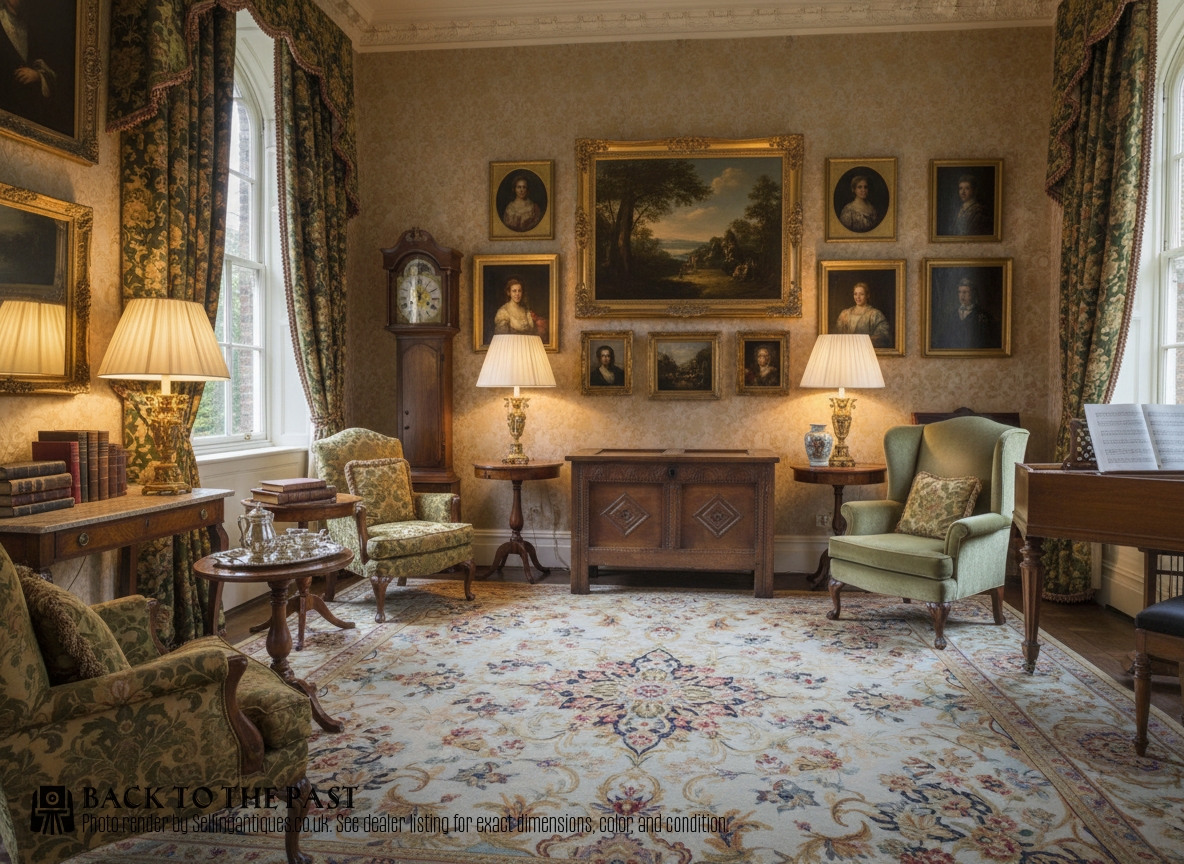
Small Coffer
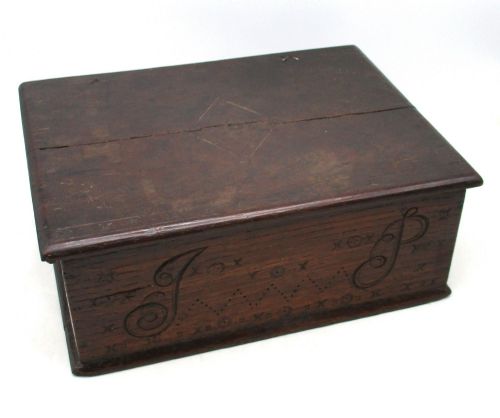
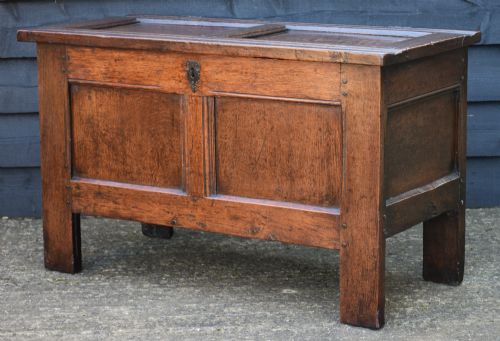
A small antique coffer is a portable timber chest used historically for securing valuables, documents, or household linens in limited domestic spaces. These pieces span from seventeenth-century paneled oak boxes to eighteenth-century Welsh coffer bach variants and nineteenth-century camphor wood trunks.
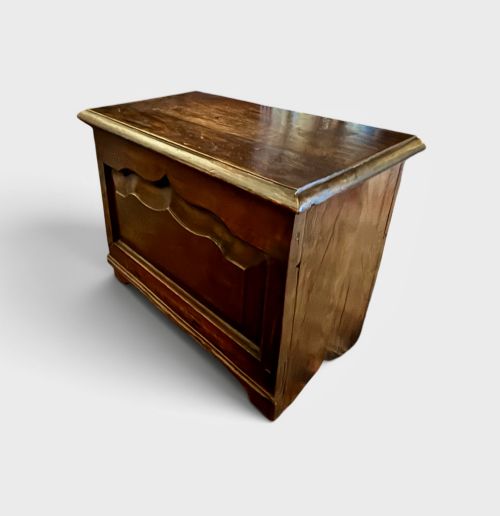
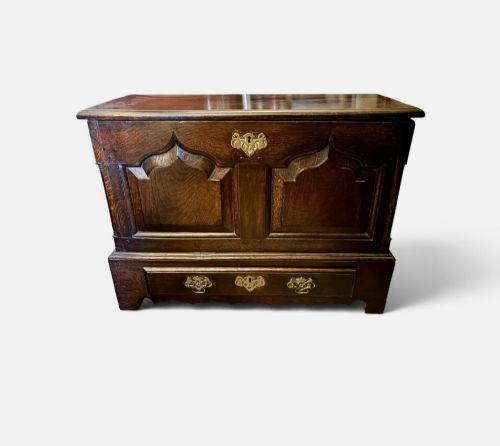
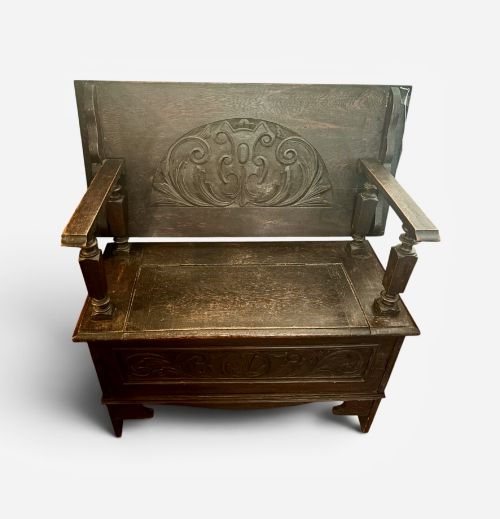
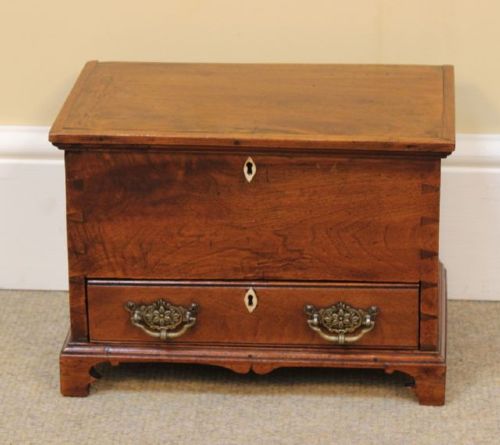
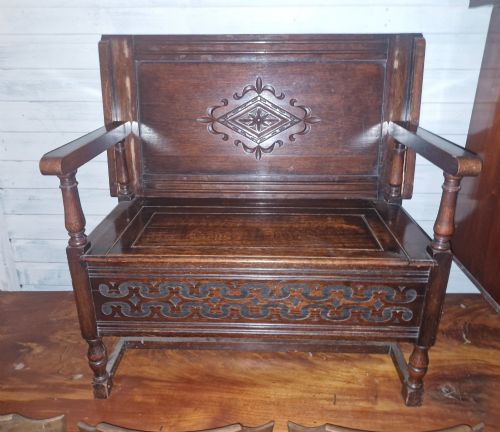
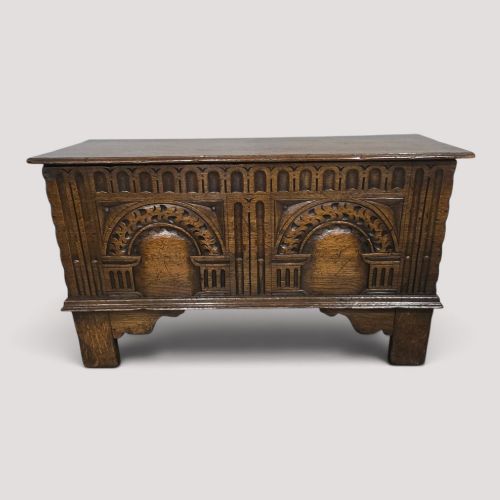
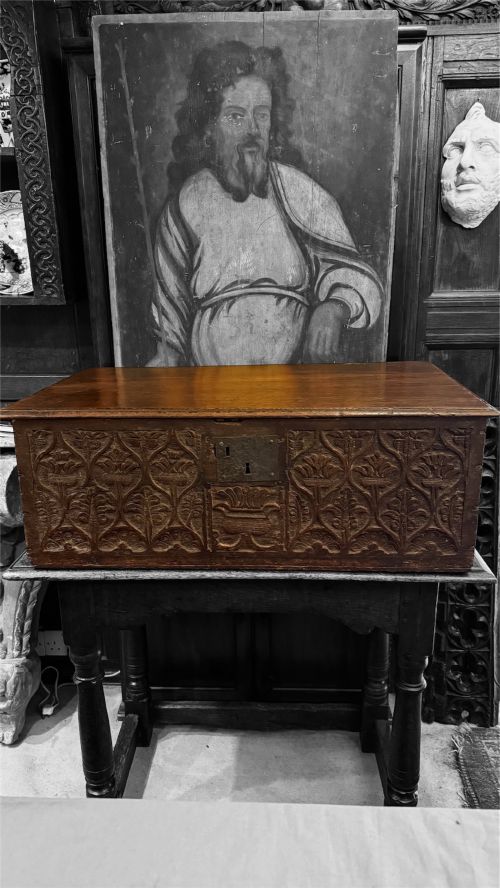
Buyers meet forms ranging from simple six-plank constructions to elaborately carved Jacobean panels, miniature mule chests, and box settles. Oak dominates the early periods, supplemented by elm, pine, walnut, and camphor wood in later centuries.
Originating largely from English, Welsh, and continental workshops, these smaller receptacles served versatile roles as travel strongboxes, document boxes, and occasional seating.
How they were made
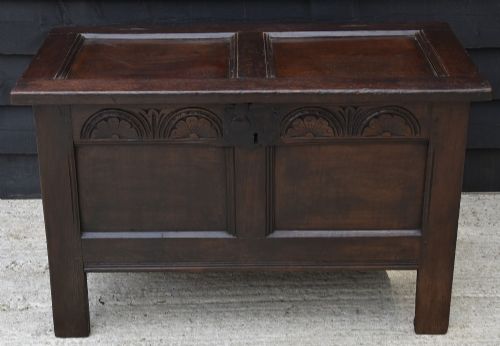
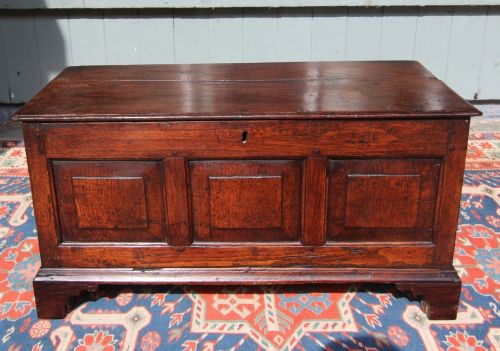
Joinery techniques define these pieces, utilising pegged mortise and tenon frames around floating panels in seventeenth and eighteenth-century examples, alongside simpler butt joints in six-plank boards. Timber selection focuses heavily on native quarter-sawn oak, alongside elm and exotic camphor wood for later military and travel chests.
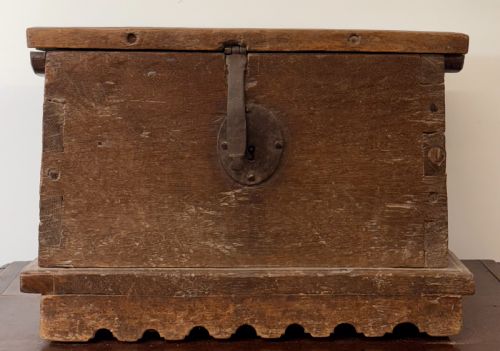
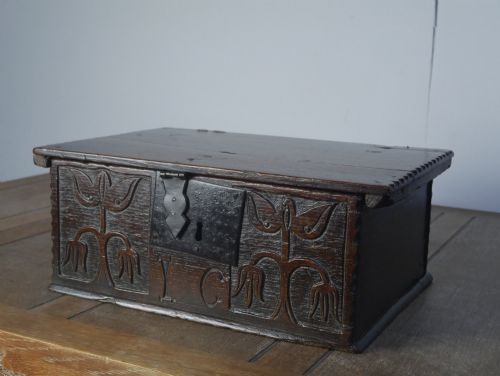
Hardware consists of hand-forged iron hinges, latches, and strapwork, frequently paired with brass escutcheons and lock plates. Surface treatments range from unpolished waxed timber to early paint finishes and carved relief decoration such as linenfold and geometric motifs.
Listings feature native oak alongside imported camphor wood, pine, elm, and walnut across periods spanning the sixteenth to the twentieth century.
What varies in quality
Quality rests in the integrity of the original construction, timber selection, and the crispness of hand-carved detailing. Pieces retaining their original floor timbers, hinges, and locks command greater regard than those with extensive timber replacement or altered bases.
The degree of proportion and decorative restraint distinguishes vernacular country workshop output from higher-status urban cabinet work. Figured grain patterns in oak, elm, or walnut elevate the visual presence of otherwise utilitarian storage boxes.
The Small Coffer Glossary
- Mule chest
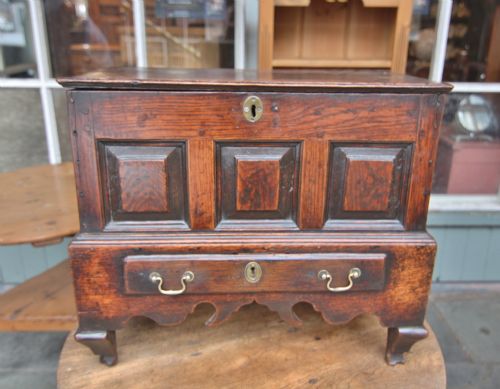
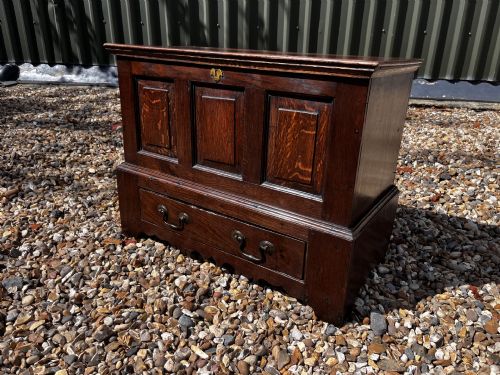
- A storage chest fitted with one or more drawers at the base beneath the primary lift-up lid. This form bridges the evolution between the traditional coffer and the modern chest of drawers.
- Six-plank coffer
- A primitive chest constructed from six individual boards joined edge to edge with nails or pegs. This utilitarian form represents some of the earliest surviving domestic storage furniture.
- Linenfold
- A carved wood panel motif resembling folded parchment or linen cloth. This style is frequently encountered on late medieval and seventeenth-century English panels.
- Strongbox
- A heavily reinforced portable timber chest bound with iron straps and fitted with complex locking mechanisms. These items were designed for secure transit of currency and important documents.
Small Coffer: Frequently Asked Questions
What was a coffer bach used for?
These small Welsh chests served multiple domestic purposes, primarily holding personal valuables, fine linens, and family documents. Their compact scale allowed them to sit upon tables or larger furniture.
They were also traditionally presented as betrothal or marriage gifts, holding tokens of affection and household provisions for a newly established home.
How do I date an oak coffer?
Dating relies on observing construction methods, joinery types, and decorative motifs characteristic of specific periods. Seventeenth-century examples often feature peg-joined frame and panel construction with hand-carved geometric or floral patterns.
Later nineteenth-century pieces typically display machine-sawn timber elements, different hinge technology, and standardised hardware that distinguishes them from earlier vernacular work.
Where should I place a small coffer at home?
These compact chests adapt well to modern living spaces as hallway seats, coffee tables, or bedside storage units. Their lift-up lids provide practical concealment for blankets and books while maintaining a traditional aesthetic.
Placing them away from direct heat sources and sunlight protects the antique timber and preserves original surface finishes.
What is the difference between a coffer and a trunk?
Coffers generally denote heavier timber construction utilising frame and panel techniques, often associated with domestic stationary storage and religious or civic use. Trunks historically imply lighter travel-oriented receptacles.
Many listings use these terms interchangeably, though specific regional variants like strongboxes and mule chests introduce specialised internal drawer configurations.