
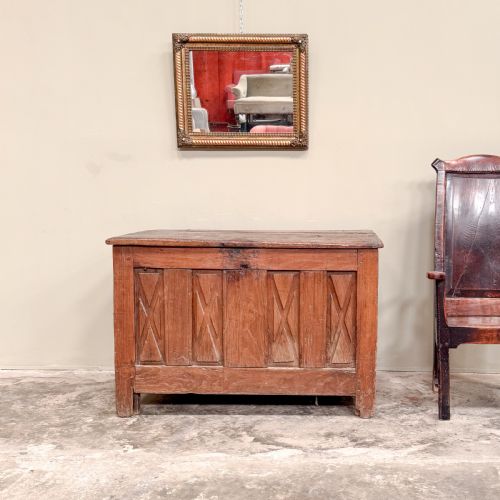
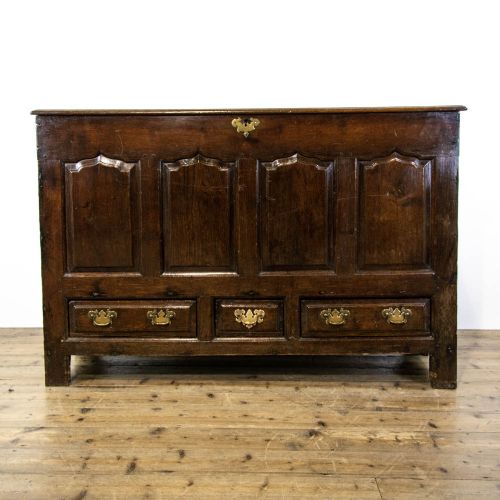
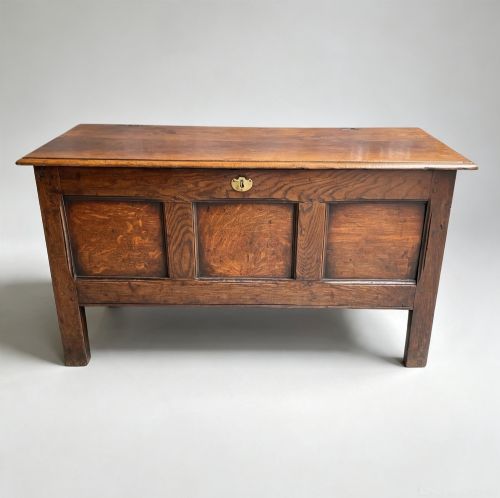
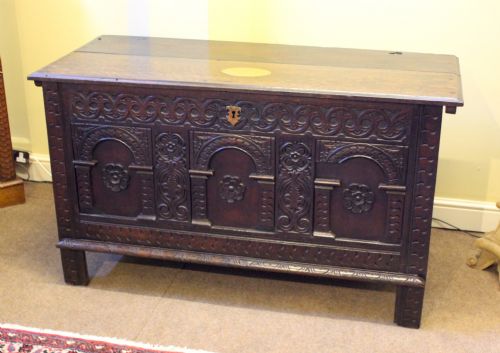


Country Oak Storage Trunk
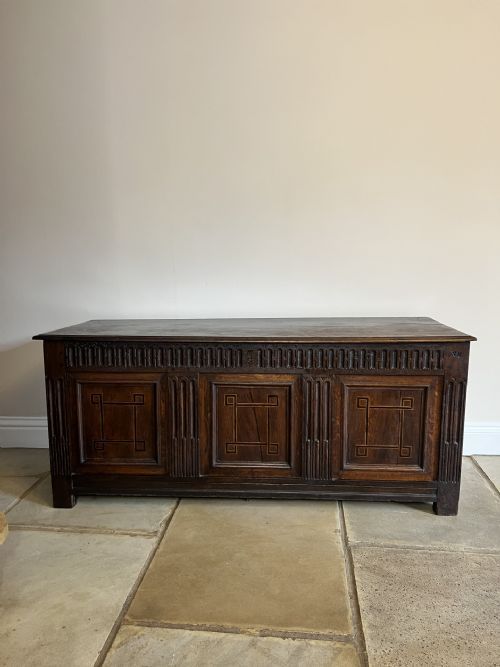
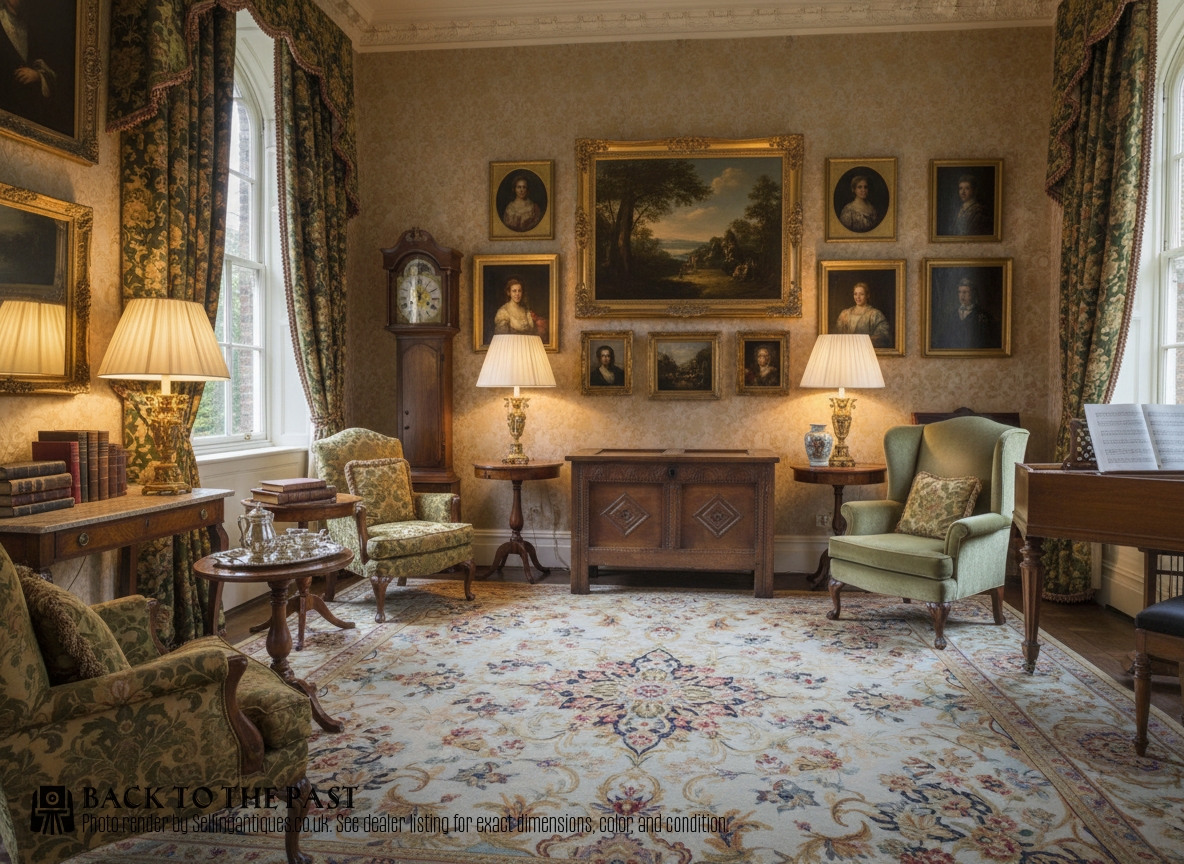
A country oak storage trunk brings centuries of robust utility and honest vernacular design directly into a modern interior.
Country Oak Storage Trunk
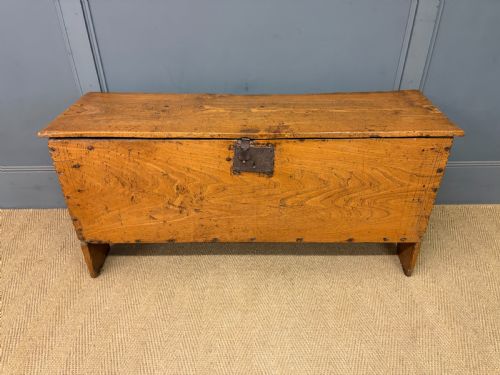
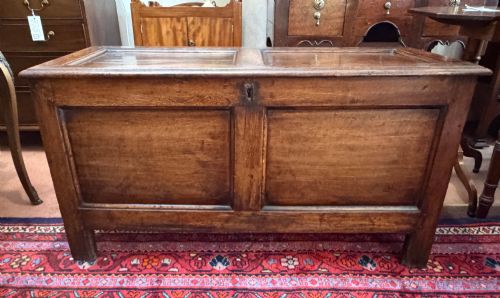
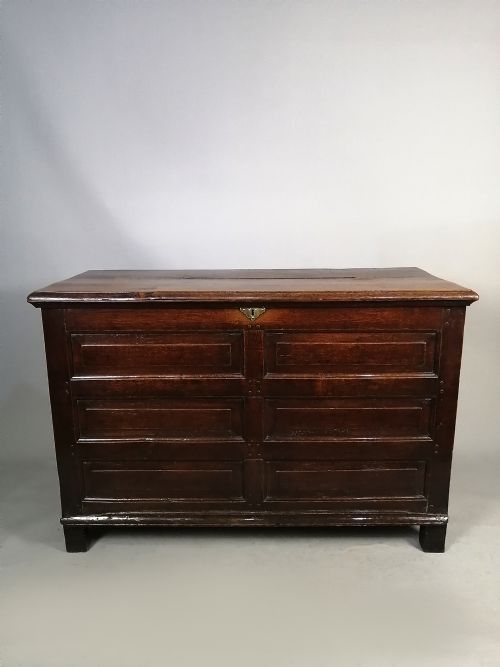
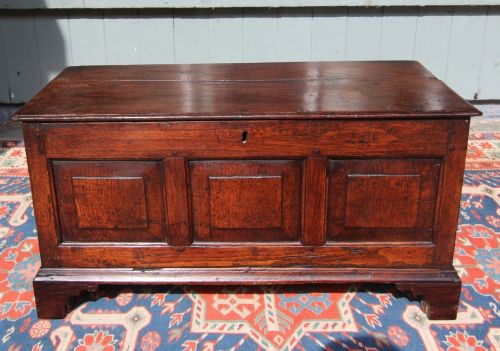
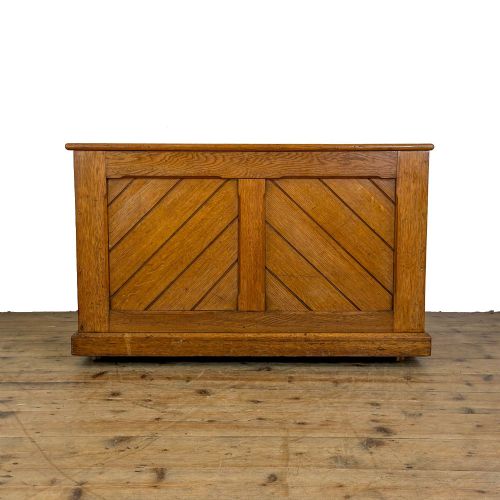
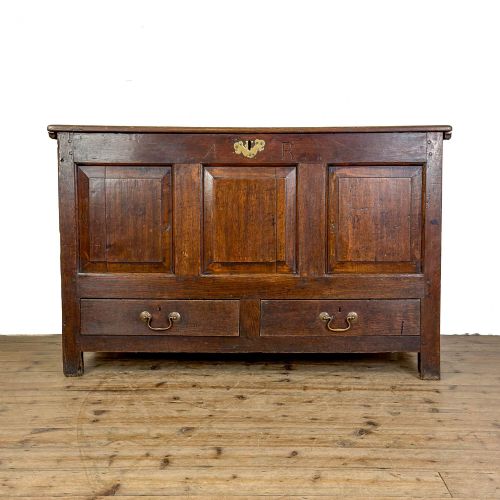
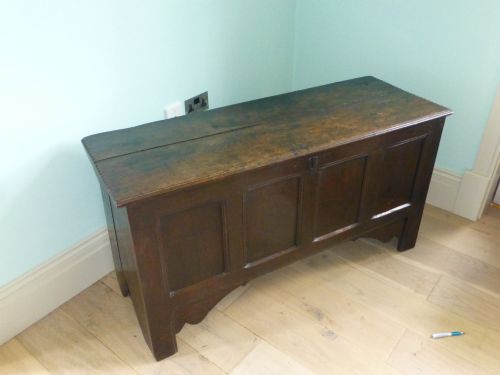
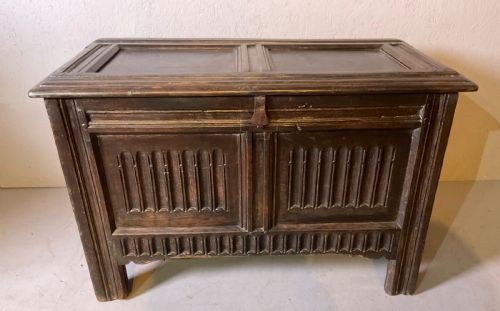
A country oak storage trunk encompasses heavy-duty wooden receptacles built for domestic storage, spanning boarded, panelled, and joined constructions from the sixteenth century onwards. Buyers searching for a country oak storage trunk encounter regional vernacular pieces ranging from simple boarded grain arks to elaborate mule chests fitted with lower drawers.
The selections on this page lean heavily towards seventeenth and eighteenth-century examples originating from Wales, England, and France. These domestic vessels served primarily to store linens, documents, and valuables before fitted wardrobes and chests of drawers became common household fixtures.
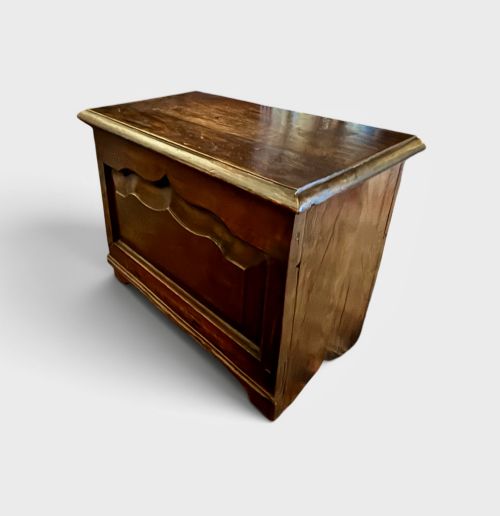
Forms include standard coffers, blanket boxes, sword chests, and the smaller coffer bach characteristic of Welsh cabinet-making. Each variant demonstrates the functional priorities of rural households that relied on durable timber containers to safeguard domestic possessions.
Materials and Construction Methods
Makers constructed these storage pieces predominantly using native British oak, occasionally incorporating secondary timbers such as elm, pine, and painted wood for internal elements or panels. Carpenters joined structural members using mortise and tenon joints secured by wooden pegs, while boarded variants relied on heavy iron or brass hardware to reinforce corners and lids.
Surface ornamentation involved linen fold carving, geometric panels, or simple painted finishes applied to pine and oak surfaces. Structural longevity derived from the thickness of the timber boards and the precision of the joinery rather than delicate decorative veneers.
Listings span periods from the 16th-century Elizabethan era through to the 20th century, utilising oak, elm, pine, and painted wood.
Distinguishing Quality and Originality
Proportion and regional character also dictate desirability, particularly in specialised regional forms such as Welsh mule chests or West Country carved coffers. The presence of original ironwork, hinges, and locks further separates standard utility boxes from superior cabinet-maker output.
Thomas Dennis
The Country Oak Storage Trunk Glossary
- Coffer
- A heavy wooden chest traditionally used for storing valuables, linens, or dry goods. Most surviving examples utilise boarded or framed oak construction.
- Mule chest
- A storage chest featuring one or more drawers built beneath the main internal compartment. This transitional form bridges the traditional coffer and the modern chest of drawers.
- Linen fold
- A carved wood panel motif resembling folded cloth or linen. It is frequently encountered on late medieval and seventeenth-century English oak furniture.
- Grain ark
- A specialised agricultural storage chest designed for keeping grain or meal dry in rural homesteads. These utilitarian pieces display robust regional framing.
- Boarded construction
- A method of building chests by nailing or pegging solid vertical planks directly together at the edges. This predates complex frame and panel joinery.
Country Oak Storage Trunk: Frequently Asked Questions
What were country oak trunks used for?
These robust wooden vessels served primarily to store household textiles, valuable blankets, family documents, and clothing in centuries past. Their heavy lids and sturdy locks kept contents safe from dampness, dust, and theft in rural homes.
Over generations, their domestic role evolved as specialised furniture replaced them, turning them into decorative focal points that continue to provide practical hidden storage in contemporary living spaces.
How do I date an antique oak coffer?
Dating relies on observing construction methods, tool marks, and stylistic motifs visible across the panels and framing. Boarded chests generally predate framed and panelled examples, while specific carvings like linen fold point to definite sixteenth or seventeenth-century periods.
Hardware such as forged iron strap hinges and original snipe hinges also offer reliable clues to the decade of manufacture. Comparing regional traits helps narrow down the origin further.
What is a mule chest?
A mule chest is a traditional storage trunk that incorporates one or more drawers built into the base beneath the main lift-lid compartment. This design innovation combined the deep top-loading storage of a standard coffer with the easier access of lower drawers.
They emerged during the seventeenth and eighteenth centuries, becoming particularly popular in Welsh and English country workshops as household storage needs diversified.
How do I care for antique oak furniture?
Maintain these wooden pieces by keeping them away from direct heat sources, strong sunlight, and rapid humidity fluctuations that cause timber to split. Regular dusting with a dry, soft cloth preserves the historic surface without stripping the accumulated patina.
Applying a traditional beeswax sparingly helps nourish the old oak and protects the grain from drying out over time.