



Eastern European Folk Art
Eastern European folk art brings genuine regional character into a room through hand-painted chests, wool kilims and rustic wooden seating.
Eastern European Folk Art
Eastern European folk art encompasses functional household objects and textiles created across various regions, often bearing distinct regional decoration. Buyers searching this phrase will find a mix of utilitarian furniture, woven floor coverings and decorative pieces spanning the nineteenth and early twentieth centuries.
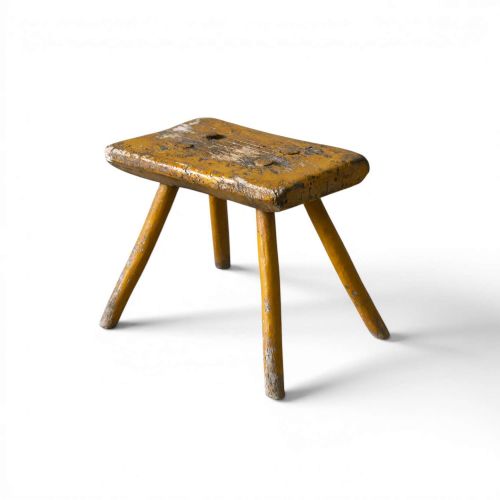
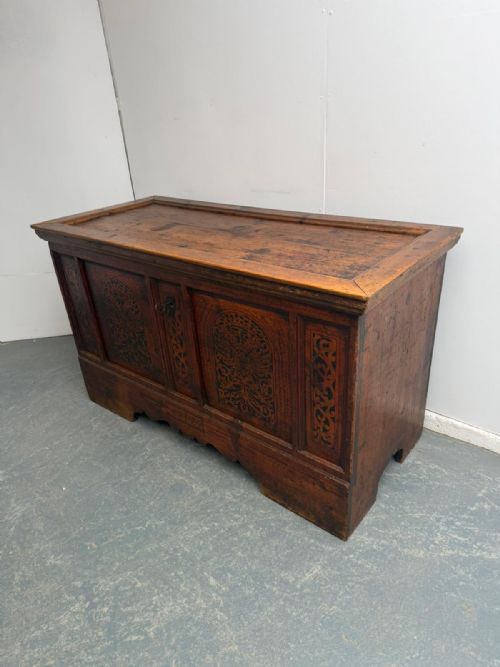
Stools and storage chests form a large part of the available selection, frequently displaying original painted finishes such as ochre, yellow or green. These domestic items demonstrate the practical craft traditions of rural communities in places like Hungary, Romania and Ukraine.
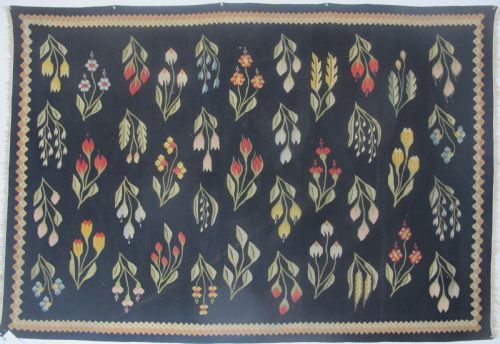
Textiles and sculptural works also appear, including Bessarabian kilim rugs and floral tapestries from Romania alongside carved wooden figures. Each object reflects the vernacular design sensibilities of its specific origin and period.
Materials and construction
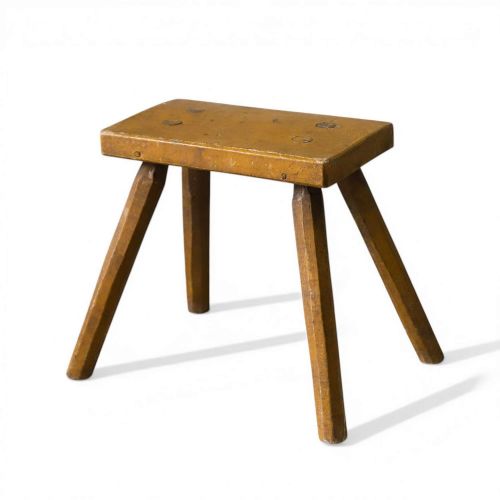
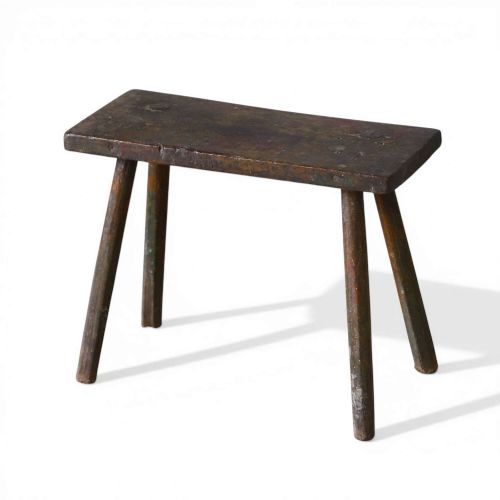
Wood forms the primary substrate for the furniture, with pine and general timber utilised to build benches, milking stools, chests of drawers and coffer boxes. Artisans applied hand-mixed paint directly to these wooden surfaces, preserving early finishes in shades of ochre, yellow and green.
Textiles rely on natural wool woven into flat-weave kilims and detailed floral tapestries. Other materials include iron for structural hardware and glass within framed diorama works depicting snowy townscapes.
An amusing carved wooden sculpture of a night watchman represents Ukraine interest from the 1940s.
Assessing quality
Quality in these pieces rests heavily on the preservation of original painted surfaces and authentic surface wear. Items retaining their untouched ochre, yellow or green paint demonstrate greater integrity than those stripped or overly restored.
The sophistication of the craft work also distinguishes individual examples, from the proportion and joinery of pine benches and coffers to the intricate patterning found in Bessarabian kilims and Romanian tapestries. Authenticity of period and region underpins the overall appeal.
The Eastern European Folk Art Glossary
- Kilim
- A flat-woven carpet or rug produced in regions including Bessarabian areas. These textiles feature characteristic geometric or floral motifs created without a pile.
- Coffer
- A large wooden chest traditionally used for storing valuables or household goods. Hungarian examples often feature original painted decoration.
- Milking stool
- A small, functional three-legged seat used during agricultural labour. Surviving nineteenth-century versions frequently display vibrant original paint finishes.
- Diorama
- A three-dimensional scene depicting a specific subject, such as an Eastern European townscape in the snow. These constructed displays capture narrative moments behind glass.
Eastern European Folk Art: Frequently Asked Questions
What is Eastern European folk art?
Eastern European folk art comprises traditional utilitarian and decorative objects made by rural craftspeople. The selection includes painted pine furniture, woven kilims and sculptural figures.
These items reflect the distinct domestic and cultural practices of regions such as Hungary, Romania and Ukraine during the nineteenth and early twentieth centuries.
How do I identify a Bessarabian kilim?
Bessarabian kilims are flat-woven textiles distinguished by their specific regional floral and geometric designs. They were produced in the historical Bessarabia region.
Unlike pile carpets, they have a flat surface and were used traditionally as floor coverings or wall hangings.
Are painted finishes on these pieces original?
Many nineteenth-century stools, benches and coffers retain original paint layers in colours like ochre, yellow or green. Examining the surface helps determine whether the pigment dates to the period of manufacture.
Untouched historical paint adds significant character to rustic wooden furniture.
How were rustic pine chests used?
Rustic pine chests and coffer boxes served as primary storage for textiles, clothing and household goods in rural homes. Marriage chests were often commissioned for dowries.
Their sturdy construction made them durable pieces of everyday domestic furniture.