




Folk Art Shadow Box
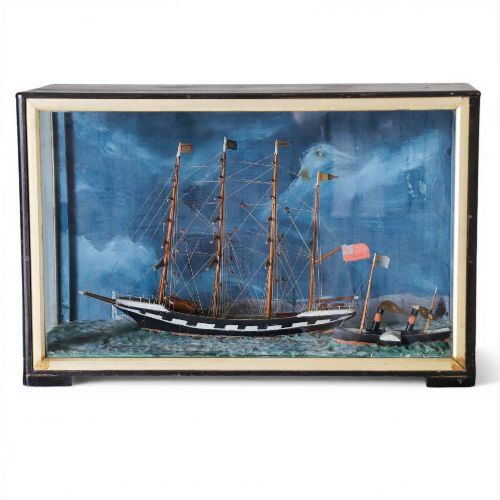
These folk art shadow box pieces are tactile, three-dimensional tableaux enclosed in glazed timber frames, bringing nautical vessels and townscapes straight into the home.
Folk Art Shadow Box
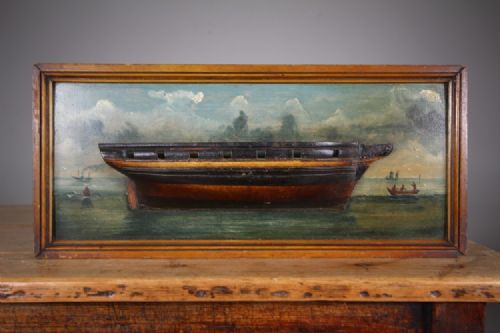
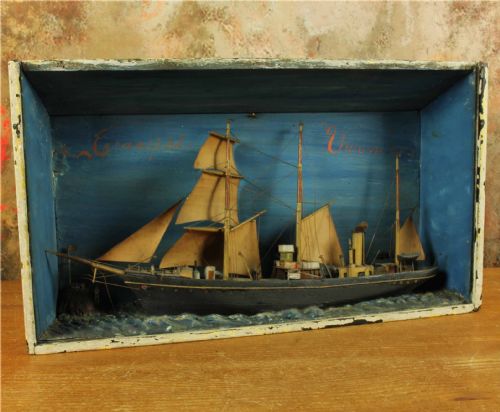
A folk art shadow box displays miniature scenes built within shallow wooden enclosures, most frequently taking the form of maritime dioramas featuring sailing ships, clippers, and steam barges. These pieces originate from the nineteenth and early twentieth centuries, spanning Victorian, English, American, and European traditions.
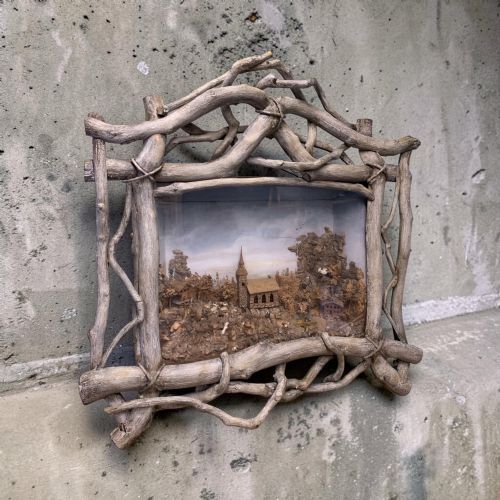
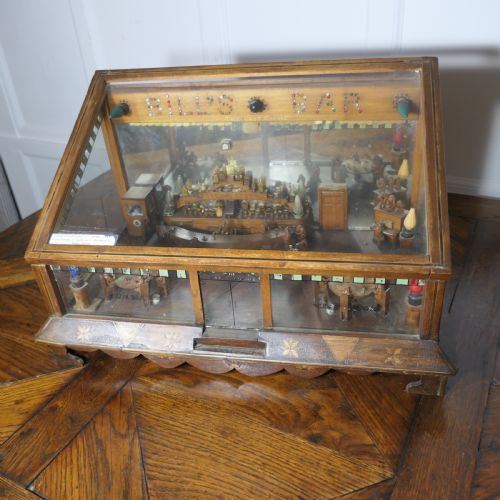
Beyond maritime subjects, the category includes scratch-built ship models, prisoner art saloon bars, townscapes in the snow, and industrial copper smelting furnaces. Each box contains layered elements that create depth, viewed entirely through a protective glass front.
Makers ranged from sailors and prisoners to regional craftsmen working independently, resulting in diverse domestic and naval subjects. The form captures intricate miniature environments using accessible local materials of the period.
How they were made
Construction relies upon timber frames housing glass panels to protect the internal compositions from dust and damage. Makers built these enclosures using wood for the primary box structures, often adding canvas, paper, fabric, and oil paint to render the backgrounds and seascapes.
Specialised techniques include cork modelling, straw work, shell arrangement, and scratch-built ship models assembled from scraps. Details such as twigs, plaster, and painted finishes add texture and realism to the enclosed miniature dioramas.
Current listings feature materials including wood, glass, paint, plaster, canvas, paper, fabric, and oil paint across nineteenth and early twentieth-century pieces.
What varies in quality
Quality rests upon the intricacy of the internal modelling and the artistic fidelity of the painted backdrops. Finer examples display meticulous rigging on sailing ships or complex architectural details within townscapes and industrial scenes.
The choice of medium affects the overall character, ranging from simple painted canvases to elaborate straw work or detailed shell mosaics. Well-composed spatial depth and the preservation of original paint and materials distinguish superior works.
The Folk Art Shadow Box Glossary
- Shadow box
- A deep, glazed wooden frame designed to house and display three-dimensional objects and miniature scenes. It protects delicate internal constructions while allowing a clear front view.
- Diorama
- A three-dimensional scene containing miniature figures, models, and painted backgrounds. In this context, they typically depict maritime vessels at sea or domestic townscapes.
- Scratch-built
- A model constructed entirely from raw materials and spare components rather than from a commercial kit. This method demonstrates the independent skill of nineteenth and early twentieth century makers.
- Straw work
- A decorative technique utilising flattened pieces of straw applied to surfaces to create geometric patterns or pictorial designs. It appears on specific maritime dioramas of the nineteenth century.
- Prisoner art
- Objects created by detained individuals during wartime, often utilising simple tools and available materials. These pieces frequently depict nautical subjects or local tavern interiors.
Folk Art Shadow Box: Frequently Asked Questions
What is a shadow box diorama?
A shadow box diorama is a sealed, glazed wooden container enclosing a three-dimensional miniature scene. These pieces combine painted backdrops with physical models to create depth.
Most surviving examples depict maritime subjects, including sailing ships, clippers, and naval engagements set against painted seascapes.
How were these maritime dioramas used?
Historically, these items served as decorative home furnishings or keepsakes commissioned by sailors and maritime enthusiasts. They preserved memories of specific vessels and voyages within domestic spaces.
Today, they function as wall art and tabletop displays, offering a tangible connection to nineteenth and early twentieth century maritime heritage.
How do I date an antique shadow box?
Dating relies upon examining the materials, construction methods, and stylistic cues present in the frame and internal models. Nineteenth-century pieces often feature hand-painted canvas backgrounds and traditional ship rigging.
Early twentieth-century examples incorporate distinct construction techniques, differing shell work styles, or clockwork mechanisms reflecting the industrial period of their creation.
Where should I place a shadow box?
These boxes require stable indoor environments away from direct sunlight and excessive moisture to protect the fragile paper, fabric, and painted surfaces inside. Wall mounting or secure shelf placement ensures the glass and timber frames remain safe.
Lighting should be gentle to highlight the interior depth without causing fading to the original oil paints and canvas backgrounds.