


Antique Shadow Box
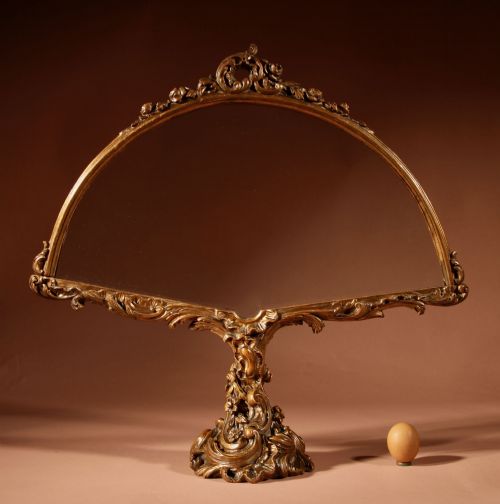
These antique shadow box displays and tables house dimensional dioramas, taxidermy and curiosities behind glass to protect and frame intricate interior objects.
Antique Shadow Box
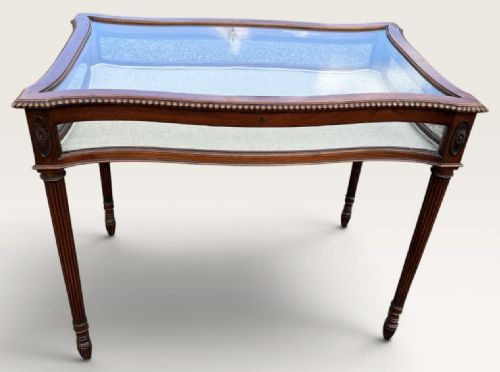
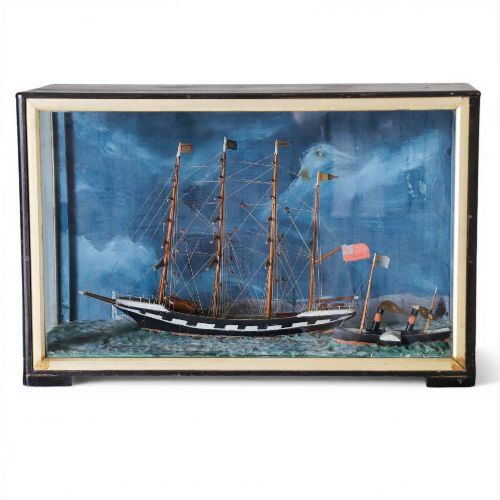
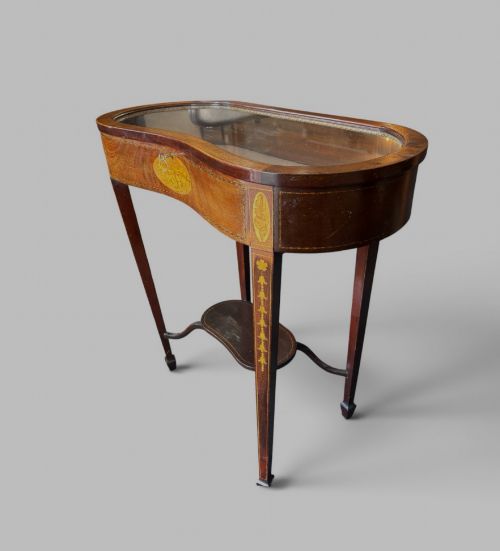
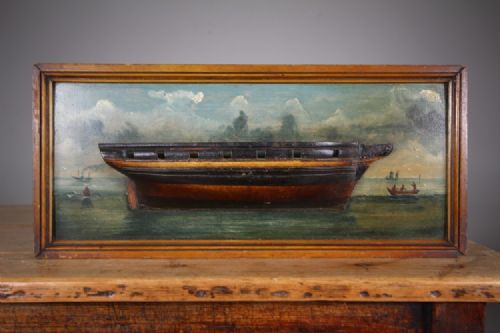
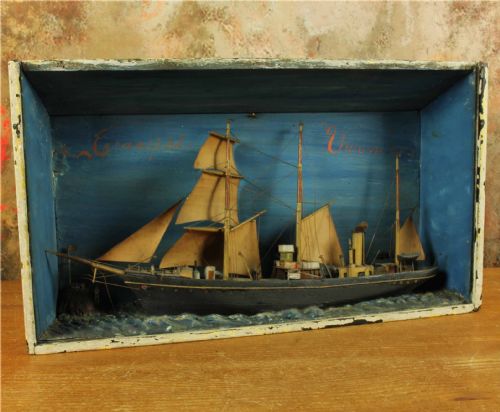
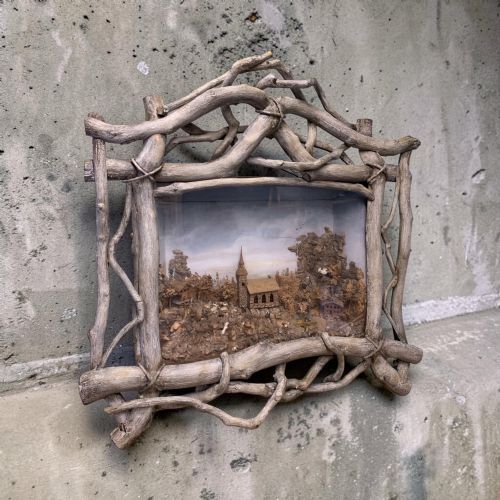
An antique shadow box gathers three-dimensional objects, maritime dioramas, taxidermy scenes and delicate flat displays within glazed wooden cases, cabinets and tables. Buyers searching for an antique shadow box encounter maritime folk art, French devotional pieces with glass figures, taxidermy set in snow scenes, and mahogany bijouterie display tables.
The selections range from Victorian and Edwardian periods down through the late nineteenth century, encompassing serpentine bijouterie tables, cork work dioramas and framed memorabilia. These pieces serve to exhibit keepsakes, ship models and natural history specimens securely while offering a clear view from multiple angles.
Originating in domestic and maritime settings, the form takes shape as deep wall-mounted frames, table-top display cases and freestanding cabinets. Each version prioritises the clear presentation of enclosed subjects, whether a sailing ship model or a pair of mounted birds.
Materials and construction methods
Maker construction relies heavily on timber frames of mahogany, satinwood, kingwood, oak and rosewood, joined to deep glass-fronted boxes or table compartments. Glazing protects fragile interior elements such as paper, fabric, lace, painted paper seascapes and cork work from dust and handling.
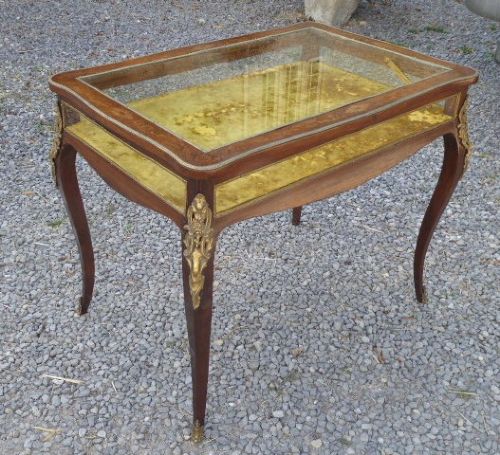
Interior mounts often utilise velvet, paint and paper backings to contrast with taxidermy specimens, carved model ships, or delicate devotional glass figures. Brass or ormolu mounts, marquetry inlay and straw work provide decorative detail to the exterior wooden housings.
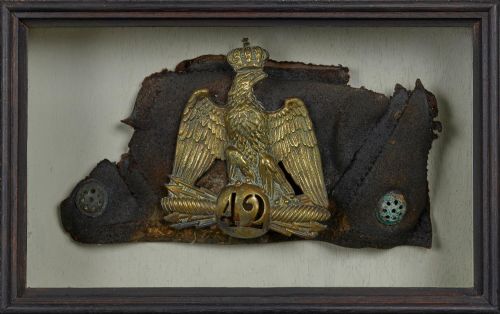
Napoleon's 42nd Infantry Regiment makes a cameo appearance.
Factors that distinguish quality
Quality rests upon the execution of the interior composition, such as the intricacy of a four-masted sailing ship diorama or the naturalism of taxidermy bird pairs. Superior examples display precise joinery in the box or table frame, alongside well-preserved internal materials like velvet, paint and paper.
The presence of secondary decorative elements, including ormolu mounts, brass inlays, marquetry or satinwood stringing, separates standard display cases from finer exhibition pieces. The clarity and integrity of the original glass pane and backing materials complete the assessment.
The Antique Shadow Box Glossary
- Bijouterie table
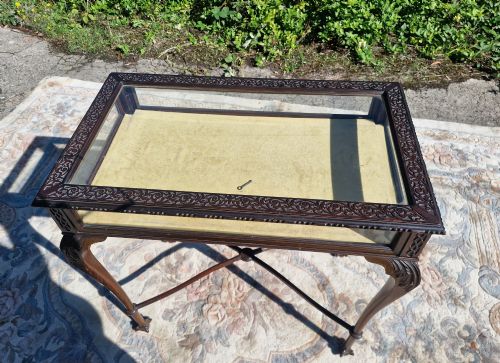
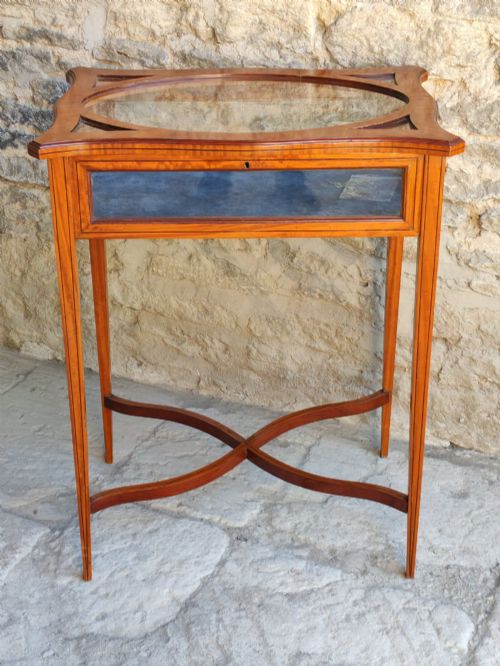
- A glass-topped display table designed specifically for showing small valuables, jewellery and curiosities. These tables stand on legs and lift open from the top.
- Diorama
- A three-dimensional scene depicting historical, maritime or natural subjects inside a container. They frequently incorporate painted backgrounds behind carved models.
- Ormolu
- Gilded bronze mounts applied to the exterior of wooden furniture and display cases. This technique was favoured by French cabinet makers.
- Taxidermy
- The art of preserving and mounting animal specimens for display. Victorian examples often arrange birds within naturalistic snow or woodland scenes inside glazed cases.
- Marquetry
- The decorative craft of applying small pieces of veneer to a structure to form geometric or pictorial designs. It appears on the surfaces of display tables.
Antique Shadow Box: Frequently Asked Questions
What goes inside an antique shadow box?
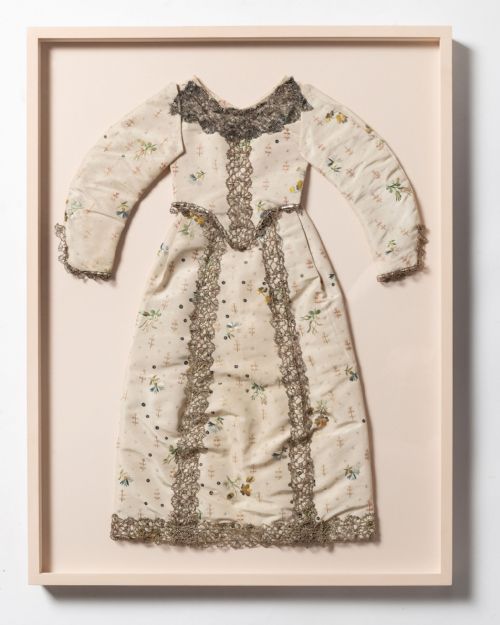
These enclosures hold maritime ship models, taxidermy specimens, framed dresses, devotional glass figures and delicate personal mementos.
The contents depend on whether the piece functions as a wall-mounted diorama or a table-top display cabinet for small valuables.
How do I clean the glass safely?
Use a soft cloth and mild glass cleaner applied to the cloth rather than directly onto the wood or frame. Avoid spraying liquid near antique joints or delicate internal mountings.
Take care around older timber finishes and gilt mounts during maintenance to preserve the surrounding material.
Where should I place a display table?
Position bijouterie tables away from direct sunlight and moisture to protect internal fabrics, paper elements and wooden veneers from fading. Place them in rooms where viewers can look down through the glass top.
Ensure stable placement on flat flooring to maintain the alignment of hinged lids and glass panes.
How can I tell Victorian from Edwardian pieces?
Victorian examples from the nineteenth century tend to feature heavier timbers, deep ormolu mounts and dense maritime folk art or taxidermy scenes. Edwardian pieces often employ lighter satinwood and mahogany with restrained inlaid stringing.
The overall aesthetic shifts from ornate revival styles towards lighter, cleaner display table designs in the later period.