
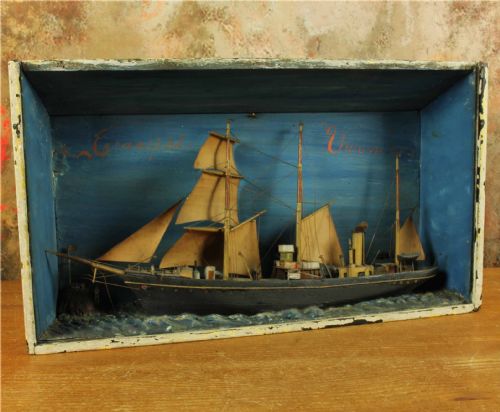


Folk Art Painted Box
A folk art painted box brings the vibrant character of domestic craft into a room, offering both practical storage and a distinct regional history.
Folk Art Painted Box
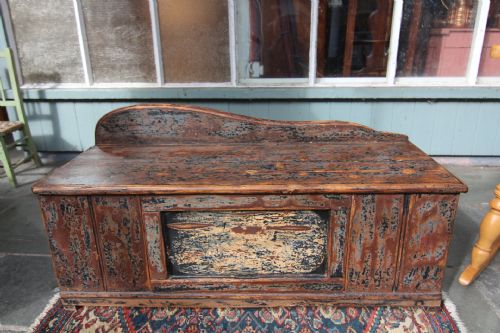
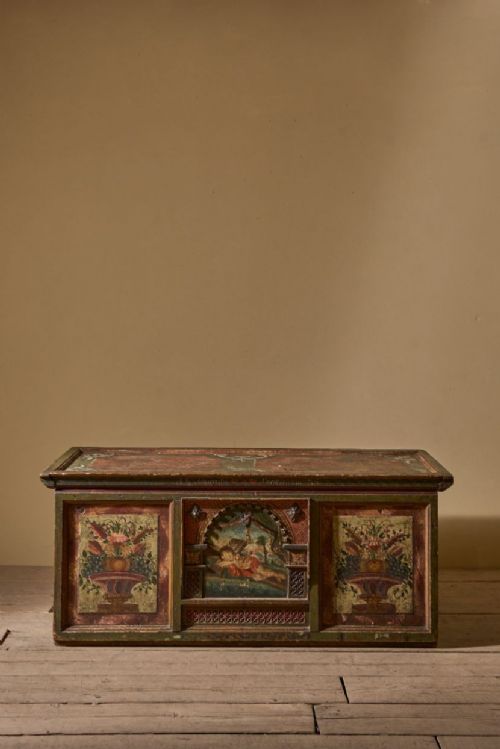
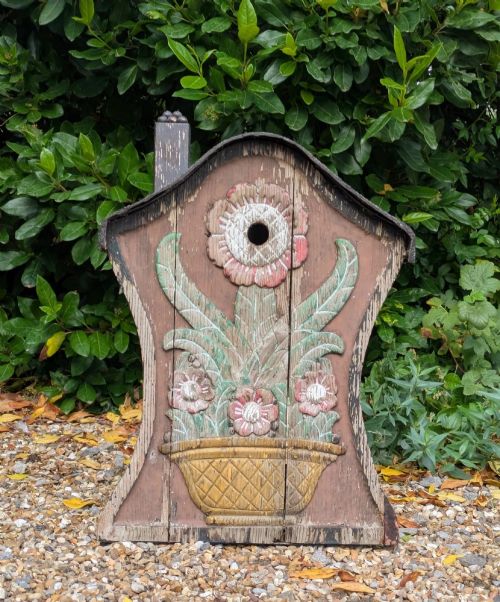
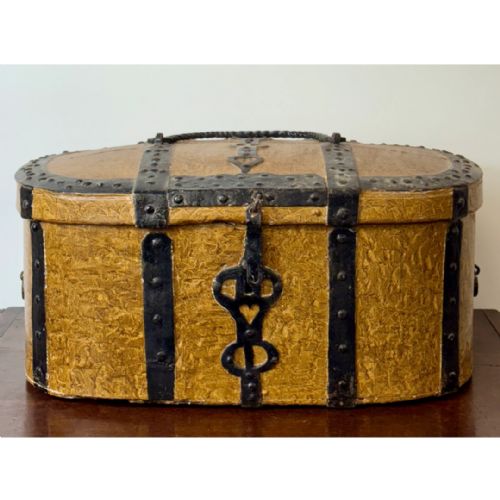
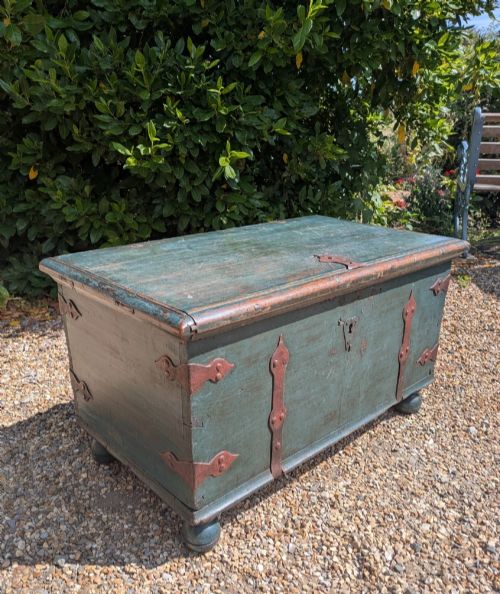
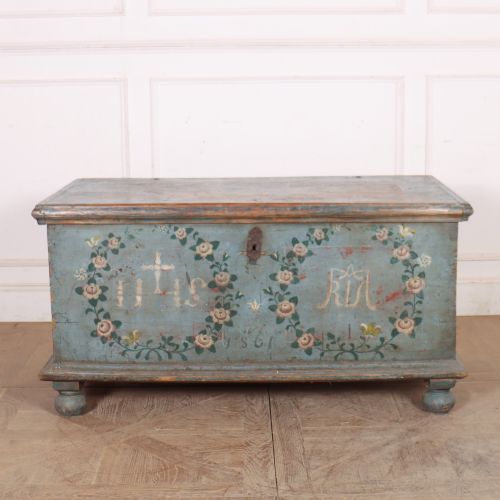
A folk art painted box encompasses utilitarian wooden containers, strong boxes, marriage chests, and small decorative receptacles created across Europe and Britain. These pieces range from substantial 18th century and 19th century marriage trunks originating in Sweden, Hungary, and the Alpine region down to modest money boxes and workboxes shaped like cottages.
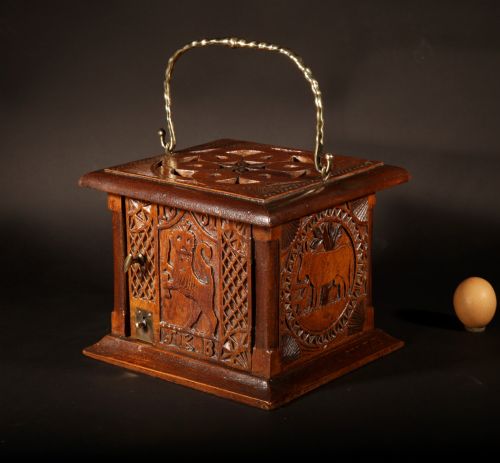
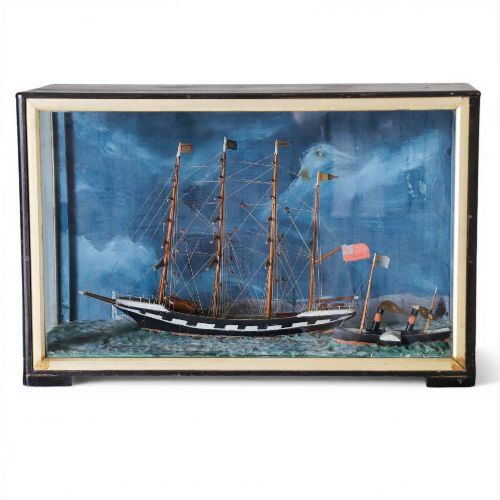
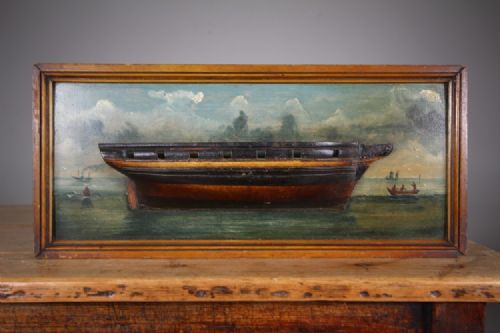
Buyers browsing this selection frequently encounter pine chests and coffer boxes finished with original pigment, alongside maritime shadow box dioramas and chip-carved foot stoves. The variety extends across Scandinavian, Hungarian, and Victorian folk traditions, showing how ordinary household objects served as canvases for local decorative expression.
Materials and construction
Makers relied primarily on pine and general wood construction to build these storage pieces, assembling trunks, blanket boxes, and smaller containers with dovetailed or pegged joints. Hand-forged iron strapwork and wrought iron hardware frequently reinforced the corners and lids of larger marriage chests and strong boxes.
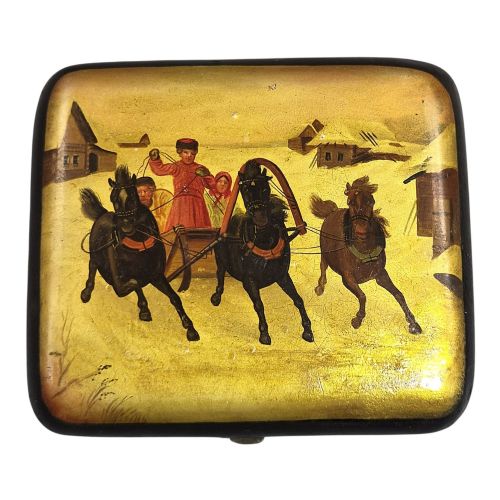
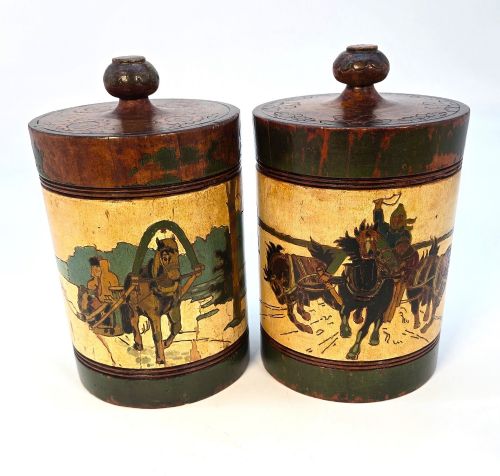
Decoration depended on applied pigment and paint, sometimes combined with chip carving or lacquer work as seen on Russian containers and papier-mâché cigarette cases. Surfaces retained their original paint layers, reflecting regional palettes from muted greens and greys to vibrant floral motifs.
A foot stove from 1901 combines warmth with chip carving, proving that even cold feet required artistic expression.
Evaluating craftsmanship and survival
The distinction between standard utility items and finer regional pieces rests largely on the preservation of the original painted surface and the crispness of any chip carving. Untouched pigment retains the intended visual impact of the maker, whereas heavily restored or later overpainted surfaces alter the historical integrity of the piece.
Structural honesty and the integration of hand-forged iron strapwork also dictate the caliber of a box or chest. Well-preserved dovetailing, original hardware, and authentic regional motifs elevate an ordinary pine container into a compelling example of folk art.
Vishnyakov Workshop
The Folk Art Painted Box Glossary
- Marriage chest
- A large storage trunk or coffer traditionally commissioned or decorated to mark a wedding, frequently inscribed with dates and initials.
- Coffer
- A heavy wooden chest, often fitted with a hinged lid, used for storing valuables and household textiles.
- Strong box
- A robust storage container, typically reinforced with iron strapwork, designed to secure documents or currency.
- Diorama
- A three-dimensional scene enclosed in a box, commonly depicting maritime subjects such as sailing vessels and ships at sea.
- Chip carving
- A decorative technique where small chips are removed from a wooden surface with a knife to create geometric patterns.
- Treen
- Small handmade wooden objects for domestic use, including containers and tobacco boxes.
Folk Art Painted Box: Frequently Asked Questions
What were folk art painted boxes used for?
These boxes served everyday storage needs in domestic settings, holding textiles, documents, and personal valuables.
Larger marriage chests and coffers held dowry items, while smaller examples functioned as money boxes, tobacco containers, or workboxes.
How can I tell the origin of a painted box?
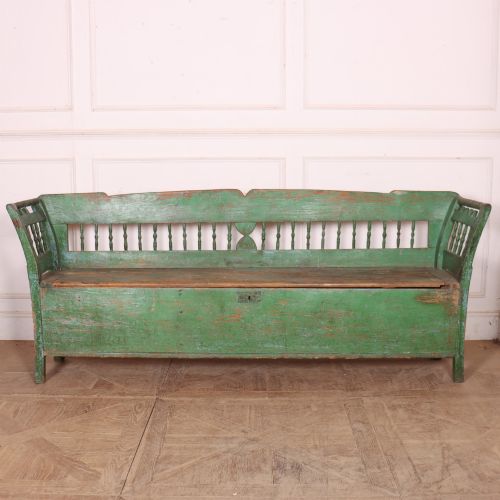
Regional styles and specific colour palettes provide primary clues to geographic origins, such as Hungarian floral motifs or Scandinavian green paint.
Construction methods and the specific type of wood, like pine, further help attribute pieces to particular European or British traditions.
Are these boxes made of solid wood?
Most examples are constructed from solid timber, predominantly pine, joined with traditional techniques suited to utilitarian furniture.
Some specialised items, such as Russian cases, incorporate papier-mâché or layered materials alongside wood.
How do I care for original painted surfaces?
Preserving the original pigment requires keeping pieces away from direct sunlight and fluctuating humidity levels.
Dusting gently with a dry cloth avoids disturbing fragile historic paint layers and iron hardware.