





Vintage Painted Snuff Box
A vintage painted snuff box brings miniature artistry to your pocket, offering hand-decorated lids in enamel, lacquer, and toleware from past centuries.
Vintage Painted Snuff Box
When you search for a vintage painted snuff box, you encounter small personal containers designed for tobacco, patches, or pills during the eighteenth and nineteenth centuries. These pocket-sized objects feature detailed miniature scenes and decorative motifs painted directly onto their surfaces.
The pieces on this page span the seventeenth through the early twentieth centuries, encompassing Georgian, Victorian, and continental European origins. You are most likely to meet enamel patch boxes and papier-mâché or metal snuff boxes adorned with hand-painted artistry.
Materials and construction
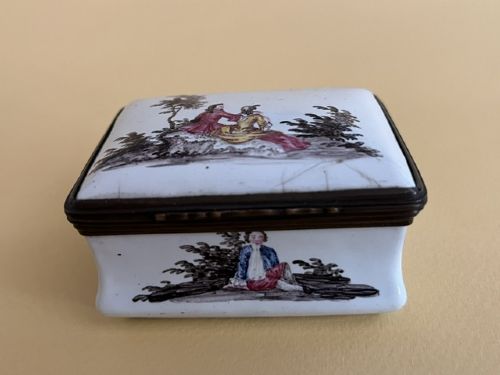
Enamel on copper or gilded metal forms many of the finest eighteenth-century boxes, particularly from English centres like South Staffordshire and Bilston. Artisans fused powdered glass to metal bases under high heat before applying delicate hand-painted decoration.
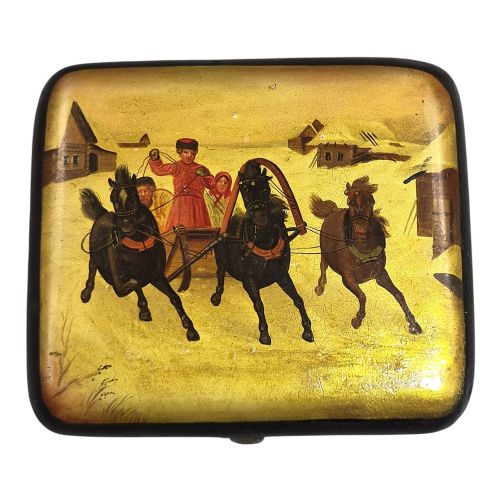
Papier-mâché and painted tin or toleware provide the structure for nineteenth-century examples, often finished with dark lacquer and gold leaf. These materials allowed for moulded shapes, such as dome-topped lids and rectangular containers.
Vintage Painted Snuff Box Retail Price Guide 2026
Typical asking prices for vintage painted snuff box among the pieces listed under this phrase on Sellingantiques today, from the lower quarter to the upper quarter. They describe what is for sale here now, not the wider market.
Some nineteenth-century gentlemen carried boxes with concealed secret compartments designed to hide extra pinches of tobacco from generous friends.
Judging quality and craftsmanship
The fineness of the miniature brushwork distinguishes exceptional boxes from simpler utility pieces. Look at the precision of the facial expressions, the shading in the landscapes, and the stability of the painted surface against the underlying enamel or lacquer.
The structural integrity of the hinge and the neatness of the metal mounts reflect the original maker's skill. Solid silver or copper frames with secure closures indicate a higher grade of production than rudimentary tin construction.
Vishnyakov Workshop
The Vintage Painted Snuff Box Glossary
- Snuff box
- A small container designed to hold ground tobacco for inhalation. These boxes typically feature snug-fitting lids to preserve the contents.
- Patch box
- A diminutive container used to hold small silk cosmetic patches fashionable in the eighteenth century. They frequently include interior mirrors fitted inside the lid.
- Toleware
- Painted or lacquered tinplate articles produced primarily in the eighteenth and nineteenth centuries. The technique involves building up dark varnishes and hand-applied pigments.
- Guilloche enamel
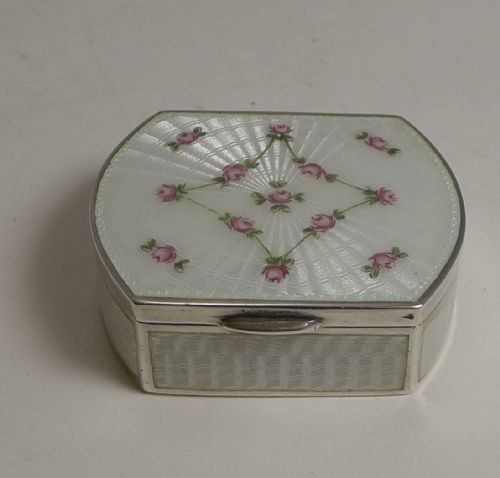
- An ornamental metal surface covered with translucent enamel over an engine-turned geometric pattern. This technique creates a shimmering, wave-like depth beneath the colour.
Vintage Painted Snuff Box: Frequently Asked Questions
What were painted snuff boxes used for?
These containers held powdered tobacco, known as snuff, which users consumed by inhalation during the seventeenth, eighteenth, and nineteenth centuries. Wealthy individuals carried them as fashionable accessories to social gatherings.
Over time, owners also repurposed them for tiny personal items like adhesive beauty patches, pills, or medicinal lozenges.
How do I date an old snuff box?
Examine the materials and the style of the painted miniature to estimate the period of manufacture. Eighteenth-century pieces frequently utilise copper and enamel, while nineteenth-century examples often employ papier-mâché or toleware.
Check the construction of the hinge and the mount, as manufacturing techniques shifted noticeably from Georgian hand-forging to later industrial methods.
Are enamel boxes fragile?
Enamel consists of fused glass on metal, meaning it can crack or chip if dropped against a hard surface. Gentle handling protects the delicate painted surface from abrasion.
Store them away from extreme temperature fluctuations and moisture to preserve the metal mounts and prevent the paint from lifting.
How should I display my collection?
Small glass-fronted cabinets or shallow display trays lined with velvet provide safe and secure viewing environments. Keeping the boxes enclosed protects them from dust while allowing the painted lids to remain visible.
Ensure that display areas avoid direct sunlight to prevent the pigments on the painted surfaces from fading over time.