


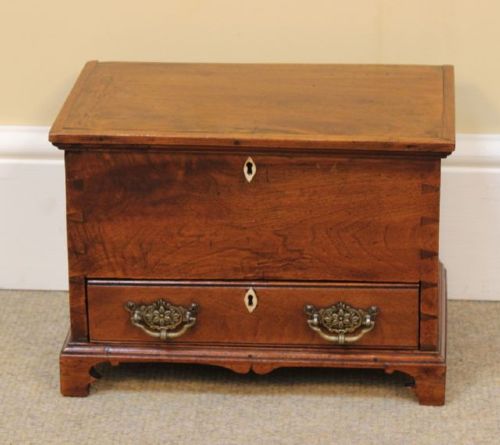
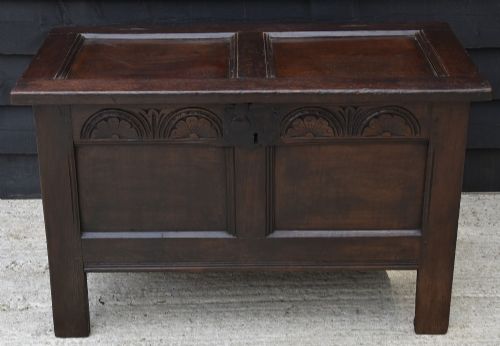
Small Box
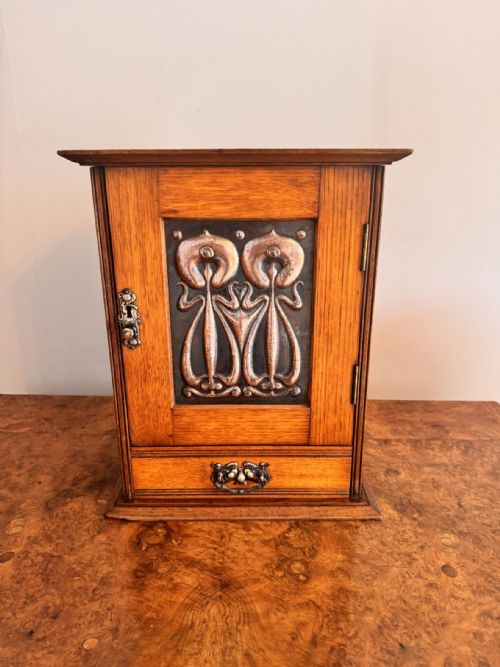
A small antique box offers a tactile link to past domestic rituals, housing everything from personal snuff to precious documents in enduring materials.
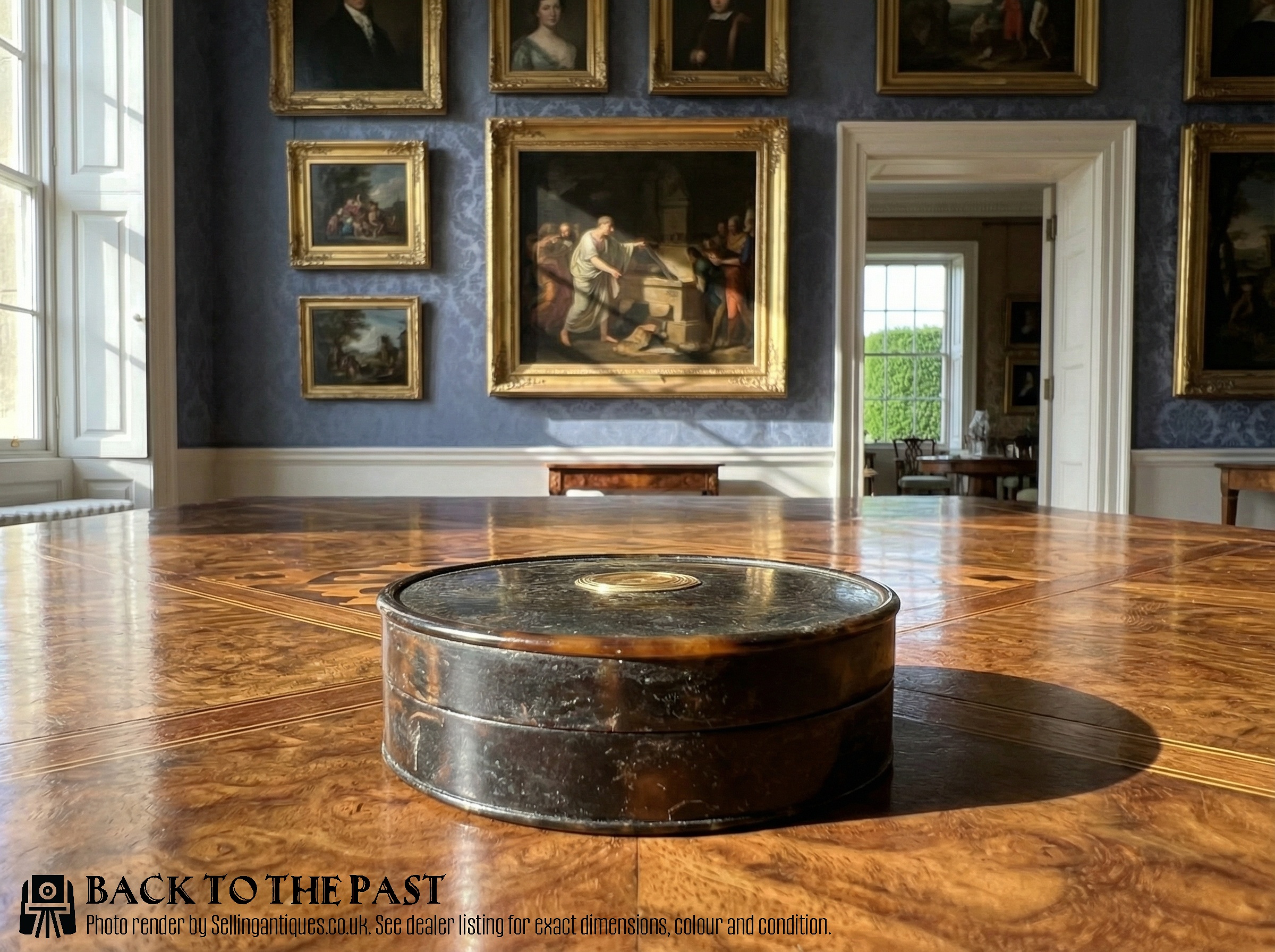
Small Box
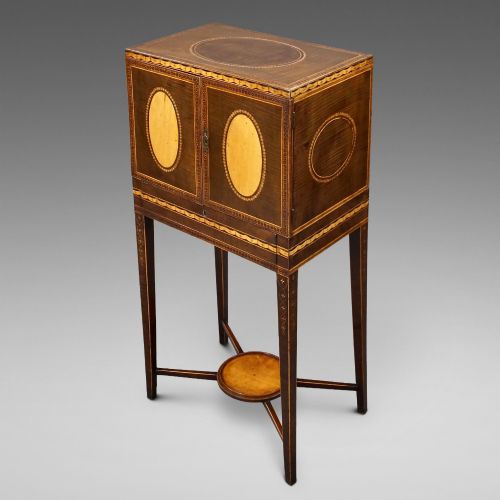
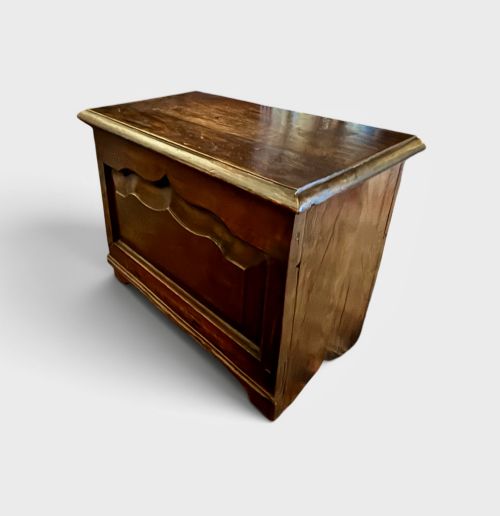
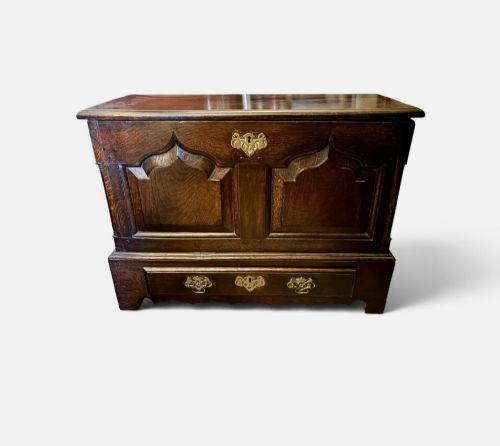
A small antique box encompasses a diverse array of compact domestic vessels spanning several centuries of craftsmanship.
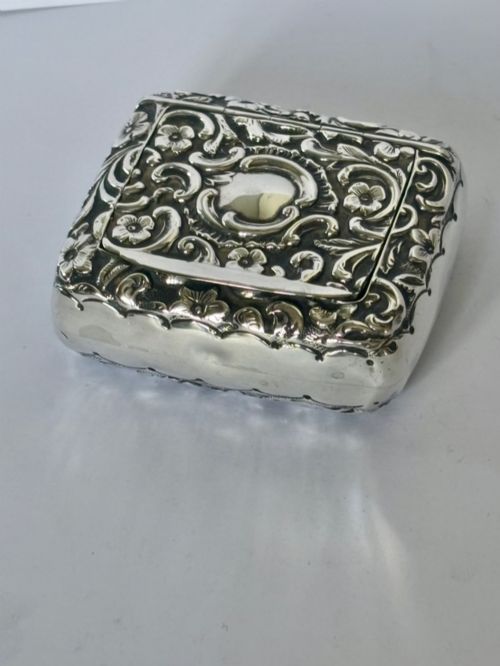
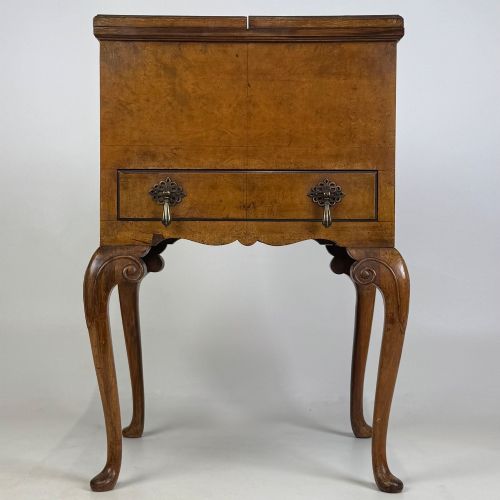
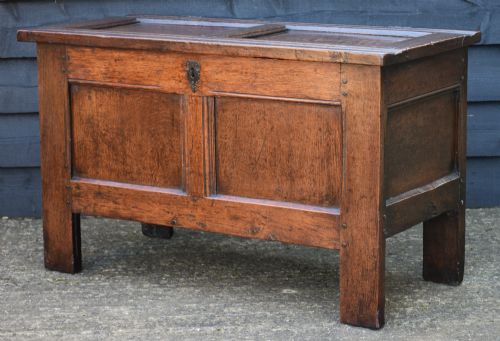
The selections encountered range from sturdy seventeenth-century oak coffers and spice cupboards to elegant Victorian silver pill boxes and Georgian mahogany tea caddies.
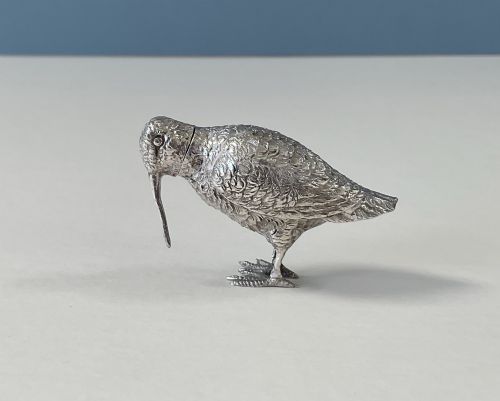
Buyers frequently encounter utilitarian containers such as apothecary boxes and snuff boxes alongside decorative trinket cases fashioned from exotic woods and metals.
How they were made
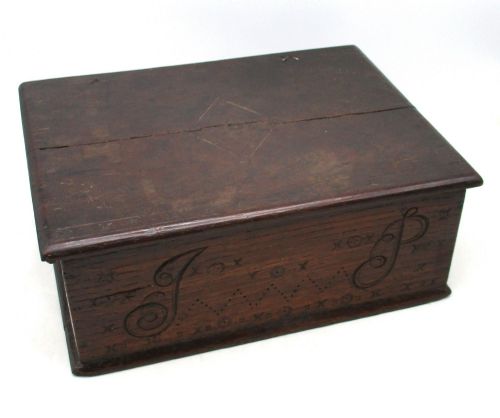
Construction relied heavily on solid native timbers like oak and mahogany, often joined with traditional pegged or dovetailed joints for durability.
Surface ornamentation involved intricate techniques including hand-carving, brass inlay, satinwood banding, and delicate silver-gilt work.
Smaller personal items integrated specialised materials such as mother-of-pearl, tortoiseshell, enamel, and horn, fitted carefully into metal frames.
What varies in quality
The calibre of a piece depends largely on the precision of its joinery and the selection of figured timbers used by the maker.
Superior examples retain original internal fittings, working locks with keys, and uncompromised surface patination accrued through age.
Decorative embellishments show distinct gradations, separating straightforward utility items from exquisitely chased silver or finely detailed marquetry work.
HENRY MATTHEWS·FA BARRETT
The Small Box Glossary
- Coffer bach
- A small Welsh oak chest historically used for household storage. These miniature blanket chests mirror the construction of larger furniture on a compact scale.
- Snuff box
- A small hinged container designed to hold powdered tobacco. They frequently feature precious metals, enamel, or tortoiseshell.
- Vinaigrette
- A small ornamental box containing a perforated grill over a sponge soaked in aromatic vinegar. Victorians carried these to mask unpleasant odours.
- Treen
- Small handmade wooden household objects created before the widespread use of plastics. Collectors prize these tactile items for their rich historic patina.
Small Box: Frequently Asked Questions
What were small antique boxes used for?
These vessels served myriad daily purposes, from securing confidential letters and precious jewellery to dispensing medicines and holding personal tobacco.
Their exact function dictated their internal layout, with compartments tailored for bottles, writing slopes, or delicate trinkets.
How do I date a small antique box?
Dating relies on identifying the prevailing timber species, construction methods, and stylistic motifs such as Jacobean carving or Edwardian inlay.
Silver mounts often carry hallmarks that provide precise registry years and maker marks to confirm the era.
How should I care for wooden boxes?
Keep wooden pieces away from direct heat sources and dramatic humidity shifts to prevent timber splitting or veneer lifting.
Apply occasional traditional wax polish to nourish the grain and preserve the historic surface shine.
What is the difference between a coffer and a box?
A coffer is traditionally constructed with heavy planking and frame-and-panel techniques mirroring larger blanket chests.
Standard boxes often feature lighter boxwood or mahogany carcases designed primarily for tabletop storage.