
Small Area Rug
A small antique area rug brings distinct character and texture to compact spaces through traditional craftsmanship and enduring patterns.

Small Area Rug
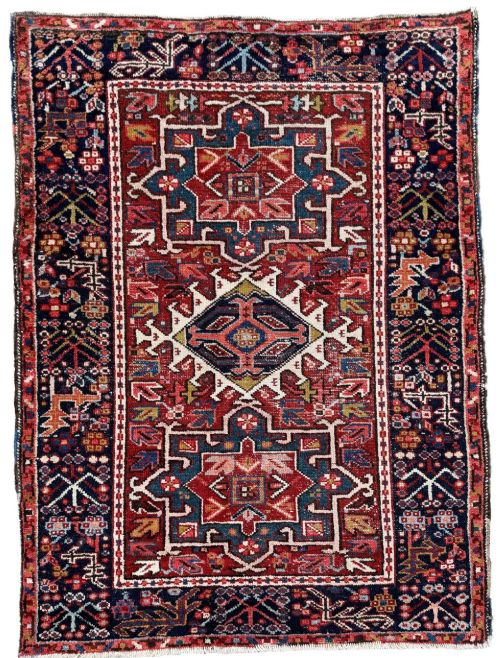
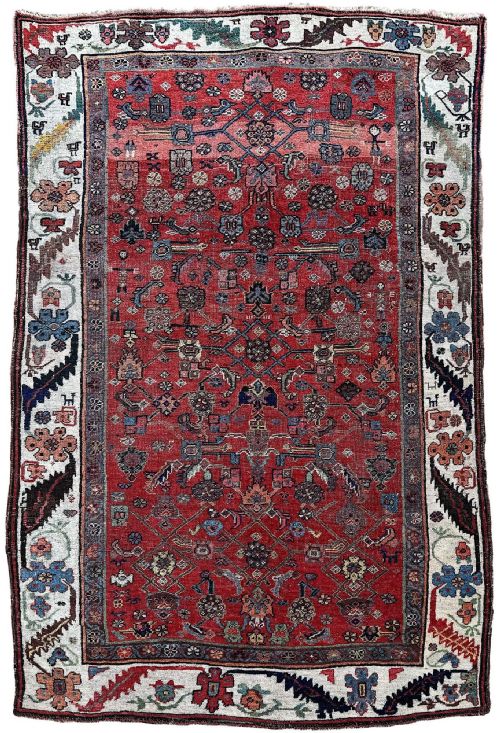
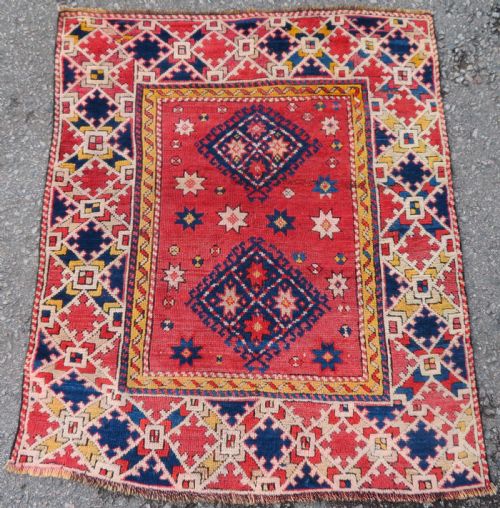
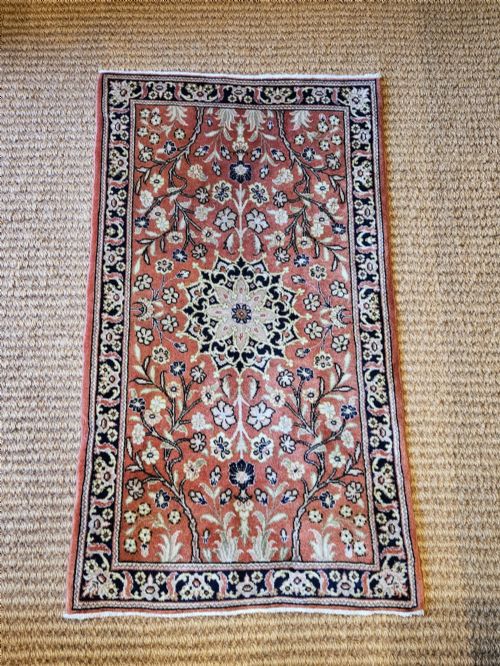
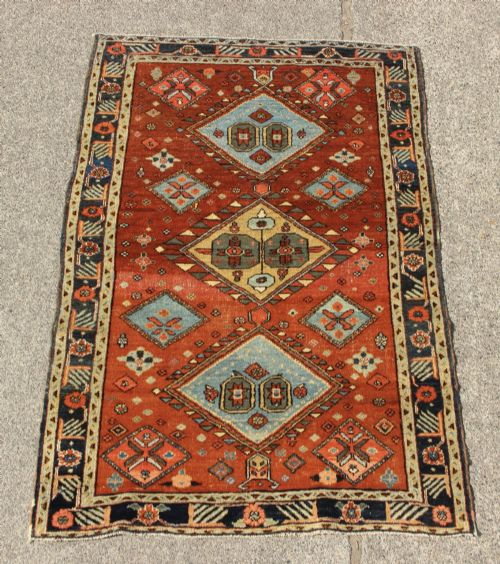
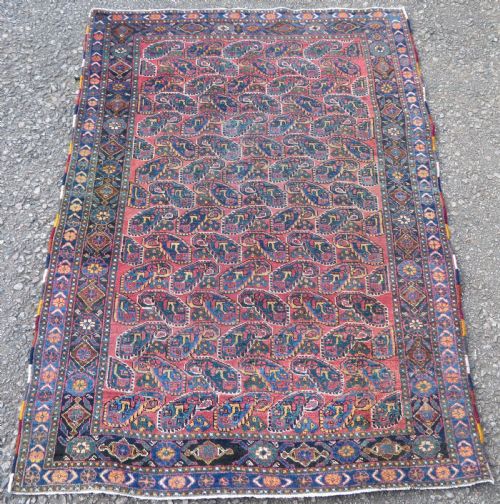
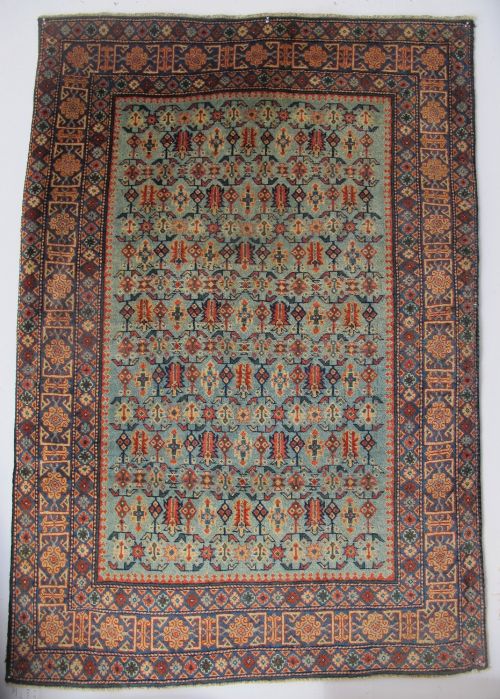
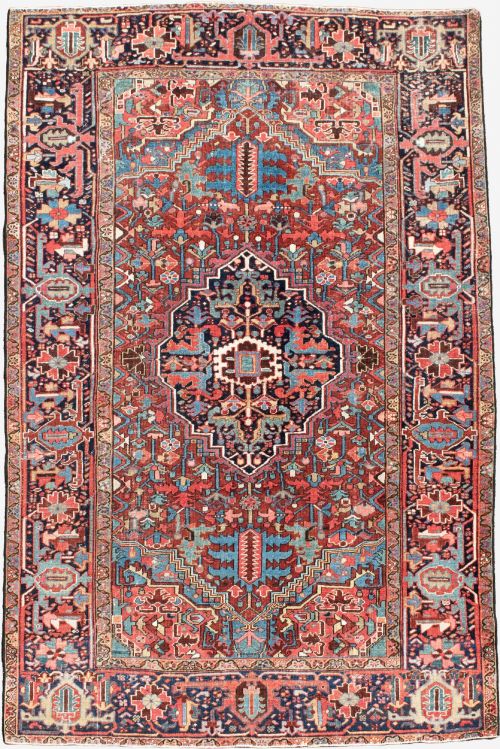
A small antique area rug comprises hand-knotted tribal and village floor coverings originating from various weaving traditions. When searching for a small antique area rug, buyers encounter portable formats produced by nomadic and settled weavers across regions such as Persia and Afghanistan. These pieces serve practical floor coverings while displaying regional artistic heritage.
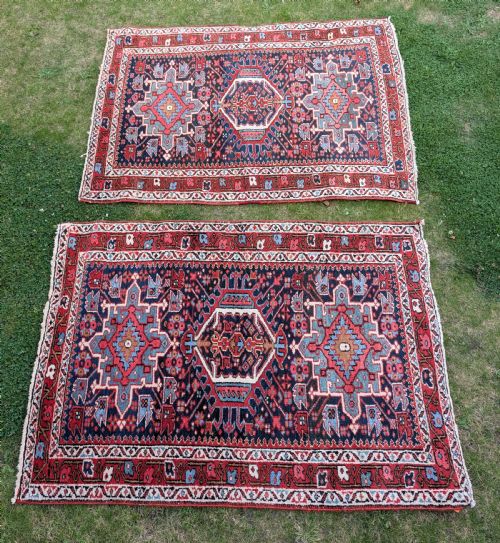
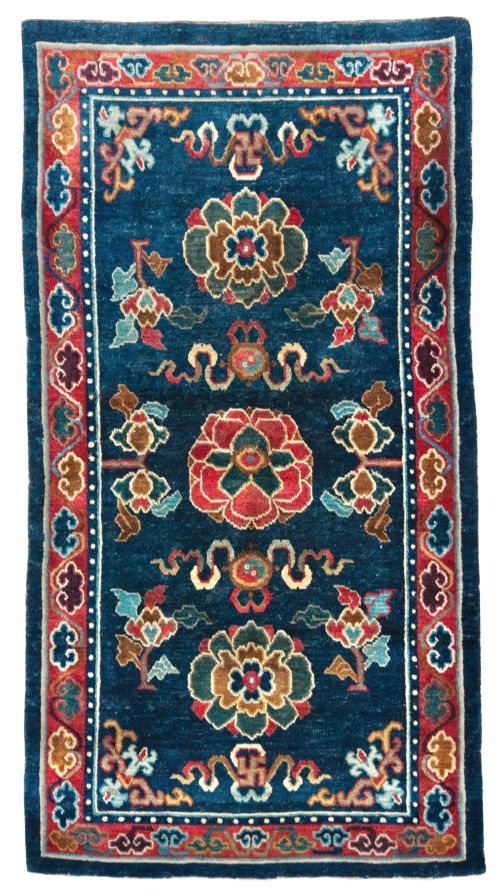
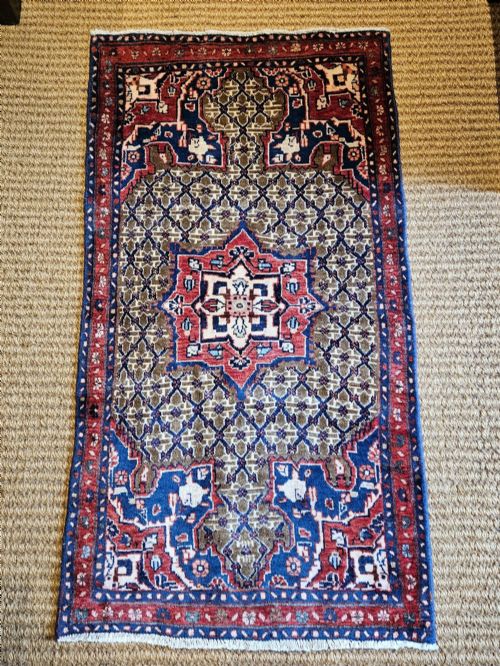
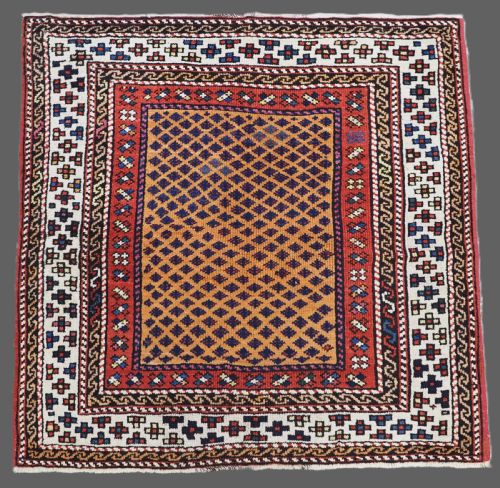
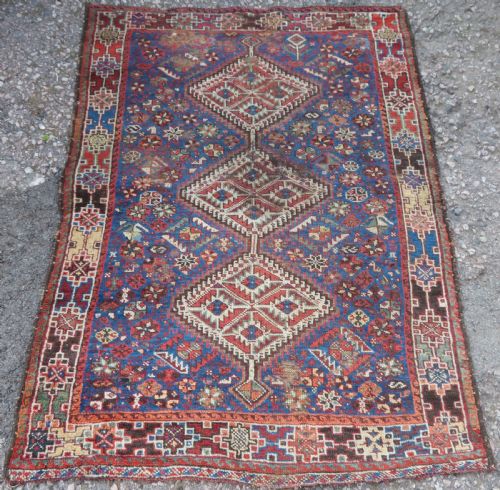
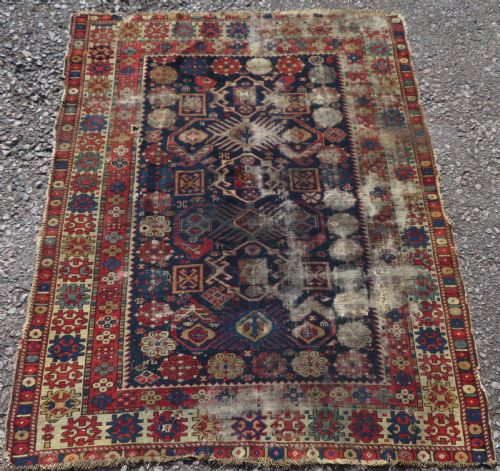
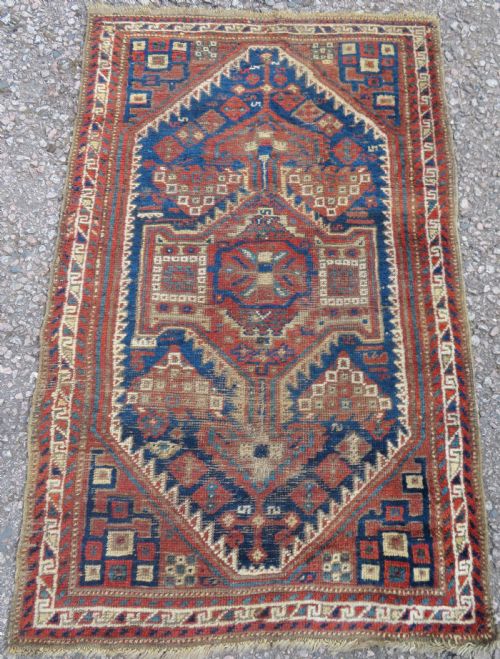
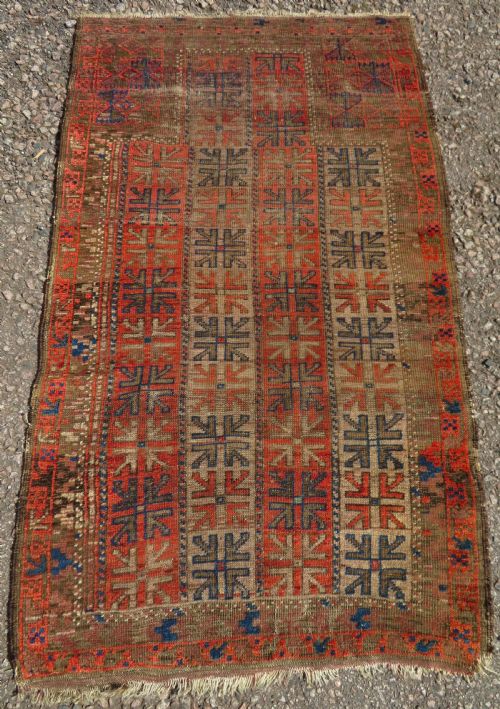
The selections on this page span several decades from the late nineteenth century into the early twentieth century. Pieces include specific tribal workshops and village styles such as Baluch, Khamseh, Afshar, Senneh, and Bakshaish. Each format reflects the distinct iconography and weaving habits of its specific origin.
Village and tribal formats dominate the available examples, offering varied field designs ranging from pictorial elements and prayer mihrabs to geometric tribal motifs. Dimensions remain modest, suiting smaller rooms, entryways, or specific accent spaces within a home. The palette relies on natural colour sources that age with a harmonious patina.
Materials and construction methods
These floor coverings utilise natural materials, predominantly featuring hand-spun wool for the pile and structure, often paired with cotton foundations. The integration of wool provides resilience and a soft tactile quality underfoot. Weavers sourced their materials locally, ensuring sturdy construction designed for daily use.
Natural dyes provide the varied colour palette seen across these textiles, reacting to age with subtle shifts in tone. Artisans knotted the wool yarns by hand onto warp and weft foundations, creating dense structures that secure the pile. This traditional construction method results in flexible yet durable textiles.
Small Area Rug Retail Price Guide 2026
Typical asking prices for small area rug among the pieces listed under this phrase on Sellingantiques today, from the lower quarter to the upper quarter. They describe what is for sale here now, not the wider market.
Several pieces incorporate multiple arched prayer niches into their compact fields, offering miniature architectural wonders for your floor.
Distinctions in quality and execution
Quality in these textiles rests upon the precision of the knotting and the fineness of the wool used in the pile. Tighter knot density allows for sharper definition in geometric and pictorial motifs, separating standard village weaving from finer tribal work. The handling of natural dyes also dictates visual depth, where skilled dye work creates rich tonal variations.
The integrity of the structural foundation and the preservation of original edges and ends influence the overall execution. Finer examples maintain structural stability alongside balanced proportions in the central field and borders. The interaction between design layout and material quality defines the character of each individual piece.
The Small Area Rug Glossary
- Pile
- The upright yarn loops or tufts that form the soft surface of a rug. This layer receives the direct wear of foot traffic and displays the woven design.
- Warp
- The stationary vertical threads stretched onto the loom before weaving begins. The horizontal weft threads and knotted pile intersect with these foundational elements.
- Weft
- The horizontal threads passed alternately over and under the warp threads to bind the knots in place. This element gives the textile its structural firmness along the length.
- Mihrab
- A niche design element in a rug that indicates the direction of prayer. This architectural motif appears frequently in devotional prayer rugs.
- Natural Dyes
- Colourants derived from plant, insect, and mineral sources rather than synthetic chemicals. These substances yield complex shades that soften gracefully over time.
Small Area Rug: Frequently Asked Questions
Where should I place a small rug?
These compact floor coverings suit areas with limited floor space, such as hallways, bedside positions, or small reading corners. Their modest scale allows them to add warmth without overwhelming the room.
Ensure the placement receives moderate foot traffic to preserve the historical fibres while still enjoying the visual texture they bring to your interior.
How do I clean an antique rug?
Routine maintenance involves gentle surface vacuuming without using the beater bar attachment to protect the delicate hand-knotted wool pile. Avoid harsh chemical cleaners or soaking the piece in water.
Professional textile conservators should handle deeper cleaning requirements to ensure the natural dyes and historical fibres remain stable.
What is a tribal rug?
Tribal rugs are floor coverings made by nomadic or semi-nomadic groups for their own use or local trade. They typically feature geometric patterns, memory-based designs, and rich symbolism unique to the weaving community.
These pieces contrast with urban workshop carpets through their expressive layouts and spontaneous use of colour.
How do I identify a prayer rug?
Prayer rugs feature a distinct mihrab design, which is an arched niche shape at one end of the field representing a doorway or prayer space. The user oriented this motif toward Mecca during devotional practices.
These formats often include single or multiple arches alongside symbolic motifs embedded within the field.