

Sloping Top Writing Desk
A sloping top writing desk brings immediate character to a room, offering practical workspace alongside concealed compartments for correspondence.
Sloping Top Writing Desk
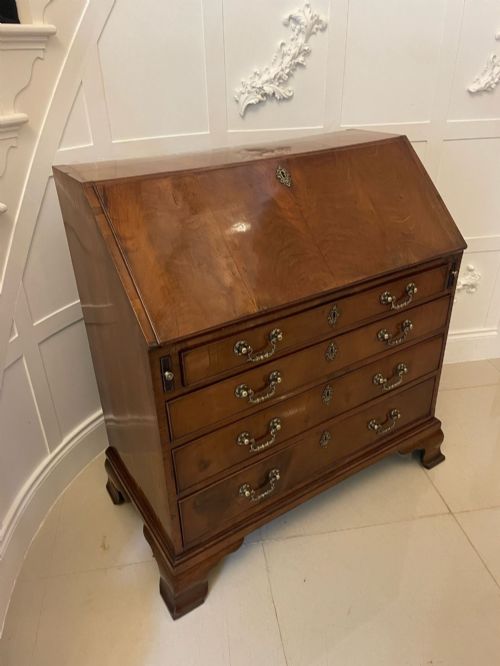
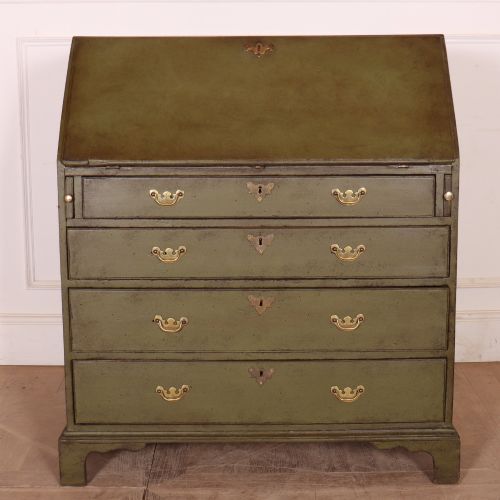
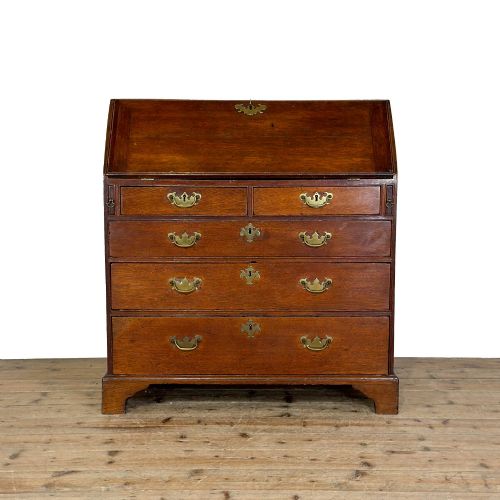
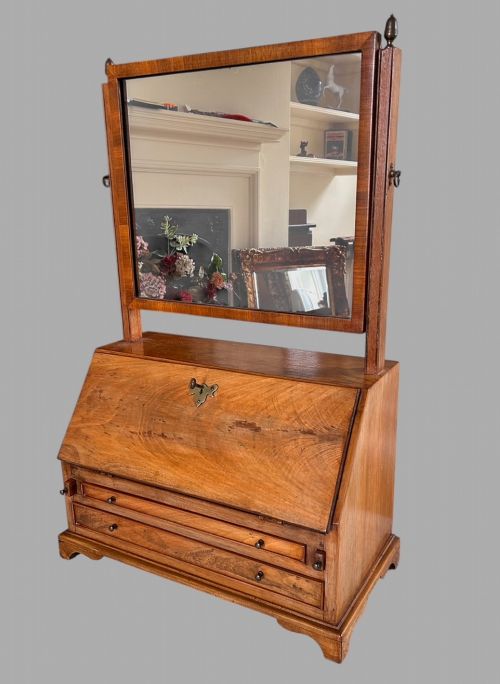
A sloping top writing desk encompasses several traditional forms designed for composition and storage, ranging from substantial freestanding bureaux to compact Davenport desks and portable writing slopes. The examples found here span multiple centuries, touching the 17th century through to the Edwardian period, with particular emphasis on Victorian and Georgian craftsmanship. Buyers encounter both large cabinet-style pieces resting on bracket feet or drawers and smaller tabletop versions intended for specific rooms.
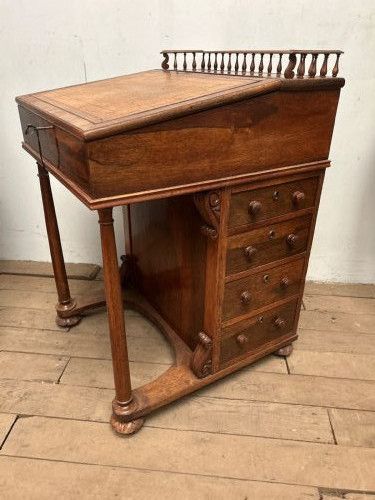
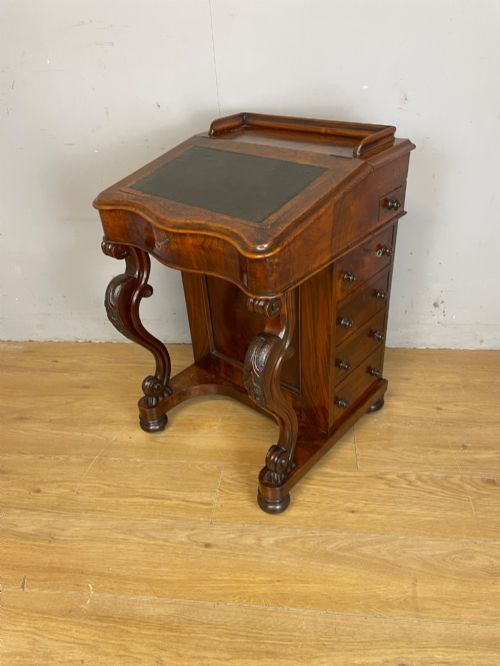
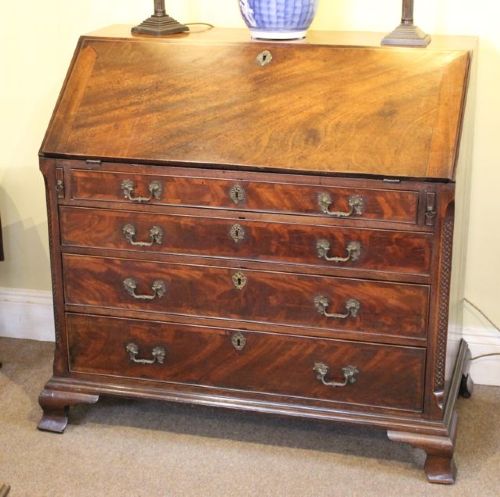
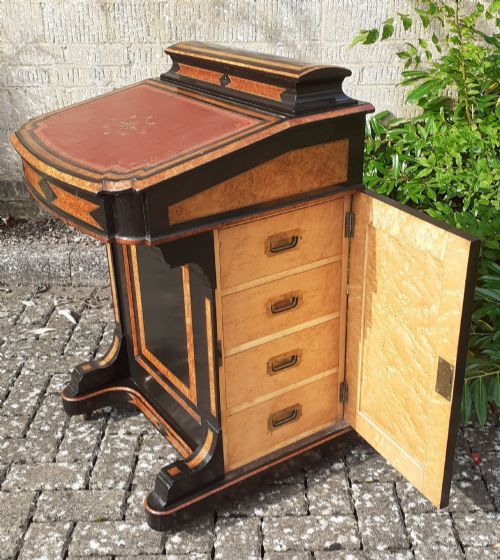
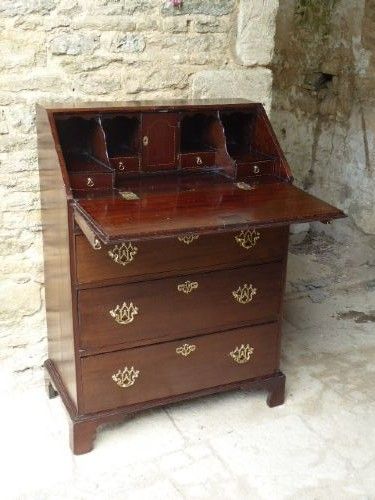
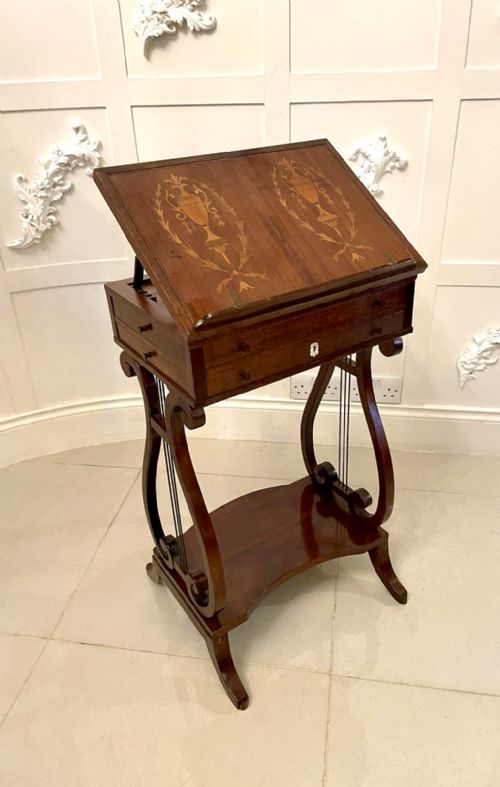
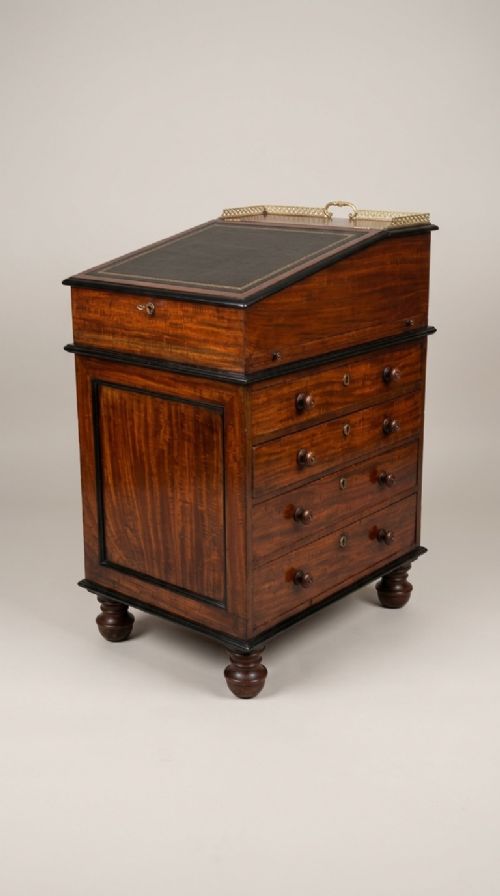
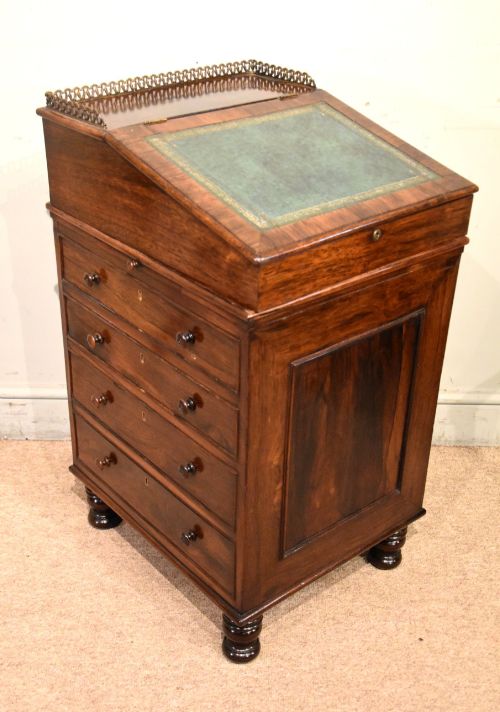
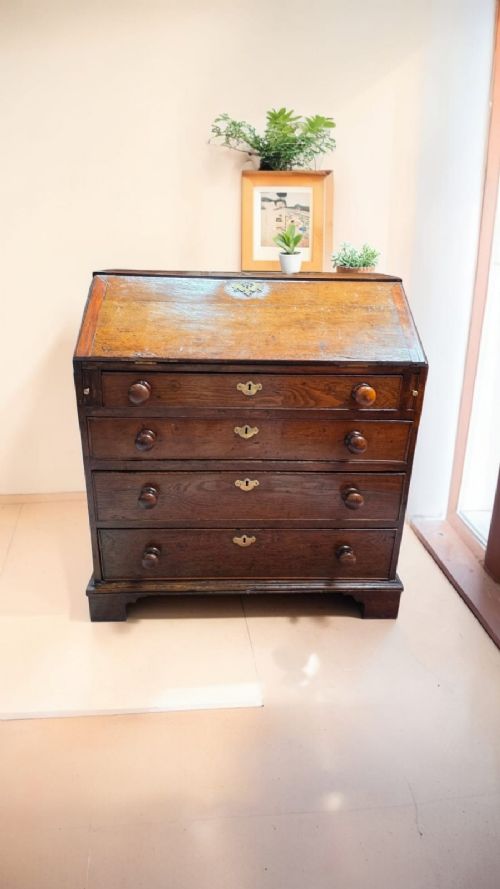
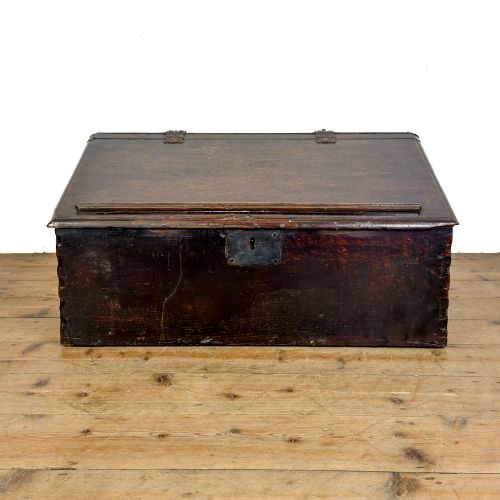
Freestanding bureaux represent a major category, usually combining a slant front that opens to reveal pigeonholes and small drawers with a chest of lower drawers for storage. Davenport desks offer a distinct compact alternative, featuring a sloping top above a pedestal of drawers or a kneehole arrangement. Smaller items like bible boxes and tabletop bureaux provide similar slant-front writing surfaces without the bulk of a full-scale cabinet.
The materials and styles reflect the prevailing tastes of their respective eras, utilising rich timbers like mahogany, walnut, oak, and rosewood. Pieces emerge from distinct stylistic periods including Regency, William IV, and Victorian, alongside regional interpretations such as English Country pieces. This variety ensures that buyers can select a desk suited to domestic interiors of various scales.
Materials and construction
Cabinetmakers constructed these desks using dense hardwoods, most notably mahogany, oak, walnut, and rosewood, often enhanced with figured veneers such as burr walnut, amboyna, or satinwood. Secondary timbers were employed for internal drawer linings and hidden compartments, ensuring structural stability across seasonal humidity changes. Timber selection dictated the character of the exterior, with highly figured grain prized for visible surfaces.
Surface ornamentation and interior fittings involved specialised subsidiary materials, including brass mounts, inlaid banding, leather writing surfaces, and original ironwork. Desk interiors frequently incorporated contrasting secondary woods like satinwood for pigeonholes and small accessory drawers. Joinery methods relied on traditional dovetailed drawer construction and framed panels to support the angled writing lids.
Listings feature woods including mahogany, burr walnut, rosewood, and oak across Victorian, Georgian, and 17th century periods.
Judging quality in writing desks
Quality rests upon the choice of timber and the handling of the wood's natural figure, where superior examples display carefully matched veneers and rich, deep tones. The crispness of internal fittings, such as secret compartments and finely dovetailed small drawers, distinguishes finer workshops from mass production. Original hardware, including brass handles, locks, and hinges, maintains the integrity of the piece.
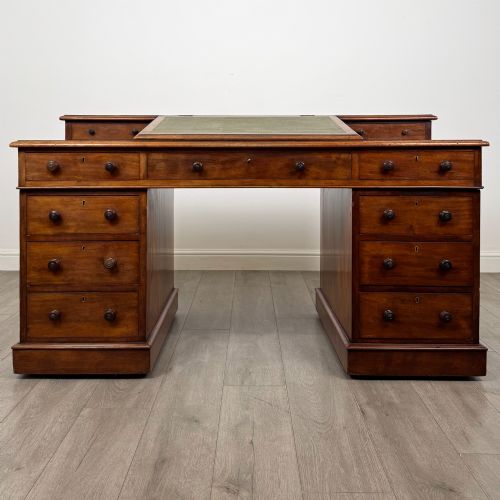
Proportion and structural balance dictate the visual success of the desk, whether it is a monumental architect's desk or a diminutive Davenport. The survival of original surfaces and patination without aggressive restoration separates exceptional items from those altered over time. Attention to detail in secondary woods and internal joinery points directly to the capability of the maker.
Gillows of Lancaster·Gillow and Co
The Sloping Top Writing Desk Glossary
- Bureau
- A desk featuring a sloping hinged lid that opens to reveal an interior fitted with small drawers and pigeonholes.
- Davenport
- A compact pedestal desk with a sloping desktop, popular during the 19th century.
- Writing slope
- A portable box with an angled lid designed to hold writing materials and provide a writing surface.
- Pigeonhole
- A small, open compartment within a desk interior used for sorting letters and papers.
- Secret compartment
- A hidden drawer or recess built into a desk interior to secure valuables.
Sloping Top Writing Desk: Frequently Asked Questions
What is a Davenport desk?
A Davenport is a compact form of sloping top writing desk featuring a sloped writing surface above a pedestal of drawers. It gained popularity during the 19th century for use in smaller rooms and private drawing spaces.
These desks often incorporate side drawers, pen trays, and sometimes a pull-out writing slide, combining storage with a dedicated workspace in a modest footprint.
How do I use a bureau?
A bureau provides a surface for writing when the hinged slant front is lowered down onto supporting brackets. Inside, you find a collection of small drawers and pigeonholes designed for stationery and correspondence.
When closed, the sloping lid conceals the workspace entirely, keeping documents and writing materials neatly out of sight in domestic settings.
How do I date a writing desk?
Dating relies on examining the timber species, construction methods, hardware, and stylistic details associated with periods like the Georgian or Victorian eras. Secondary woods inside drawers and the style of dovetailing offer clues to the period of manufacture.
Cabinetry techniques evolved from hand-cut dovetails and solid timber construction towards more standardised manufacturing methods in the later 19th century.
What woods were used for desks?
Cabinetmakers utilised a range of dense hardwoods including mahogany, oak, walnut, and rosewood. Exotic veneers such as burr walnut, amboyna, and satinwood appeared on high-status pieces to create decorative surface patterns.
Secondary timbers like pine or oak were typically reserved for internal drawer linings and structural framing hidden from view.