

Slope Top Writing Desk
A slope top writing desk is a practical workspace with a slanted lid, designed for correspondence and ledger work over centuries.
Slope Top Writing Desk
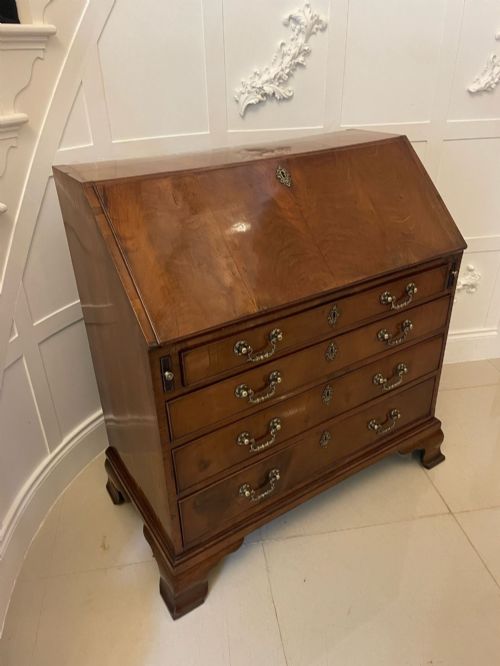
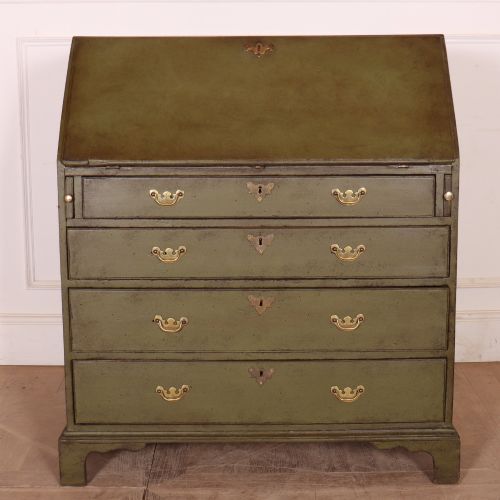
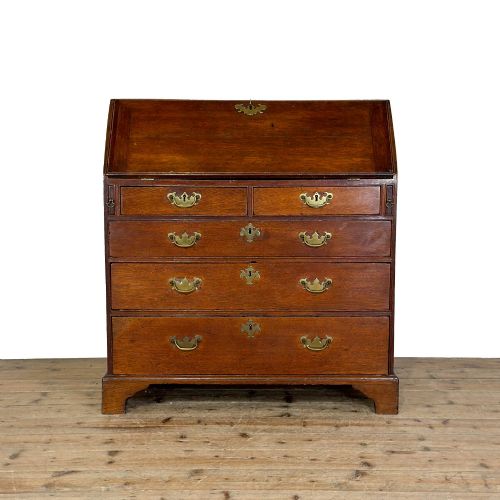
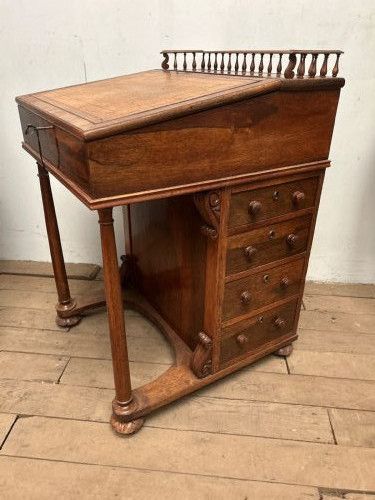
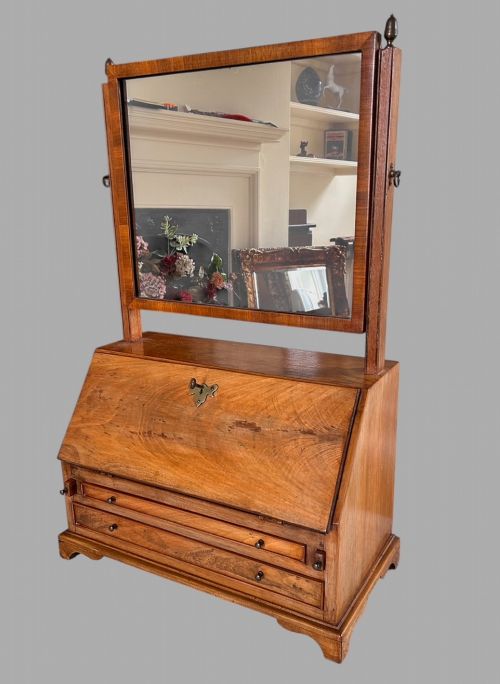
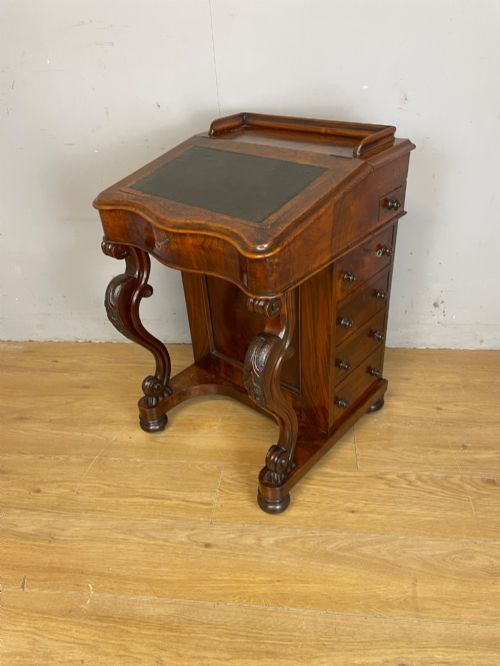
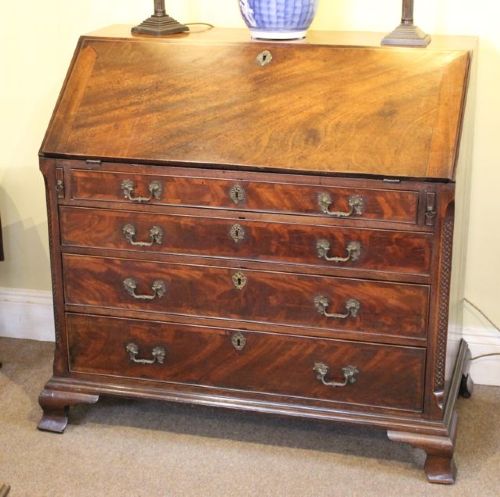
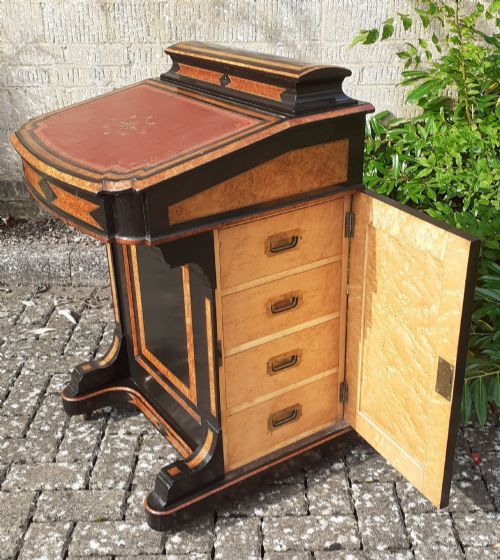
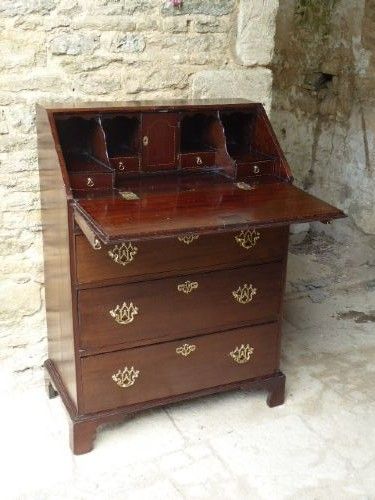
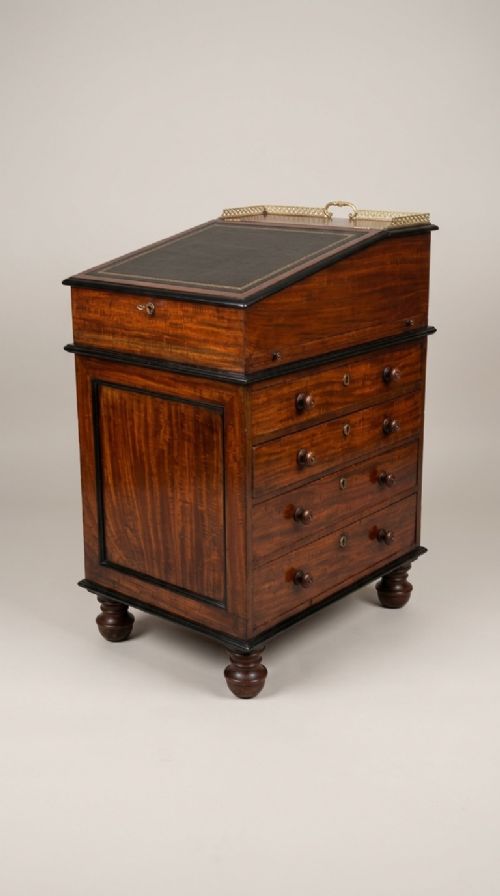
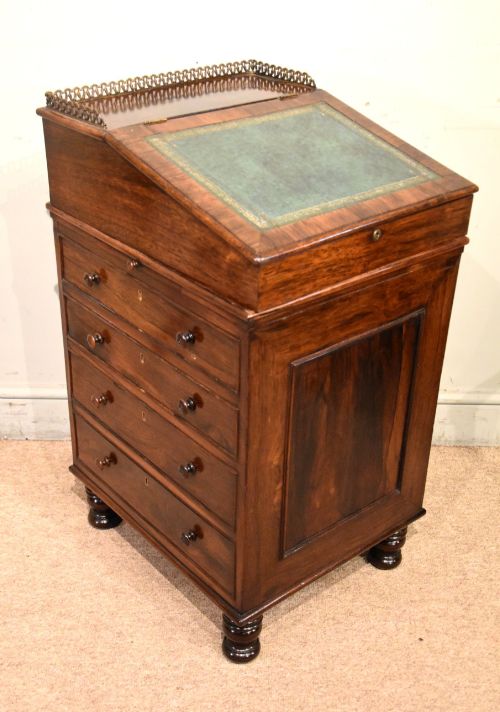
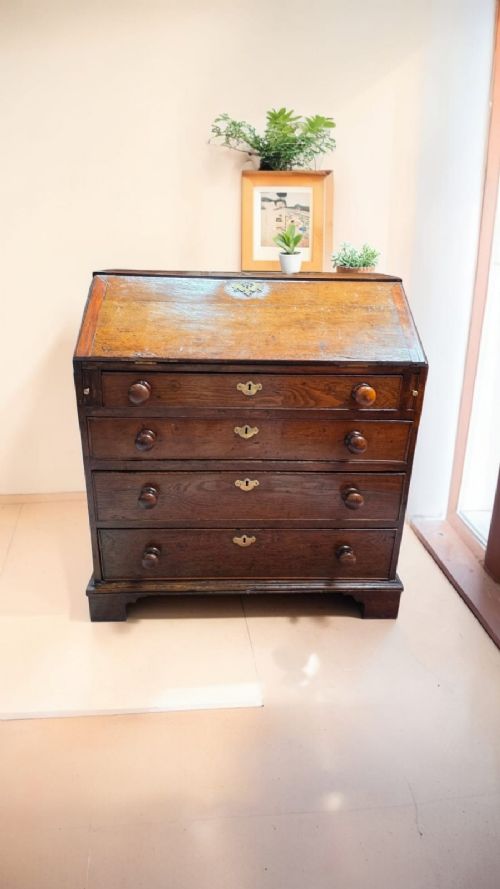
A slope top writing desk encompasses several distinct forms designed for household and office correspondence. The pieces seen here range from substantial 18th-century mahogany and oak bureaux to compact 19th-century Davenport desks and portable writing slopes. Buyers looking for a traditional bureau will find drop-front writing surfaces supported by drawers, whilst Davenport desks offer a stationary sloped writing lid atop a pedestal of drawers.
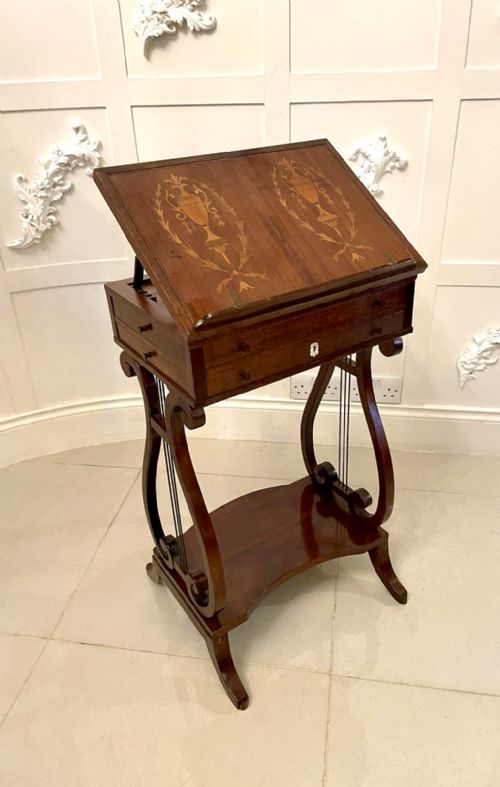
The materials and styles span multiple periods, with Georgian and Victorian examples dominating the selection. Pieces appear in mahogany, walnut, rosewood, oak and exotic timbers such as coromandel, amboyna and camphor wood. Alongside standard bureaux and Davenports, the inventory includes reading tables, Dickens desks, lap desks, and table-top variants fitted with internal compartments.
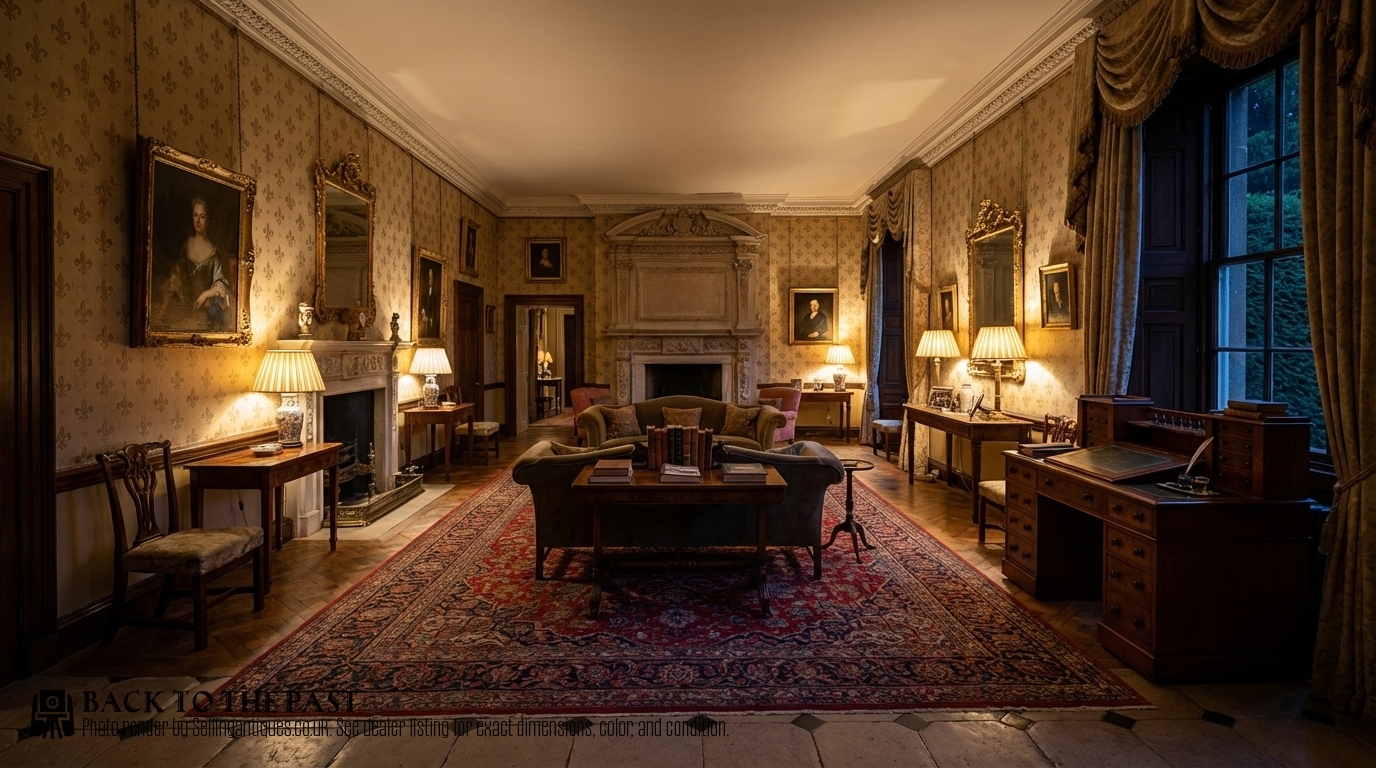
How they were made
Cabinetmakers constructed these desks using solid timbers and veneers selected for figure and grain. Mahogany, oak and walnut form the structural carcasses, frequently embellished with satinwood interiors, brass mounts, inlay, and leather writing inserts.
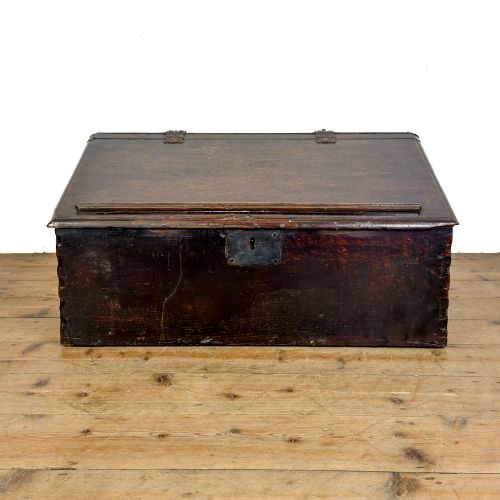
Joinery techniques varied according to the period and form, ranging from the sturdy pegged construction of early oak bible boxes to the refined dovetailed drawer boxes of 18th-century bureaux and the complex internal mechanisms of Victorian pop-up Davenports.
Some Victorian Davenports include secret compartments and hidden side drawers originally meant for confidential letters and small treasures.
What varies in quality
Proportion and structural integrity dictate the standing of a piece. Finer examples retain their original surface patination, working locks with keys, and unaltered interior stationery fittings, whereas lesser pieces display heavy timber replacement or compromised drawer construction.
Gillows of Lancaster·Lowe Bristol
The Slope Top Writing Desk Glossary
- Bureau
- A desk featuring a slanted hinged lid that drops down to form a writing surface above a chest of drawers. This form evolved during the 17th century and remained popular through the Georgian and Victorian eras.
- Davenport
- A compact desk type originating in the early 19th century, featuring a sloping desktop that typically lifts or slides, set upon a pedestal base of side drawers. These units were designed for ladies' parlours and boudoirs.
- Bible box
- A small wooden chest with a slanted lid, often placed on a table to store manuscripts and sacred texts. Early examples date to the 17th century in solid oak.
- Dickens desk
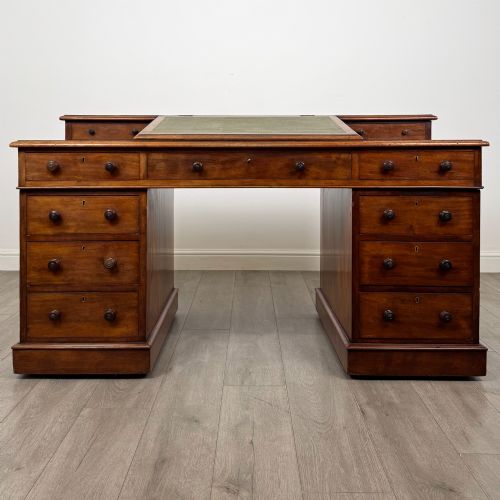
- A pedestal desk featuring a raised superstructure of pigeonholes and small drawers behind two opposing writing slopes. They are associated with the Victorian period.
Slope Top Writing Desk: Frequently Asked Questions
What is a Davenport desk?
A Davenport desk is a compact form of slope top writing desk featuring a slanted writing surface that usually lifts to reveal storage. It stands on a pedestal base with drawers opening to one side.
Commissioned originally for tight spaces, these desks became popular domestic items throughout the Victorian period, often incorporating fine rosewood or walnut veneers and leather writing panels.
How do I date an antique bureau?
Dating relies on timber choice, construction methods, and hardware styles. 18th-century pieces often utilise oak linings and heavy mahogany, whilst Victorian examples frequently feature walnut, amboyna, or machine-cut dovetails.
Examining the drawer construction, backboards, and internal pigeonhole arrangements reveals the period of manufacture and distinguishes Georgian craftsmanship from later revivals.
What is the difference between a bureau and a writing slope?
A bureau is a piece of furniture standing on its own legs or a drawer base, incorporating a large drop-front or slanted lid. A writing slope is a portable lap desk designed to be placed on top of a table.
Whilst both provide a slanted writing surface, writing slopes are smaller boxes meant for travel and correspondence storage rather than permanent room placement.
How should I care for a mahogany writing desk?
Maintenance involves keeping the timber away from direct heat sources and strong sunlight to prevent the mahogany or its polished finish from drying out. Applying appropriate wax polish occasionally helps preserve the surface sheen.
Leather writing inserts benefit from gentle cleaning and conditioning to maintain flexibility, avoiding excessive moisture on both the hide and the surrounding wood.