
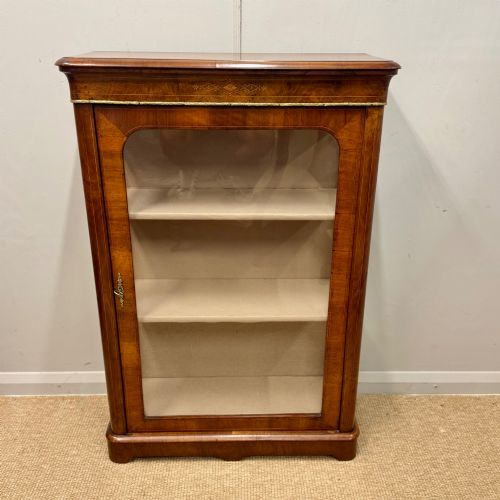
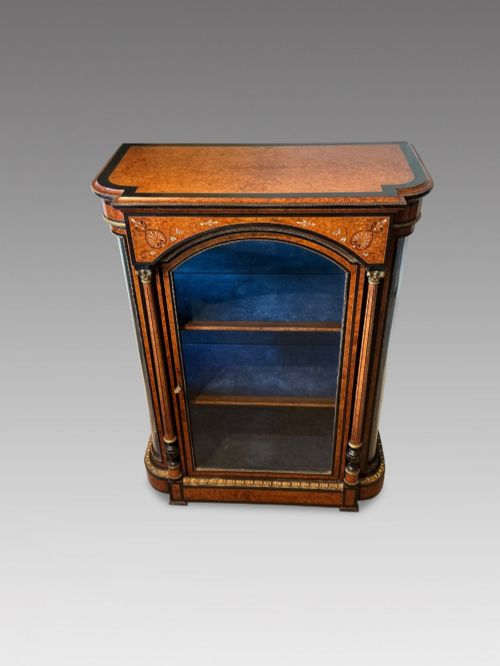
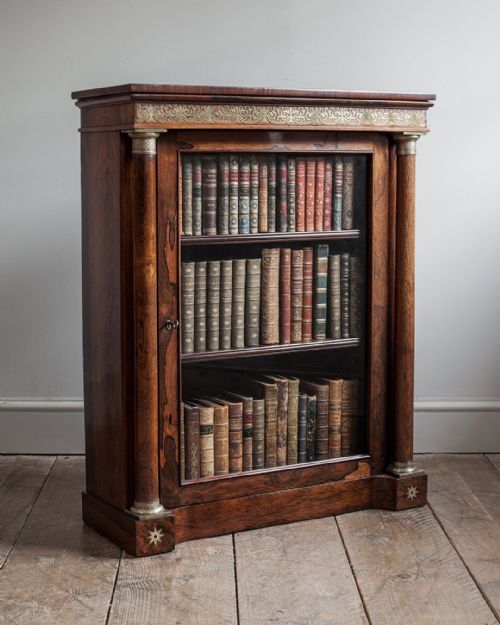
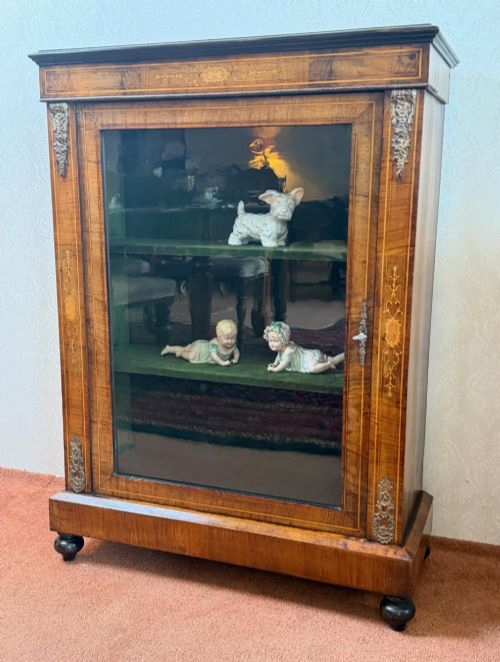
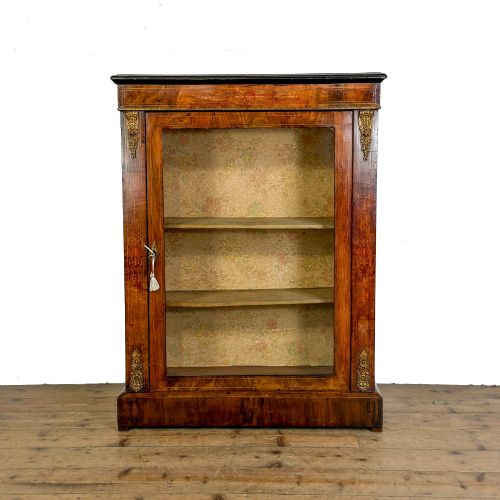
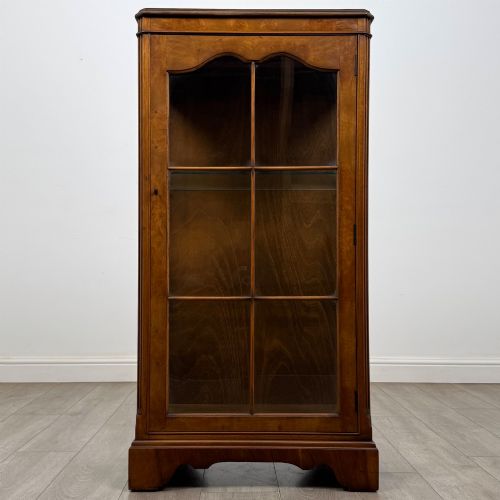
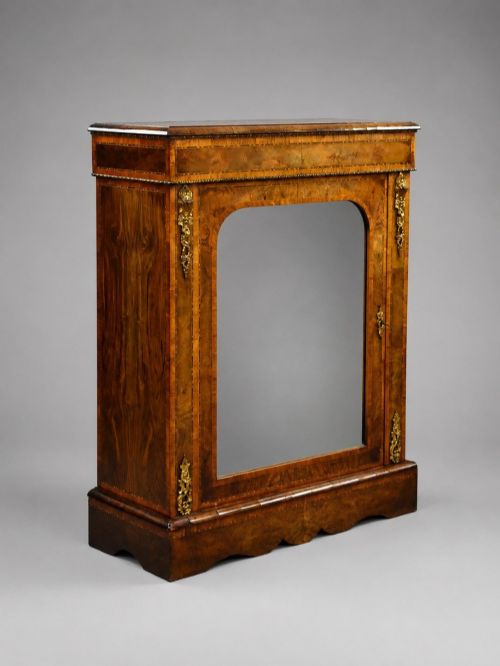
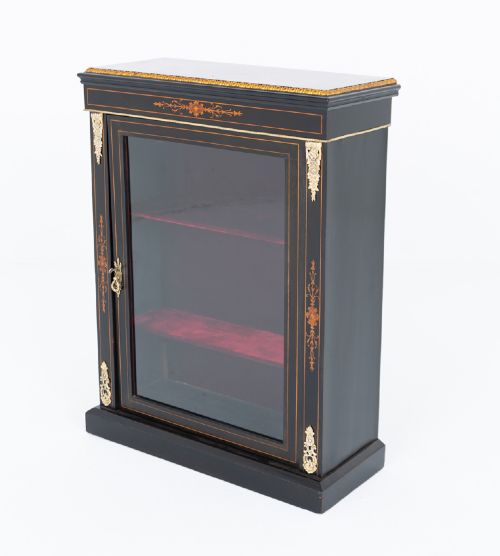
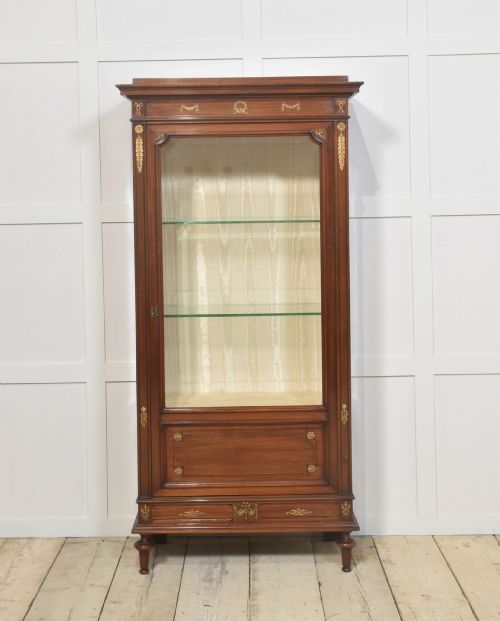
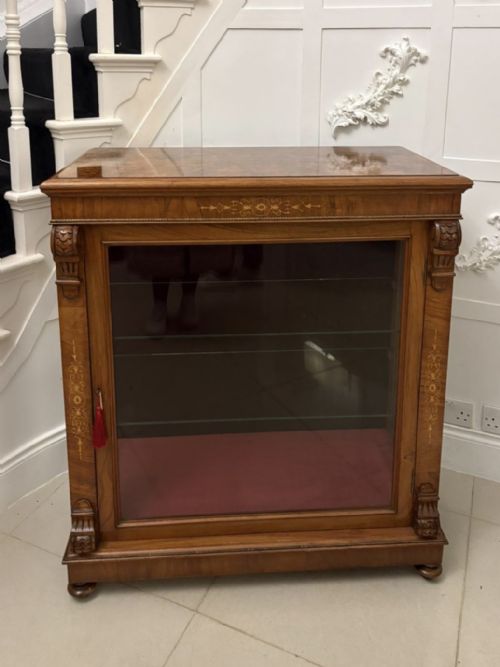
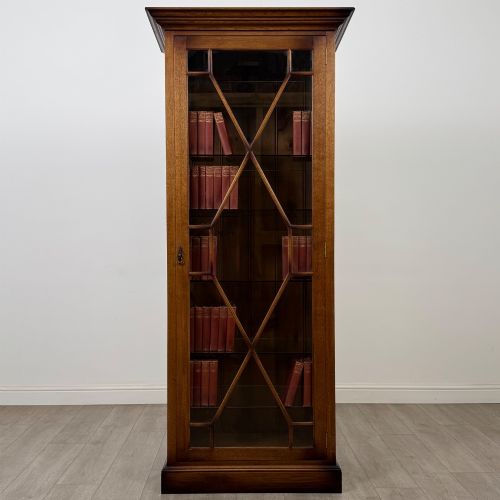
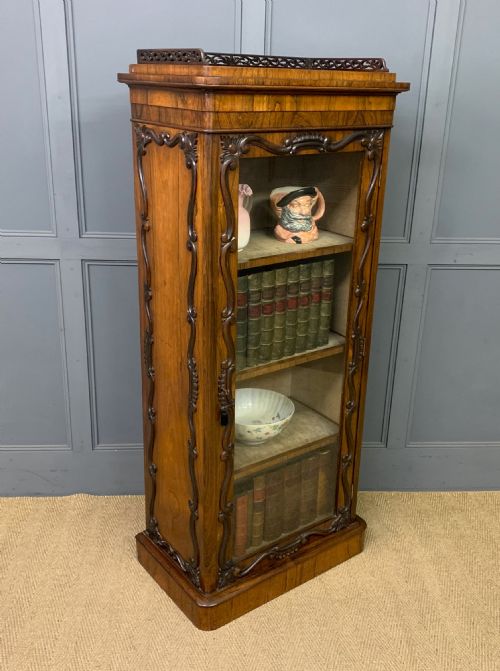
Single Door Bookcase
A single door bookcase provides compact, elegant book storage in walnut, mahogany or oak, combining glazed display with traditional craftsmanship.
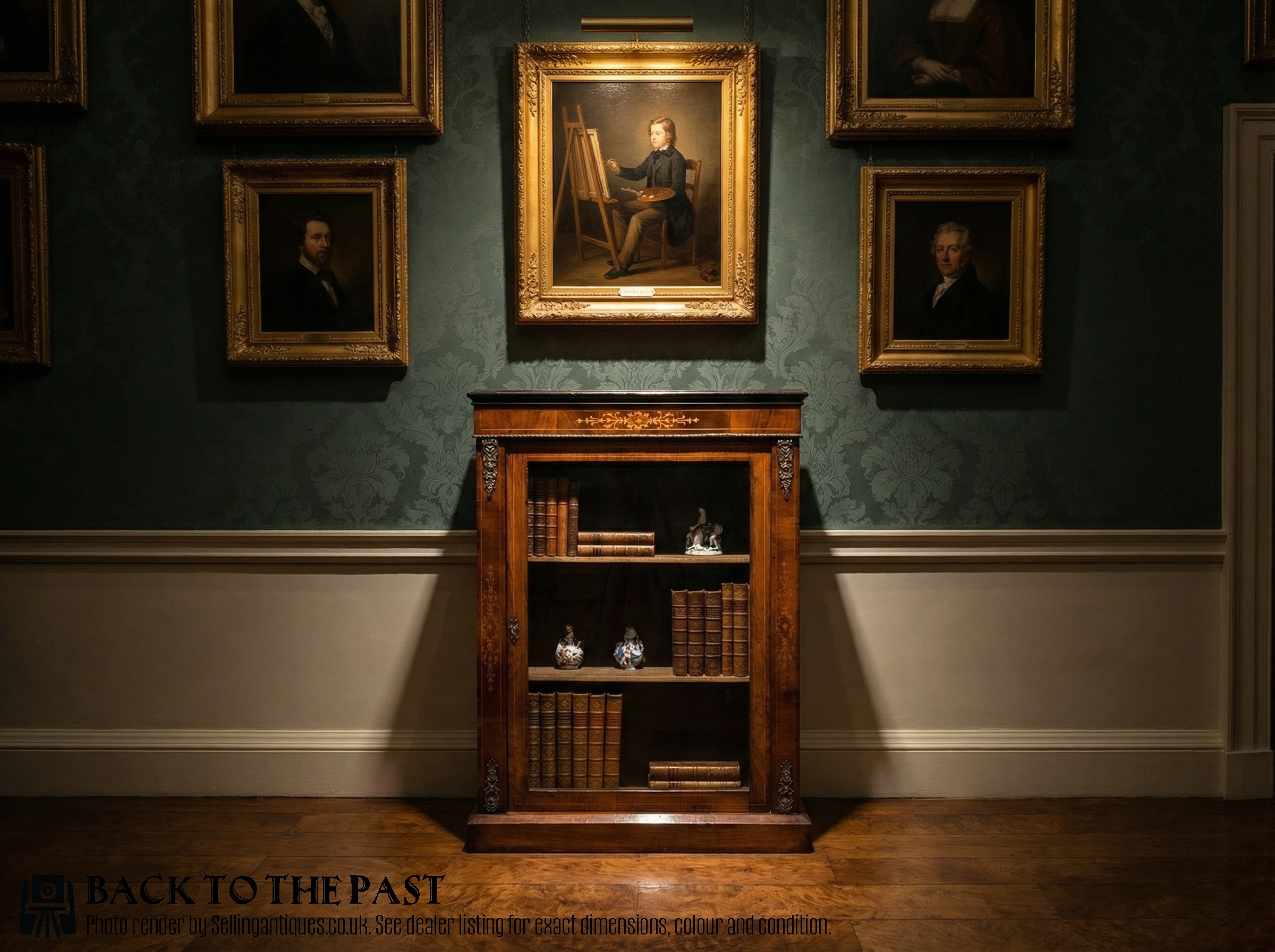
Single Door Bookcase
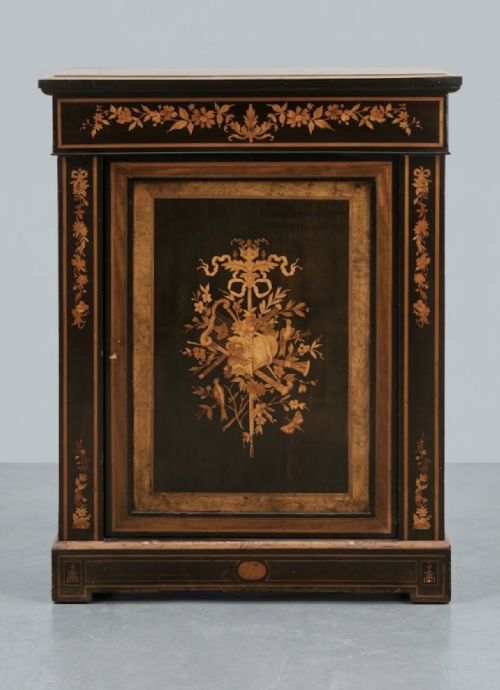
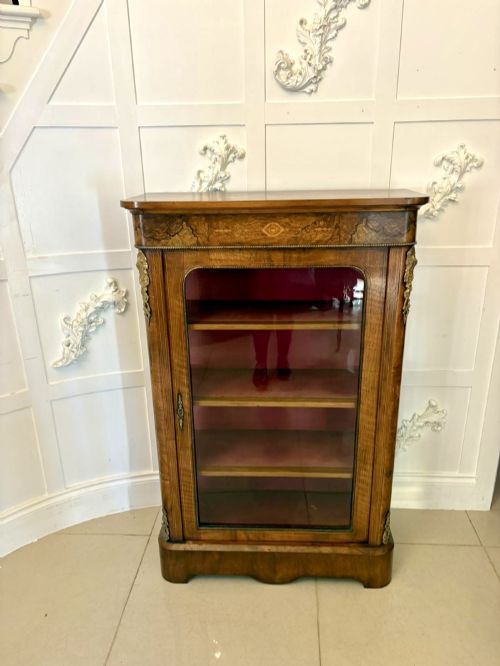
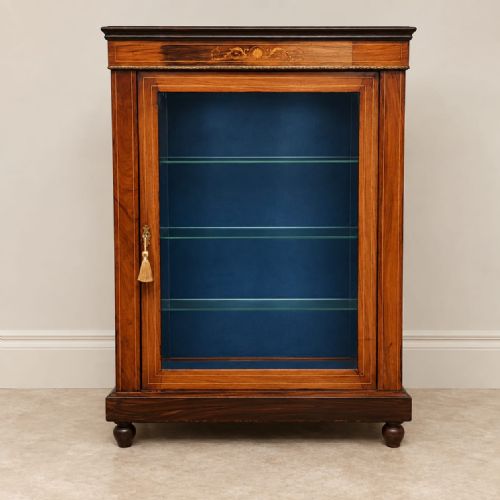
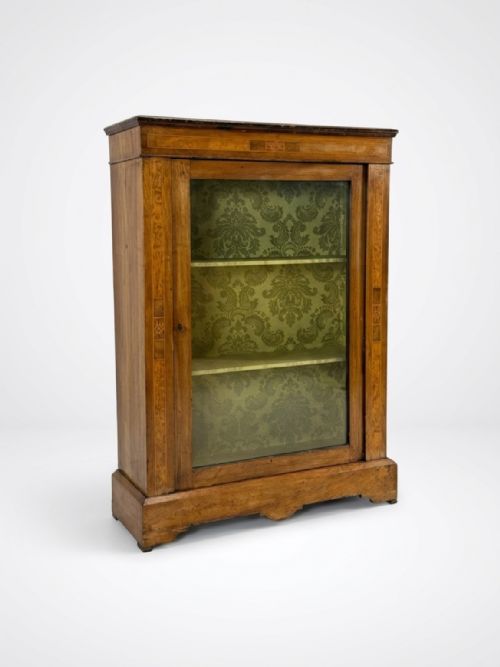
A single door bookcase is a compact storage piece designed for books and display, appearing frequently across Victorian, Edwardian, and nineteenth-century periods. These items combine vertical proportions with glazed or solid doors, often functioning as pier cabinets, side cabinets, or vitrines in traditional interiors.
The versions most common on this page span walnut, mahogany, and oak, featuring marquetry, inlay, or simple glazing. They range from neat nineteenth-century walnut pier cabinets to Edwardian satinwood-inlaid display variants and French-influenced styles.
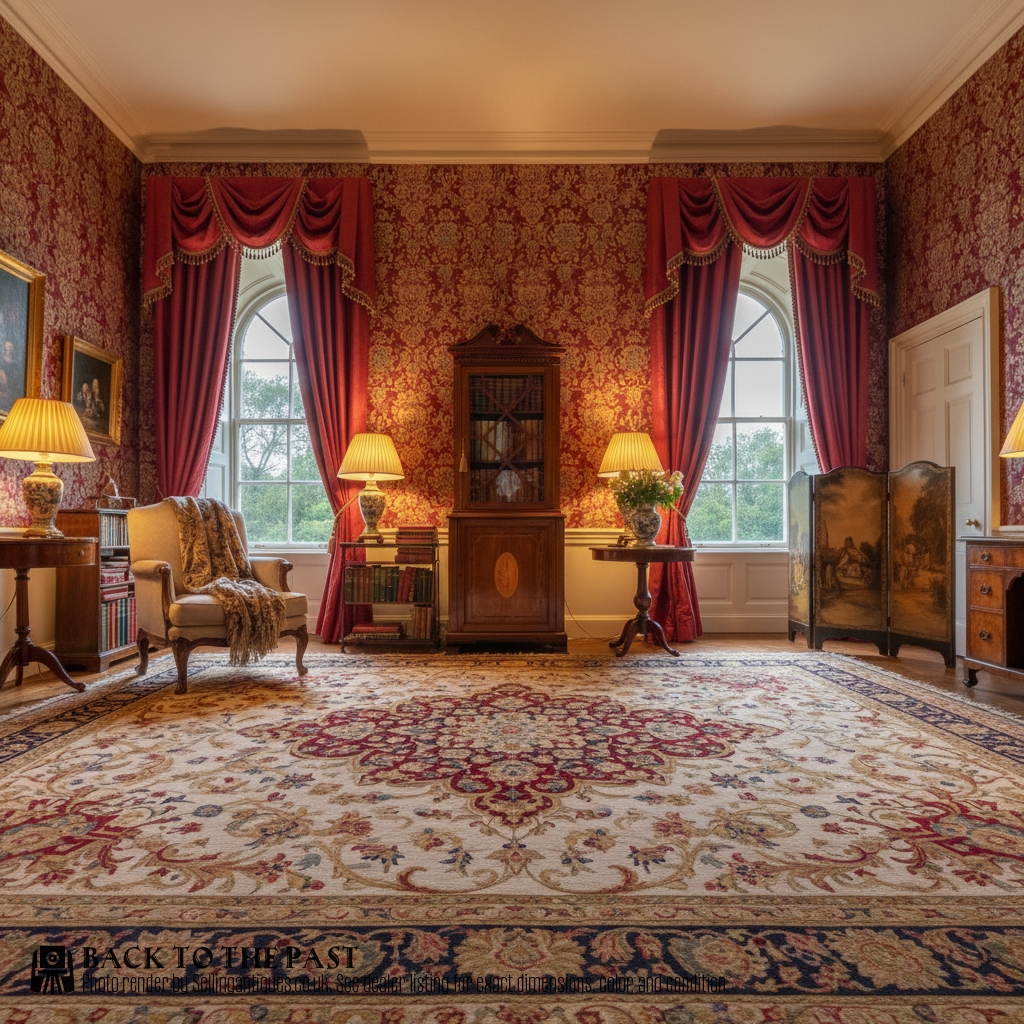
How they were made
Cabinet makers utilised fine timbers such as walnut, mahogany, rosewood, and satinwood, frequently applying veneers over sturdy carcass woods like oak. Surfaces often show decorative marquetry and intricate inlay work, matched with brass mounts, ormolu, and concave glass.
Interiors frequently incorporate adjustable wooden shelving behind glazed single doors, while lower sections can include fitted drawers with cushion fronts. Ebonised finishes and marble tops also appear across specific nineteenth-century and Napoleon III examples.
Single Door Bookcase Retail Price Guide 2026
Typical asking prices for single door bookcase among the pieces listed under this phrase on Sellingantiques today, from the lower quarter to the upper quarter. They describe what is for sale here now, not the wider market.
Some nineteenth-century walnut pier cabinets include hidden velvet linings inside their cushion-fronted drawers.
What varies in quality
Quality rests upon the choice and matching of timber veneers, particularly figured burr walnut and satinwood, alongside the crispness of marquetry inlay. Superior examples display refined proportions, precise joinery in the door frame, and well-executed brass or ormolu mounts rather than plain or cast substitutes.
The handling of secondary woods and the quality of the glass, such as concave or bevelled panes, further distinguish standard utility pieces from exceptional cabinet work. Interior detailing, including adjustable shelving mechanisms and polished mahogany linings, marks the upper tier.
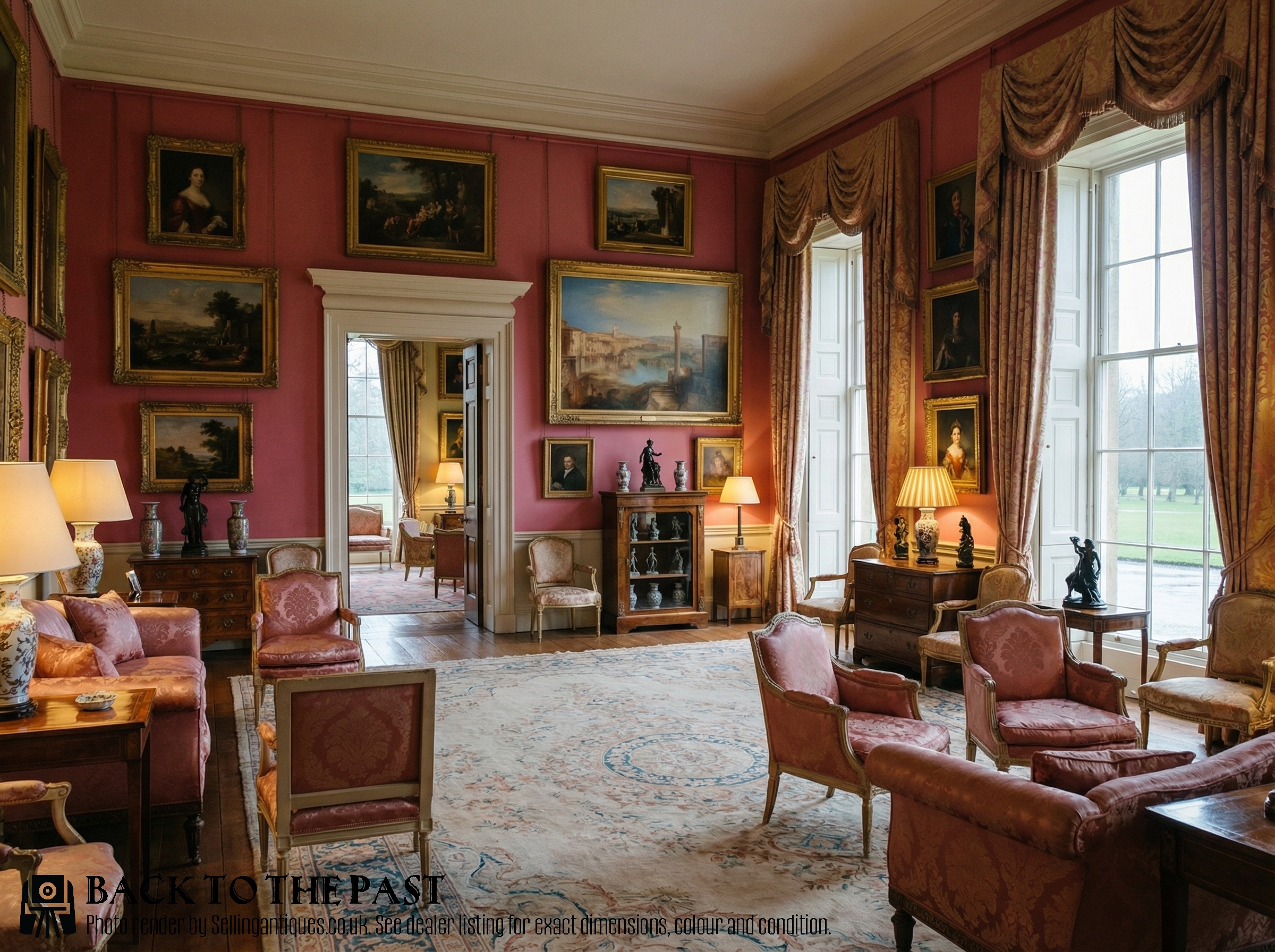
James Winter
The Single Door Bookcase Glossary
- Pier cabinet
- A low, slender cabinet designed to fit against the narrow wall space between windows. These pieces often feature a single glazed door and marquetry inlay.
- Marquetry
- Decorative patterns formed by inserting small pieces of coloured wood, veneer, or shell into a wooden surface. This technique creates elaborate floral or geometric designs on cabinet doors.
- Ormolu
- Gilt bronze mounts applied to furniture for decoration. Makers used these metallic ornaments to accent the corners and friezes of nineteenth-century cabinets.
- Vitrine
- A glass-fronted display cabinet used for showing ornaments or fine books. These pieces frequently incorporate glazed sides alongside the single primary door.
- Ebonised
- Wood treated to imitate ebony, giving a dense black finish. This style appears frequently on nineteenth-century ebonised pier cabinets and bookcases.
Single Door Bookcase: Frequently Asked Questions
What is a single door bookcase?
A single door bookcase is a narrow storage unit featuring one glazed or solid door, designed to hold books while taking up minimal floor space.
These pieces often double as pier cabinets or display vitrines, making them suitable for smaller rooms or alcoves.
How were they used historically?
Historically, these cabinets stored valuable volumes, fine bindings, and small collectables in drawing rooms or studies.
The glazed doors protected delicate paper and bindings from dust while allowing the collection to remain visible.
How do I date a Victorian piece?
Victorian pieces can be dated by observing the combination of timbers, such as burr walnut veneers, and the specific style of inlay.
Records and construction methods, including dovetailing and shelf adjustment mechanisms, also help narrow the decade of manufacture.
Are the shelves adjustable?
Many examples feature adjustable wooden shelving supported by traditional rack-and-pinion systems or brass studs.
This adaptability allowed owners to alter the interior spacing for books of varying heights.