

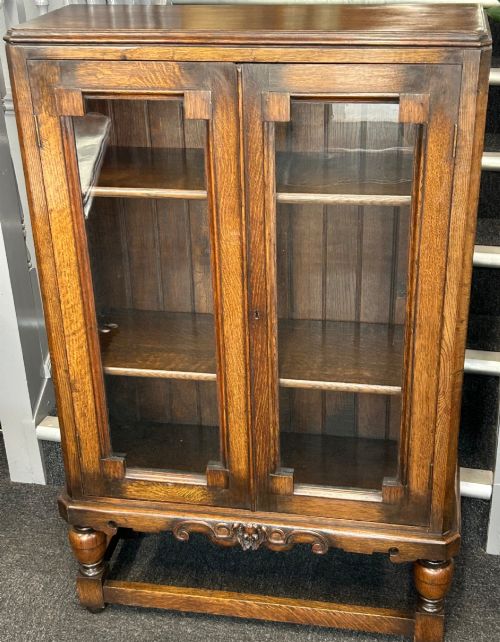
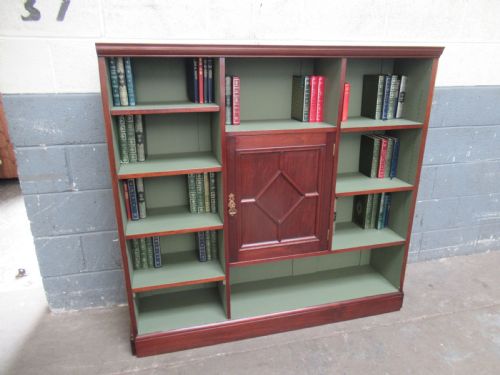
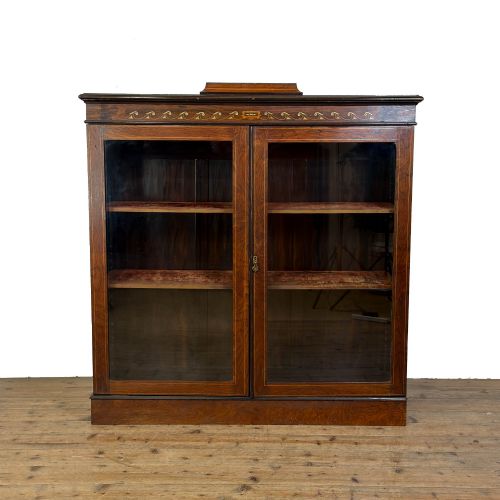
Vintage Book Cupboard
A vintage book cupboard brings order to a room, offering sturdy timber shelving paired with enclosed cabinet space for both display and storage.
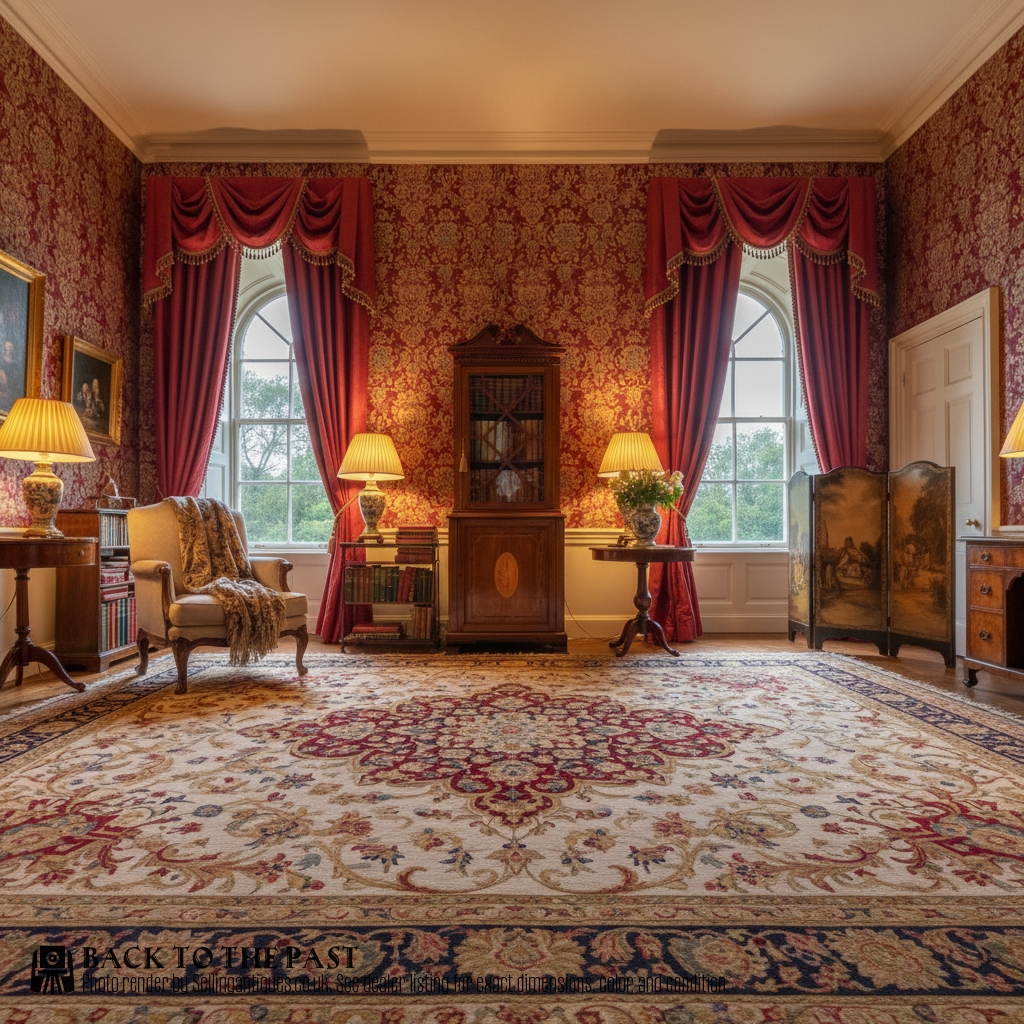
Vintage Book Cupboard
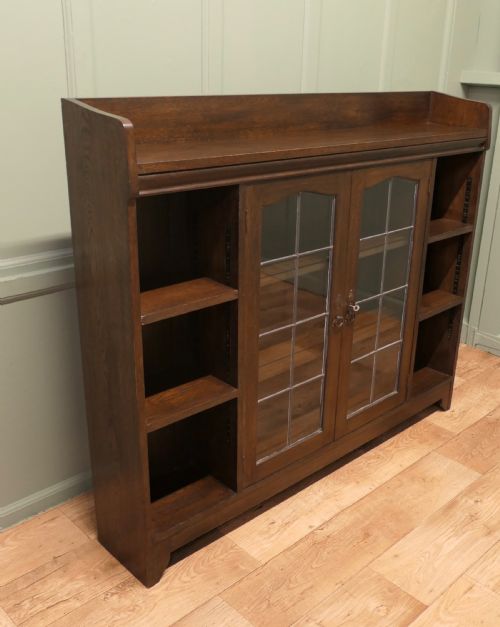
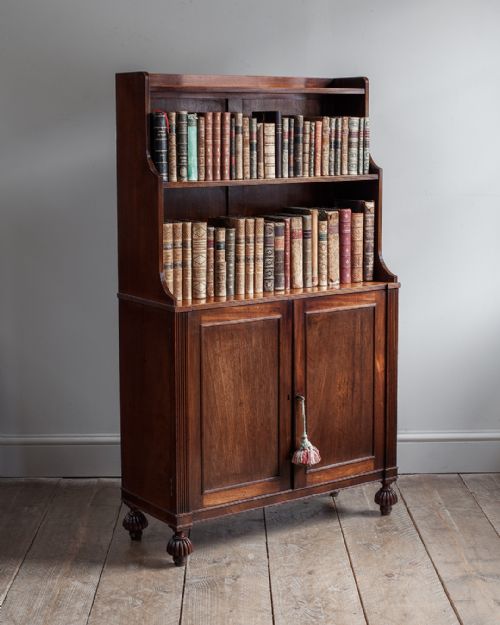
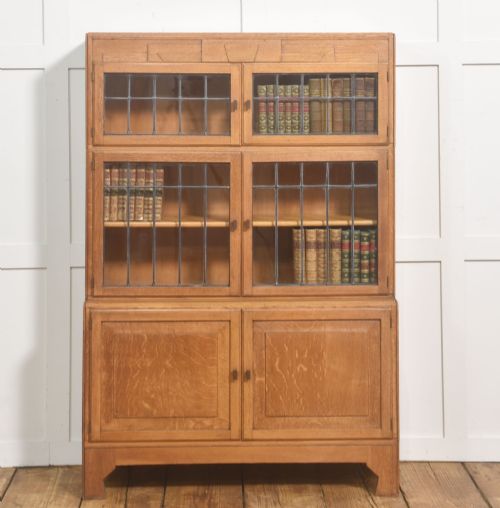
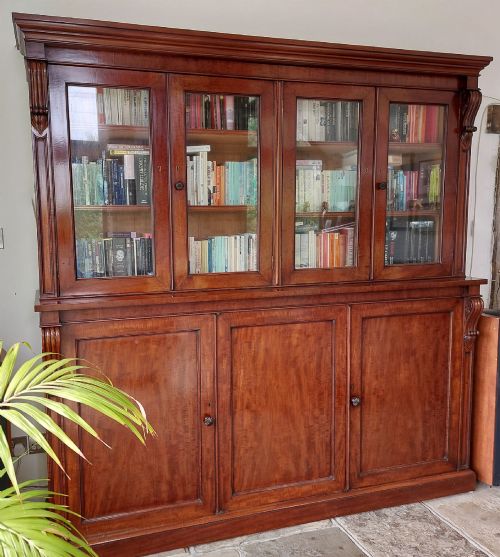
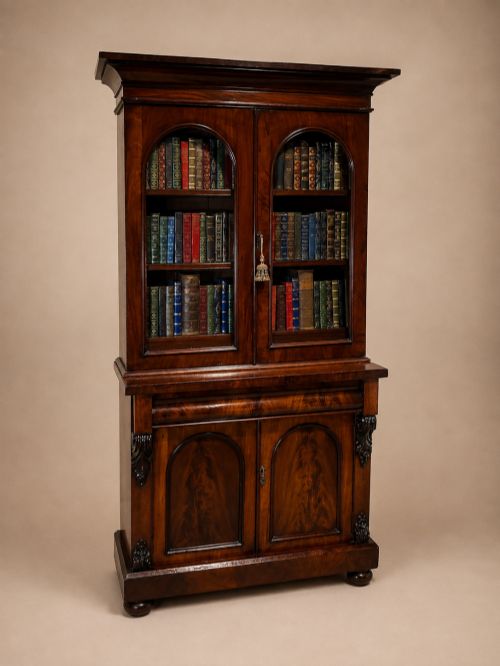
A vintage book cupboard combines open or glazed shelving with lower cabinet doors, providing a practical dual-purpose storage solution for libraries and living spaces. When searching for a vintage book cupboard, buyers encounter forms ranging from compact Edwardian and Art Deco oak cabinets to substantial nineteenth-century mahogany library pieces.
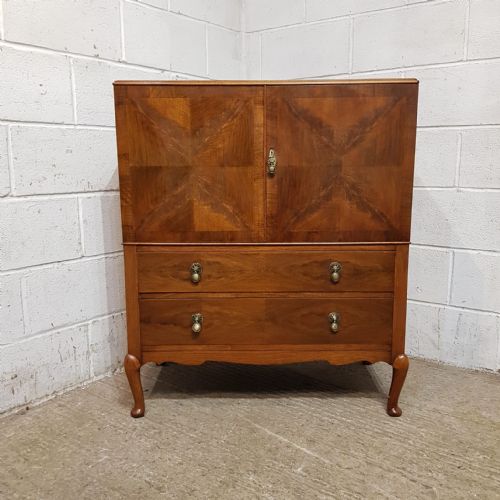
The evidence shows these pieces span multiple periods including the Victorian, Edwardian, Regency, and Art Deco eras, with oak and mahogany appearing most frequently. Alongside traditional bookcases and display cabinets, related forms such as tallboys, corner cabinets, and bedside tables surface in the selection.
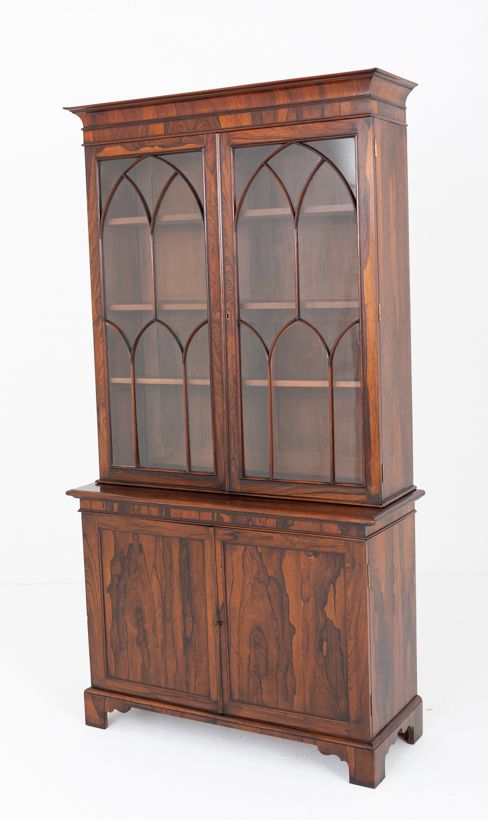
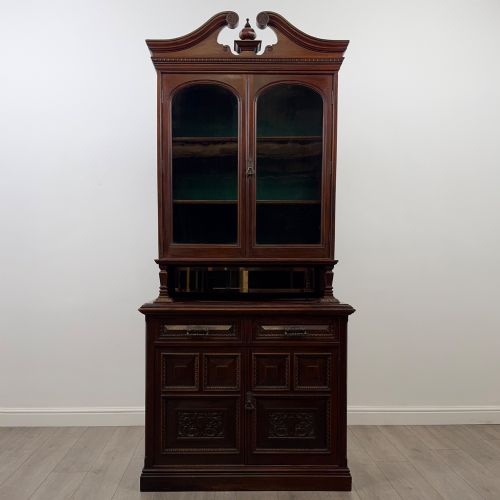
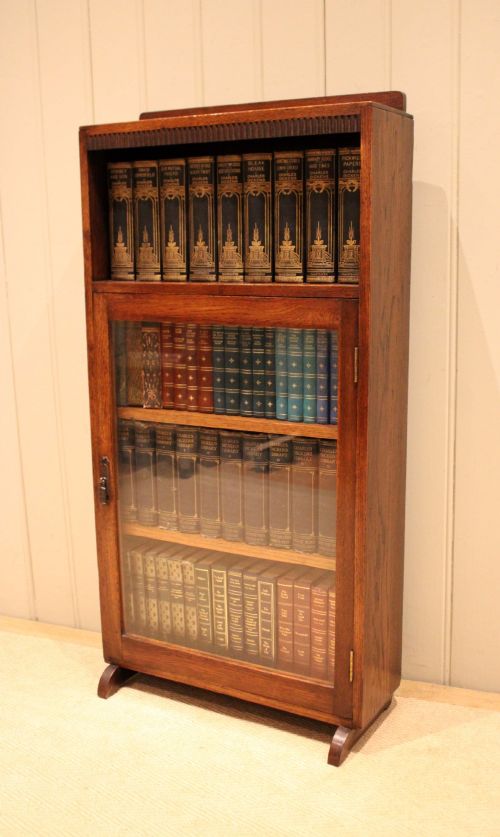
Many examples incorporate glazed doors, leaded glass, or brass hardware, reflecting the functional and decorative demands of domestic interiors across the nineteenth and early twentieth centuries.
Materials and construction methods
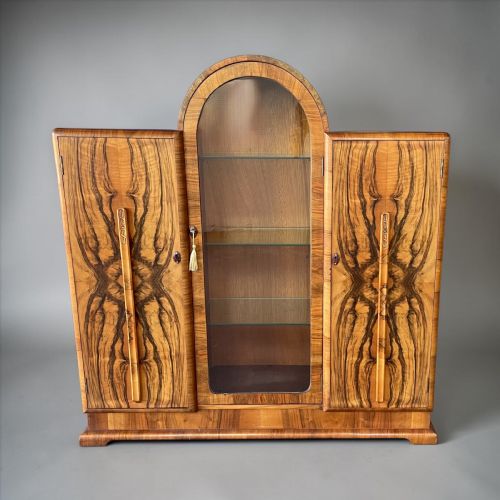
Cabinet makers relied heavily on hardwoods such as mahogany, oak, and walnut, frequently utilising burr walnut veneers to achieve distinct grain patterns on door panels and drawer fronts. Timber selection governed both the structural integrity and the visual weight of each piece.
Glazing techniques utilised glass panes held by wood or lead cames to protect volumes from dust while maintaining visibility. Brass hardware, including castors and hinges, provided durable operational fittings for doors and adjustable shelving systems.
The listings feature pieces spanning the Georgian, Regency, Victorian, Edwardian, and Art Deco periods, constructed primarily in mahogany, oak, and walnut.
Evaluating craftsmanship and distinction
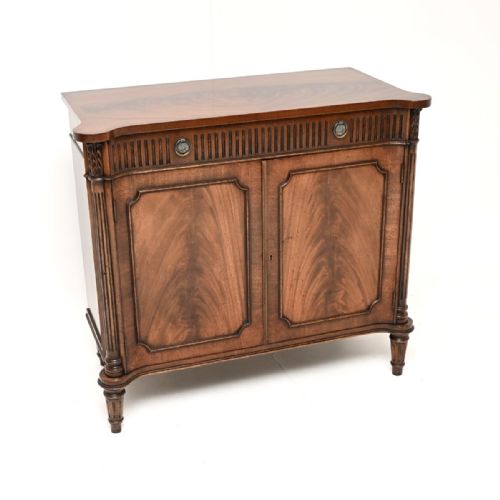
Quality rests on the selection of timber figures, the precision of joinery in the door frames, and the integration of secondary woods. Superior pieces demonstrate careful matching of veneers and thoughtful proportions that balance the upper shelving with the lower cupboard base.
Hardware choice and internal detailing, such as finely finished adjustable shelf mechanisms or intact leaded glass, separate standard utility pieces from more ambitious cabinet work.
The Vintage Book Cupboard Glossary
- Bookcase
- A piece of furniture consisting of horizontal shelves used for storing books. Many versions include integrated cupboard storage below the main shelving tier.
- Glazed
- Fitted with glass panes to enclose and protect the contents from dust. This treatment appears frequently on nineteenth and twentieth-century library cabinets.
- Tallboy
- A tall chest of drawers or cabinet standing on legs or a base. Examples in walnut and mahogany provide significant vertical storage capacity.
- Waterfall bookcase
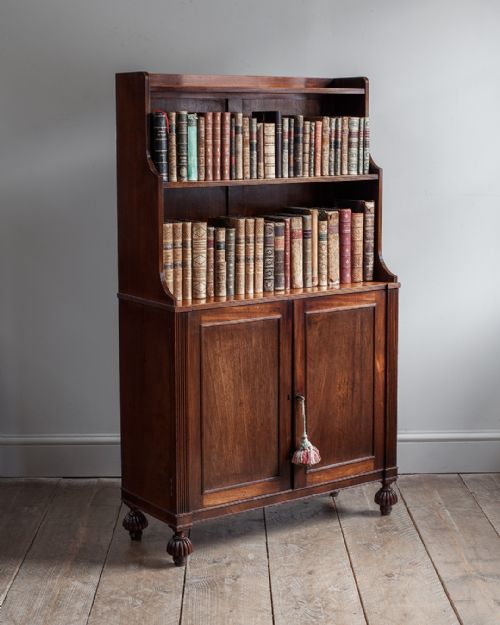
- A stepped shelving design where each shelf is narrower than the one below it. This style is often seen in mahogany from the Regency and Victorian periods.
- Leaded glass
- Small panes of glass held together by strips of lead called cames. This technique is common in Art Deco and early twentieth-century oak cabinets.
Vintage Book Cupboard: Frequently Asked Questions
How do I choose the right size?
Measure your available wall space and ceiling height carefully before selecting a cabinet. Consider whether you need deeper shelves for large volumes or shallower depths for standard novels.
Take into account the swing space required for cupboard doors and whether glazed panels will reflect light awkwardly in your room.
How should I care for mahogany?
Maintain mahogany surfaces by dusting regularly with a soft, dry cloth. Avoid placing timber furniture in direct sunlight or near heat sources to prevent the wood from drying out.
Apply a quality beeswax polish periodically to nourish the grain and preserve the deep natural lustre of the polished wood.
Can these hold heavy books?
Solid hardwood shelves in oak and mahogany generally support substantial weight without bowing. Inspect the thickness of the timber boards and the strength of the shelf supports before loading heavy folios.
Distributed weight across sturdy internal brackets ensures the structural longevity of older shelving units.