

Silver Wine Decanter
When you handle a silver wine decanter, you hold the weight of formal dining rooms from the Georgian and Victorian eras.
Silver Wine Decanter
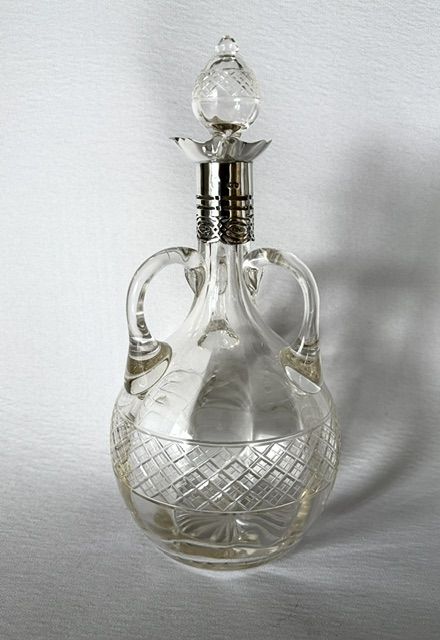
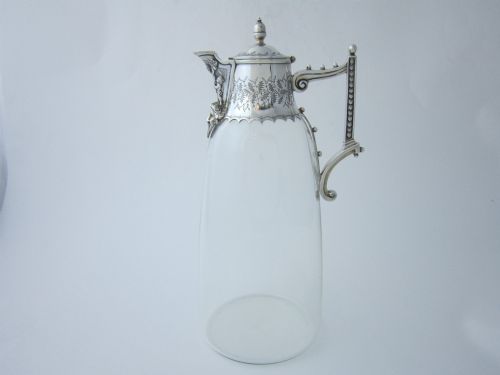
A silver wine decanter brings together several distinct vessels and accessories designed for serving and preserving wine, spanning periods from the eighteenth century to the mid-twentieth century. The selection ranges from complete glass bottles fitted with silver collars and mounts to dedicated pouring jugs, bottle coasters, and engraved labels.
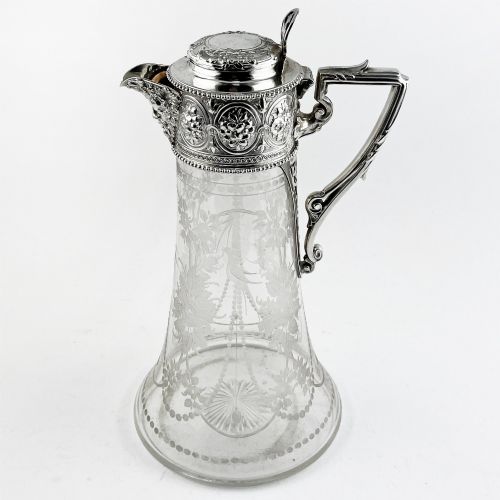
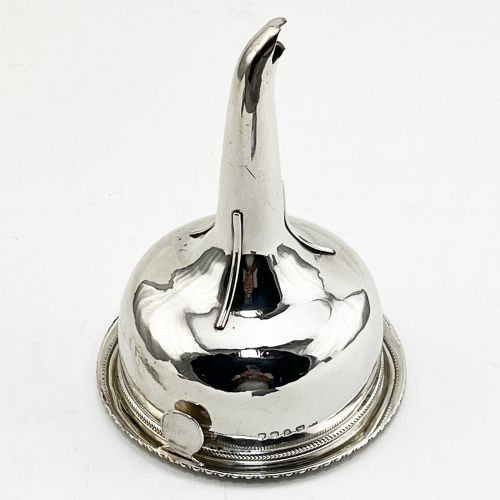
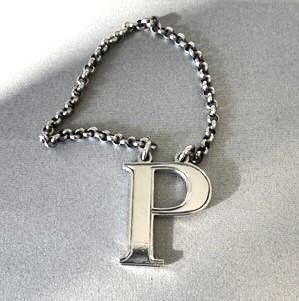
Claret jugs and mounted carafes dominate the larger vessels, often paired with matching labels identifying specific beverages like port, sherry, or madeira. Bottle coasters and wine funnels complete the group, originating primarily from British workshops across Georgian, Victorian, and Edwardian eras.
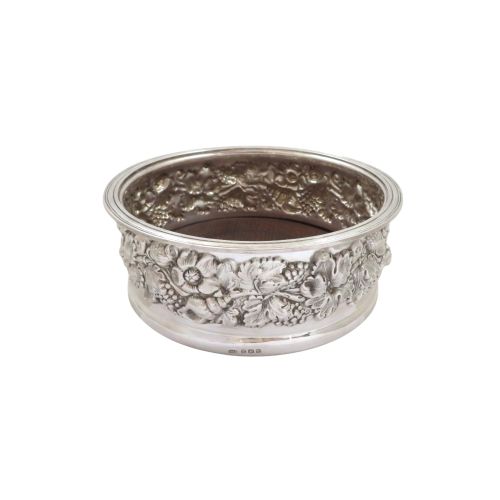
Buyers most frequently encounter cut glass decanters with sterling silver mounts or silver-plated bottle holders bearing grape and vine motifs. These pieces reflect centuries of dining customs, utilising precious metals alongside clear, amethyst, or green glass bodies.
Materials and Techniques
Makers combined sterling silver, silver plate, and old Sheffield plate with heavy cut glass, crystal, and occasionally mahogany or wood for coasters. Glass bodies were often hand-blown and deeply wheel-cut with floral or geometric patterns, then fitted with cast or pierced silver collars and handles.
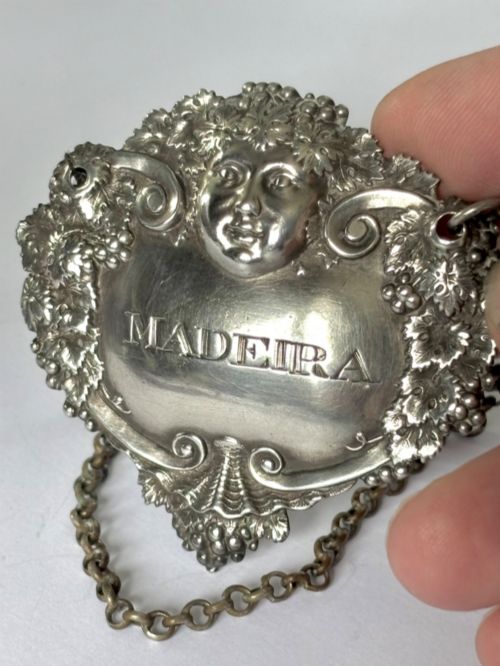
Silversmiths utilised techniques such as chasing, engraving, and gilding to decorate bottle labels and mounts, frequently incorporating naturalistic motifs like Bacchus masks and serpents. Old Sheffield plate items fused a layer of silver onto a copper base, creating durable vessels with rich metallic depth.
Silver Wine Decanter Retail Price Guide 2026
Typical asking prices for silver wine decanter among the pieces listed under this phrase on Sellingantiques today, from the lower quarter to the upper quarter. They describe what is for sale here now, not the wider market.
Silver Bacchus masks peer from several handles, watching every pour.
Standards of Craftsmanship
The distinction between ordinary and exceptional pieces lies in the crispness of the chasing and the gauge of the silver used in the mounts and labels. Thicker metal gauge ensures that bottle coasters and wine funnels retain their structural integrity over centuries of use.
The clarity and depth of the glass cutting, combined with the precision of the silver collar fit, separate standard production items from master silversmith work. Maker marks and clear hallmarks add historical weight, distinguishing documented studio pieces from unmarked items.
Elizabeth Morley·Asprey and Co. Ltd·Digby Scott Benjamin Smith·Solomon Hougham·Thomas Wallis II·Henry Matthews·Peter and William Bateman·Phipps and Robinson·Hester Bateman·Taylor and Perry·Charles Rawlings·George McHattie·Susannah Barker
The Silver Wine Decanter Glossary
- Claret jug
- A pouring vessel designed specifically for red wine, usually featuring a glass body with a silver handle, hinged lid, and collar. These jugs often display intricate engraving or mask motifs.
- Wine coaster
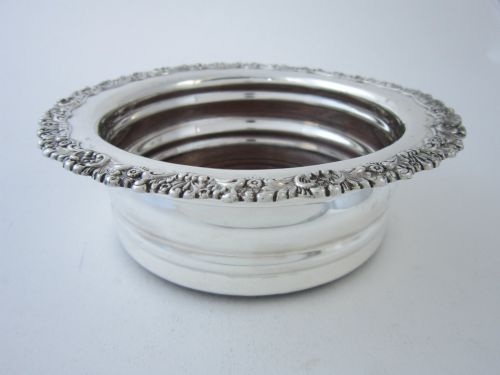
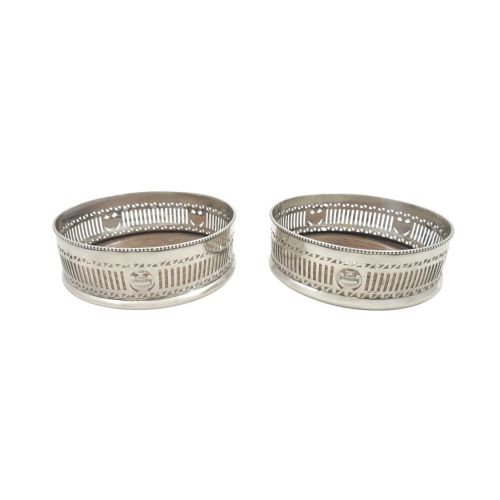
- A flat-bottomed ring of silver, plate, or wood with an inset base, designed to slide across a dining table and protect the surface from bottle rings. Many examples incorporate pierced galleries or wooden turned bases.
- Wine funnel
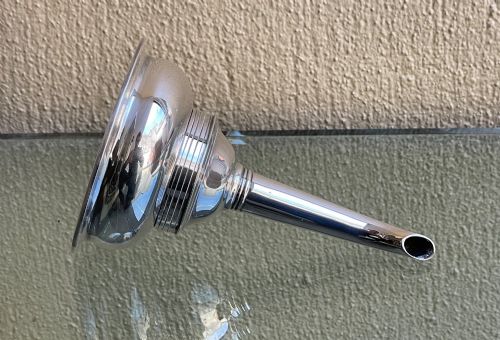
- A specialised pouring device fitted with a perforated strainer, used to decant older wines and catch sediment. Georgian examples in sterling silver represent high points of this form.
- Decanter label
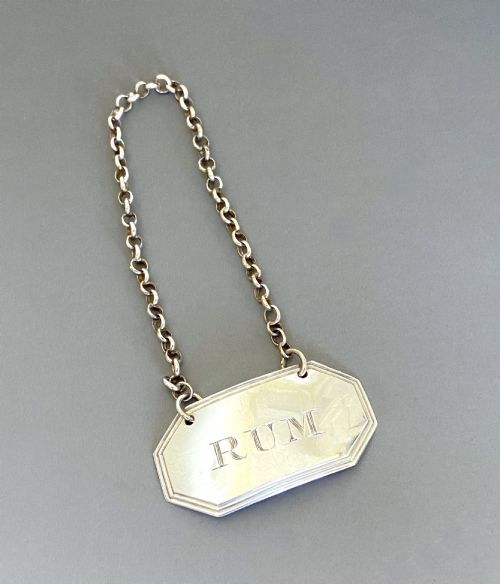
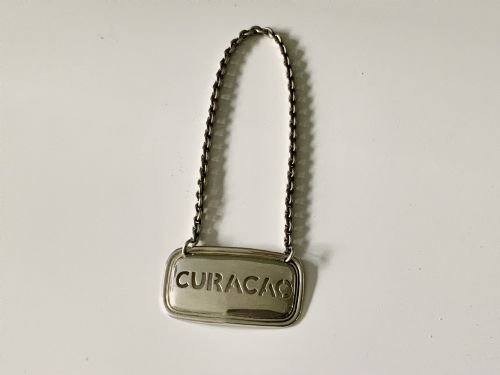
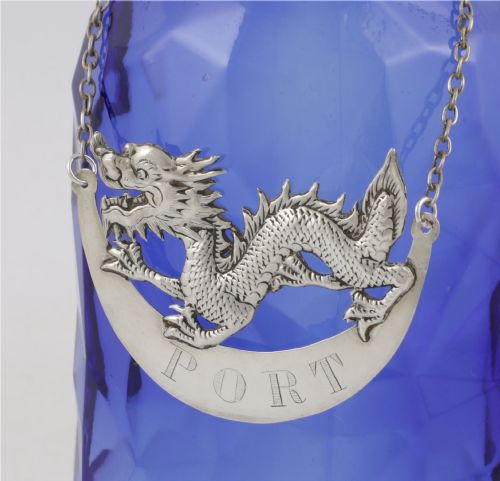
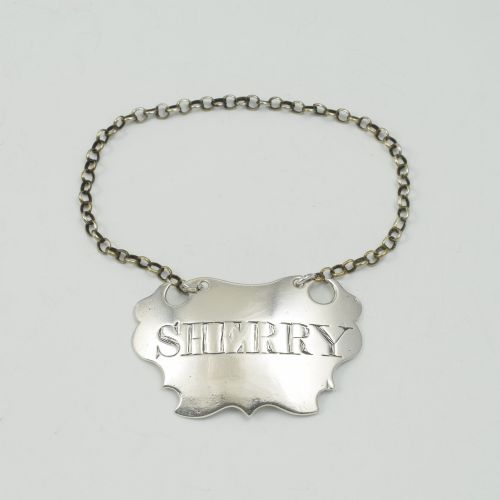
- A small silver tag hung by a chain around the neck of a bottle to identify the contents. They often take the shape of vine leaves, crescent moons, or escutcheons.
- Old Sheffield plate
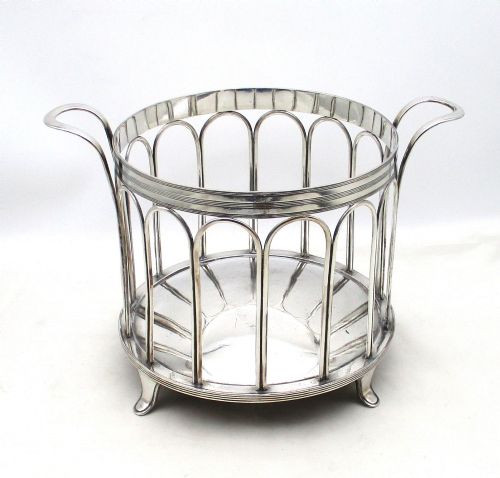
- An early form of composite metal made by fusing a sheet of silver to a copper ingot. This technique was widely used for coasters and stands before modern electroplating.
Silver Wine Decanter: Frequently Asked Questions
How do I clean tarnished silver mounts?
Use a specialised silver polishing cloth and gentle cream, taking care to avoid abrasive contact with the adjacent glass or crystal bodies.
Apply the cleaner sparingly with soft cotton, then rinse gently and dry thoroughly to restore the original shine without damaging antique hallmarks.
Can I use these decanters for modern wine?
These historical vessels function well for aerating and serving modern red or white wines during formal dinners.
Ensure the interior is thoroughly rinsed before use, and avoid leaving acidic liquids inside the vessel for extended periods.
How do I identify the date of a piece?
Look for stamped hallmarks on the silver components, which typically include maker marks, standard sterling marks, and date letters.
Matching these punch marks against official assay office records reveals the exact year and city of manufacture.
What is the purpose of a wine funnel?
Wine funnels were utilised during formal dining to filter out sediment and cork particles while pouring wine from bottle to decanter.
The removable pierced strainer disc sits inside the funnel bowl to catch particulate matter cleanly.