


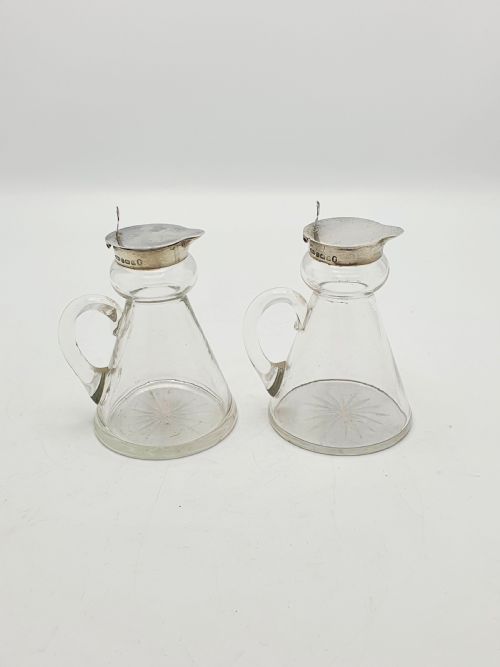
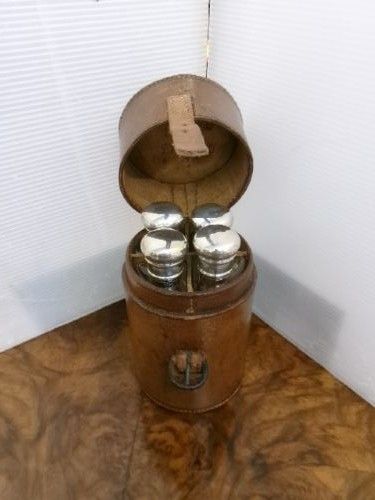
Silver Topped Glass Decanter
A silver topped glass decanter brings heavy metal mounts to clear and coloured vessels, combining utility with distinct period character.
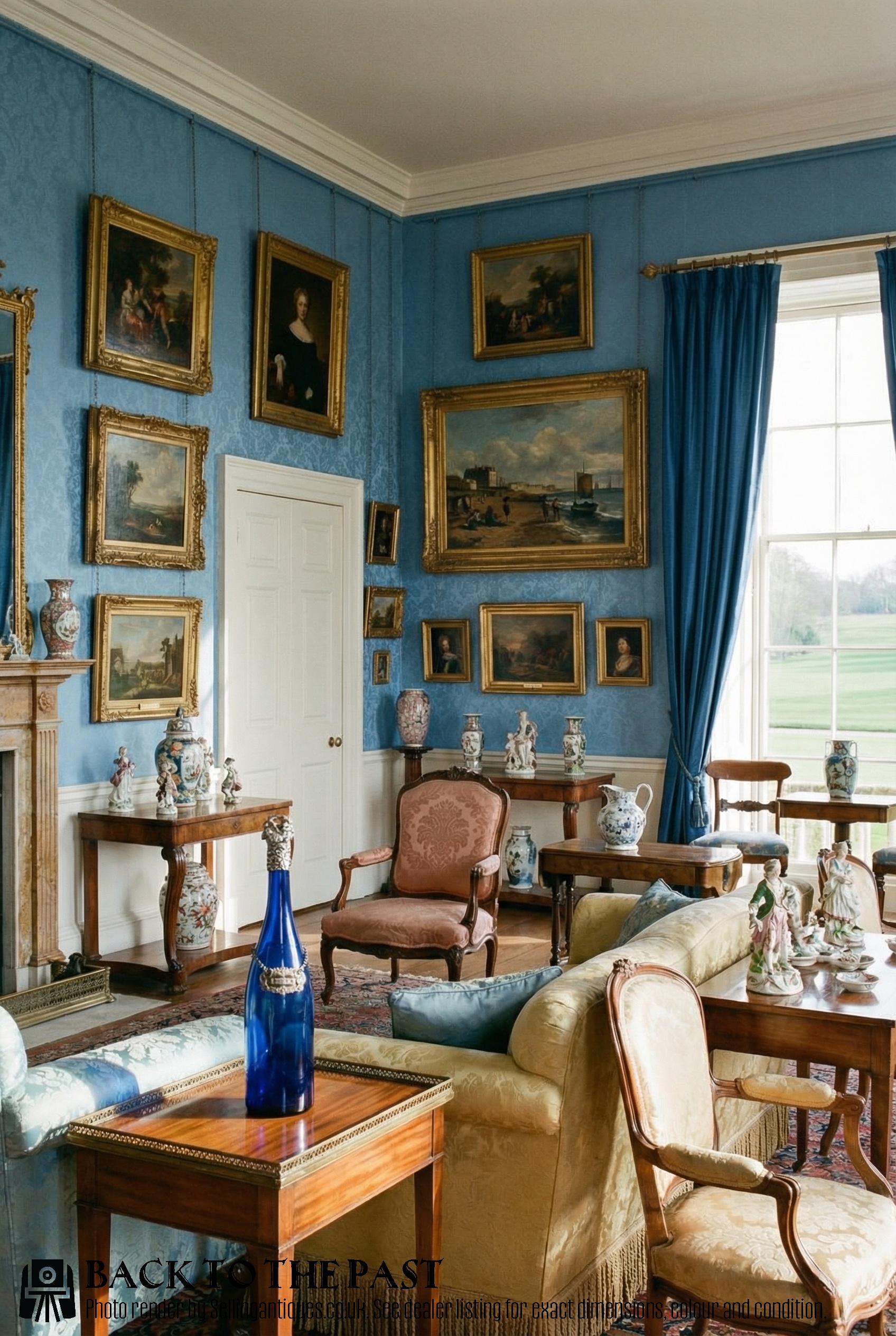
Silver Topped Glass Decanter
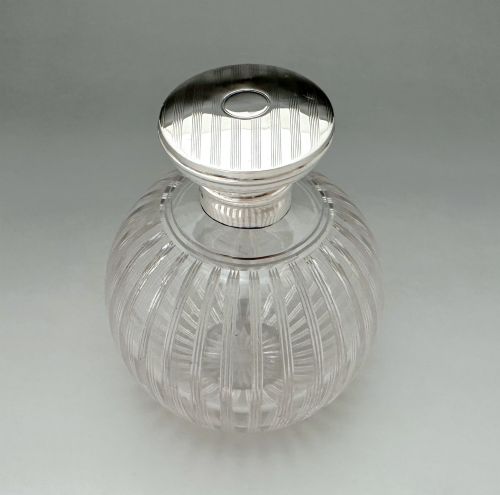
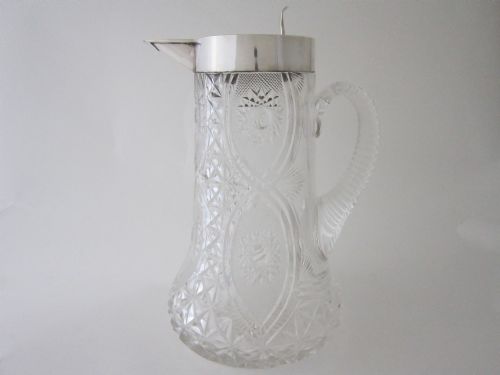
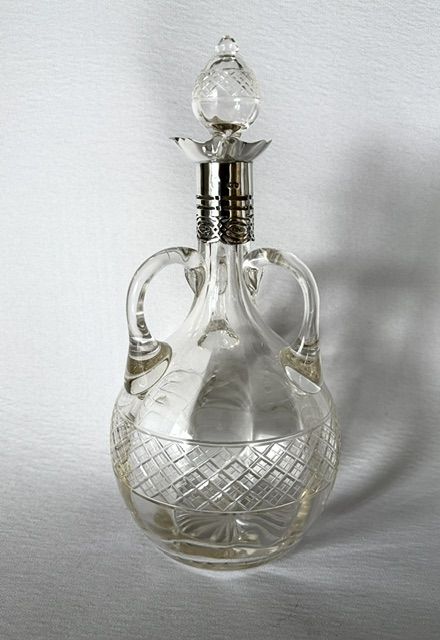
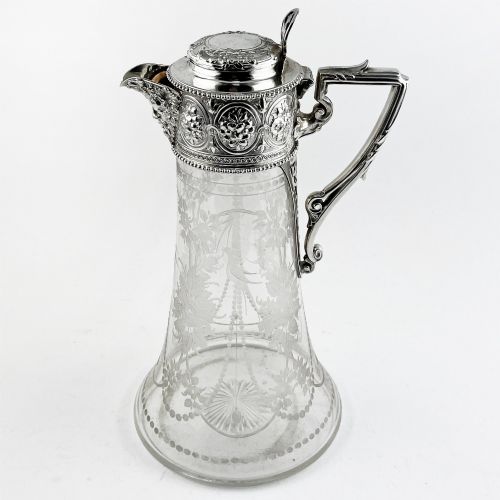
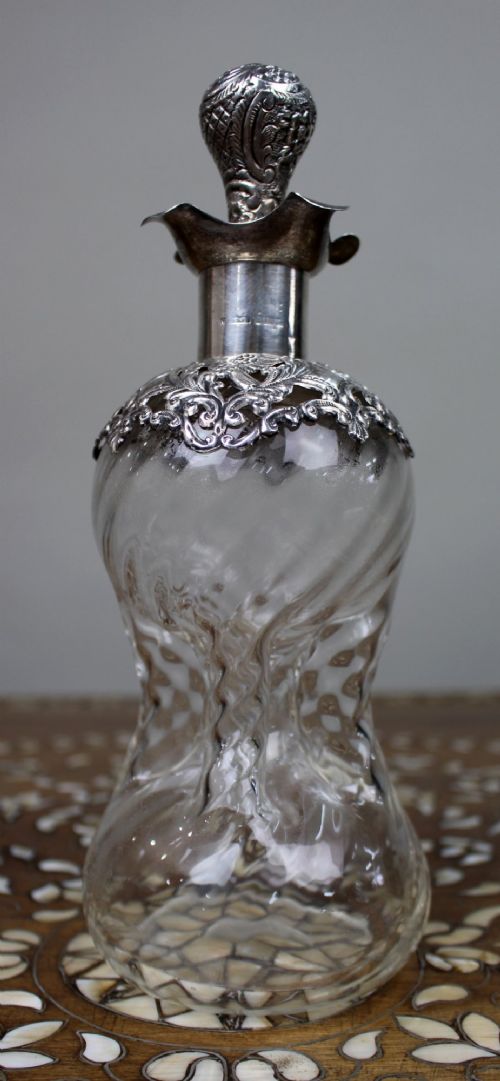
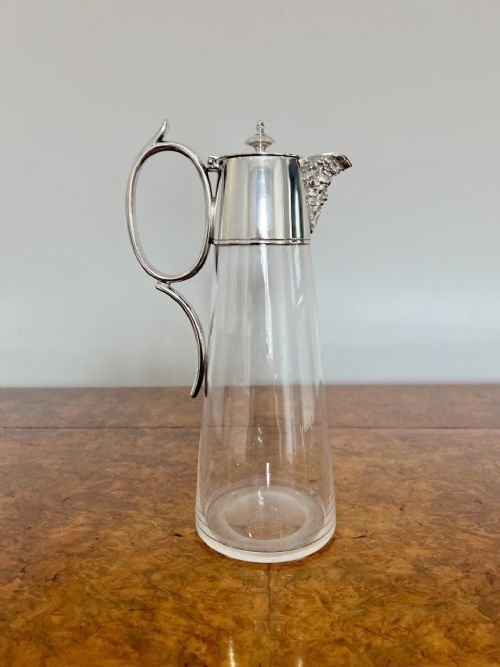
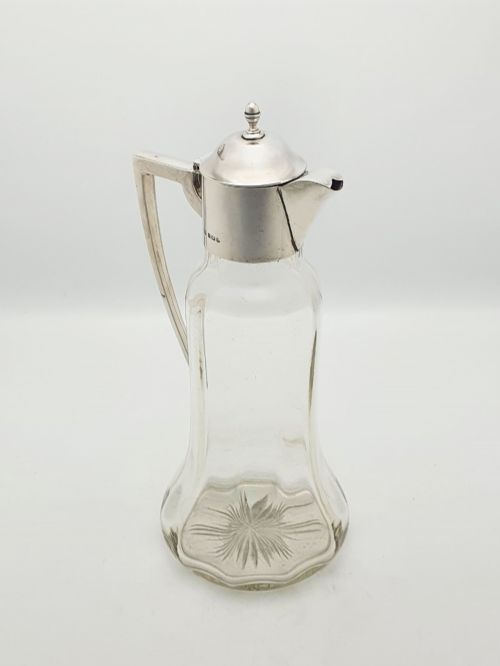
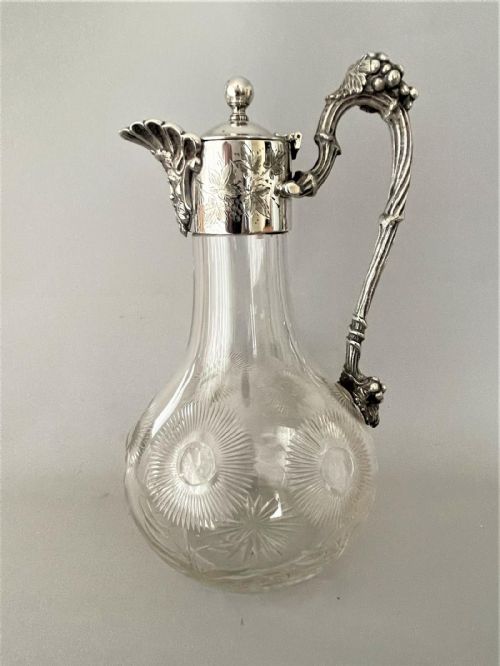
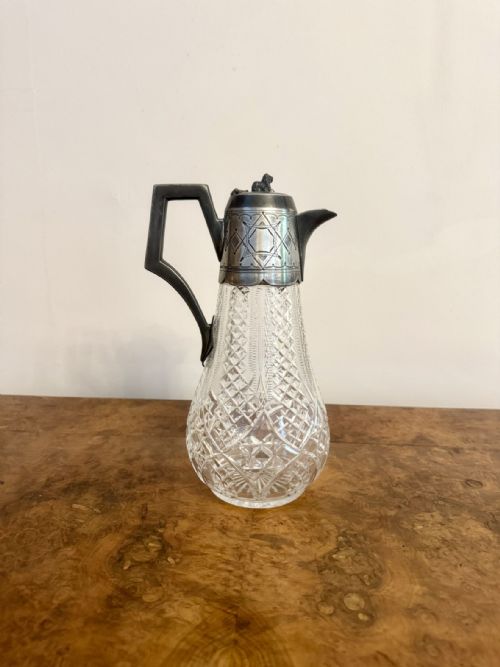
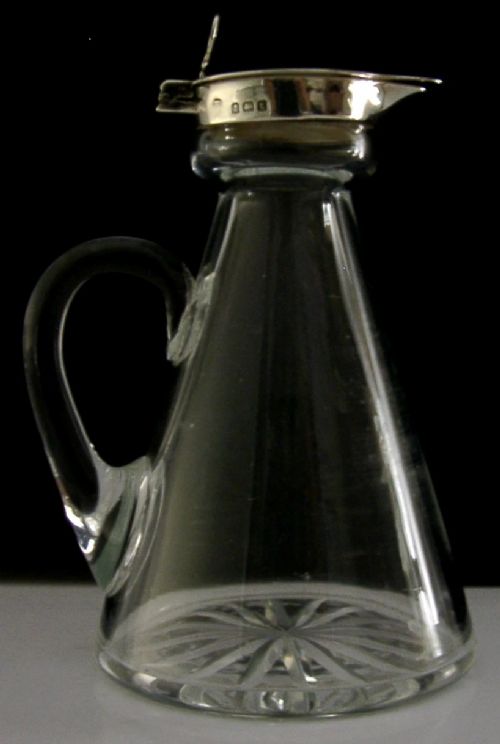
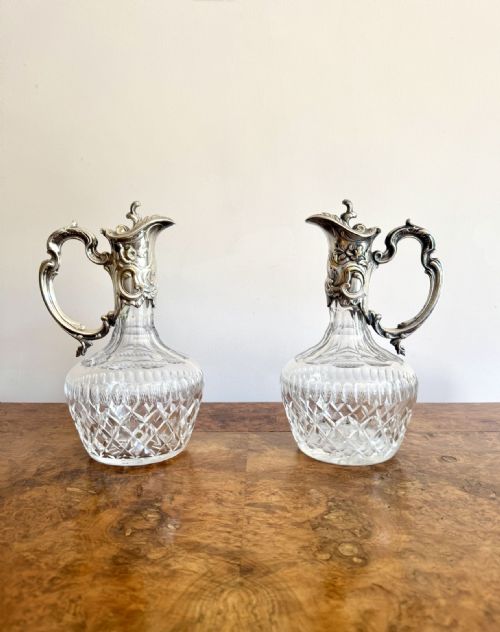
A silver topped glass decanter combines heavy glass bodies with metal collars, necks, and stoppers. These pieces appear frequently across Victorian, Edwardian, and George V periods in forms ranging from tall spirit decanters to compact whisky noggins and claret jugs.
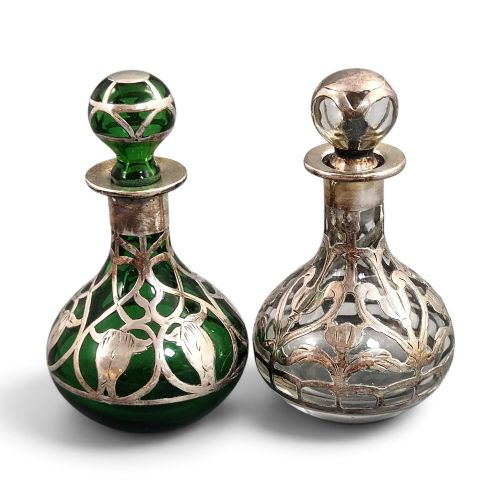
Makers utilised various glass colours including green, amethyst, and clear crystal, often shaped with deep cutting or floral engraving. The metal components range from sterling silver to silver plate, frequently bearing hallmarks that record the year and assay office of production.
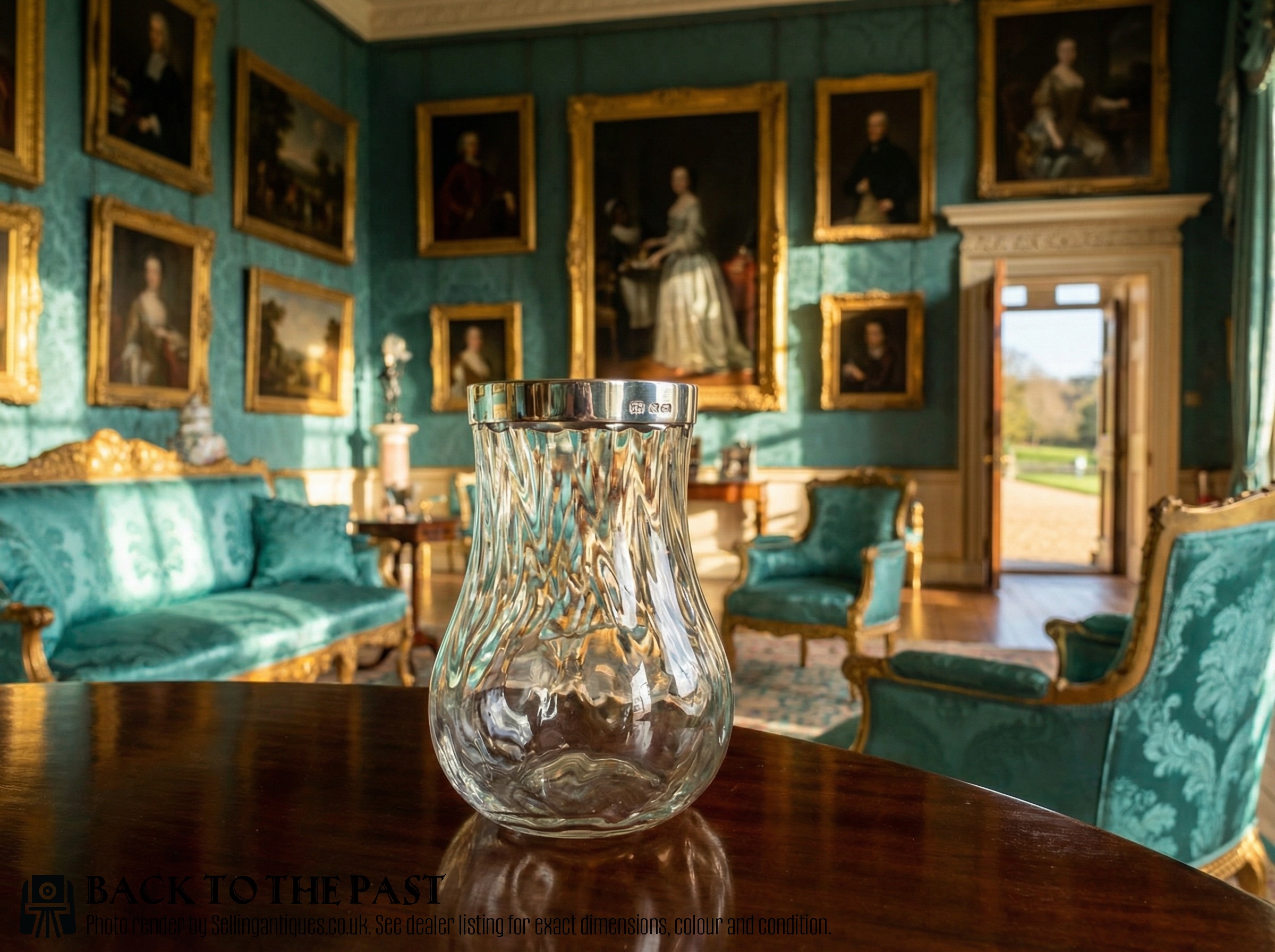
Materials and construction
The glass bodies were shaped by blowing and moulding, then finished with wheel-cutting, etching, or overlay techniques to create faceted patterns. Molten glass formed the basic vessel before specialist cutters carved geometric or floral motifs into the surface.
Metal mounts were cast or hammered from sterling silver or silver plate, then fitted securely to the glass necks. Stoppers were ground by hand to fit individual bottlenecks, ensuring a tight seal for the contents.
Listings feature sterling silver and silver plate alongside cut crystal, etched glass, and coloured vessels in green and amethyst.
Assessing quality and execution
Quality rests in the weight and clarity of the glass, alongside the thickness and detail of the silver mount. Heavy cut crystal and deeply chased silver collars indicate higher grade production than thin pressed glass and light plating.
Proportion and harmony between the metal top and the glass body dictate visual success. Finely fitted stoppers and crisp hallmarks demonstrate superior craftsmanship across Victorian and Edwardian examples.
Asprey and Co. Ltd·Gorham·Hukin and Heath
The Silver Topped Glass Decanter Glossary
- Claret jug
- A pouring vessel designed specifically for red wine, featuring a handle and a hinged silver lid. These pieces often combine cut glass bodies with elaborate silver mounts.
- Whisky noggin
- A small single-measure decanter intended for spirits, usually supplied with a matching silver-mounted label. They appear frequently in George V and Edwardian listings.
- Sterling silver
- An alloy containing a high proportion of pure silver, used for durable mounts and collars. Pieces marked thus meet strict purity standards.
- Silver plate
- A thin layer of silver bonded to a base metal core, common in Victorian and Edwardian barware. It offers the appearance of solid silver at a different scale of production.
- Cut crystal
- High-clarity glass containing lead, shaped by abrasive wheels to refract light through deep facets. This material provides substantial weight to the finished vessel.
Silver Topped Glass Decanter: Frequently Asked Questions
What periods do these pieces date from?
The inventory spans the Victorian, Edwardian, and George V eras, stretching from the mid-nineteenth century into the twentieth century. Most examples date between eighteen-sixty and nineteen-thirty.
Assay office marks and date letters stamped on the silver mounts provide precise years of manufacture for sterling pieces. Unmarked items rely on glass styles and cutting techniques for dating.
How were whisky noggins used?
Whisky noggins served as individual spirit decanters placed on dining tables or sideboards for single measures. They were often paired with small silver bottle labels.
These compact vessels typically featured a sturdy handle and a small lip for pouring neat spirits into glasses.
Are the stoppers original to the decanters?
Stoppers were individually ground to fit each bottleneck during initial production to ensure a secure seal. Matching numbers or identical glass cuts help confirm originality.
Replacements occur frequently because loose stoppers suffered breakage during everyday use and cleaning.
How do you clean glass decanters safely?
Cleaning requires warm water and mild detergent, avoiding harsh abrasives that scratch the inner surfaces of old glass. Stubborn residues inside deep bottles respond to specialised cleaning beads rather than metal tools.
Silver mounts need careful polishing with a soft cloth to protect the surrounding glass from chemical contact.