


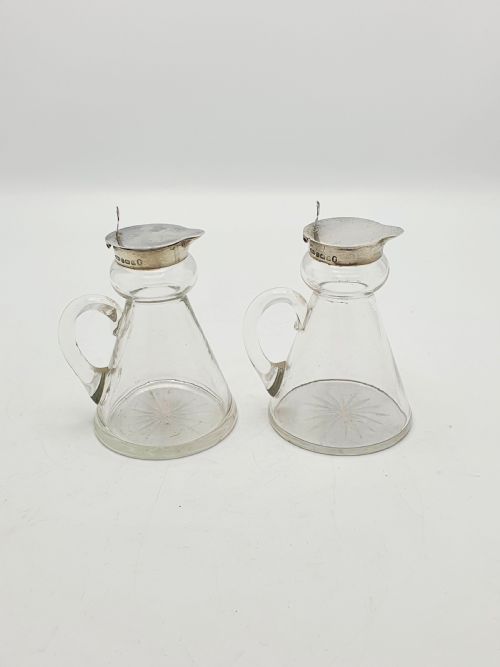
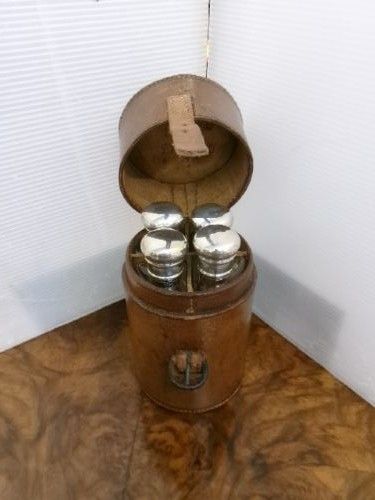
Silver Top Decanter
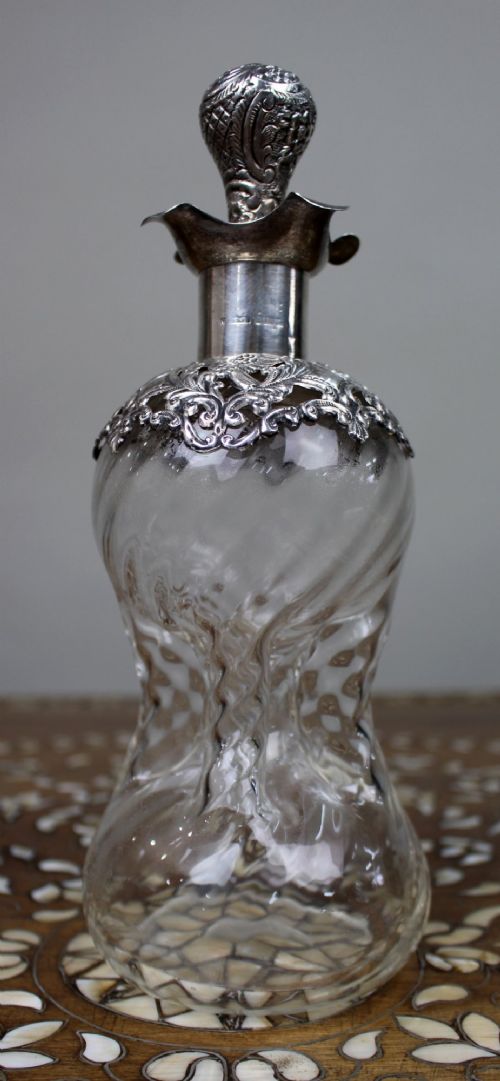
When you search for silver top decanter, you enter a refined world of nineteenth and twentieth-century glassware crowned with precious metal collars and stoppers.
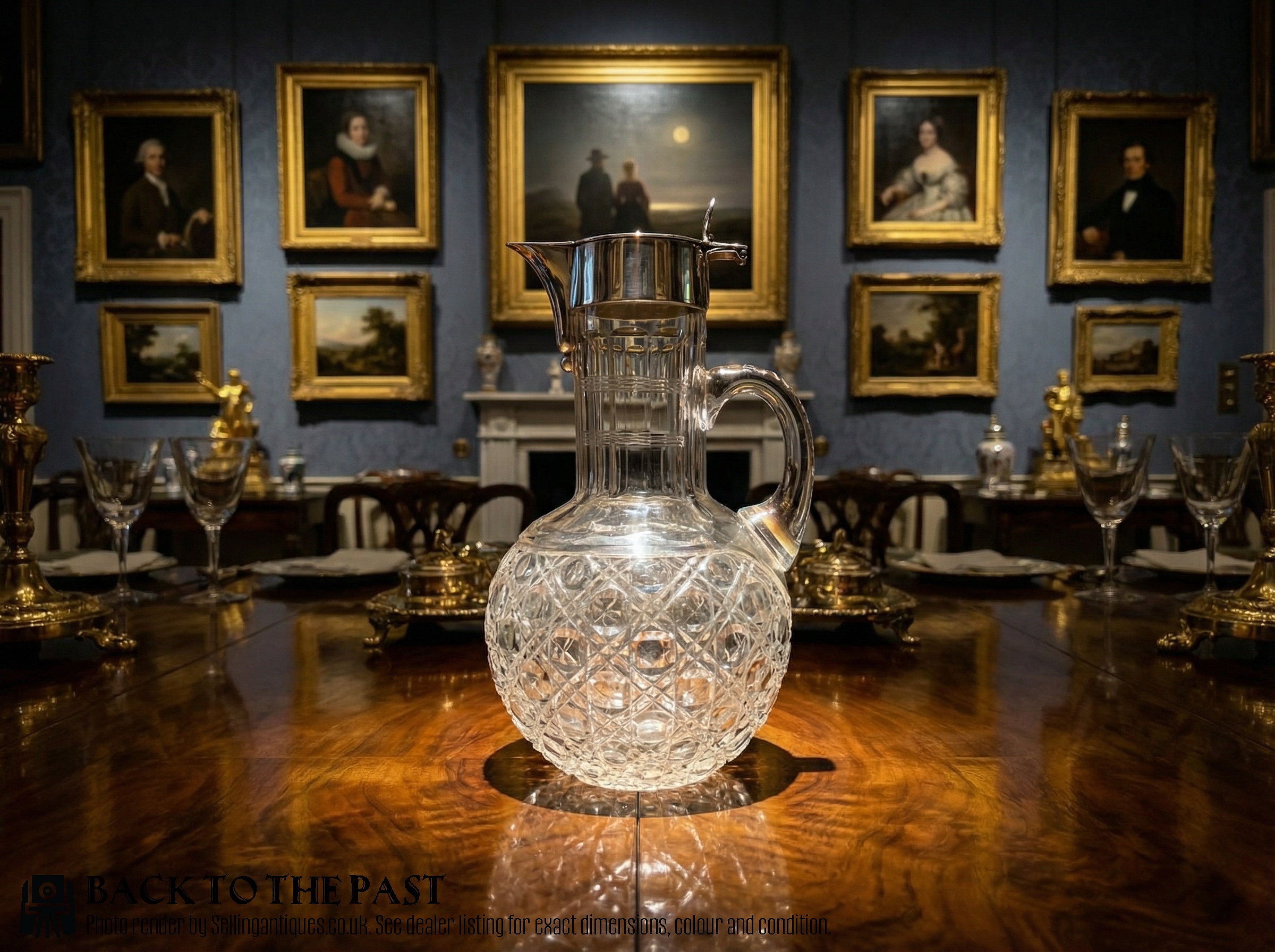
Silver Top Decanter
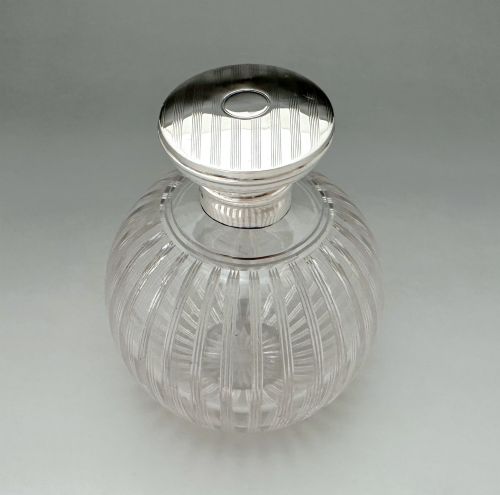
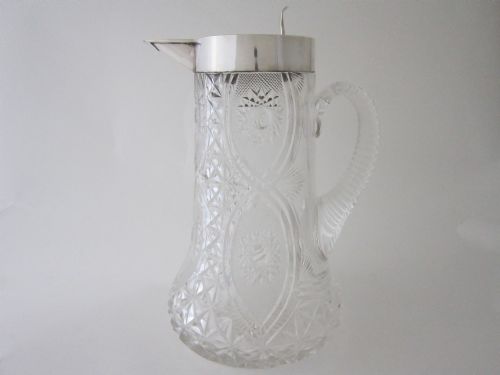
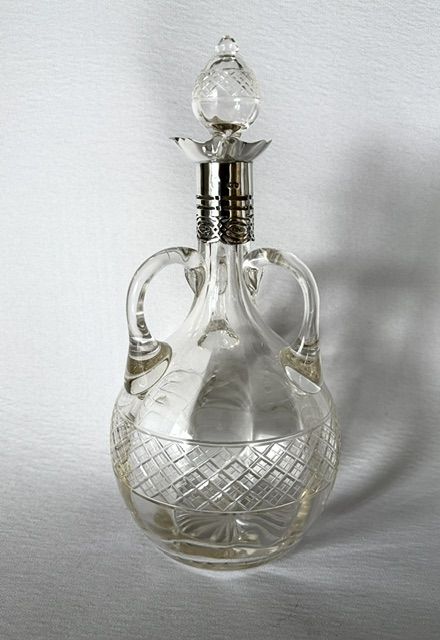
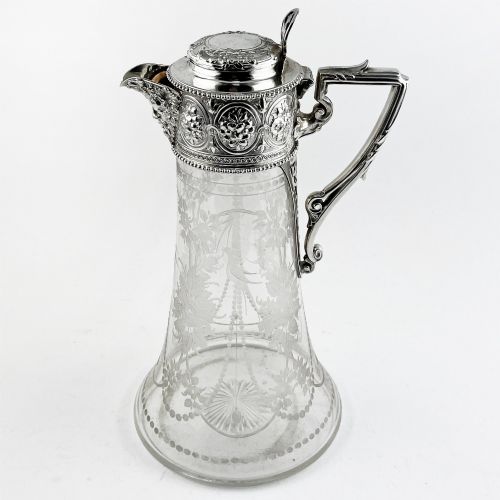
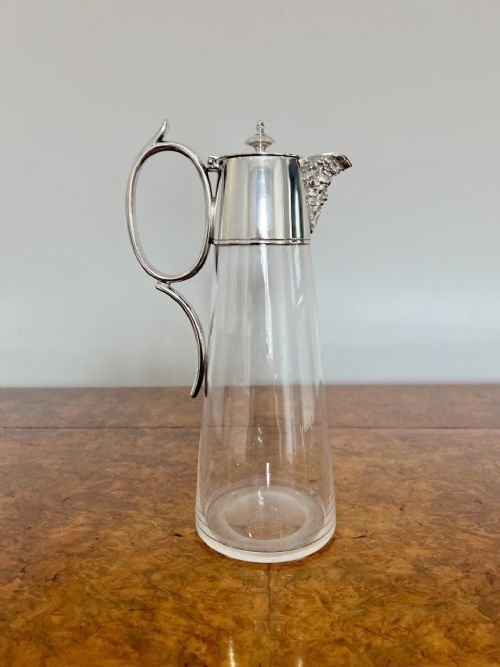
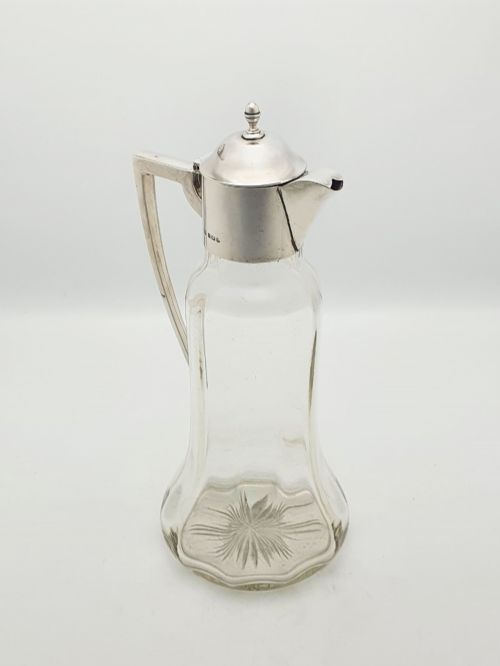
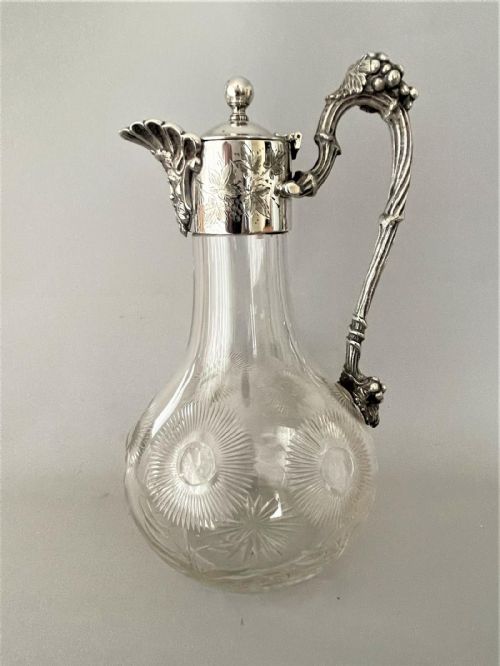
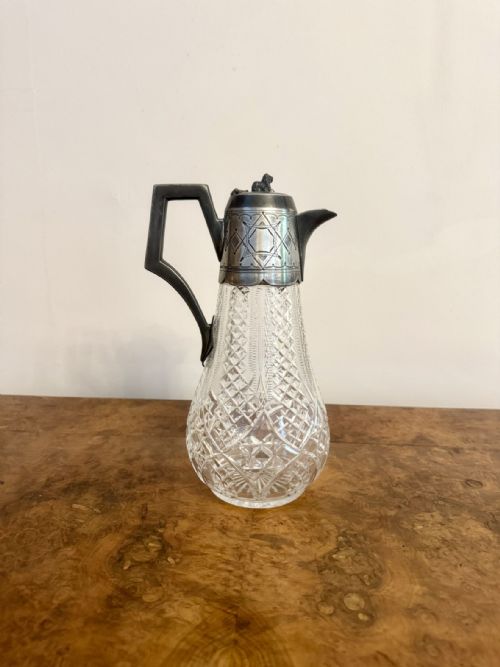
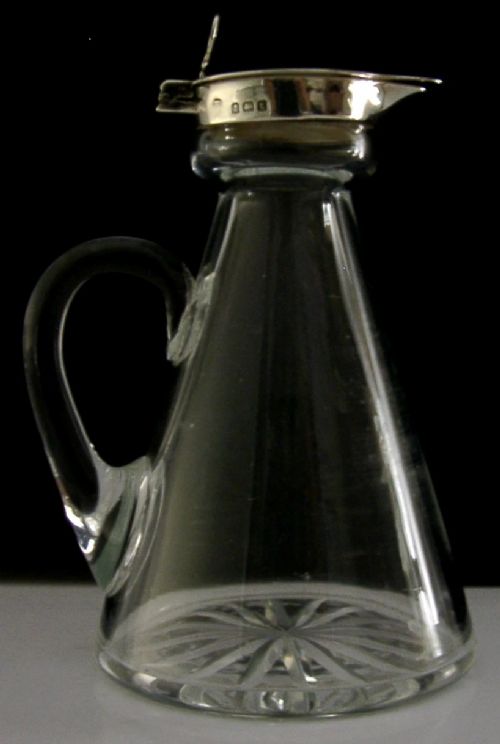
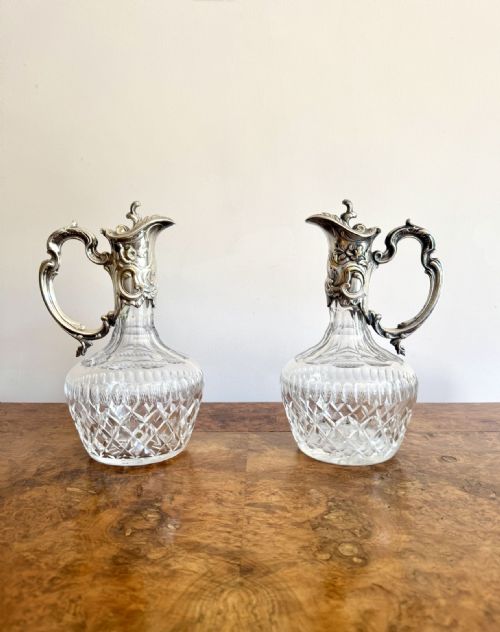
A silver top decanter combines utilitarian glass containers with decorative metal mounts, spanning utility vessels like whisky noggins, claret jugs, and scent bottles. Victorian and Edwardian examples dominate the selection, showing distinct shifts in social dining habits from heavy cut glass spirit service to sleek Art Deco barware.
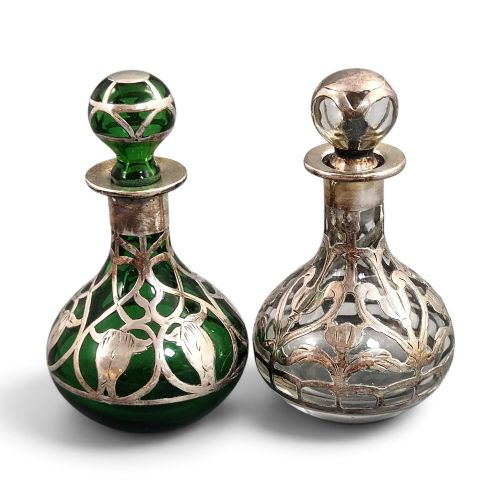
Form follows function across these serving pieces, incorporating tall flagons, handled jugs, and miniature spirit noggins designed for individual hospitality. Makers applied silver collars and stoppers to clear crystal, amethyst, green, and blue glass bodies intended for wine, whisky, and liqueurs.
The range extends from robust silver-plated mounts on everyday Victorian vessels to solid sterling silver collars bearing hallmarks from London, Birmingham, and Sheffield. Collectors encounter everything from tall cut glass decanters to matched pairs of oil and vinegar bottles fitted with hinged metal caps.
How they were made
Craftsmen joined heavy lead glass bodies with fitted metal work, utilising either solid sterling silver or silver plate for the collars, lips, and hinged lids. Glassmakers shaped vessels through blowing and deep cutting, moulding, or etching floral and vine motifs directly into the crystal or coloured glass.
Silversmiths secured the metal mounts around glass necks using specialised adhesives or tight mechanical collars, frequently adding hallmarks to date the sterling components precisely. Stoppers were ground by hand to fit individual bottlenecks, occasionally featuring cork shanks or greyhound figurine designs.
Silver Top Decanter Retail Price Guide 2026
Typical asking prices for silver top decanter among the pieces listed under this phrase on Sellingantiques today, from the lower quarter to the upper quarter. They describe what is for sale here now, not the wider market.
Certain Victorian decanters feature leaping greyhound stoppers, standing ready to chase the wine from the bottle to the glass.
What varies in quality
The distinction between ordinary utility items and superior examples rests upon the depth of the glass cutting and the weight of the silver mount. Heavy crystal bodies with intricate hand-carved flutes command greater regard than thin, mould-blown alternatives.
Makers' marks and crisp assay office hallmarks elevate certain pieces, demonstrating firm attribution to known silversmiths such as Hukin and Heath or William Hutton and Sons. The integration between the glass vessel and the metal collar reveals the maker's precision, particularly where hinged lids meet the lip without gap or wobble.
Asprey and Co. Ltd·Gorham·Hukin and Heath·William Hutton and Sons
The Silver Top Decanter Glossary
- Sterling silver
- A silver alloy containing 92.5 percent pure silver by mass, widely utilised for high-end decanter collars and lids.
- Whisky noggin
- A small single-serving decanter fitted with a handle and lip, popular during the Edwardian period for individual drams.
- Glug glug decanter
- A vessel with a multi-chambered neck designed to slow the pour and produce a distinctive sound when liquid flows.
- Silver plate
- A layer of silver fused to a base metal substrate, commonly applied to Victorian barware and claret jugs.
- Cut crystal
- High-clarity glass shaped by grinding geometric or floral patterns into the surface to catch ambient light.
Silver Top Decanter: Frequently Asked Questions
What is a silver top decanter used for?
These vessels held spirits, wine, and liqueurs for formal dining and drawing-room hospitality during the Victorian and Edwardian eras. Hosts used them to serve port, claret, and whisky directly at the table.
Smaller variants like whisky noggins served individual guests, while larger flagons and claret jugs accommodated shared table service. The metal mount protected the glass rim and secured the stopper during pouring.
How do I date a silver top decanter?
The most reliable dating method involves reading the hallmarks stamped into the sterling silver collar or mount. These marks identify the assay office, date letter, and silversmith.
When pieces feature silver plate or unmarked mounts, dating relies on the glass colour, cutting style, and silhouette. Victorian pieces often show deep cutting and rich green or amethyst hues, whereas Edwardian and Art Deco examples lean toward cleaner geometric lines.
How should I clean my decanter?
Wash the glass body gently in warm water with mild detergent, avoiding harsh abrasives that might scratch the interior or dull the surface. Take care to keep moisture away from any cork components inside old stoppers.
Polish the silver mounts separately using a soft cloth and appropriate metal cleaner, shielding the glass from chemical contact. Ensure the piece dries completely before storing.