
Silver Table Tableware
Silver table tableware brings domestic rituals to life through hard-wearing metals and intricate craftsmanship.
Silver Table Tableware
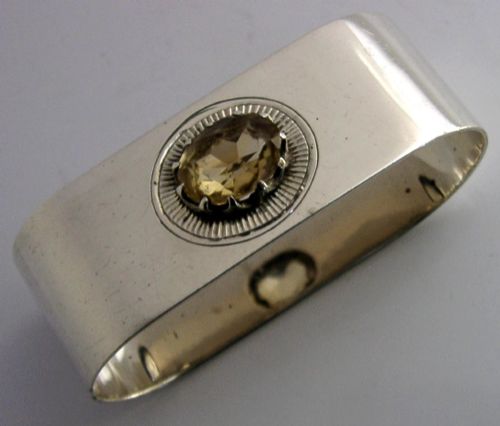
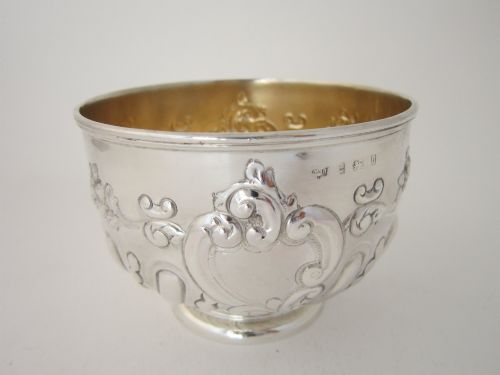
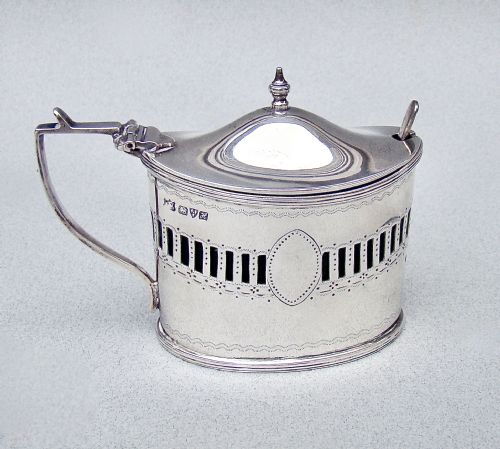
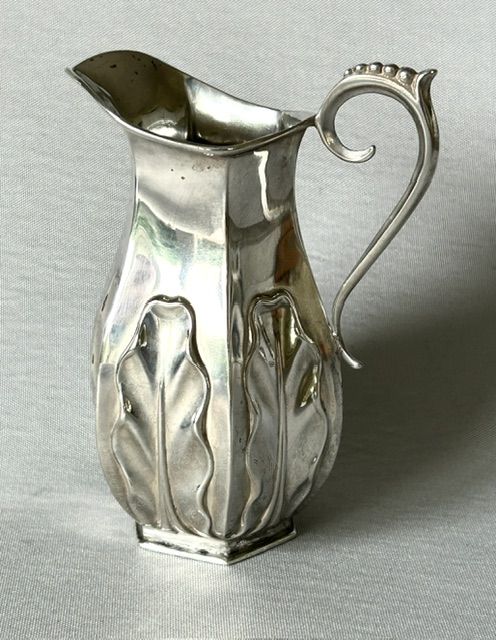
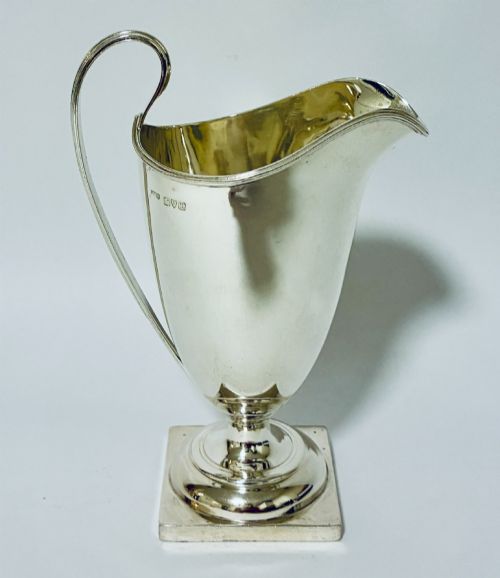
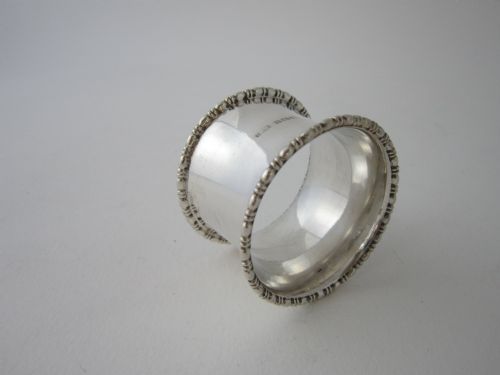
When searching for silver table tableware, buyers encounter an array of functional dining items spanning napkin rings, menu holders, cruet sets, serving spoons, pepper pots, knife rests, and cream jugs. These objects serve specific dining purposes, from individual place settings to serving central dishes.
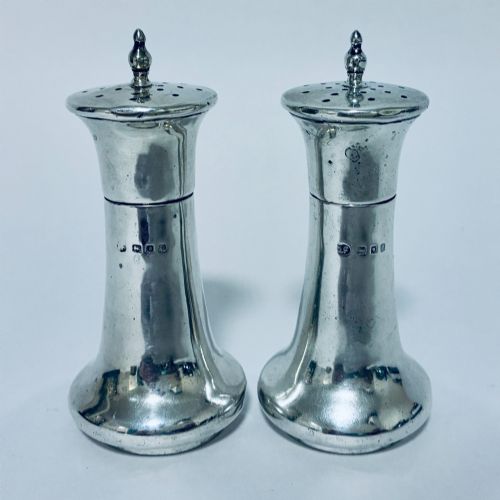
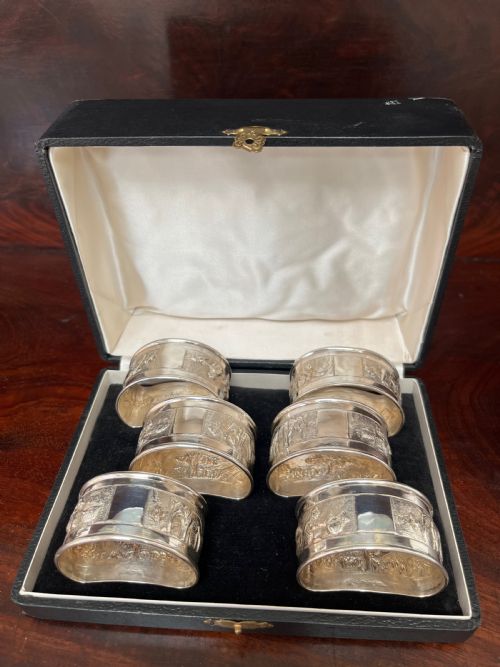
The selections available derive largely from periods including the Victorian, Edwardian, and George V eras, alongside pieces originating around the 1920s and 1930s. Napkin rings and pepper pots appear most frequently, often found in fitted cases.
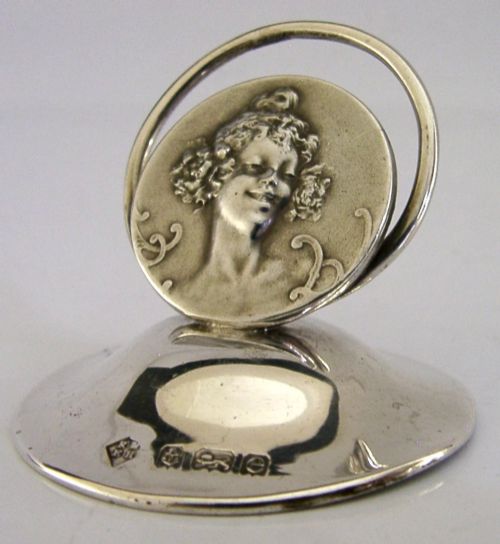
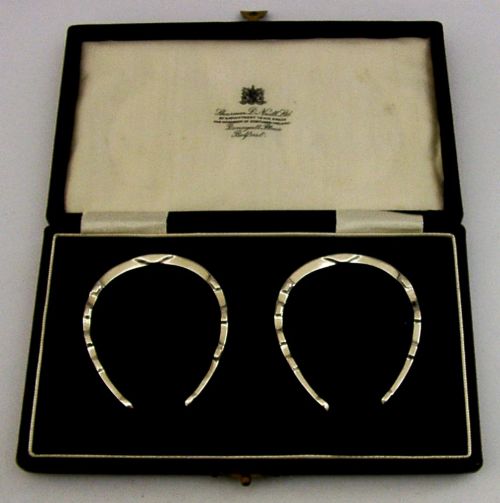
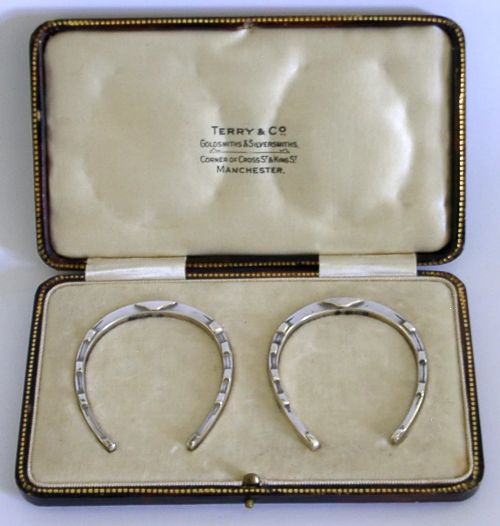
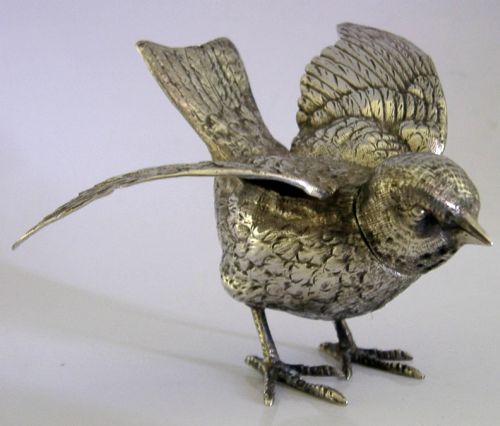
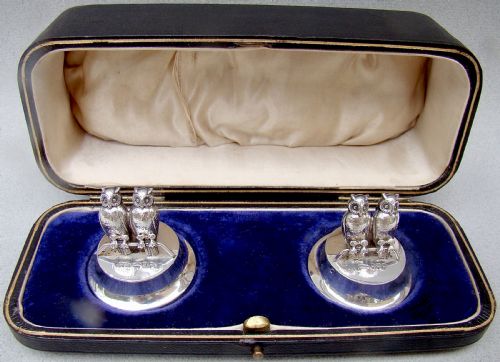
Design influences range from straightforward utilitarian forms to ornate novelties such as life-size bird chicks, monkeys playing drums, and horseshoe motifs. Materials span solid sterling silver and silver plate, occasionally supplemented by glass, velvet, silk, leather, citrine, and agate.
Materials and Making Techniques
Makers utilised solid sterling silver and silver plate as the foundational media for these dining pieces, shaping them through casting, hammering, and embossing. Components such as glass liners for butter dishes or baskets integrate directly into metal frameworks.
Decorative elements often incorporate secondary materials like agate, citrine, velvet, and silk to line presentation cases or accent individual items. Hallmarks stamped directly into the metal record the assay office, maker, and year of production.
Keep an eye out for the drumming monkey and the life-size bird chick ready to join your next dinner party.
Factors Defining Quality
The standard of an item rests on the crispness of its chasing, the weight of the metal utilised, and the integrity of any structural joints. Substantial gauge silver and well-defined novelty details distinguish finer examples from standard production pieces.
Completeness also dictates value, particularly for cased sets of napkin rings, cruet sets, or matching knife rests that retain their original fitted presentation boxes. Preserved liners in glass, silk, or velvet enhance the completeness of butter dishes, baskets, and condiment sets.
Alfred Marston·Levi and Salaman·Mappin and Webb·Grey and Co·Sampson Mordan·R. E. Stone
The Silver Table Tableware Glossary
- Cruet set
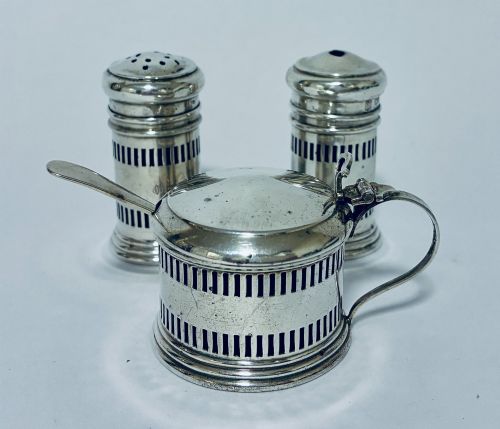
- A matched group of bottles, castors, or pots for holding condiments like mustard, pepper, and salt at the dining table.
- Knife rest
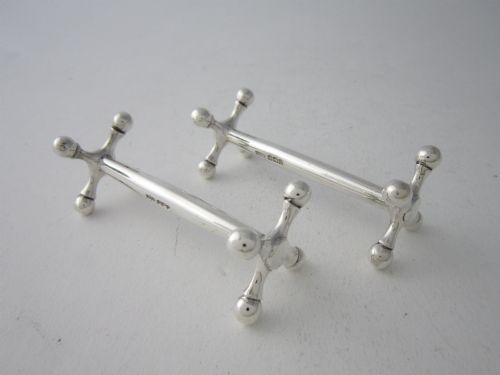
- A small support, often in pairs, designed to keep the blade of a carving or dining knife elevated above the tablecloth.
- Menu holder
- A small upright display piece used to hold printed dinner menus or place markers on the dining table.
- Sterling silver
- An alloy consisting of 925 parts silver per thousand, widely used for British dining ware since the medieval period.
- Silver gilt
- Silver that has been coated with a thin layer of gold on its surface, often seen on the interior of cream jugs or baskets.
Silver Table Tableware: Frequently Asked Questions
What is included in a silver cruet set?
A silver cruet set typically comprises multiple small containers designed to hold table condiments such as pepper, mustard, and salt. These may be accompanied by small spoons and fitted glass liners.
Such sets vary from simple utilitarian designs to elaborate novelty configurations, often housed in protective presentation cases for formal dining.
How do I care for antique silver tableware?
Antique silver tableware requires gentle cleaning using non-abrasive cloths and specialised silver polishes to preserve the surface finish and hallmarks. Avoid harsh scrubbing that can wear down thin plating or intricate engravings.
Store pieces in dry environments, utilising fitted velvet or silk-lined cases where available to prevent unnecessary tarnishing and surface scratching.
Are antique silver napkin rings sold individually?
Silver napkin rings appear both as individual pieces and as matched sets containing four, six, or more items. Many of the multi-piece sets are housed in original fitted presentation boxes.
Individual rings often feature distinct decorative elements, including gemstones like citrine and agate, or novelty shapes such as horseshoes and animal motifs.