
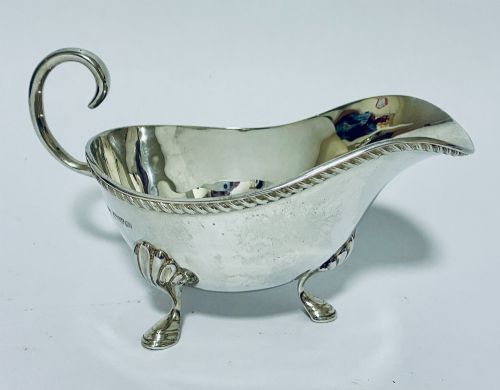
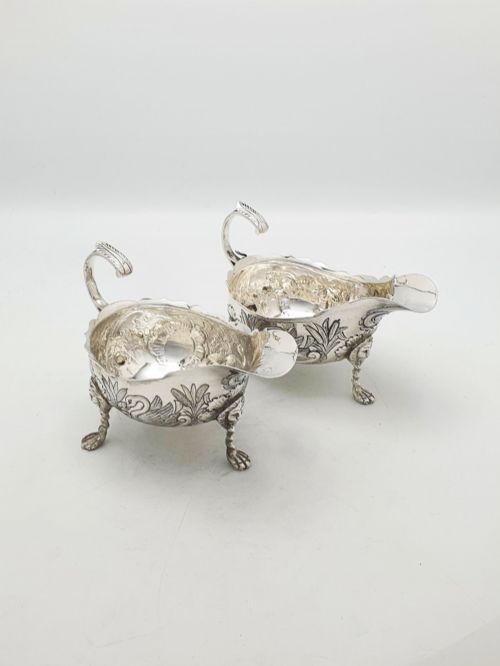
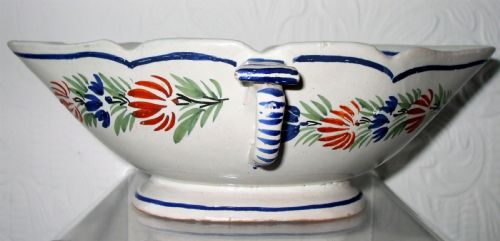
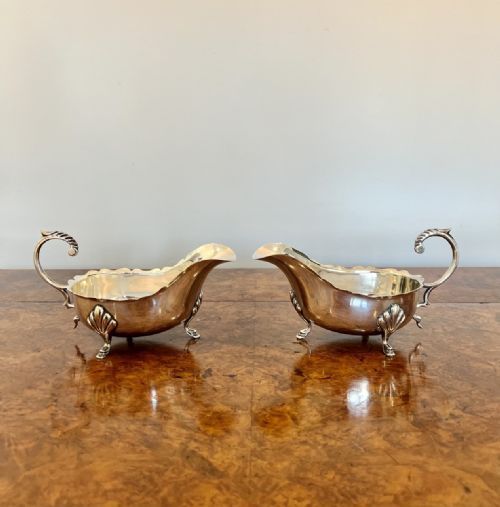


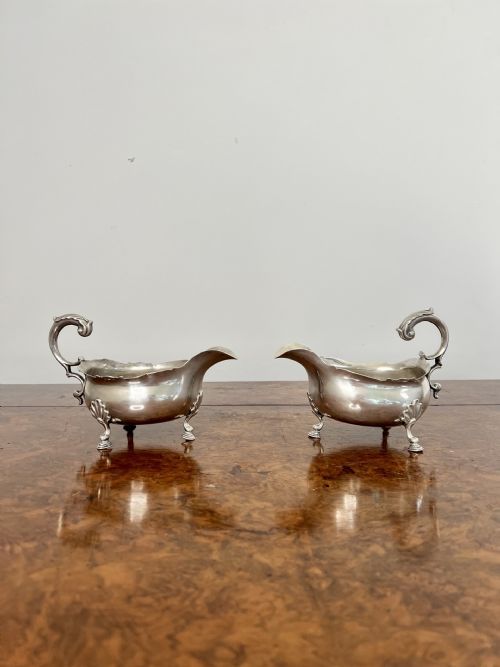
Vintage Gravy Boat
These vintage gravy boat pieces bring timeless utility to the dining table, pairing practical form with historic craftsmanship.
Vintage Gravy Boat
A vintage gravy boat serves as a dedicated vessel for pouring sauces, gravies, and condiments at the dining table. When searching for this phrase, collectors encounter a diverse array of forms spanning multiple centuries and regions.
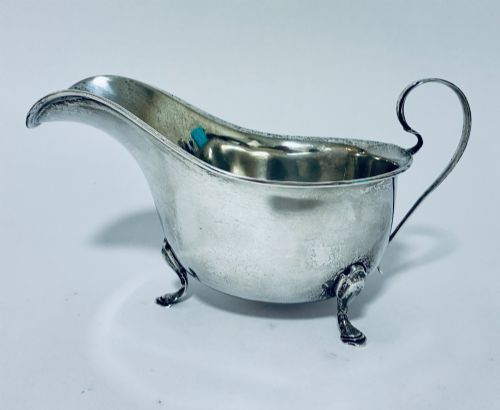
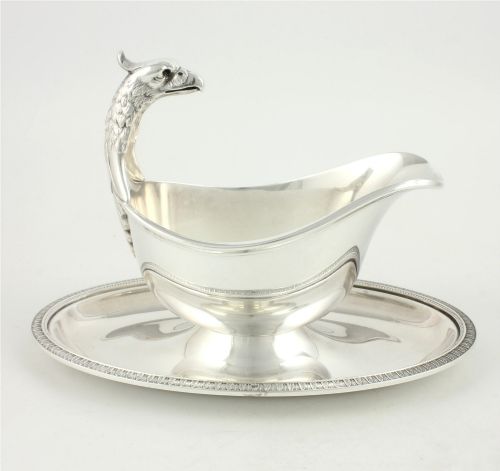
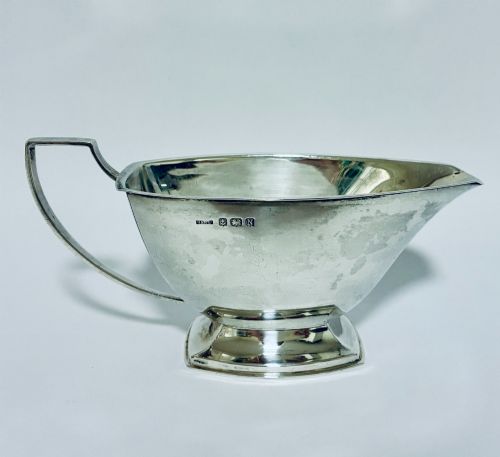
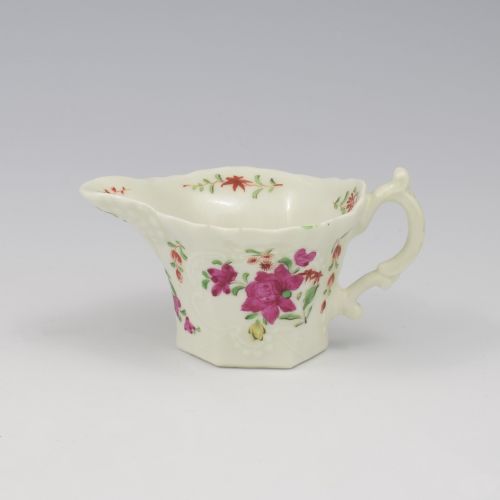
The selections on this page most commonly include silver, silver plate, and porcelain vessels originating from periods such as the eighteenth and nineteenth centuries. Alongside standard single boats, buyers find pairs, covered tureens, and specialised warmers.
Materials and Manufacturing Techniques
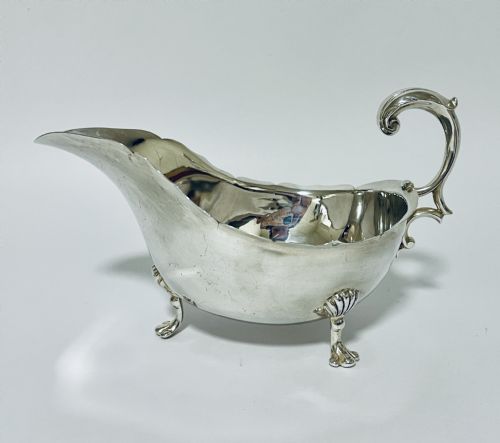
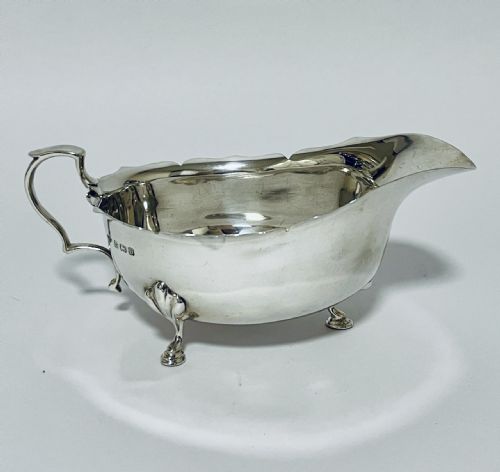
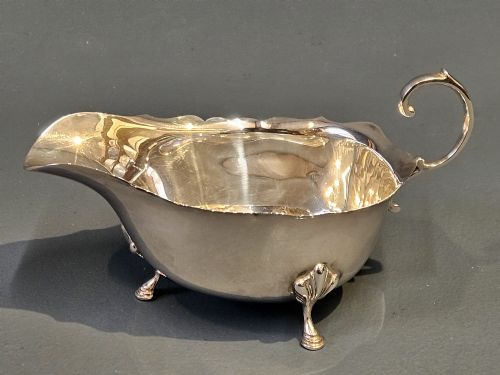
Metal vessels utilise sterling silver, silver plate, and Old Sheffield plate, often shaped through hammering, casting, or rolling techniques. Skilled artisans frequently applied decorative chasing, embossing, and engraved crests to the metal surfaces.
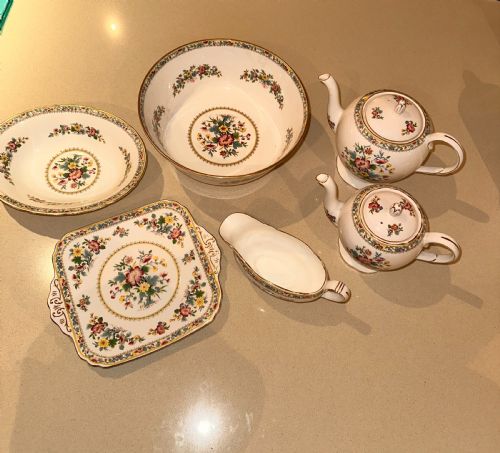
Ceramic examples employ soft-paste porcelain, ironstone, and faience, finished with detailed hand-painting, blue and white transfer printing, or smooth glazes. These pieces reflect the traditional firing and decorating methods of historic European potteries.
Listings feature vessels from the eighteenth, nineteenth, and twentieth centuries, spanning Georgian, Victorian, and Art Deco styles.
Assessing Quality and Distinction
Quality separates through the crispness of casting detail, the weight and gauge of the silver, and the precision of hand-painted ceramic motifs. Pieces attributed to documented makers or specific historic periods command greater attention from discerning collectors.
The integrity of the material, whether the preservation of silver plating or the clarity of an eighteenth-century porcelain glaze, defines the upper tier of the range. Masterful proportions and balanced handles further distinguish superior examples from standard workshop production.
Christofle Gallia·Padley Parkin And Staniforth·James Welch·Theodore B Starr·Walker And Hall
The Vintage Gravy Boat Glossary
- Silver Plate
- A base metal coated with a thin layer of silver using various historic techniques such as fusion or electroplating. This method provided the visual appeal of solid silver at a more accessible cost during the nineteenth and twentieth centuries.
- Soft-Paste Porcelain
- An artificial ceramic composition fired at lower temperatures than true hard-paste porcelain, common in eighteenth-century English factories. It produces a warm, slightly translucent body well suited to delicate painting.
- Sauce Tureen
- A covered ceramic or metal vessel designed to keep gravies warm on the dining table, often accompanied by a matching ladle and fixed or detachable stand. These larger pieces served formal dining requirements.
- Old Sheffield Plated
- An early method of fusing a thin sheet of silver to a thicker copper core before rolling and shaping. This material yields a distinct warm tone and subtle copper telegraphing along edges.
Vintage Gravy Boat: Frequently Asked Questions
How do I care for a silver gravy boat?
Clean silver vessels using a soft cloth and mild, non-abrasive silver polish designed to preserve historic plating and hallmarks.
Avoid dishwashers and harsh chemical dips to maintain the integrity of the metal and any engraved decorative details.
Can I use porcelain gravy boats daily?
Historic porcelain pieces withstand careful, gentle hand washing and regular table use, provided thermal shock is strictly avoided.
Store them securely and use warm water rather than boiling liquids to protect antique glazes from crazing.
What is an argyll gravy warmer?
An argyll is a specialised metal vessel featuring an internal compartment for hot water or a heated cylinder.
This ingenious design kept gravies and sauces at an ideal serving temperature throughout lengthy historic meals.
How do I identify eighteenth-century porcelain?
Examine the body under magnification to observe paste characteristics, glaze pooling, and underglaze blue brushwork typical of early factories.
Compare the form and decorative motifs against documented examples from periods like the first Worcester era.