




Silver Sugar Caster
When you handle a silver sugar caster, you hold the weight of centuries of dining ritual in a single, pierced vessel.
Silver Sugar Caster
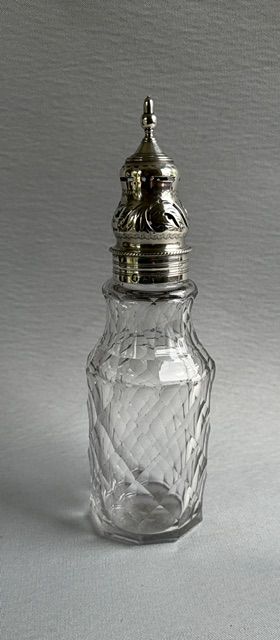
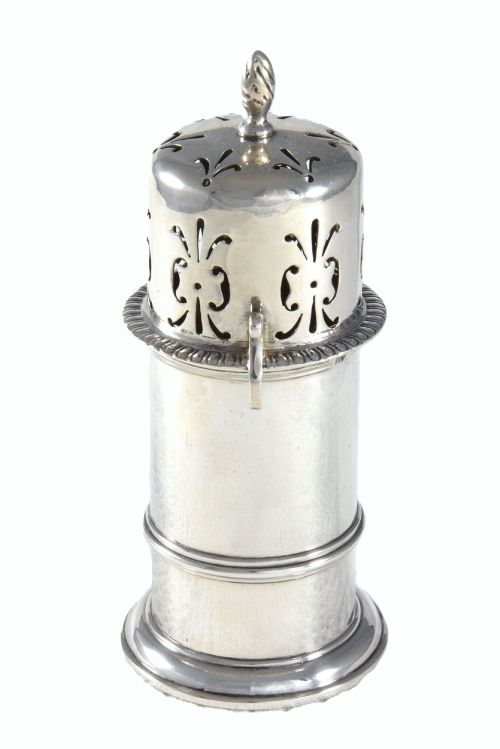
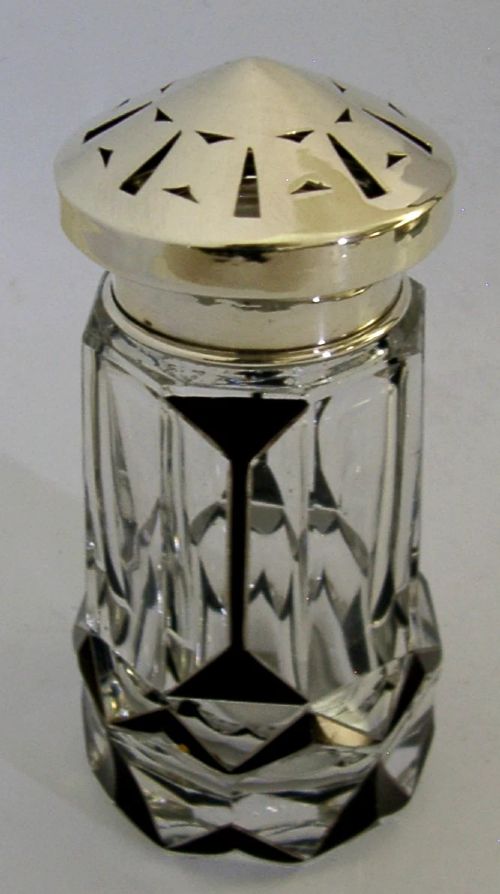
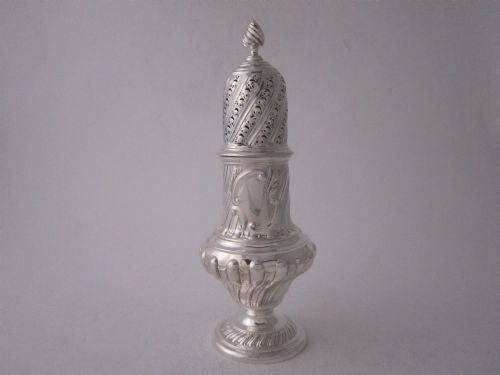
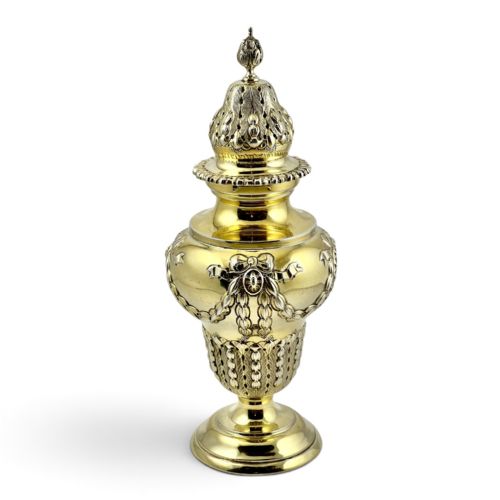
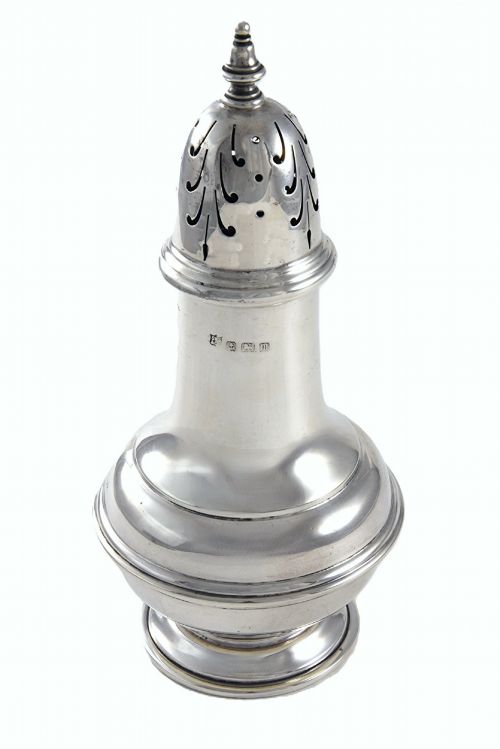
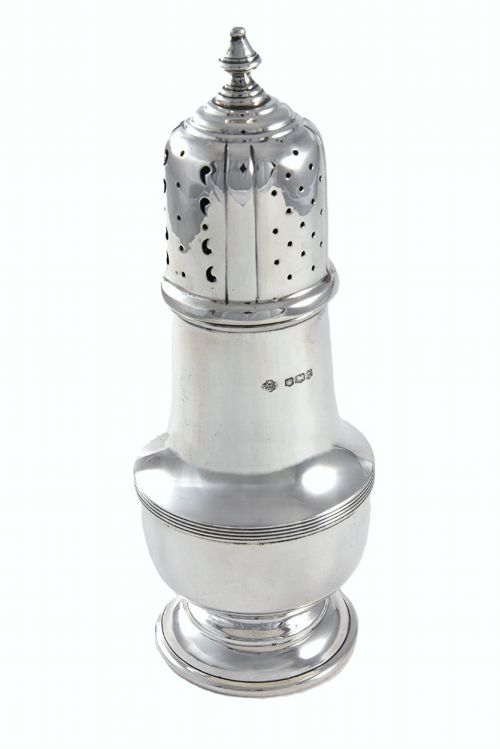
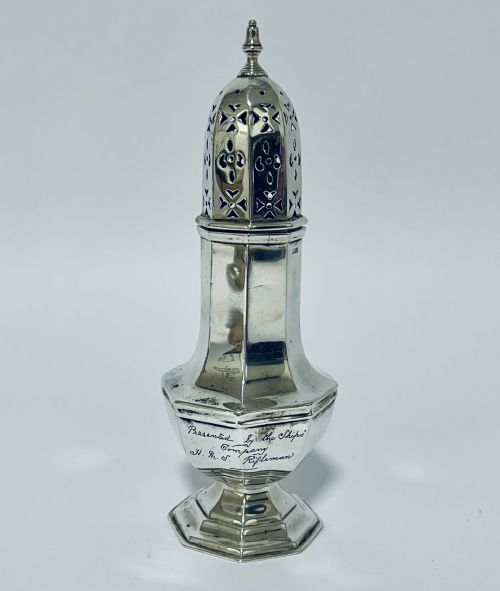
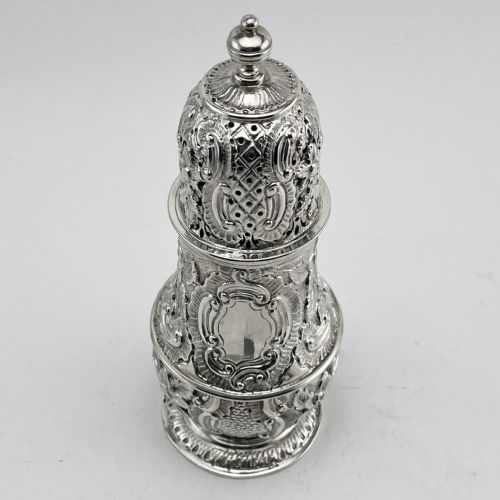
A silver sugar caster is a table vessel designed for dispensing fine sugar over food or drink, appearing in forms ranging from early octagonal baluster shapes to later Art Deco polygonal cylinders. These pieces span centuries of domestic silver production, encompassing simpler Victorian models and revived Georgian styles alongside occasional novelty figural boxes.
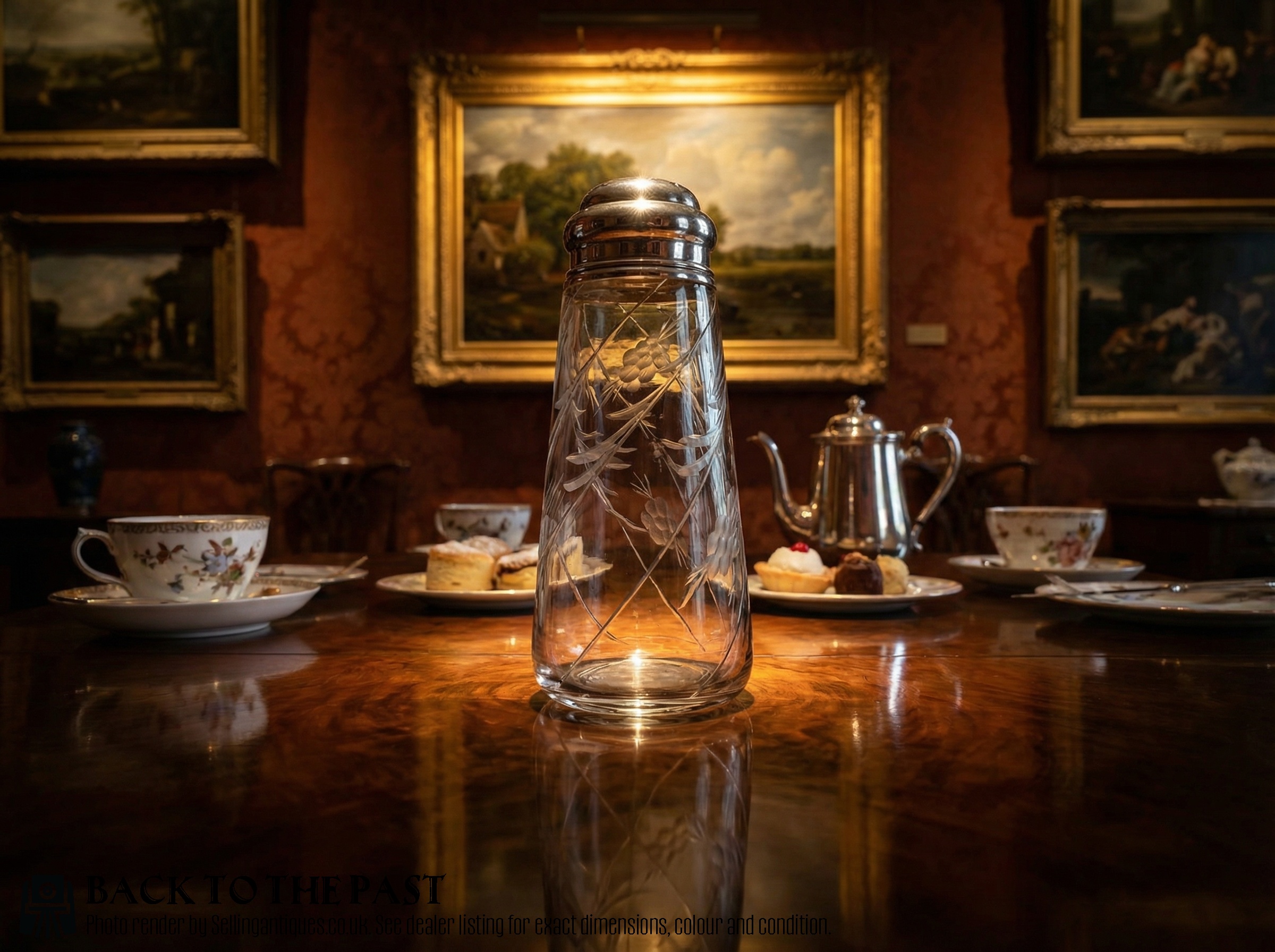
The inventory on this page shows a strong representation of Georgian, Edwardian, and Art Deco periods, alongside Victorian interpretations and mid-century examples. Alongside standard upright casters, buyers will encounter related tableware such as muffineers, pounce pots, and silver-mounted cut glass shakers.
Makers utilised various terminology in period records, referring to these items as dredgers, shakers, or sifters depending on the fineness of the pierced top. The surviving examples demonstrate how silversmiths adapted this domestic form from the early eighteenth century through to the mid-twentieth century.
Evaluating Quality and Craftsmanship
The distinction between standard domestic wares and top-tier items rests upon the weight of the metal and the crispness of the pierced cover decoration. Heavier gauge silver provides a reassuring balance in the hand and resists denting along the vulnerable pierced dome.
Maker attribution significantly influences standing, with works by noted Huguenot silversmiths or established firms like William Comyns commanding greater interest. The precision of the panel moulding, the integrity of hallmarks, and the presence of original armorial engraving further separate routine examples from exceptional survivals.
Silver Sugar Caster Retail Price Guide 2026
Typical asking prices for silver sugar caster among the pieces listed under this phrase on Sellingantiques today, from the lower quarter to the upper quarter. They describe what is for sale here now, not the wider market.
Listings feature sterling silver, cut glass, and silver-gilt materials across Georgian, Victorian, and Art Deco periods.
Stephen Adams·Simon Pantin·Barker Brothers·James Dixon & Sons·Evald Nielsen·Horace Woodward·Roberts & Belk·Charles Alchorne·Thomas Pritchard·William Comyns·Mappin & Webb
The Silver Sugar Caster Glossary
- Muffineer
- A small caster specifically intended for sprinkling sugar or salt over breakfast muffins. These typically date from the Georgian and Victorian eras.
- Pounce Pot
- A small shaker used for sprinkling sand or resin powder over freshly written ink to accelerate drying. They share an identical pierced profile with sugar casters.
- Silver-Gilt
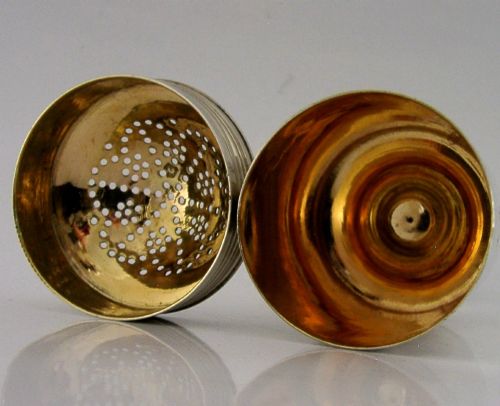
- Silver that has been coated with a thin layer of gold on its interior or exterior surfaces. This technique prevented the acidic contents of the table from tarnishing the base metal.
- Pierced Work
- Metal decorated by cutting out decorative apertures through sawing or punching. On a caster lid, this pattern controls the flow of sugar.
- Baluster
- A vertical architectural form with a swollen lower portion, commonly found in the profile of eighteenth-century caster bodies. This shape offers both stability and a comfortable grip.
Silver Sugar Caster: Frequently Asked Questions
What is a silver sugar caster?
A silver sugar caster is a perforated table vessel used for dusting fine sugar over food, pastries, or beverages. They became essential dining accessories as refined sugar grew accessible in the eighteenth century.
Over time, silversmiths adapted their silhouettes from heavy octagonal balusters to slender Edwardian profiles and geometric Art Deco cylinders. These items remain functional tableware as well as collectible examples of domestic silver smithing.
How do I date a silver sugar caster?
Dating relies primarily on the hallmarks stamped into the metal, which record the assay office, the standard mark, and a specific date letter. Comparing the style - such as Queen Anne octagonal forms versus twentieth-century polygonal designs - helps narrow the period.
Maker's marks further clarify the timeline when cross-referenced with historic silversmith registers. Weight and construction methods also provide strong clues to the era of manufacture.
What is the difference between a shaker and a caster?
The terms are often used interchangeably today, but historical records sometimes distinguish them by their intended contents and piercing size. Casters traditionally dispensed refined sugar, whereas shakers and dredgers might handle coarser spices or flour.
The mechanics remain identical, featuring a removable pierced lid atop a hollow silver or glass body. Both forms served similar decorative and functional roles on the dining table.
How should I clean my silver sugar caster?
Careful washing in warm water with a mild, non-phosphate soap removes everyday dust and accumulated residues. Soft cloths help polish the exterior without wearing down delicate hallmark stamps or chasing.
Harsh abrasive dips should be avoided, particularly on antique pieces with thin silver plating or integrated glass components. Regular, gentle dusting preserves the natural patina built up over generations.