





Silver Presentation Cup
A silver presentation cup marks a triumph on the river, the parade ground or the village green.
Silver Presentation Cup
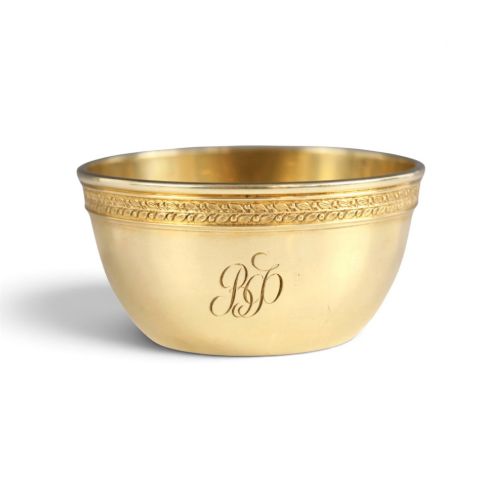
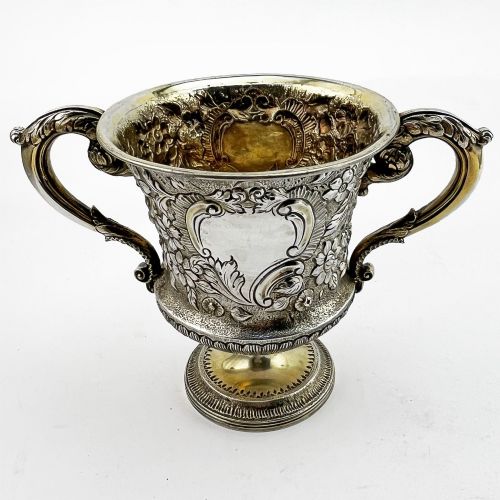
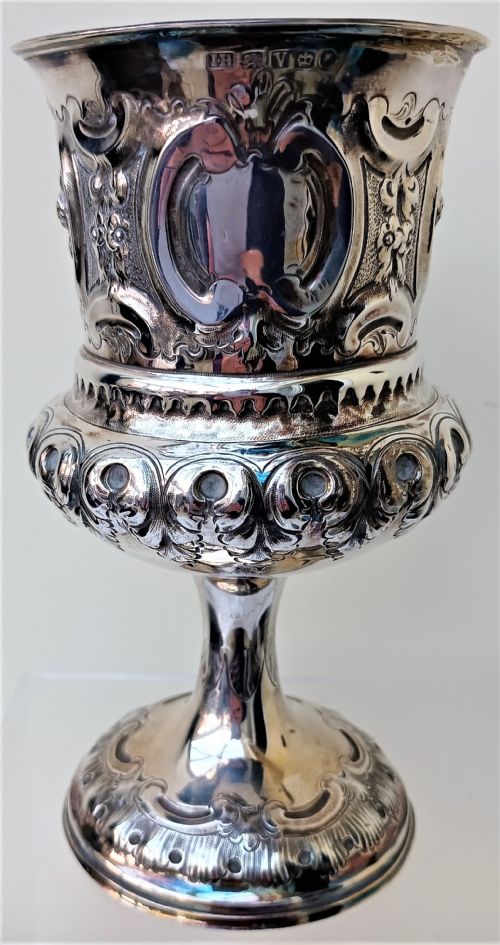
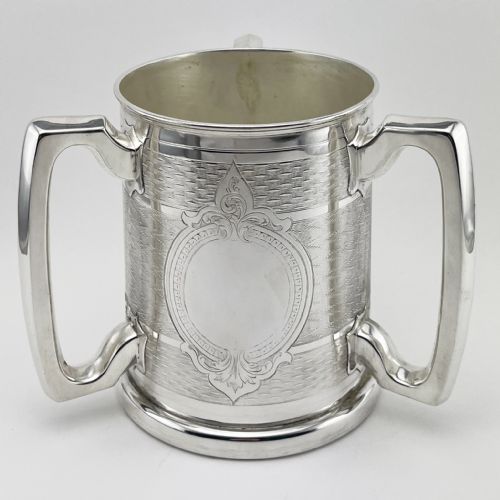
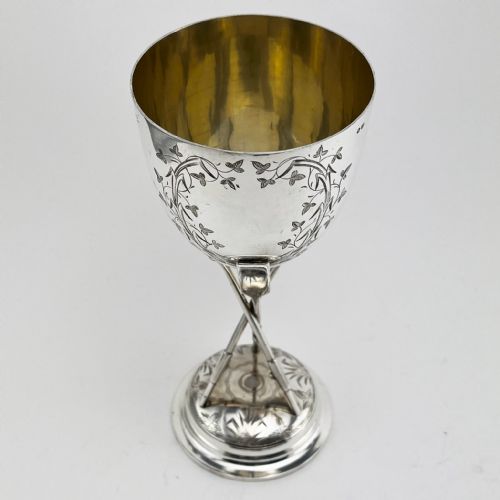
A silver presentation cup appears in forms ranging from heavy two-handled loving cups to slender goblets and campana-shaped vessels. These pieces were commissioned to mark military victories, rowing regattas, cricket matches and shooting honours.
The pieces on this page span the Georgian, Victorian and Edwardian periods, stretching from the eighteenth century into the twentieth. Sterling silver and silver plate dominate the selection, alongside older Old Sheffield Plate and regional pieces from China, India and Russia.
Victorian examples with crisp engraving and substantial covers surface most frequently in this search phrase. They carry the weight of nineteenth-century competition, often bearing presentation inscriptions that name specific regiments and clubs.
Materials and construction
Silversmiths shaped sterling silver and silver gilt through hammering, casting and spinning to achieve deep bowls and sturdy pedestals. Handles were cast separately and soldered securely to the body, designed to withstand the heft of communal toasts.
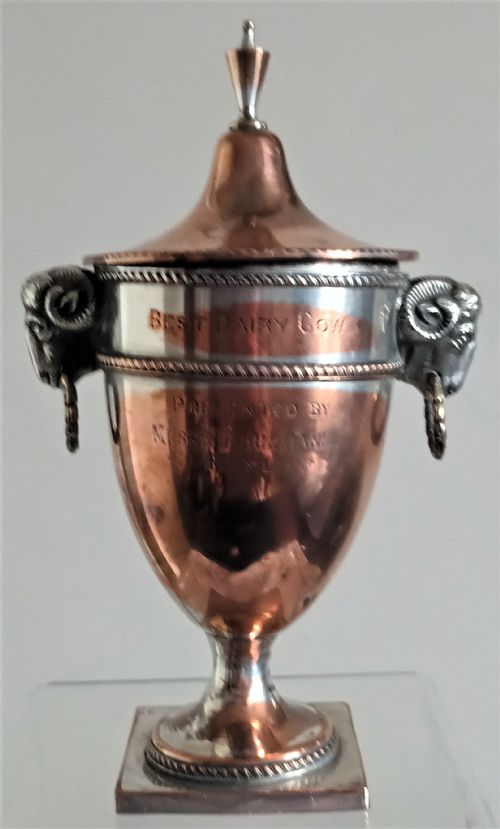
Old Sheffield Plate pieces employ a thin sheet of silver fused to a copper base, visible along cut edges and wear points. Makers enriched the surfaces of these vessels with repoussé work, chased foliage and hand-engraved armorial bearings.
Silver Presentation Cup Retail Price Guide 2026
Typical asking prices for silver presentation cup among the pieces listed under this phrase on Sellingantiques today, from the lower quarter to the upper quarter. They describe what is for sale here now, not the wider market.
One piece pairs a sterling silver cricket goblet with a matching tie pin.
Distinctions in craftsmanship
Quality rests in the proportion of the vessel and the crispness of the hand engraving. Superior examples balance heavy gauge metal with finely chased details that remain sharp even after decades of handling.
The integrity of the handles, the weight of the base and the clarity of the hallmarks determine the standing of each piece. Maker marks from established workshops signify rigorous standards of weight and assay compliance.
Fabergé·James Deakin & Sons·Henry Tatton & Son·Zee Wo·Richard Gurney·Joseph Rodgers & Sons
The Silver Presentation Cup Glossary
- Campana
- A bell-shaped vessel with a flared rim and footed base, common in Georgian silver design.
- Loving cup
- A large drinking vessel featuring two or three handles, designed to be passed among company.
- Repoussé
- A metalworking technique where the artisan pushes the design out from the reverse side using hammers and punches.
- Old Sheffield Plate
- An early fusing process binding a layer of sterling silver to a copper core, predating electroplating.
- Assay mark
- A stamped symbol indicating the purity of the metal, the place of testing and the year of manufacture.
Silver Presentation Cup: Frequently Asked Questions
How were silver presentation cups used?
These vessels served primarily as prizes for sporting competitions, military achievements and civic milestones. They stood on sideboards as display pieces before being passed around during celebratory toasts.
At banquets, a communal loving cup circulated among guests, requiring the drinker to hold the handles while a neighbour stood to protect them.
How do I clean tarnished presentation silver?
Maintenance requires a soft cloth and a reputable liquid silver polish applied with minimal friction. Harsh abrasive pastes can wear away thin plating and soften hand-engraved details.
Avoid immersing pieces with wooden components or velvet linings in water. Regular dusting prevents tarnish buildup without requiring aggressive cleaning.
Can I read the original presentation inscription?
Most presentation cups carry hand-engraved dedications naming the recipient, the sponsoring club and the date of the event. These inscriptions provide a direct link to the social history of the period.
Some older pieces show traces of erased engraving where a trophy was repurposed for a subsequent competition.
How do I date a silver cup without a hallmark?
Stylistic clues such as the profile of the bowl, the shape of the handles and the style of engraving help establish an approximate date. Georgian pieces favour neoclassical lines, while Victorian designs often display heavier floral motifs.
Comparing the weight and construction methods to fully marked examples narrows down the manufacturing decade.