

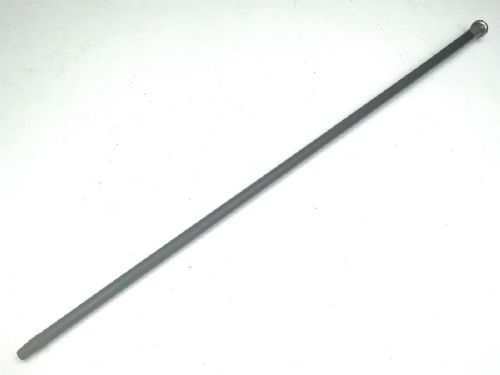
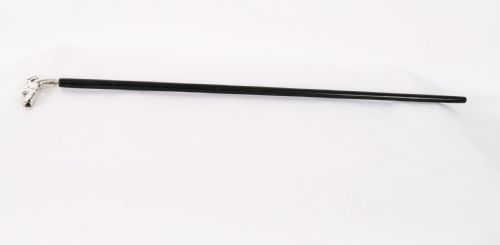
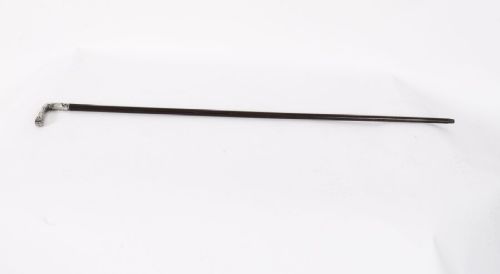
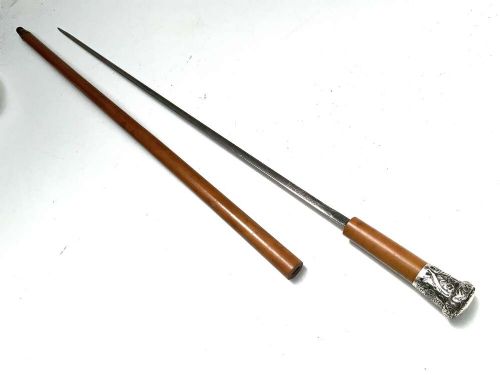

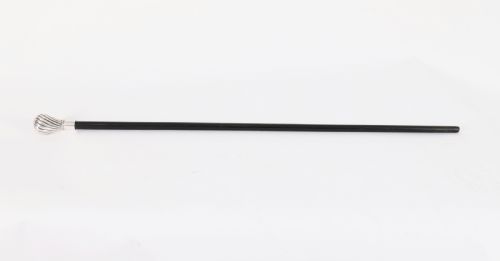


Silver Pommel Walking Cane
A silver pommel walking cane is a functional accessory topped with precious metal that offers a glimpse into historical dress and craftsmanship.
Silver Pommel Walking Cane
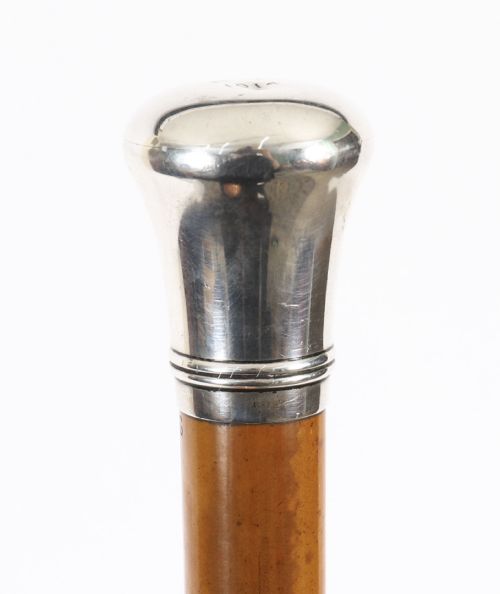
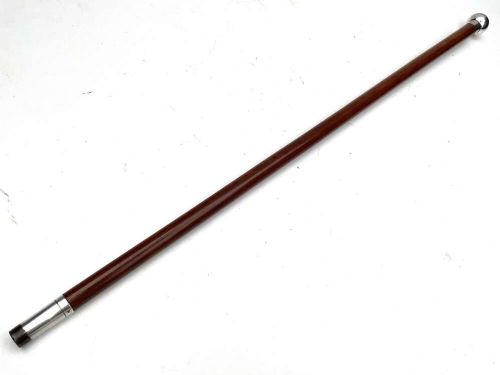
A silver pommel walking cane combines a wooden or bamboo shaft with a silver handle, serving as both a functional support and a marker of status. These pieces emerge primarily from the Victorian and Edwardian eras, spanning the nineteenth and early twentieth centuries.
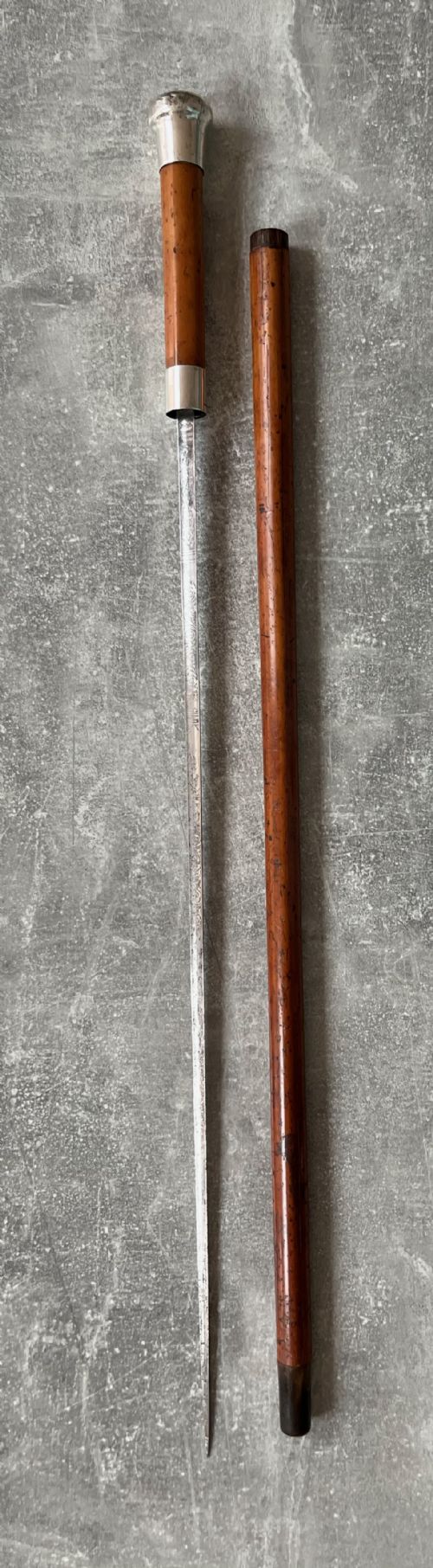
The most common examples encountered on this page feature plain or decorated silver tops paired with ebonised wood, hardwood, or bamboo shafts. Varieties range from standard gentleman's sticks to specialised items incorporating hidden blades or timepieces.
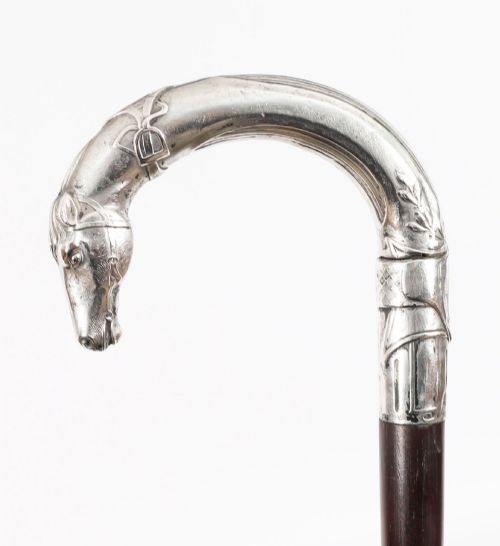
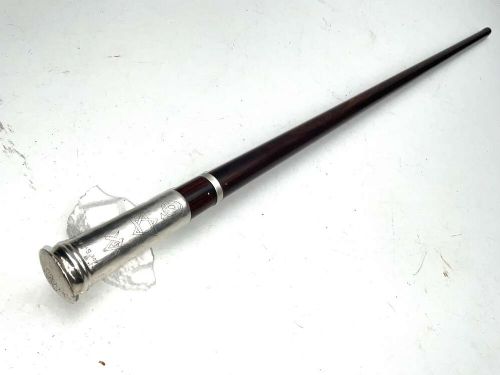
Makers across England, France, and China produced these accessories, utilising regional styles such as Neoclassical motifs or novelty animal heads. Collectors often find military swagger sticks alongside civilian walking canes bearing hallmarks from specific years.
Materials and construction
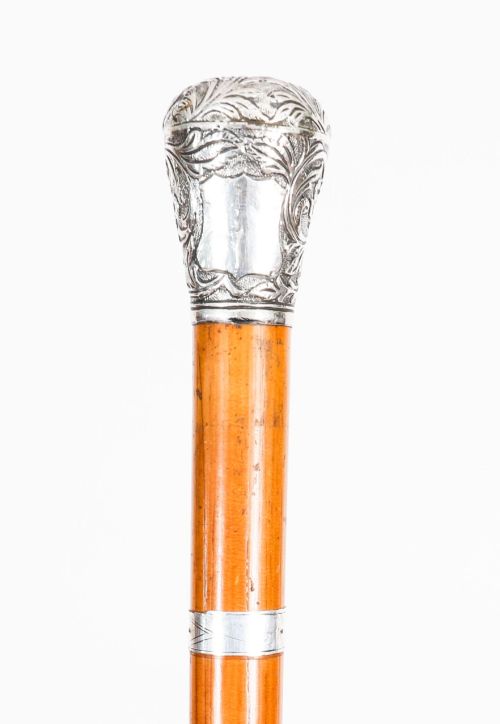
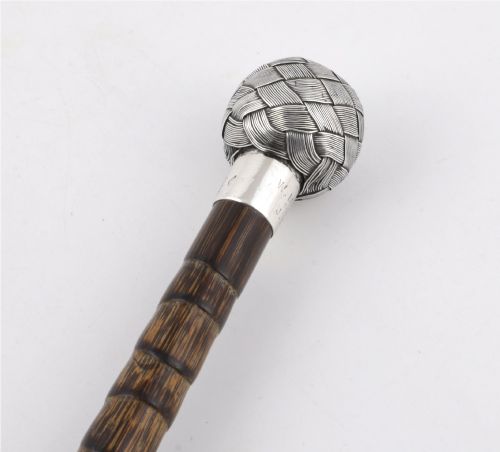
Craftsmen shaped silver into plain, textured, or figurative pommels, frequently applying hallmarks to denote the metal's standard and origin. These handles sit atop shafts turned from ebonised wood, snakewood, malacca, bamboo, or hardwood.
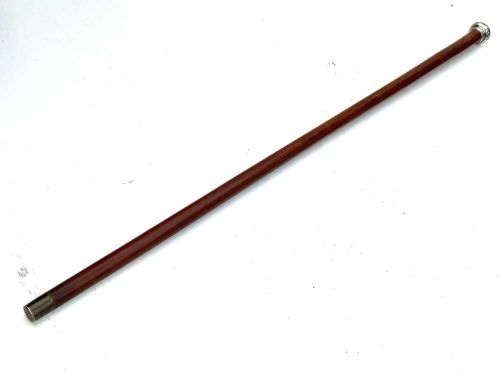
The components join through internal threading or pins, securing the silver head to the wooden shaft which often terminates in a metal or brass ferrule. Specialised variants incorporate steel blades or watch movements housed within the wooden body.
Silver Pommel Walking Cane Retail Price Guide 2026
Typical asking prices for silver pommel walking cane among the pieces listed under this phrase on Sellingantiques today, from the lower quarter to the upper quarter. They describe what is for sale here now, not the wider market.
Listings feature silver pommel walking canes spanning the Victorian and Edwardian periods, utilising materials such as bamboo, malacca, snakewood, and ebonised wood alongside steel and brass.
Factors affecting quality
Quality rests heavily on the artistic execution and detail of the silver pommel, distinguishing cast animal heads and intricate wirework from plain metal tops. The choice of shaft material also dictates value, with exotic woods like snakewood or malacca holding greater distinction than standard hardwoods.
The presence of clear hallmarks adds documentary weight to a piece, confirming the date and origin of the silverwork. Structural integrity, including the secure attachment of the pommel and the straightness of the bamboo or wooden shaft, completes the assessment of the piece.
The Silver Pommel Walking Cane Glossary
- Pommel
- The handle or knob at the top of a walking stick, formed here in silver to provide a decorative grip. These range from simple rounded shapes to carved animal forms.
- Ferrule
- The protective metal cap fitted to the bottom of a walking cane to prevent the wood from splitting during contact with the ground. It typically consists of brass or steel.
- Hallmark
- An official stamp applied to silver items to indicate the standard of purity, the assay office, and the year of manufacture. English pieces frequently display these marks on the pommel or collar.
- Ebonised
- Wood that has been treated and finished to resemble ebony, creating a dense black surface commonly seen on Victorian walking stick shafts.
- Swagger stick
- A short, slender cane traditionally carried by military officers as a badge of rank rather than for physical support.
Silver Pommel Walking Cane: Frequently Asked Questions
How do I date a silver pommel cane?
Dating relies upon examining the silver hallmarks stamped on the pommel or collar, which indicate the assay office and year of manufacture. Stylistic details such as Neoclassical motifs or Edwardian proportions also help place the piece within a specific decade.
Unmarked silver tops require assessment through manufacturing techniques, wood types, and comparative examples from the nineteenth and early twentieth centuries.
What woods were used for the shafts?
Maker workshops utilised a variety of timbers including ebonised wood, hardwood, snakewood, and malacca, alongside natural bamboo. Each material offered different weights and flexibilities suited to the intended use of the cane.
Exotic woods and patterned bamboo often signalled higher status and were paired with detailed figural silver pommels.
Are these canes meant for daily support?
While many historical sticks were built solidly for everyday walking, antique examples with delicate silver pommels or integrated watch mechanisms serve better as collectible display pieces. The structural integrity of the wood and the attachment of the handle determine whether a cane can safely support weight.
Gentlemen and ladies carried these accessories primarily as part of standard attire rather than strictly for medical support.
What are novelty pommels?
Novelty pommels feature silver shaped into recognizable figures such as animal heads, birds, or wire knots, departing from the standard rounded or crook handles. These designs catered to Victorian and Edwardian tastes for whimsical and individualized accessories.
Animals like greyhounds, horses, and hares appear frequently in this category, modelled with varying degrees of anatomical detail.