


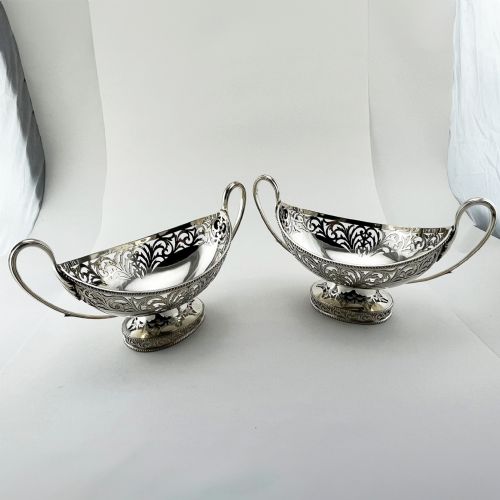


Silver Plated Fruit Dish
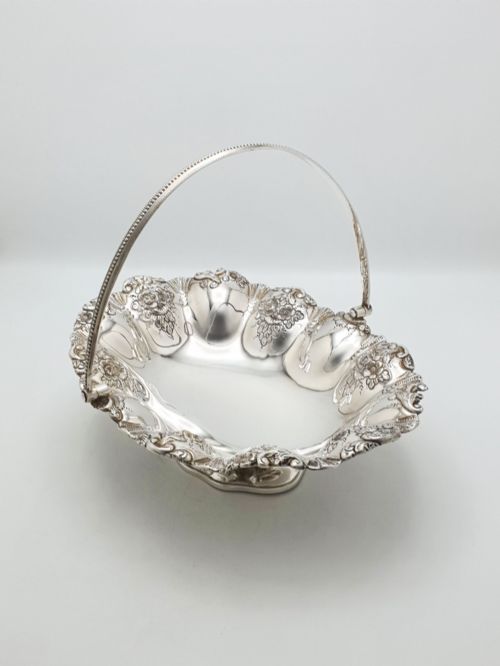
A silver plated fruit dish brings heavy Victorian piercing and sleek Art Deco curves to the table, offering a centrepiece designed to hold seasonal produce in style.
Silver Plated Fruit Dish
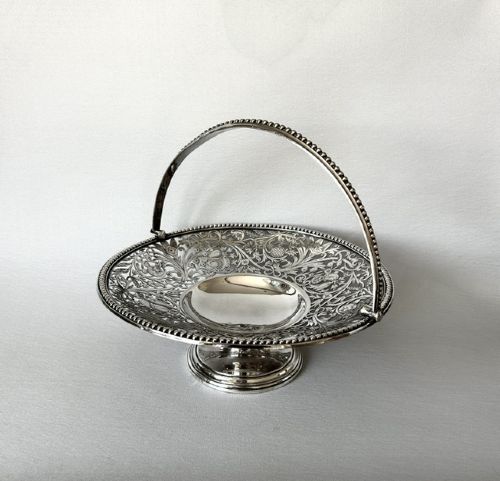
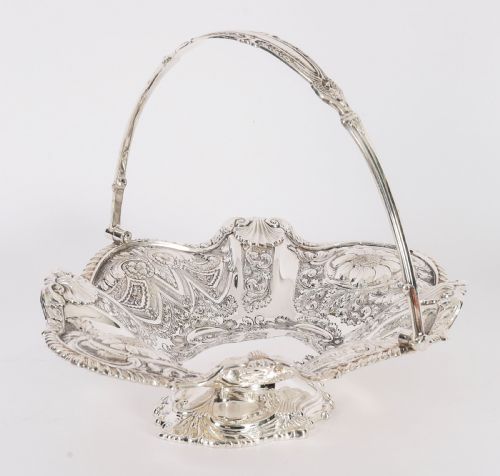
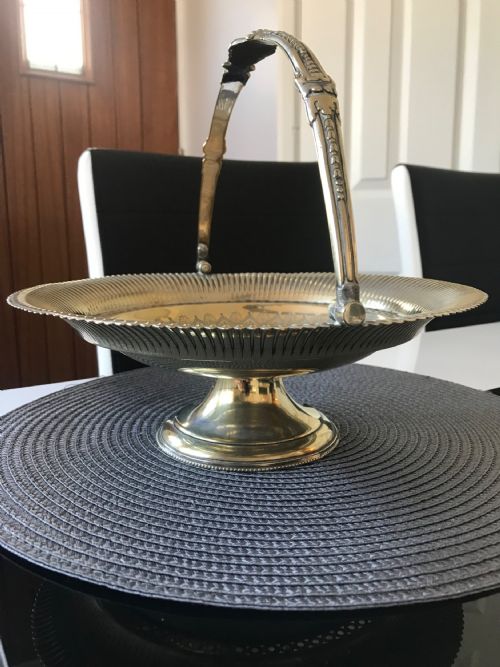
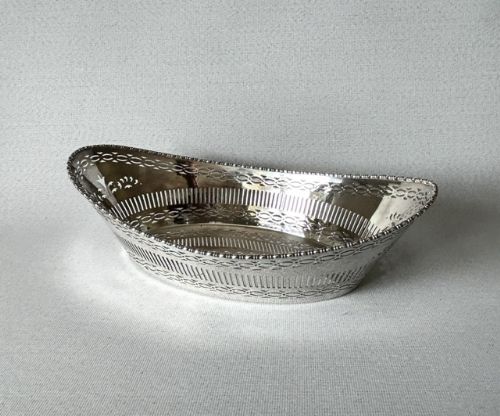
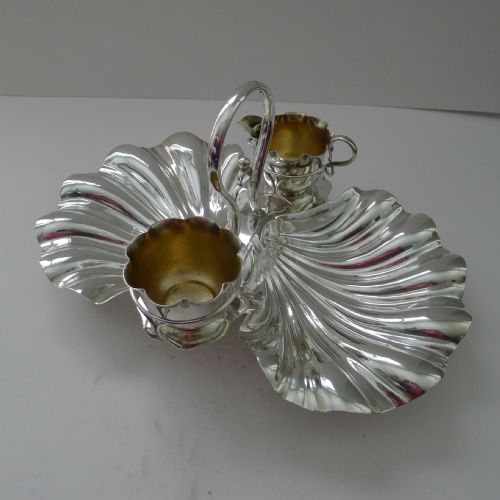
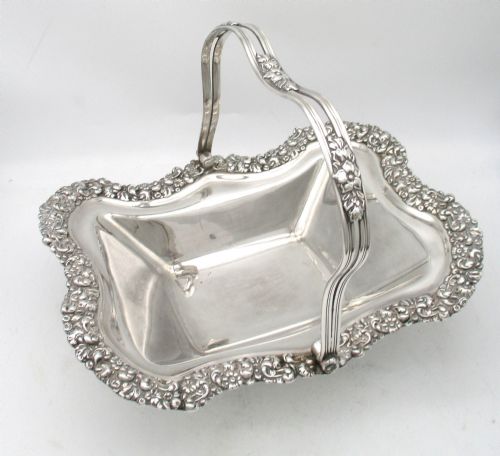
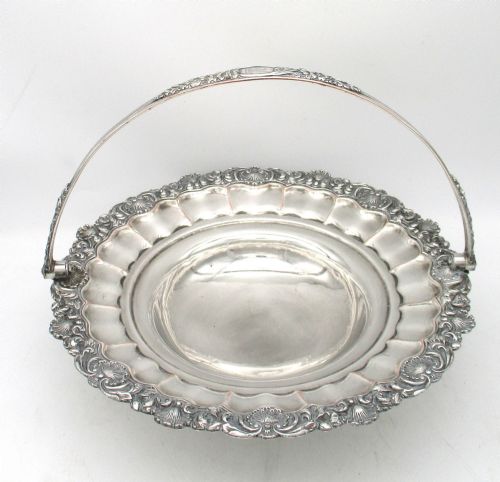
A silver plated fruit dish encompasses an array of serving vessels, from swing-handled baskets and footed tazzas to open decorative bowls designed for the dining table. When searching this phrase, expect to encounter ornate Victorian creations alongside clean-lined Art Deco forms and floral Edwardian patterns.
The objects frequently take the form of handled baskets with pierced galleries, pedestal bowls, and shallow dessert dishes intended to showcase fruit or bread. Pieces span the nineteenth and twentieth centuries, showing shifts from heavy nineteenth-century repoussé work to twentieth-century geometric minimalism.
Origins range across English workshops and continental makers, incorporating supplementary materials like green vaseline glass, opaline glass, ceramic, and oak alongside metal work. The surviving selection demonstrates how dining customs changed, shifting from elaborate Victorian centrepieces to practical Edwardian cake baskets and modernist French bowls.
Materials and methods of construction
Makers utilised silver plate, electroplated nickel silver, and Old Sheffield plate as the primary metallic foundations, often applying silver over a base of copper or bronze. Early nineteenth-century items typically rely on Old Sheffield plate fusion techniques, whilst later Victorian and Edwardian examples employ electroplating methods.
Articulated components, wirework, and cast mounts appear alongside hand-chased floral repoussé rims and engraved botanical motifs. Glass inserts, including cut crystal and coloured opaline glass, combine with the metal frames to form complex centrepieces and tazzas.
Green vaseline glass inserts bring an unexpected fluorescent glow to turn-of-the-century tables when caught in direct light.
Judging the standard of manufacture
Quality rests upon the crispness of chased ornament, the structural integrity of pierced gallery work, and the weight of the underlying metal body. Superior examples maintain intact plating that reveals no base copper bleeding through high-wear areas.
Design ambition separates standard commercial output from exceptional work, seen in sculptural cast handles, integrated glass liners, and firm maker attribution. The harmony between the metal basket and fitted glass elements dictates the success of mixed-media centrepieces.
George W. Scott & Sons Ltd·Mappin & Webb·Daniel Arter·WMF·Elkington·Walker & Hall·Thomas Bradbury·James Deakin·Tiffany & Co·Roberts and Belk·Brille
The Silver Plated Fruit Dish Glossary
- Electroplated Nickel Silver
- A base metal alloy of copper, nickel, and zinc coated with a layer of pure silver through an electrolytic process. This method largely superseded Old Sheffield plate during the mid-nineteenth century.
- Old Sheffield Plate
- A composite material formed by fusing a sheet of silver to a thicker copper ingot before rolling them together into plates. Look for thin lines of exposed copper along edges as an indicator of this technique.
- Repoussé
- A metalworking technique where the artisan hammers the design from the reverse side to create a raised relief pattern on the front. It is frequently seen on Victorian and Edwardian fruit baskets.
- Tazza
- An Italian term for an ornate shallow bowl or cup elevated on a pedestal foot. These items frequently function as fruit dishes or centrepieces.
- Pierced
- Metalwork perforated with decorative cut-out patterns, commonly utilised along the rims of Victorian baskets to lighten the visual mass.
Silver Plated Fruit Dish: Frequently Asked Questions
How do I clean my silver plated fruit dish?
Wash the piece gently in warm, soapy water using a soft cloth, avoiding abrasive pads that can wear down the thin silver layer. Dry thoroughly with a microfiber towel to prevent water spots.
Refrain from using harsh chemical dips, particularly on items with fitted glass or ceramic inserts. A specialist silver polish applied sparingly will maintain the shine on engraved or repoussé surfaces.
Can I use these dishes for actual fruit?
These vessels function well for displaying dry produce, bread, or wrapped sweets on a dining table. Citrus fruits left for extended periods can sometimes react with older metallic surfaces.
Place a linen doily or a glass liner inside the basket if you plan to serve moist items. This protects the historic plating from acidic wear.
How do I date a silver plated dish?
Examine the manufacturing style, weight, and any maker marks stamped into the base of the metal. Victorian pieces often feature heavy floral repoussé and cast handles, whilst Edwardian items tend toward lighter floral motifs.
Art Deco examples display geometric lines, and Old Sheffield plate construction points towards late eighteenth or early nineteenth-century origins. Maker stamps help cross-reference production periods.
What is the difference between Old Sheffield plate and electroplate?
Old Sheffield plate involves fusing a sheet of silver onto a copper core mechanically before rolling, creating a layered metal sheet. This technique predates the chemical plating methods introduced in the nineteenth century.
Electroplate uses an electrical current to bond a thin coating of pure silver onto a nickel silver or base metal foundation. This later process allowed for deeper piercing and sharper stamped decoration.